
Stadium Floodlight Series
Sports lighting is a key factor in ensuring the proper running of physical activity, user safety, and visibility both for spectators and for recording and broadcasting systems. Floodlights for stadiums and sports facilities must deliver high lighting levels, uniform light distribution and reliable performance even under intensive use.

Featured ranges


Our featured products from Stadium Floodlight Series
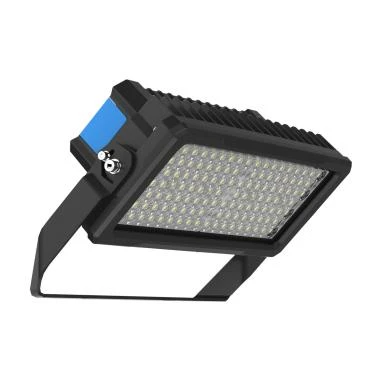
Expert
£314.99
 (2)
(2)Ref 115707
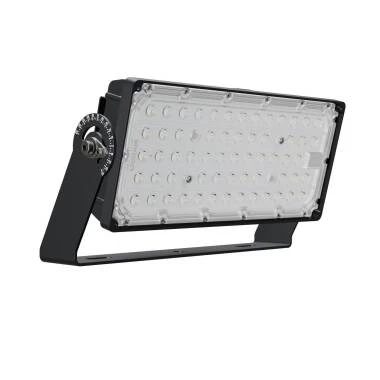
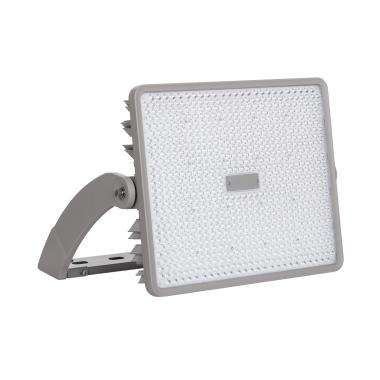
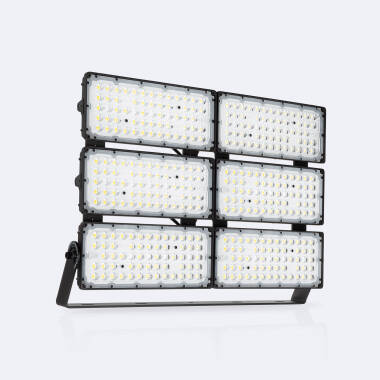
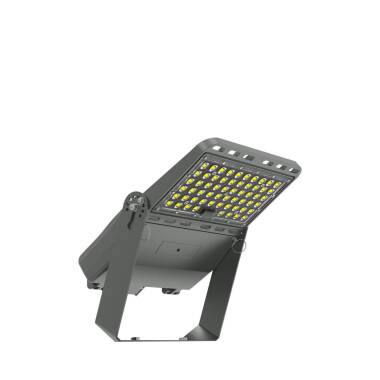
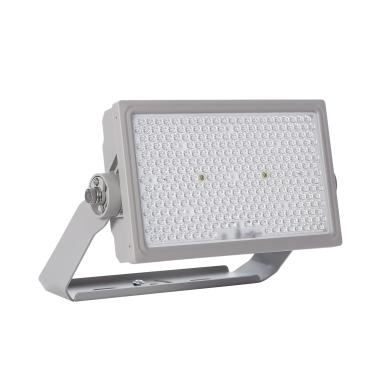
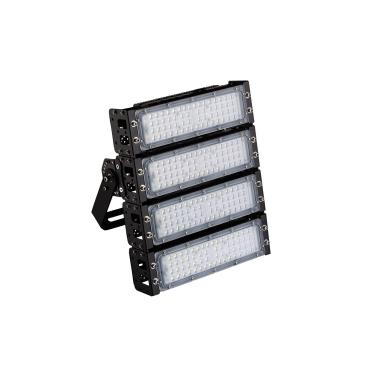
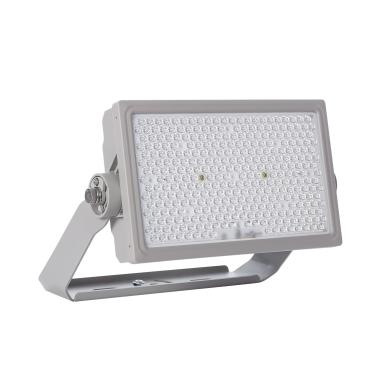
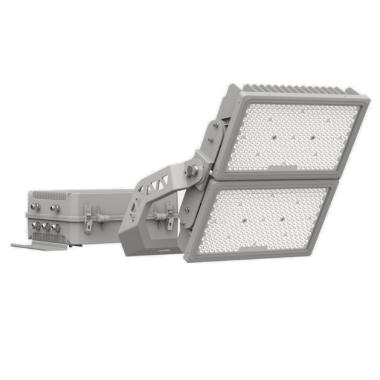
AluminiumAdjustableProfessional Stadium 300W 1-10V Dimmable LED Floodlight INVENTRONICS 170lm/W IP66 LUMILEDS
In Stock, delivery in 15-20 days
- Wattage 300 W
- Voltage Range 220-240V AC
- Lumen 45000 lm
18 options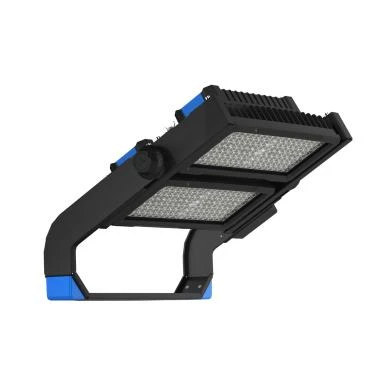
Expert
£630.99
Ref 115721
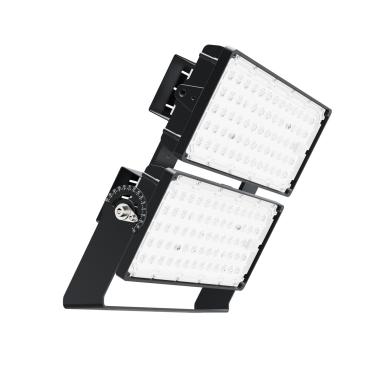
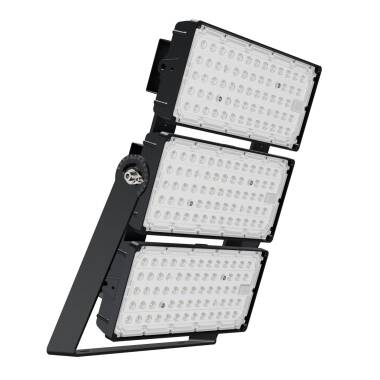
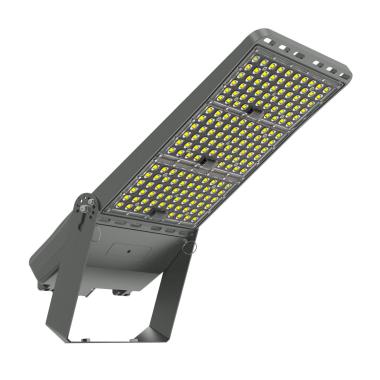
AluminiumAdjustableProfessional Stadium 600W 1-10V Dimmable LED Floodlight INVENTRONICS 170lm/W IP66 LUMILEDS
In Stock, delivery in 16-21 days
- Wattage 600 W
- Voltage Range 220-240V AC
- Lumen 90000 lm
18 options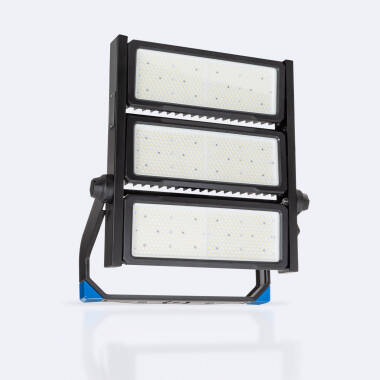
Expert
£856.99
Ref 115722
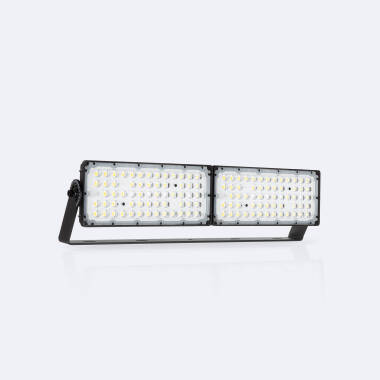
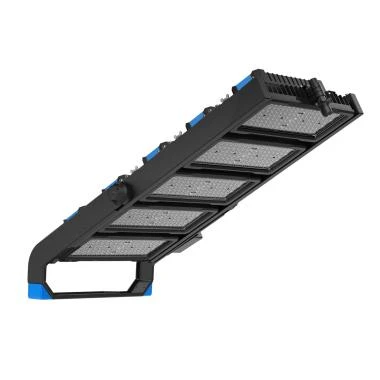
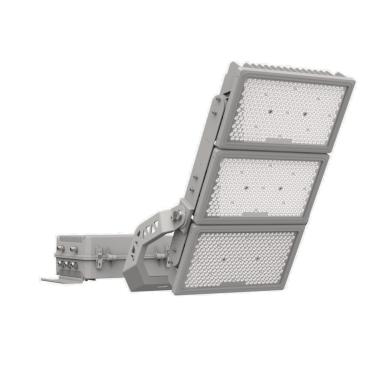
AluminiumAdjustableProfessional Stadium 900W 1-10V Dimmable LED Floodlight INVENTRONICS 170lm/W IP66 LUMILEDS
In Stock, delivery in 16-21 days
- Wattage 900 W
- Voltage Range 220-240V AC
- Lumen 135000 lm
21 options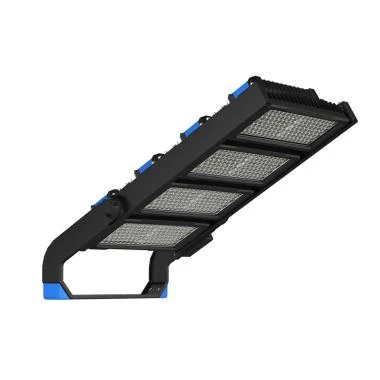
Expert
£1,156.99
Ref 115727
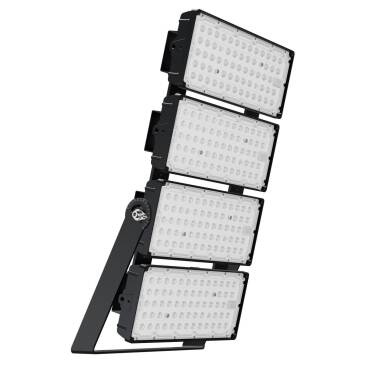
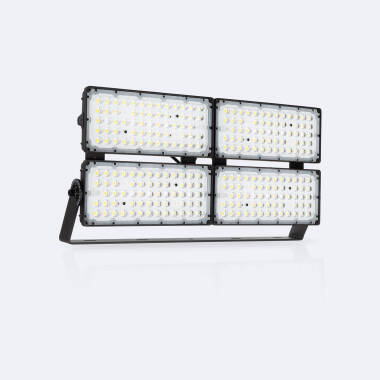
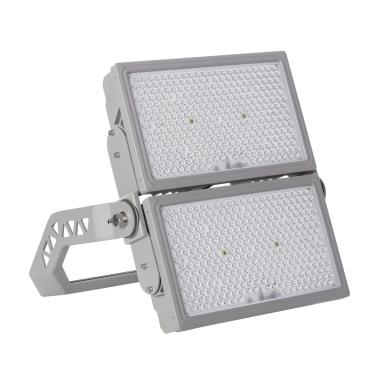
AluminiumAdjustableProfessional Stadium 1200W 1-10V Dimmable LED Floodlight INVENTRONICS 170lm/W IP66 LUMILEDS
In Stock, delivery in 16-21 days
- Wattage 1200 W
- Voltage Range 220-240V AC
- Lumen 180000 lm
20 options





Brands related to this category


About Stadium Floodlight Series
LED-based systems have become the most efficient and advanced solution for these environments. Thanks to their high luminous efficacy, long service life and ability to meet the technical requirements of each installation, LED floodlights are now the go-to option for sports fields of all kinds.
LED lighting for sports facilities
Sports facilities have very specific lighting needs that cannot be met with conventional lighting solutions. The sport, venue dimensions, mounting height and competition level directly influence the lighting design.
In this context, this product range sits within professional LED floodlights, but with more specific requirements in terms of lighting levels, optics and uniformity for sports venues, especially large-scale ones.
Advantages of LED technology in sports venues
LED lighting offers key advantages over traditional technologies such as metal halide, which have become completely obsolete:
- Higher energy efficiency, with significant savings in electricity consumption.
- Instant start, with no warm-up time and no re-strike delays after a power cut.
- Long service life, ideal for installations with difficult access.
- Better control of glare and beam direction.
- Light stability, essential for competitions and audiovisual broadcasting.
Technical requirements for lighting in sports stadiums
Lighting for a stadium or sports facility must be not only powerful, but also precise and uniform. A well-designed lighting scheme improves the players’ experience and reduces the risk of injuries and visual errors.
Lighting levels and uniformity
Illuminance levels are measured in lux and vary depending on the type of facility and intended use. For training sessions, local competitions or top-level events, requirements change significantly.
Beyond lux levels, it is essential to ensure proper uniformity (ratio between minimum and average illuminance), avoiding dark areas or excessive contrasts on the playing surface.
Glare control
Glare can affect both athletes and spectators. That’s why sports floodlights incorporate specific optics and control systems that limit light spill outside the useful areas.
Standards applicable to sports facility lighting
Sports lighting is governed by technical standards that set minimum requirements for safety, visual performance and lighting quality. Using suitable floodlights is key to meeting these requirements.
UNE-EN 12193:2019 – Lighting of sports facilities
This standard is the main reference in Europe and defines:
- Minimum lighting levels depending on the sport.
- Lighting classes (Class I, II and III).
- Uniformity requirements.
- Glare limits (UGR).
- Minimum colour rendering indices (CRI).
CIE recommendations (Commission Internationale de l’Éclairage)
CIE guides complement the European standard and set criteria for visual perception, comfort and lighting quality in sports spaces.
Sports federation requirements
For venues used for official competitions, additional requirements may apply, set by bodies such as:
- FIFA and UEFA for football pitches.
- World Athletics for athletics tracks.
- National federations for sports halls and indoor sports.
These standards often demand higher lighting levels, greater uniformity and specific parameters for TV broadcasting; for example, in a football stadium or an athletics track with stands and very tall towers, the venue size and long projection distances make it necessary to choose versions of high-power LED floodlights to ensure adequate lux levels and even coverage across the entire playing surface.
Indicative levels by use type and event category
Depending on the event level (recreational, regional, national or broadcast), minimum illuminance (lux) and required uniformity change. As a general guide, these are common reference values in sports projects:
- Broadcast events (FIFA / broadcast requirements): illuminance > 1,500 lux, uniformity 0.7 and a design that avoids shadows on the playing surface.
- Class I (national level): illuminance > 500 lux, uniformity 0.7 and luminaires/positions that minimise shadows.
- Class II (regional level): illuminance > 200 lux, uniformity 0.6 and at least 6 lighting poles (depending on pitch layout).
- Class III (recreational use): illuminance > 75 lux, uniformity 0.5 and at least 4 lighting poles.
Common applications for sports LED floodlights
LED floodlights for stadiums are designed to adapt to a wide variety of environments and sports disciplines.
Football and rugby pitches
Floodlights for football or rugby pitches must provide powerful, uniform lighting across large areas, with optics that cover the playing field from very tall towers or masts.
Athletics tracks
Uniform light distribution along long routes, avoiding shadows and low-visibility areas.
Sports halls and multi-sport venues
Solutions adapted to high ceilings, with glare control for players and spectators, and stable lighting for fast-paced sports.
Municipal sports facilities
Efficient and durable systems designed for frequent, continuous use, with reduced maintenance costs.
Lighting design and energy efficiency
A good sports lighting system depends not only on the floodlight itself, but on the overall lighting design. Choosing the right optics, power levels and installation points helps optimise performance and reduce energy consumption.
Modern LED floodlights make it possible to adapt an installation to different usage scenarios—training, competitions or special events—while maintaining suitable, efficient lighting at all times.
Reliability and durability in demanding environments
Stadium floodlights are designed to withstand harsh conditions such as rain, dust, vibrations and sudden temperature changes. Robust housings, advanced thermal management and high protection ratings ensure stable operation for years.
This makes them a safe investment for sports facilities that require long-term reliability and consistent performance.
Frequently asked questions about LED stadium floodlights
Which standard regulates sports facility lighting?
The main reference is UNE-EN 12193, complemented by CIE recommendations and specific requirements from sports federations.
Are LED floodlights suitable for official competitions?
Yes, as long as they meet the lighting levels, uniformity and lighting quality required by the relevant standards and federations.
How important is light uniformity in sports lighting?
Good uniformity avoids shadows and contrasts, improves visibility and reduces visual fatigue for athletes. In addition, for TV-broadcast events this factor is essential.
Do LED stadium floodlights allow dimming?
Many models support control and dimming systems, allowing lighting to be adapted to different uses and reducing energy consumption.
What is the service life of sports LED floodlights?
They typically exceed 50,000 operating hours, significantly reducing maintenance costs.
Are they suitable for outdoor installations?
Yes, they are designed with high protection ratings to withstand demanding weather conditions.