
LED track lighting
LED track lights allow for the creation of flexible, precise, and professional lighting in commercial, exhibition, and technical spaces where the direction of light is decisive.


Our featured products from LED track lighting
- -12%
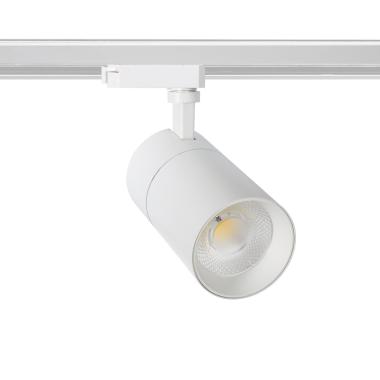
Advanced
Before £26.02
£22.89
 (3)
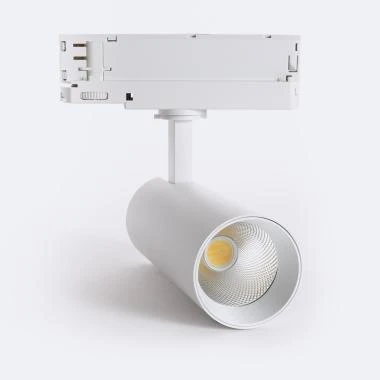
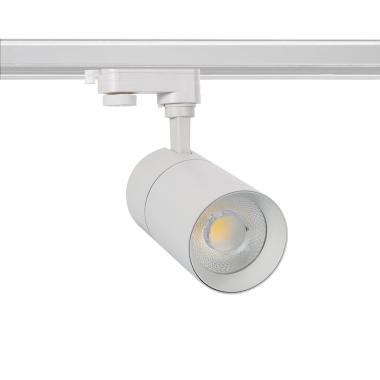
(3)Ref 65424
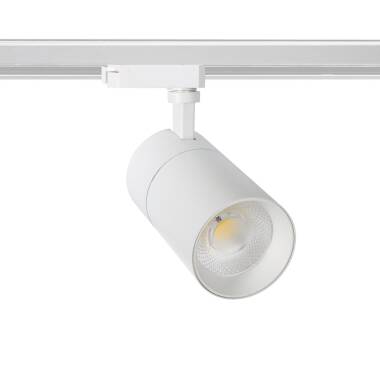
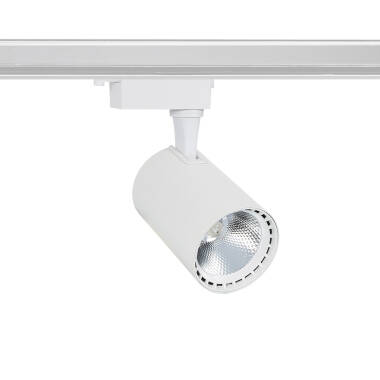
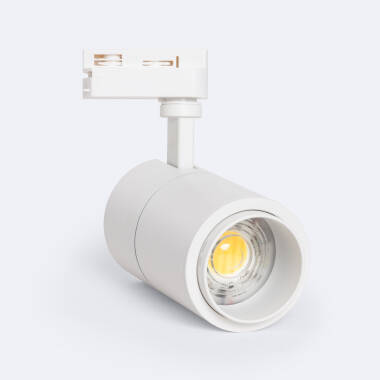
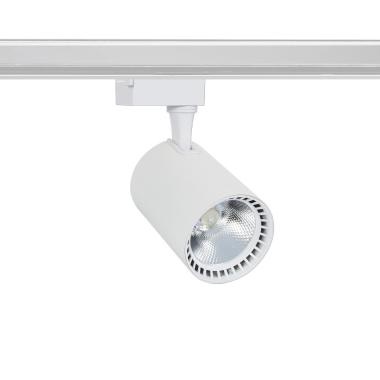
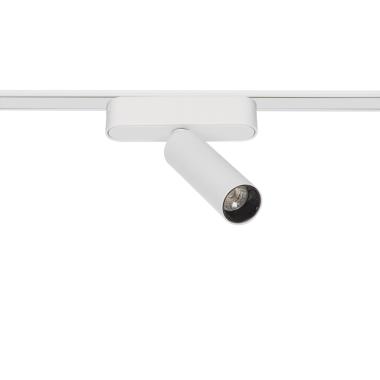
AluminiumMallet 20W 1-Circuit Track Dimmable LED Spotlight White
In Stock, delivery in 15-20 days
- Wattage 20 W
- Voltage Range 220-240V AC
- Lumen 2000 lm
3 options - -12%
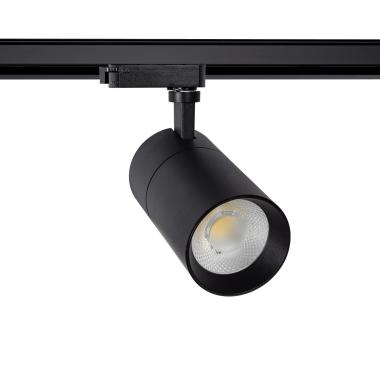
Advanced
Before £26.02
£22.89
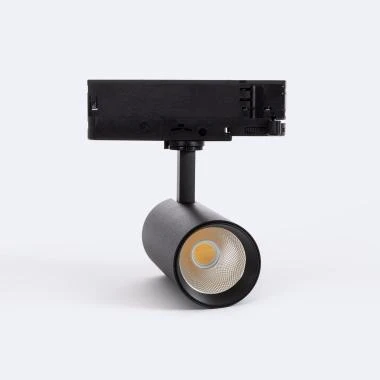
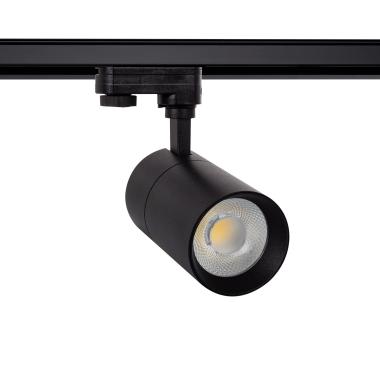
Ref 65427
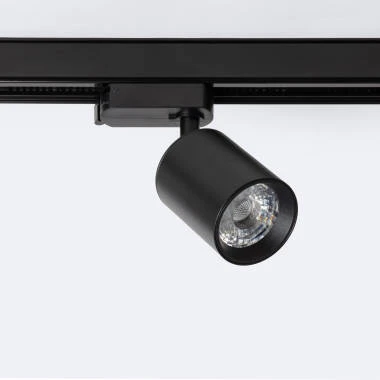
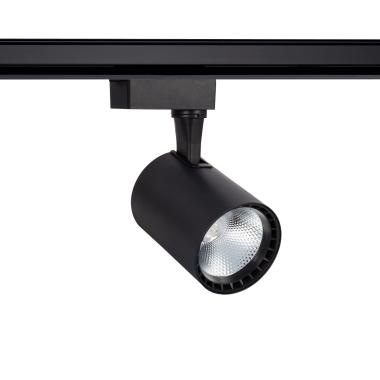
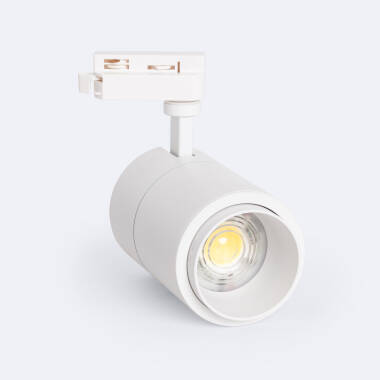
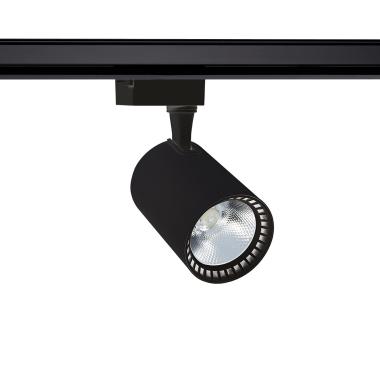
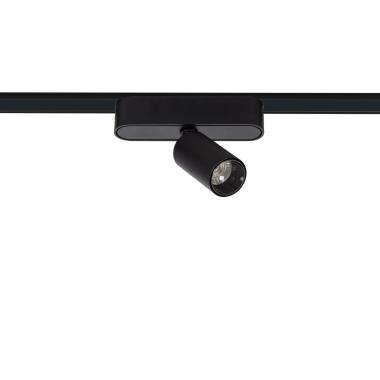
AluminiumMallet 20W 1-Circuit Track Dimmable LED Spotlight Black
In Stock, delivery in 24/48h
- Wattage 20 W
- Voltage Range 220-240V AC
- Lumen 2000 lm
3 options - -14%
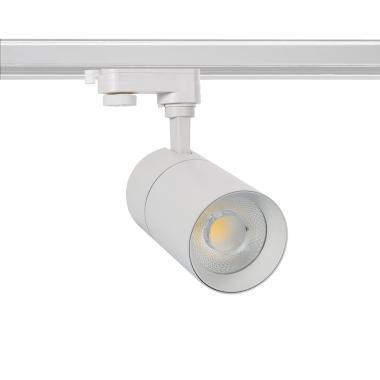
Advanced
Before £31.99
£27.59
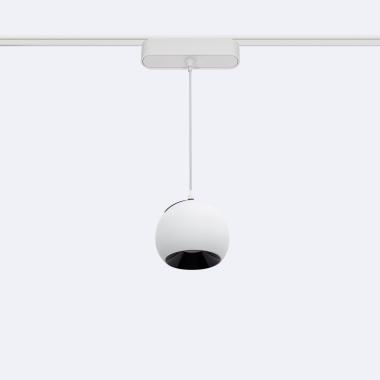
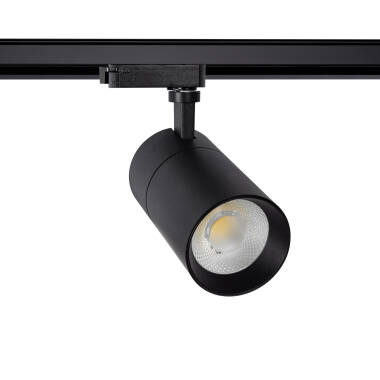
Ref 65411
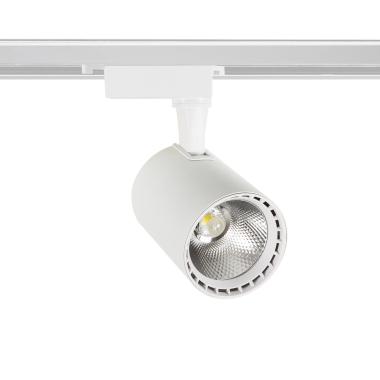
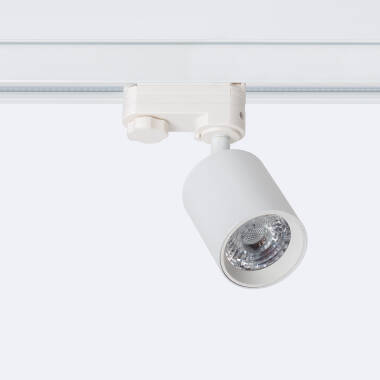
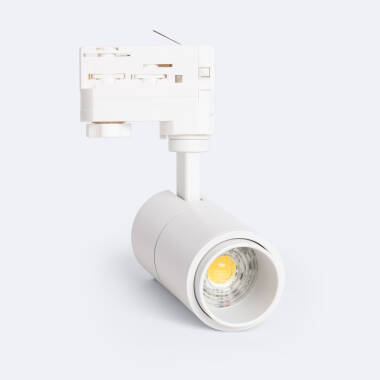
AluminiumAdjustableMallet 30W 3-Circuit Track Dimmable LED Spotlight White
In Stock, delivery in 24/48h
- Wattage 20 W
- Voltage Range 220-240V AC
- Lumen 2000 lm
3 options - -14%
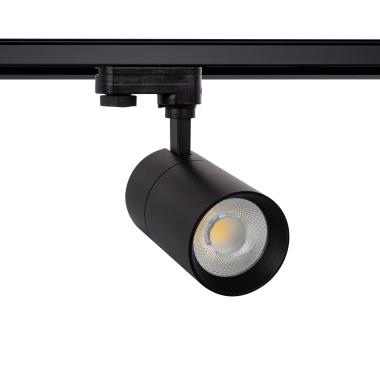
Advanced
Before £31.99
£27.59
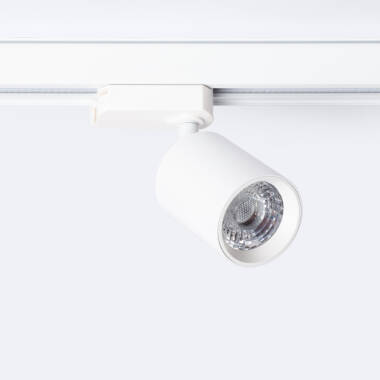
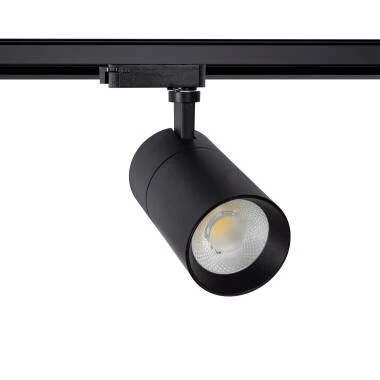
Ref 65415
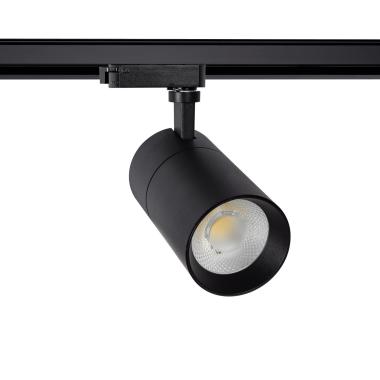
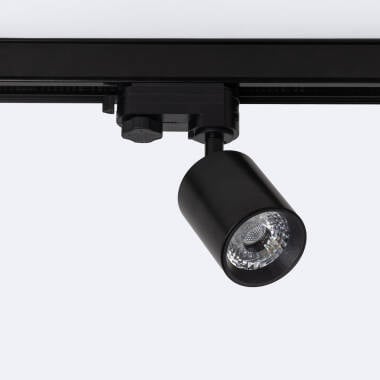
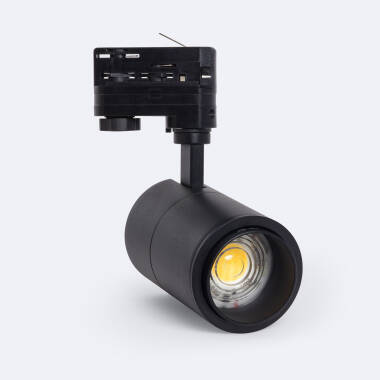
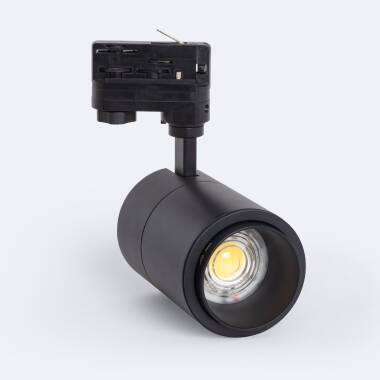
AluminiumAdjustableMallet 20W 3-Circuit Track Dimmable LED Spotlight Black
In Stock, delivery in 24/48h
- Wattage 20 W
- Voltage Range 220-240V AC
- Lumen 2000 lm
3 options







You may also be interested in
Brands related to this category


About LED track lighting
LED track lights have traditionally been associated with retail lighting projects, where the ability to direct light toward products, interior window displays, or points of interest is key to building a clear visual hierarchy. They are also common in hospitality, showrooms, galleries, and offices due to their flexibility, simple maintenance, and the ease with which the installation can be reconfigured. In recent years, their use has increasingly extended to the residential sector, especially in homes seeking a contemporary aesthetic, adjustable lighting, and a cleaner, more discreet visual solution aligned with interior architecture.
What are LED track lights and why are they so widely used
LED track lights are luminaires installed on an electrified track, from which they receive power and upon which they can be moved, oriented, or replaced with relative ease. Unlike a fixed recessed or surface-mounted luminaire, the track system allows the position of the light point to be modified without redoing the installation—something especially useful in spaces where furniture or layout changes frequently.
Types of LED track lights according to the power system
Not all LED track lights function the same way, nor are they interchangeable. The typology of the electrified track determines adapter compatibility, the control method, and the most suitable use for each project. Choosing the correct system from the start avoids incompatibilities and simplifies future expansions.
LED single-phase track lights
The LED single-phase track lights operate on a single ignition line. This means that all luminaires connected to the same track section turn on and off at the same time, unless there are differentiated sectors in the installation. It is a widespread solution in small shops, homes, hospitality venues, offices, or spaces where independent control by groups within the same track is not required.
Its main advantage is simplicity. Installation is usually more direct, the system cost is contained, and the configuration is sufficient when the project seeks physical flexibility of the luminaire but not advanced control management. In spaces between 20 and 80 m², where the goal is to highlight products, tables, interior displays, or circulation areas, the single-phase system effectively resolves most standard needs.
On a technical level, it is advisable to check the total power of the section, adapter compatibility, and the planned number of luminaires. Even though the system is simple, proper design of the track and the connected load remains important for maintaining reliability and room for expansion.
LED three-phase track lights
The LED three-phase track lights allow for several independent circuits within the same track, usually three groups plus a neutral. This provides a clear operational advantage: different luminaires can be controlled separately without the need to install multiple parallel tracks. In retail, this solution is especially useful for distinguishing between window lighting, product zones, aisles, or seasonal campaigns within the same ceiling line.
Their use is standard in medium and large stores, showrooms, galleries, exhibition spaces, and commercial projects where the lighting scene changes frequently. For example, a business can maintain one circuit dedicated to general ambient lighting, another to featured products, and a third to interior displays or promotional end-caps. This sectorization capability improves both flexibility and energy efficiency, as it is not always necessary to turn on the entire installation.
Compared to single-phase, the three-phase system requires slightly more rigorous planning, both in circuit distribution and in the compatibility of lights and connectors. In exchange, it offers a more scalable infrastructure for projects with greater operational complexity.
Magnetic LED track lights
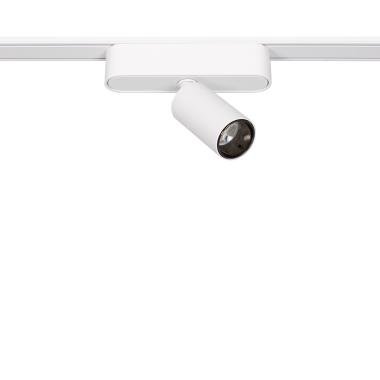
The magnetic LED track lights represent an evolution of the traditional system toward visually integrated solutions with a more architectural focus. They operate on low-voltage tracks or specific magnetic systems where the luminaire is fixed via a magnet and a connection designed for that set. They are often used in premium residential projects, contemporary offices, hospitality, and commercial spaces where the aesthetic of the track is as important as the lighting function.
This system allows for the combination of spotlights, linear modules, suspended modules, or wall washers on the same platform, with a cleaner and more technical visual language. In many cases, the profile is more discreet than a conventional electrified track, helping to integrate it into false ceilings, coves, or carefully designed linear compositions.
However, it is wise to distinguish between aesthetic appeal and actual application. The magnetic track does not automatically replace other more robust solutions in all environments. In commercial projects with high flux requirements, long hours of use, or the need for powerful accent lights, it remains essential to check system capacity, heat dissipation, driver compatibility, and ease of maintenance.
DALI LED track lights
The DALI LED track lights are designed for installations where lighting control is part of the project from a technical and functional perspective. DALI allows for addressing luminaires, regulating intensity, creating scenes, and managing groups with precision. In commercial, museum, corporate, or premium spaces, this level of control facilitates adapting light to the schedule, natural light contribution, specific campaigns, or different uses of the space.
Compared to a simple on/off installation, the DALI system provides progressive dimming, automation, and the ability to integrate with sensors or centralized control systems. In a store, for example, the accent level can be increased in certain areas during peak hours, softened at the end of the day, or specific scenes can be created for promotions. In offices and hybrid spaces, it also allows for level adjustments based on occupancy or outdoor light availability.
That said, for the result to be truly useful, the choice of DALI LED track lights must be accompanied by correct planning of drivers, controllers, addressing, and global system compatibility. It is not enough for the light to be dimmable: the project must be conceived as a coordinated whole.
Which technical criteria should be valued before choosing LED track lights
Choosing LED track lights is not just about deciding on power or design. The final result depends on several parameters that influence the amount of light, how it is distributed, the perception of the product, and the user's visual comfort. A coherent selection avoids both over-lighting and a lack of contrast—two frequent errors in poorly planned installations.
Power, lumens, and real yield
Wattage alone says little if it is not related to the luminous flux and the optics of the light. In track lights for retail and interior applications, it is common to find equipment ranging from 10W to 40W or more, with approximate flows between 900 and 4,000 lumens depending on efficiency, size, and configuration.
For accent lighting on products or displays, one often works with lights ranging from 1,000 to 2,000 lumens if the distance to the plane is moderate and the beam is well controlled. In spaces with higher ceilings, interior displays, or needs for general ambient support, higher levels may be necessary. As a practical reference, in retail, general environment illuminance is usually around 300–500 lux, while product accentuation can rise clearly above those values to generate visual contrast.
More important than an isolated figure is understanding the effective yield of the light once installed. A light with many lumens but a beam that is too wide may lose accentuation capacity, while another with less flux but precise optics may offer a more effective result on the product.
Beam angle and beam control
The beam angle determines how light is distributed. In this category, it is most useful to differentiate between narrow apertures (less than 30°) suitable for highlighting mannequins, showcases, specific pieces, or architectural details; medium apertures (between 30° and 60°) which work well for shelving, display tables, and general commercial accents; wide apertures (between 60° and 90°) designed for more open and homogeneous coverage; and very wide apertures (over 90°) used when seeking more general or support lighting in large areas.
The choice should relate to the installation height and the surface to be illuminated. On a 3-meter ceiling, a very wide beam may invade unwanted areas and reduce contrast. Conversely, at 4 or 5 meters, an excessively narrow beam may generate overly concentrated light zones and poor uniformity. Therefore, professional projects seek a balance between coverage diameter, intensity, and separation between luminaires.
Color temperature according to product and environment
Color temperature conditions the atmosphere and the perception of materials. In stores and commercial spaces, 3000K is typically used to create warm and pleasant environments, especially in fashion, decor, restaurants, or spaces where a cozier feel is desired. 4000K offers a neutral light, widely used when seeking a balance between comfort, definition, and visual fidelity.
For certain technical products or work areas, 5000K may also be used, although in general retail it is not always the most suitable option if it hardens the perception of the space too much. The key is choosing a temperature consistent with the product, interior finishes, and the desired experience.
Color Rendering Index
The CRI or Color Rendering Index is decisive in commercial applications. For public sales, exhibition, and restaurant use with reliable color, it is reasonable to work with CRI 90 or higher when the product visually depends on its tones, textures, or finishes. In fashion, cosmetics, select foods, furniture, or art, an insufficient CRI can alter the perception of the product and harm the shopping experience.
A light with good color rendering does not necessarily emit more light, but it represents real colors better. This difference is clearly appreciated in whites, reds, skin tones, fabrics, or high-detail surfaces.
Glare and visual comfort
In spaces where the user remains for some time, reaching the correct light level is not enough: it is also important for the lighting to be comfortable. Therefore, glare should be controlled, especially in stores with low ceilings or in areas where the lights fall within the customer's field of vision.
Applications of LED track lights in real projects
LED track lights perform particularly effectively when lighting must accompany the function of the space rather than being limited to a uniform ceiling distribution. Their versatility allows them to adapt to very different uses without losing technical coherence.
Fashion, decor, and specialized retail stores
In retail, track lights are used to create visual hierarchies. The entire store should not receive the same light nor at the same intensity. New arrivals, end-caps, main walls, promotional tables, or interior displays usually require a higher accent treatment than secondary zones.
In fashion stores, for example, it is common to combine general ambient lighting of around 300–500 lux with higher accents on products and mannequins to increase the perception of volume and texture. In decor, the goal is to highlight materials, reliefs, and compositions. In gourmet food or perfumery, chromatic precision and brightness control are just as relevant as the amount of light.
Showrooms, galleries, and exhibition spaces
In showrooms and galleries, the ability to reorient the light is a critical advantage. The exhibition may change frequently, and the track system allows for repositioning luminaires without reforming the ceiling. Furthermore, it facilitates adapting angles and scenes according to the size of the pieces, observation distance, and the prominence desired for each element.
Here, it is common to work with narrow or medium beams and high glare control. Dimming also gains weight, as an exhibition scene rarely works the same way at all times of the day or for all content.
Hospitality and restaurants
In restaurants, cafes, and hotels, LED track lights allow for the combination of ambient light and accent light within the same aesthetic line. They can be used to highlight bars, communal tables, wine racks, decorative elements, or entrance paths, maintaining an atmosphere consistent with the venue's concept.
In these projects, warm color temperature, visual control of the light, and the possibility of regulating intensity are especially valued. Lighting that is too flat lacks character; lighting that is excessively contrasted can be uncomfortable. The track allows for adjusting this balance more easily than a conventional fixed installation.
Offices, receptions, and contract spaces
Although often associated with commerce, track lights are also used in open offices, receptions, multi-purpose rooms, and contract spaces seeking a technical and flexible image. In these cases, they can complement linear lights or panels, providing accents on meeting zones, counters, branding, walls, or waiting areas.
When the space changes frequently or requires sectorization, three-phase or dimmable systems offer a clear advantage. In contemporary projects, magnetic tracks are increasingly integrated for their aesthetic value.
Housing with an architectural focus
In mid-to-high-end residential projects, the track light is used in open kitchens, large living rooms, hallways, studios, and spaces with a clean and functional aesthetic. It allows for accompanying furniture compositions, artworks, shelving, or tables without compromising future layout modifications.
Here, rather than maximizing lux levels, the goal is usually to combine flexibility, design, and the possibility of reorientation. The result is especially interesting when integrated with dimming and scenes to adapt light to different times of day.
How to correctly plan an LED track light installation
A good installation does not depend solely on the chosen product, but on the relationship between space geometry, height, the illuminated product, visual paths, and the desired contrast level. Designing with LED track lights requires thinking about both the quantity of light and the lighting intention.
The first step is defining which part of the space needs general lighting and which part needs accent lighting. In many commercial projects, the general base can be resolved with other luminaires and the track can take prominence over the product. In other cases, especially in small shops or open spaces with technical ceilings, the track lights themselves can assume both functions if different optics and powers are combined.
It is also advisable to analyze installation height. At 2.7–3 meters, glare control and beam aperture are fundamental. At 4 meters or more, luminous intensity and focus become more relevant. As a guiding criterion, separation between lights is usually related to the beam angle and the distance to the illuminated plane, avoiding both excessive overlaps and empty zones.
Another key point is orientation. An accent light should rarely point completely vertically if volume and texture are sought. In fashion, decor, or exhibitions, an incidence angle of approximately 30° usually works best to reduce harsh shadows and avoid annoying reflections. This decision completely changes the perception of the product.
Finally, track planning should allow room for evolution. Even in simple projects, it is preferable to anticipate possible expansions, layout changes, or the incorporation of future regulation, especially if the space has a commercial or exhibition vocation in the medium term.
Advantages of LED track lights over other solutions
The main advantage of LED track lights is that they decouple the electrical infrastructure from the final positioning of the light. This detail has enormous practical value because it allows the lighting effect to be redesigned without redoing the installation. In dynamic environments, this flexibility reduces operational costs and prevents lighting from becoming obsolete when the space changes.
They also offer greater accent control than many general luminaires. A downlight, a panel, or a linear screen can illuminate uniformly, but they do not always allow for precisely highlighting a wall, a product, or a central composition. The track light does, along with the possibility of correcting the orientation once in actual use.
From a maintenance standpoint, replacement and expansion are usually simple as long as there is compatibility within the system. Added to this is the efficiency of LED technology, with contained consumption, instant ignition, and a lifespan that, in quality equipment, typically falls in the range of 30,000 to 50,000 hours or more, depending on thermal design, driver quality, and usage conditions.
Frequently asked questions about LED track lights
How many LED track lights do I need for a store?
There is no single figure, as it depends on the surface area, height, type of product, desired contrast, and whether the lights will handle only accentuation or also general lighting. As a reference, a small store can work with a moderate density of lights distributed to reinforce walls, tables, and interior displays, while a larger space will require a more detailed study of lux, angles, and separations. The important thing is not to fill the ceiling with luminaires, but to achieve visual hierarchy and functional uniformity where truly needed.
What color temperature is best for LED track lights?
In most commercial applications, 3000K and 4000K are the most common options. 3000K generates a warmer and more welcoming atmosphere, very suitable for fashion, decor, restaurants, or spaces with noble materials. 4000K offers a more neutral and defined feel, useful when a more technical or balanced perception of the product is desired. The choice should respond to the type of item and the visual identity of the space.
Is CRI important in a track light?
Yes, especially in retail and exhibitions. A high CRI improves chromatic fidelity and allows fabrics, finishes, foods, cosmetics, or decorative elements to be perceived with greater precision. For demanding commercial uses, working with CRI 90 or higher is usually a more coherent choice than prioritizing wattage alone.
Which system is best for an aesthetic and flexible project?
When the priority is visual cleanliness and architectural integration, magnetic systems are often especially attractive. When robustness, compatibility, and versatility in retail prevail, single-phase or three-phase systems remain very solid options. The decision should be made by valuing aesthetics, control, maintenance, cost, and the planned evolution of the space.
Are LED track lights only for stores?
No. Although they are very common in retail, they also work very well in hospitality, galleries, offices, receptions, contemporary housing, and exhibition spaces. Any project where orienting light and modifying the scene with ease is desired can benefit from this type of solution.
What should I check to ensure compatibility in the installation?
It is advisable to check the track system, adapter type, working voltage, load capacity, joining accessories, dimming possibility, and compatibility between luminaire and track. In practice, a reliable installation depends as much on the light as on the assembly formed by the power supply, structure, and accessories. Therefore, it is important to plan the system as an integral solution and not as isolated pieces.