
DALI Track Lights
DALI track spotlights make it possible to create flexible, dimmable and easy-to-adjust lighting in spaces where light control is just as important as the luminaire itself.
Our featured products from DALI Track Lights
- -9%
Expert
Before £73.99
£66.99
Ref 103698
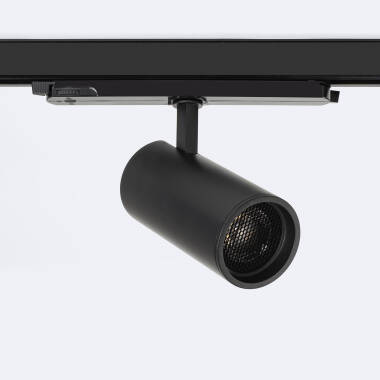
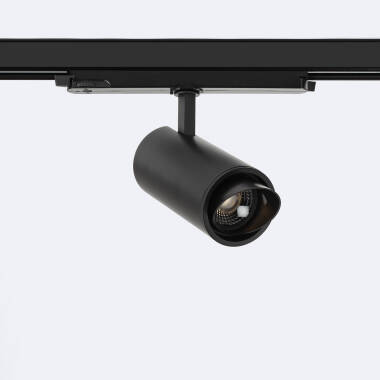
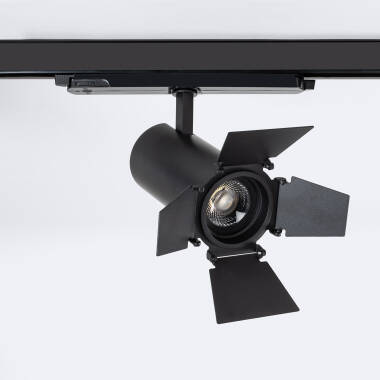
AluminiumAdjustableFasano 30W 3-Circuit Track DALI Dimmable Anti-Glare LED Spotlight Black
In Stock, delivery in 15-20 days
- Wattage 30 W
- Voltage Range 220-240V AC
- Lumen 3055 lm
3 options 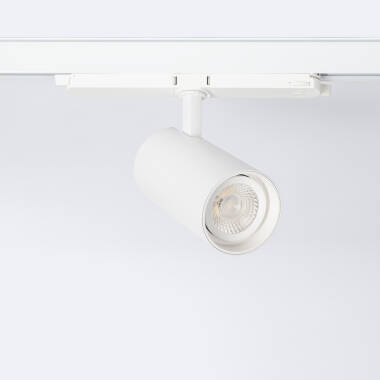
Expert

£63.99
Ref 103541
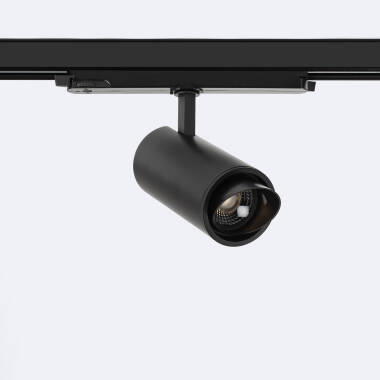
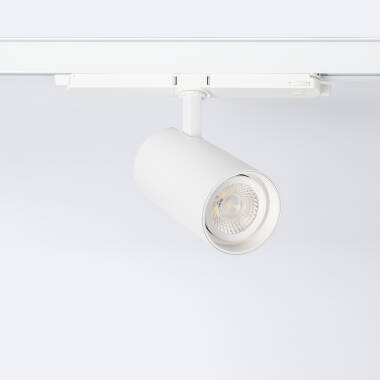
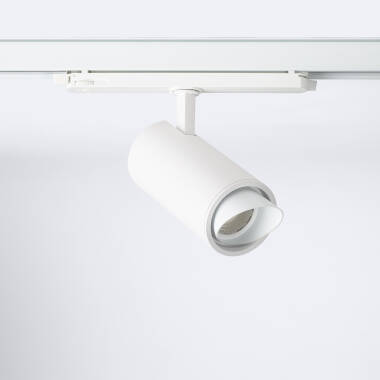
AluminiumAdjustableFasano 30W 3-Circuit Track DALI Dimmable CCT Selectable LED Spotlight White
In Stock, delivery in 24/48h
- Wattage 30 W
- Voltage Range 220-240V AC
- Lumen 3055 lm
- -11%
Expert
Before £63.99
£56.99
Ref 103511
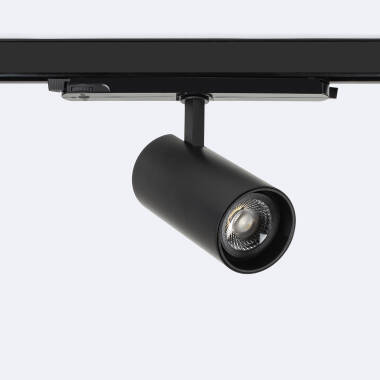
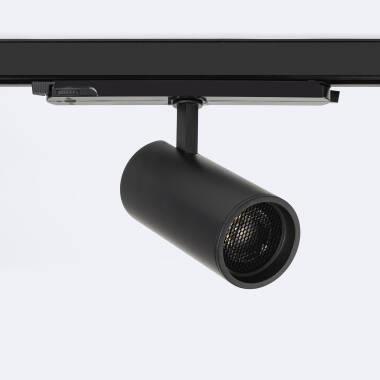
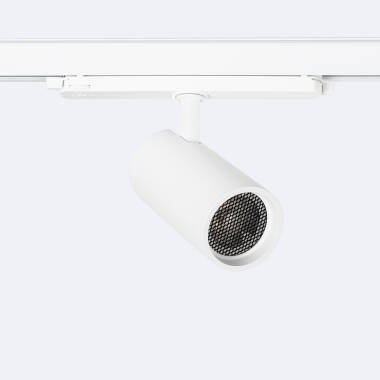
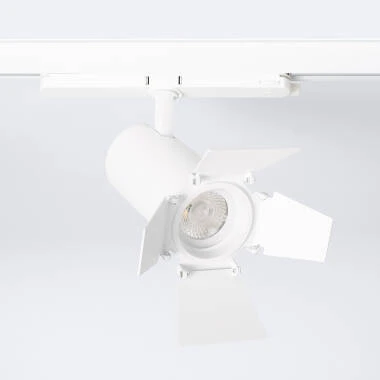
AluminiumAdjustableFasano 30W 3-Circuit Track DALI Dimmable LED Spotlight Black
In Stock, delivery in 15-20 days
- Wattage 30 W
- Voltage Range 220-240V AC
- Lumen 3055 lm
3 options 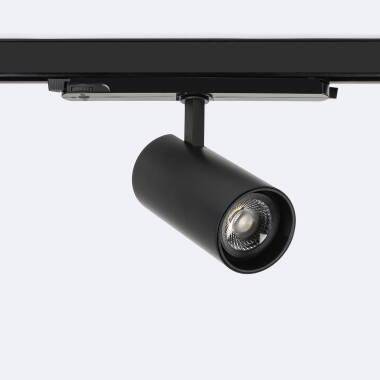
Expert
£63.99
Ref 103521
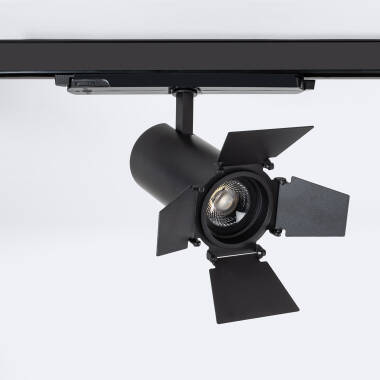
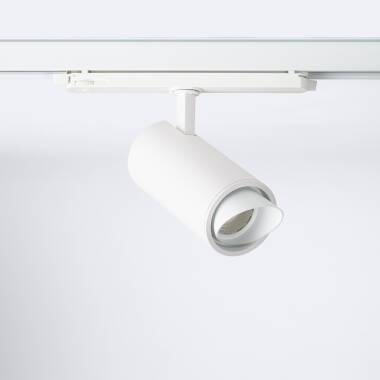
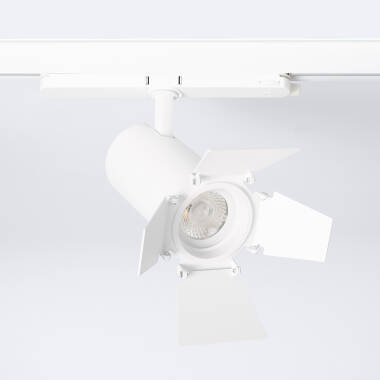
AluminiumAdjustableFasano 30W 3-Circuit Track DALI Dimmable CCT Selectable LED Spotlight Black
In Stock, delivery in 15-20 days
- Wattage 30 W
- Voltage Range 220-240V AC
- Lumen 3055 lm





About DALI Track Lights
When a project needs more than simple illumination — requiring adaptable light levels, scene creation and precise control — a DALI system offers a clear advantage. In retail, hospitality, offices, showrooms and exhibition spaces, using track spotlights compatible with this protocol allows lighting to go far beyond basic ON/OFF functionality. The result is lighting that is more controlled, more efficient and much easier to adapt to the real changes within a space.
What are DALI track spotlights?
DALI track spotlights are luminaires installed on electrified tracks that incorporate a driver compatible with the DALI protocol, short for Digital Addressable Lighting Interface. Unlike conventional installations, where luminaires operate in ON/OFF mode or with more limited dimming systems, DALI allows each spotlight or group of spotlights to be controlled with far greater precision.
In practice, this means the installation can adjust light intensity, group luminaires by zones, create scenes and modify system behaviour without physically intervening at each lighting point. This is why these LED track spotlights are increasingly used in projects where lighting plays an active role in the spatial experience.
This type of system is especially useful when lighting needs change throughout the day. A retail store does not require the same light levels in the morning as during a promotional campaign, just as a restaurant does not need the same atmosphere during lunch service as it does in the evening. With DALI, these variations can be managed much more precisely and efficiently.
Why choose DALI-controlled track spotlights?
The main advantage of a DALI system is that it allows lighting to become a dynamic part of the project. Rather than simply switching luminaires on or off, it enables real lighting levels to be adjusted according to use, schedule or the desired atmosphere.
This has a direct impact on the experience of the space. In retail, for example, promotional areas can be highlighted without affecting the entire general lighting scheme. In hospitality projects, lighting scenes can become softer at certain times while still maintaining sufficient visibility at bars, entrances or circulation areas. In offices and showrooms, dimming allows the environment to adapt without redesigning the installation.
DALI also provides clear benefits in terms of efficiency. Lowering light intensity when full output is unnecessary helps reduce energy consumption and align the installation more closely with actual demand. In spaces with long operating hours or changing scenes, this dimming capability offers clear operational value.
How a DALI track system works
Although externally it may appear similar to other track systems, the operating logic changes significantly once digital control is introduced. Understanding this difference helps determine when this solution is truly worthwhile.
Individual or grouped dimming
One of DALI’s key strengths is the ability to control luminaires individually or group them according to the project logic. This makes it possible for several spotlights to operate as a shared scene or for a specific fitting to be adjusted independently if the space requires it.
In a retail store, for example, window display spotlights can be grouped separately from perimeter lighting and central display areas. In galleries or showrooms, it may be useful to adjust specific pieces independently without affecting the rest of the space.
Lighting scenes and changing uses
DALI allows scenes with different intensity levels to be programmed. This is especially useful when the same space is used differently throughout the day. Opening scenes, customer service scenes, event scenes or closing scenes can coexist within the same installation without manually readjusting every luminaire.
In practice, this saves time and creates a far more consistent lighting presentation. It also reduces errors by eliminating repetitive manual adjustments.
Integration with sensors and control systems
In more advanced installations, DALI tracks can integrate with presence sensors, daylight sensors or centralised control systems. This allows lighting to respond automatically to environmental conditions.
In areas close to shopfronts or glazed façades, for example, dimming can compensate for incoming natural light and maintain more balanced lighting levels without over-lighting the space. In more sophisticated projects, this logic can also integrate with schedules, timed scenes or wider building management systems.
Types of DALI track spotlights by function
Although control is the defining feature of the product, lighting function remains equally important. Not all DALI spotlights serve the same role within a project.
Dimmable accent spotlights. These are the most common option when highlighting products, furniture, artwork or specific architectural elements. The ability to dim light intensity allows contrast levels to be adjusted much more precisely in relation to the general lighting, without relying solely on position or installed wattage. In a shop window, for example, the same visual hierarchy is not always required, and adjusting the intensity of each spotlight group allows scenes to evolve without physically modifying the installation.
Spotlights for supportive general lighting. When a track spotlight fulfils a broader function, dimming also becomes important. Instead of constantly operating at full output, these spotlights can better support ambient lighting and adapt according to schedules, occupancy or activities. This is especially useful in receptions, circulation areas, restaurants or multipurpose spaces where base lighting does not always need to remain constant.
Mixed systems with multiple lighting scenes. In many projects, the real value of a DALI track system lies not in a single spotlight type, but in combining several groups along the same track layout. One scene may reinforce product displays, another soften background areas and another increase visibility in circulation zones. This flexibility is precisely why the system is so attractive for dynamic spaces.
How to choose DALI track spotlights
The choice should not depend only on design, wattage or beam angle. In a DALI system, control logic, track compatibility and the real use of dimming within the project are equally important.
Compatibility with DALI tracks
Before selecting a luminaire, it is important to ensure the entire system is compatible with the corresponding DALI tracks and with the intended control setup. In this type of installation, it is not enough for the spotlight to fit mechanically into the track. Electrical and communication compatibility between the track, luminaire, driver and control system must also be verified.
Working with a clearly defined solution avoids commissioning issues, dimming limitations and inconsistent behaviour within the same installation.
Wattage, lumens and dimming range
In professional projects, many DALI spotlights operate within similar wattage ranges to standard track spotlights, but the key difference is that luminous flux can be adjusted much more precisely. This makes it possible to design the installation with some margin and later adapt actual light intensity according to the needs of the space.
In a retail store with 3-metre ceilings, for example, it may be useful to install 20W to 30W spotlights with enough reserve to highlight products or reinforce specific areas. The advantage of DALI is that these levels do not need to remain permanently fixed.
Beam angle and contrast control
Beam angle remains a critical factor. Narrow beams help highlight specific points, while wider beams better support large surfaces or general lighting functions. Dimming adds another layer of precision because it allows contrast to be refined without depending only on optics or distance.
This is especially valuable in exhibitions, retail and hospitality projects, where the relationship between ambient lighting and accent lighting strongly influences the final perception of the space.
Colour rendering and light quality
Even when lighting is dimmed, it remains essential for light quality and colour rendering to remain consistent. In projects where product colour matters, using CRI 90 or above is recommended. For more general applications, CRI 80 may be sufficient, provided the installation maintains consistency and visual comfort.
It is also important that dimming remains stable, without noticeable flicker and with smooth transitions between levels. In a well-designed DALI system, this dimming quality forms part of the real value of the product.
Common applications for DALI track spotlights
The value of this system becomes most evident when lighting is not static and needs to adapt to different uses or scenes within the same space.
Retail stores and commercial spaces
In retail, DALI control allows visual hierarchy to be managed with much greater precision. It is common to work with general lighting levels around 300–500 lux while reinforcing display windows, walls or product tables with higher intensities. Dimming helps adjust this balance according to campaigns, products or time of day.
It also simplifies seasonal changes or temporary promotions without relocating or replacing luminaires. In many cases, redefining scenes or adjusting intensity levels is enough to achieve a completely different result.
Hospitality and restaurants
In restaurants, cafés and bars, lighting scenes rarely remain the same throughout the day. DALI dimming enables more dynamic lighting by adapting levels according to schedules, atmosphere and occupancy.
This allows bar areas to maintain stronger visual presence while tables or circulation areas can be softened to create a more comfortable atmosphere without losing functionality.
Showrooms, galleries and exhibition spaces
In exhibition environments, the ability to adjust intensity precisely is just as important as correctly aiming the spotlight. Not every piece requires the same visual emphasis, and not every scene should be built with the same contrast ratio.
DALI systems make these adjustments much easier, which is especially useful when collections, displays, layouts or visitor routes change regularly.
Offices, receptions and multipurpose spaces
In offices and mixed-use spaces, dimming helps adapt the atmosphere without redesigning the installation. Reception areas, multipurpose rooms, waiting zones or presentation spaces may require different scenes depending on the activity or time of day.
With DALI track spotlights, these changes can be managed with much greater flexibility than in conventional lighting installations.
What should be considered during installation?
A DALI track spotlight installation should always be approached as a complete system. It is not enough to select dimmable luminaires; the track, control setup, groupings, scenes and overall compatibility between all elements must also be considered.
It is equally important to think about how dimming will actually be used. A highly advanced system that is poorly planned may end up functioning like a basic installation. By contrast, when the control logic genuinely reflects how the space is used, the result becomes much more useful and easier to manage.
In projects involving multiple luminaire groups, scenes and zoning should also be clearly defined from the start. This planning simplifies commissioning and avoids improvised adjustments once the space is already operational.
Frequently asked questions about DALI track spotlights
What is the difference between a DALI track spotlight and a conventional spotlight?
The main difference lies in control. A conventional spotlight usually operates in ON/OFF mode or with simpler dimming systems, while a DALI spotlight allows precise dimming, zone grouping, scene creation and integration with more advanced control systems.
Do DALI spotlights require a specific track?
Yes, it is recommended to work with a system specifically designed for DALI. It is not enough for the spotlight to fit physically into the track. The installation must also be compatible with the control logic, driver and communication elements of the system.
What are the advantages of DALI in retail or hospitality?
The main advantage is the ability to adapt lighting to different uses without changing the installation. In retail, it helps modify visual hierarchies and product scenes; in hospitality, it allows the atmosphere to adapt according to schedules, occupancy or service type.
Can DALI track spotlights help save energy?
Yes. Reducing light intensity when full output is unnecessary helps lower energy consumption and better align lighting levels with actual demand. This is especially useful in installations with long operating hours.
Does DALI make sense in small spaces?
It can, especially if the project requires real dimming, multiple scenes or precise lighting control. In very simple small spaces it may not be essential, but when lighting presentation is important, DALI still adds significant value.
Which types of projects benefit most from this system?
Primarily projects where lighting changes over time or where light levels need precise adjustment. Retail stores, showrooms, restaurants, galleries, offices and multipurpose spaces are among the environments where this system usually delivers the greatest benefits.