
Spotlight for Magnetic track
Magnetic track LED spotlights make it possible to create flexible, clean and highly adaptable lighting in residential and professional spaces where the overall design is just as important as the light itself.


Our featured products from Spotlight for Magnetic track
- -10%
Essential
Before £21.79
£19.59
Ref 98384
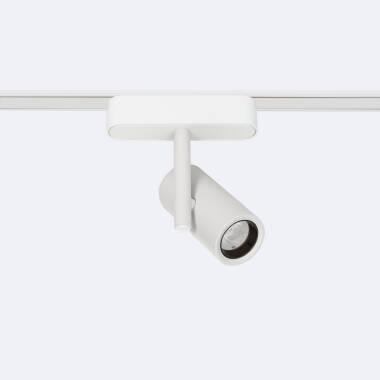
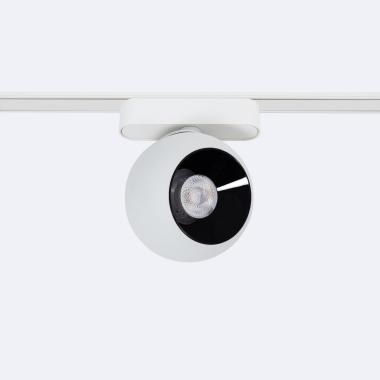
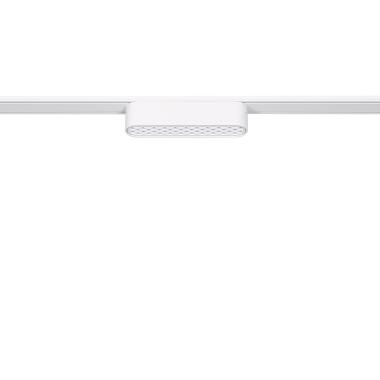
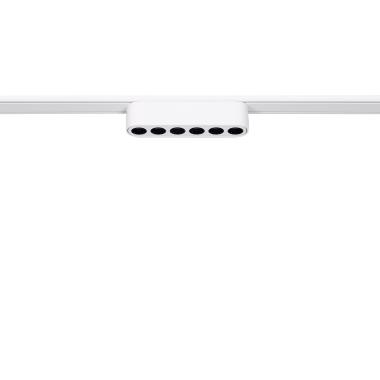
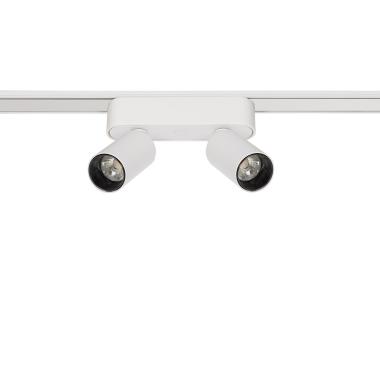
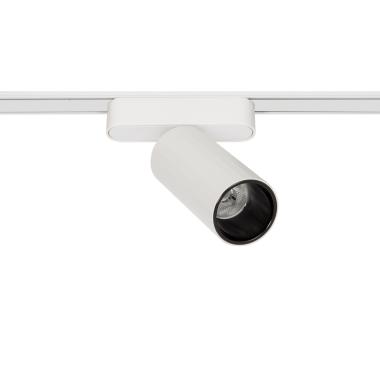
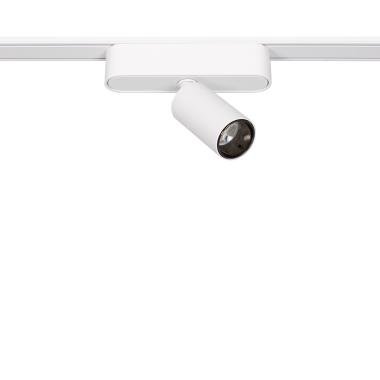
AluminiumQuartz 8W LED Spotlight for 25mm SuperSlim 48V Magnetic Track White
In Stock, delivery in 15-20 days
- Wattage 8 W
- Voltage Range 48V DC
- Lumen 618 lm
2 options 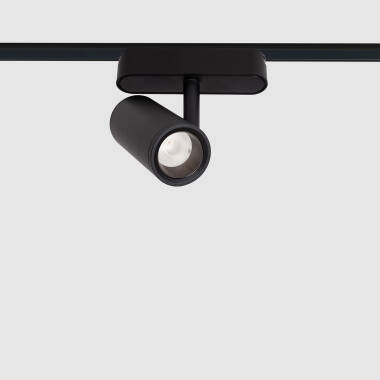
Essential
£23.99
Ref 98379
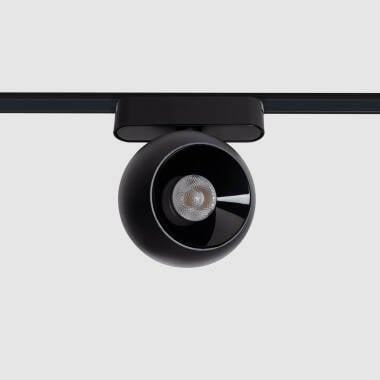
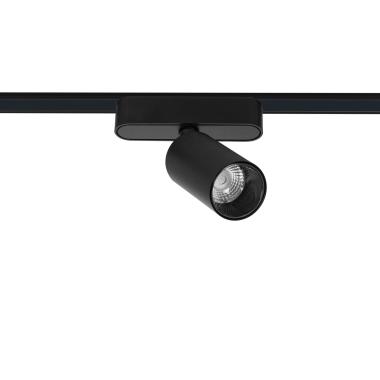
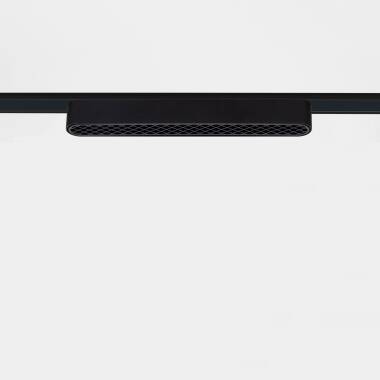
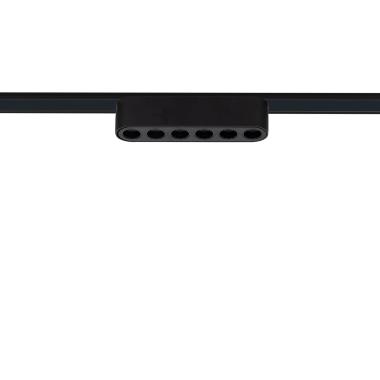
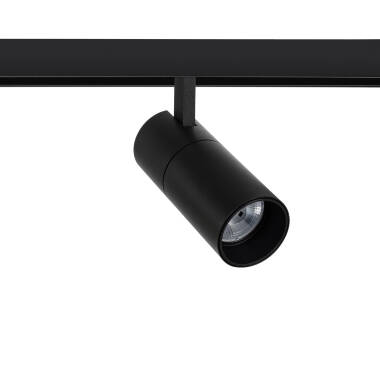
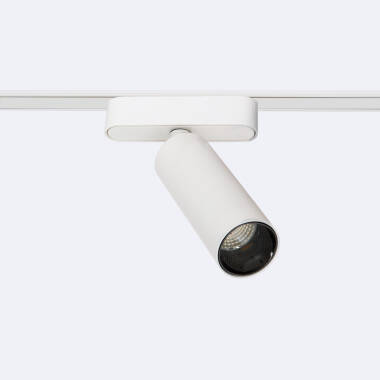
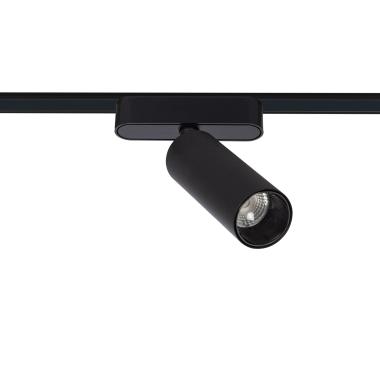
AluminiumQuartz 8W LED Spotlight for 25mm SuperSlim 48V Magnetic Track Black
In Stock, delivery in 16-21 days
- Wattage 8 W
- Voltage Range 48V DC
- Lumen 618 lm
Essential
£56.99
Ref 98394
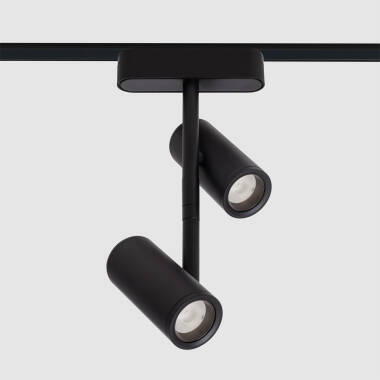
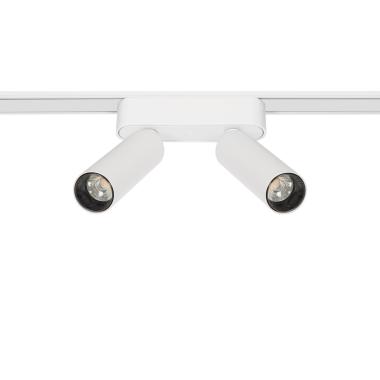
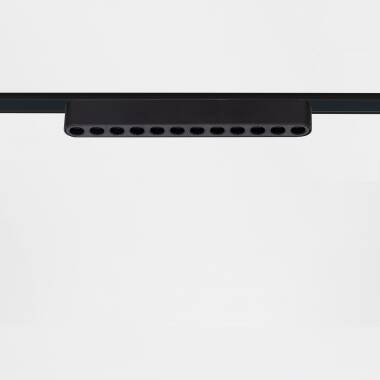
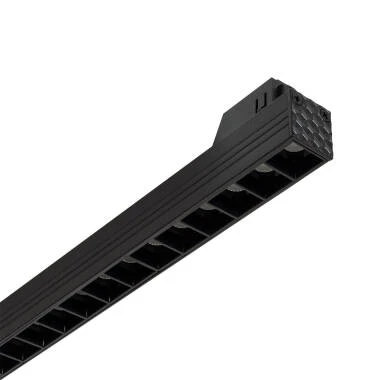
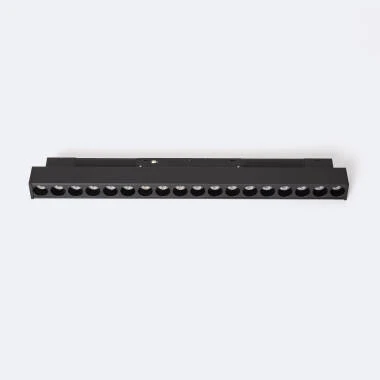
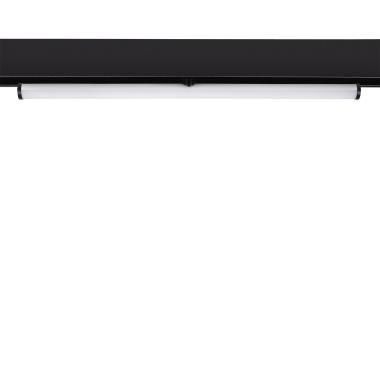
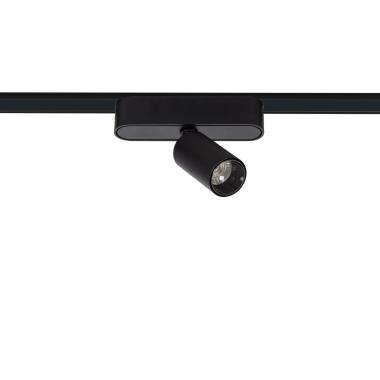
AluminiumMadat 16W LED Spotlight for 25mm SuperSlim 48V Magnetic Track Black
In Stock, delivery in 16-21 days
- Wattage 16 W
- Voltage Range 48V DC
- Lumen 860 lm
2 options- -11%
Essential
Before £36.99
£32.79
Ref 98354
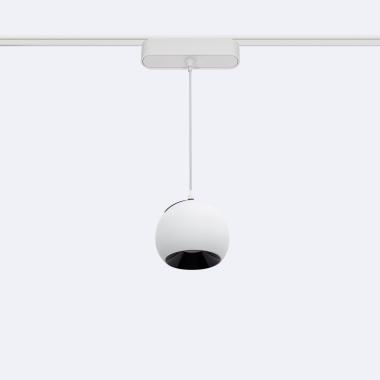
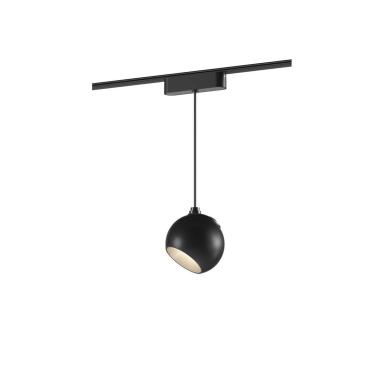
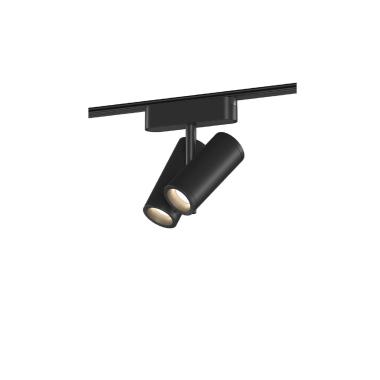
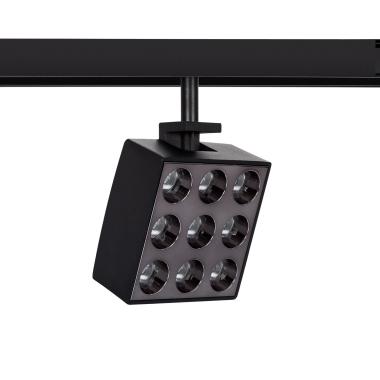
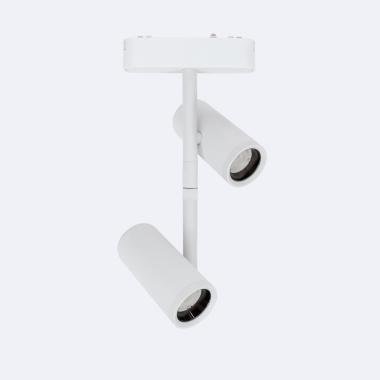
AluminiumConcave 12W Pendant LED Spotlight Ø100 mm for 25mm SuperSlim 48V Magnetic Track White
In Stock, delivery in 15-20 days
- Wattage 12 W
- Voltage Range 48V DC
- Lumen 980 lm





About Spotlight for Magnetic track
Magnetic systems are increasingly used in residential projects, retail, hospitality and interior design because they allow for more flexible lighting with a cleaner visual integration. Compared to more visible track systems, they offer a more discreet solution that is easier to adapt when layouts, furniture or lighting needs change.
What are magnetic track LED spotlights?
Magnetic track LED spotlights are luminaires installed on an electrified profile using a magnetic fixing system. This format allows luminaires to be positioned, removed or reorganised much more easily than with other systems, always within the compatibility of the track itself. This is why they are increasingly used in projects where the lighting layout needs to be adjusted quickly and without complicating the installation.
Unlike a conventional track mainly designed for accent projectors, magnetic systems usually work as a complete family of luminaires. Within the same track run, adjustable spotlights, linear modules, wall washers or suspended fixtures can coexist. This modularity allows for more precise lighting and a more visually consistent overall result.
In addition, this type of track spotlight integrates particularly well into projects where aesthetics play an important role. The profile can be surface-mounted, suspended or recessed depending on the system. In contemporary spaces, this cleaner integration is one of the reasons why magnetic systems are becoming increasingly popular.
Why choose magnetic track LED spotlights?
The main advantage of this system is that it combines flexibility with a refined aesthetic. Spotlights can be moved along the track, reconfigured by zone and combined with other compatible luminaires without having to redo the installation. This makes it easy to adapt the lighting scene to changes in use, furniture or layout with minimal effort.
It also helps organise the lighting design more effectively. Instead of mixing different luminaires without a common logic, magnetic track systems allow you to work with a single linear infrastructure and build different layers of lighting around it. In a residential project, it can solve circulation lighting, general lighting and decorative accents. In a retail store or showroom, it can highlight products, perimeters and pathways without visually overloading the ceiling.
Another important aspect is how well it integrates into the architecture of the space. In well-designed systems, the magnetic track is not seen simply as a technical support element, but as part of the overall architectural concept. This is especially useful in minimalist interiors, high-end projects and spaces where technically precise yet visually discreet lighting is required.
Types of magnetic track LED spotlights
Within a magnetic system, not all spotlights serve the same purpose. It is useful to differentiate them both by the role they play within the project and by the track width they are designed for.
By application
Beyond the design of the module itself, the important thing is to understand the role it will play within the overall lighting scheme. A spotlight designed to highlight a product does not fulfil the same function as one intended to support a more uniform base layer of light.
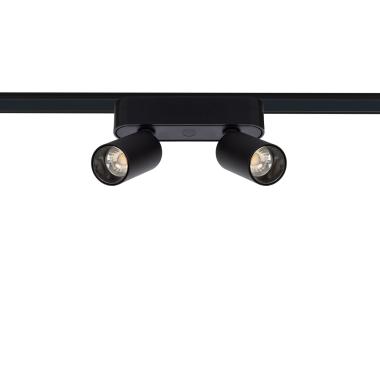
Adjustable accent spotlights. These are the most common option when the goal is to highlight a specific point in the space, such as a table, artwork, display unit or architectural feature. They usually work with relatively narrow or medium beam angles depending on the desired effect and allow light to be directed precisely without adding excessive visual volume to the overall system. In retail, exhibition spaces or residential projects, this format helps create visual hierarchy and contrast against a more uniform lighting base.
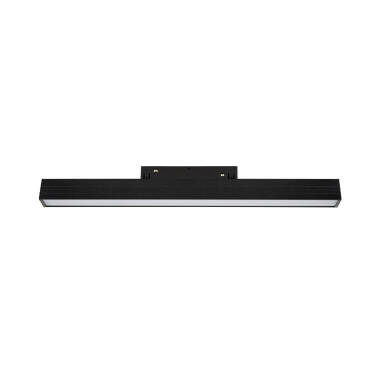
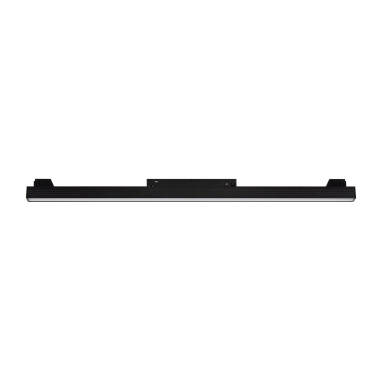
Adjustable linear spotlights. In some systems, the spotlight is not designed as a single fixture but as a linear module with multiple adjustable light points. This solution is especially interesting when a more continuous aesthetic along the track is desired while still maintaining directional lighting capabilities. They are mainly used in spaces where a cleaner and more organised visual appearance is important without sacrificing lighting flexibility.
General lighting modules combined with spotlights. Although adjustable spotlights are one of the most recognisable elements of the system, magnetic tracks usually perform best when combined with other modules. Linear general lighting modules help create an even base layer of light, leaving spotlights for accents or specific highlights. This approach generally produces a more balanced result and avoids ceilings that feel overloaded or lighting scenes that appear unnatural.
By track width
In magnetic systems, the width of the track defines the entire system: compatibility between luminaires, track and accessories. For this reason, it is important to choose the right format from the start and maintain it throughout the installation. The most common formats are:
20mm magnetic track LED spotlights are installed on a taller track profile with an appearance closer to conventional track systems. They are a good option when a magnetic system is desired but with a more visible technical presence on the ceiling or wall.
25mm magnetic track LED spotlights are installed on ultra-slim tracks with a more minimalist and refined appearance. They fit particularly well into projects where the visual integration of the system is especially important and where the goal is for the track to blend more discreetly into the architecture.
How to choose magnetic track LED spotlights
Choosing a magnetic spotlight should not be based solely on the appearance of the module. In this type of system, compatibility, lighting function and track format are just as important as the design itself.
Type of space and lighting objective
A residential project, retail store, restaurant or corporate reception area do not require the same approach. In a living room or open-plan kitchen, it may make sense to combine linear modules with a few accent spotlights. In retail environments, products, walls or circulation areas often need to be reinforced. In hospitality projects, the balance between atmosphere and visual hierarchy becomes especially important.
Clearly defining the role of each area helps select the right spotlight and achieve a better balance between general and directional lighting.
Power, lumens and ceiling height
In interior spaces, many magnetic spotlights operate within moderate power ranges, but the important factor remains the useful light output and how it is distributed. In residential ceiling heights of 2.5 to 3 metres, the same intensity is not required as in a showroom with higher ceilings or a large reception area where the light needs to cover more surface.
Rather than focusing on higher wattages, it is more useful to evaluate whether the spotlight delivers an appropriate amount of light for the distance to the illuminated surface and the role it will play within the overall design. In magnetic systems, the final result usually depends more on the balance between modules than on increasing the power of each individual fixture.
Beam angle, aiming and visual comfort
Beam angle has a direct impact on the final lighting effect. Narrower beams help highlight objects or specific areas, while wider beams work better for broader surfaces or general reinforcement lighting. In every case, the aiming system should allow the light to be directed naturally without creating unnecessary glare.
This is especially important in residential and hospitality environments, where visual comfort matters just as much as aesthetics. A lighting installation that looks impressive but feels uncomfortable quickly loses value in everyday use.
Compatibility with magnetic tracks and accessories
Before choosing a luminaire, it is important to ensure it belongs to a consistent system with the corresponding magnetic tracks and accessories. In this type of product, compatibility is essential because the width of the track defines the entire system, including fixing methods, accessories and luminaire compatibility. This is not a matter of electrical performance, but of system format and compatibility between components.
Working with a clearly defined system avoids fitting issues, future expansion limitations and unwanted inconsistencies between different elements.
Common applications for magnetic track LED spotlights
This system stands out especially in projects where lighting needs to integrate into the architecture while remaining flexible over time.
Residential spaces
In living rooms, open-plan kitchens, hallways or bedrooms, magnetic tracks make it possible to solve multiple lighting functions with a single infrastructure. They can provide general lighting through linear modules while reinforcing specific areas with adjustable spotlights, all while maintaining a clean and contemporary appearance.
In this context, their value lies both in the quality of the light and in how naturally they integrate into the space. They are particularly appreciated in minimalist interiors.
Retail and showrooms
In retail stores and exhibition spaces, magnetic systems are useful when a refined aesthetic is required without sacrificing flexibility. Spotlights can be repositioned, lighting scenes reorganised and different modules combined along the same track run, which is especially useful in spaces where collections or layouts frequently change.
In addition, the possibility of combining linear lighting and accent spotlights helps create a more complete and less rigid lighting scheme than one based exclusively on individual spot projectors.
Hospitality and contract spaces
In restaurants, hotels, lounge areas or reception spaces, magnetic spotlights provide a more discreet technical presence and allow lighting scenes to be adjusted more precisely. Tables, counters, artwork or architectural features can be highlighted without visually overloading the ceiling.
When the project places special emphasis on interior design, this cleaner integration creates a noticeable difference compared to more visible systems.
Offices, studios and creative spaces
In contemporary offices, studios and multifunctional spaces, magnetic tracks can handle work areas, circulation zones and meeting points using the same visual language. Their modularity makes it easier to adapt to layout changes while helping keep ceilings visually cleaner and more organised.
What to consider during installation
Magnetic track planning should be approached as a complete system. It is not only about deciding where each spotlight will go, but also about planning the track layout, the proportion between modules, the mounting type and the compatibility between all components. When this is properly resolved, the installation becomes more coherent and easier to adapt over time.
It is also important to consider maintenance and future reconfiguration. One of the real advantages of magnetic systems is the ability to move luminaires easily, but this only works properly if the track layout has been designed logically and with enough flexibility.
In recessed projects, coordination with the construction work from the beginning is especially important. The track becomes part of the architecture itself, and any improvised changes later on can significantly complicate the final result.
Frequently asked questions about magnetic track LED spotlights
What is the difference between a magnetic track and a conventional track?
The main difference lies in the integration and modularity of the system. Magnetic tracks usually offer a cleaner appearance and faster luminaire positioning within their own ecosystem. They also make it possible to combine spotlights and other modules with a more continuous overall look.
Which is better, 20 mm or 25 mm?
Neither size is objectively better, but there is a clear difference in format and aesthetics. 25 mm systems use ultra-slim tracks and usually fit better into highly minimalist projects where especially discreet integration is desired. 20 mm systems, on the other hand, use a taller track with an appearance closer to conventional track systems. In terms of electrical concept or overall system possibilities, there is no fundamental difference between them; the important thing is choosing correctly from the beginning because the width defines the compatibility of the entire system.
Can the spotlights be moved after installation?
Yes, this is one of the main advantages of the system. Spotlights can be repositioned within the track and reorganised as the layout or use of the space changes, always within the compatibility of the system itself.
Are they suitable for general lighting or only accent lighting?
They can perform both functions, although they generally provide the best results when combined with other modules within the system. Adjustable spotlights work very well for accents or targeted reinforcement, while linear modules help create a more uniform base layer of light.
Does it make sense to install magnetic spotlights in residential spaces?
Yes, especially in contemporary projects where flexible lighting and refined visual integration are important. In living rooms, open-plan kitchens, hallways or bedrooms, the system combines design, order and adaptability.
Why is it important to choose the complete system correctly?
Because in magnetic lighting, choosing an attractive luminaire is not enough. Good results depend on consistency between spotlight, track and accessories, and on always working within the same system width. When the complete set of magnetic tracks and accessories] is properly defined, the installation performs better, becomes easier to expand and maintains a consistent aesthetic.