
Magnetic LED Track and accessories
Magnetic tracks and accessories make it possible to create flexible, clean and easy-to-adapt lighting systems for projects where visual integration and overall system compatibility are essential.
Our featured products from Magnetic LED Track and accessories
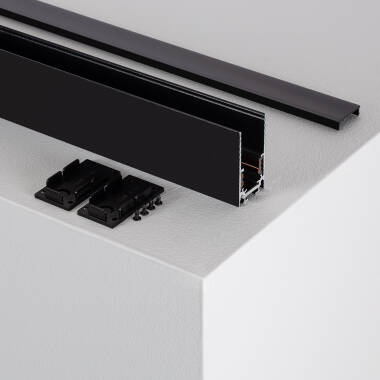
Advanced
£17.99
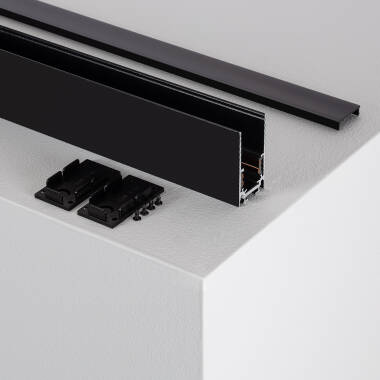
- Voltage Range 48V DC
- Dimensions 50 mm x 1000 mm x 27 mm
- Width 1000 mm
- -11%
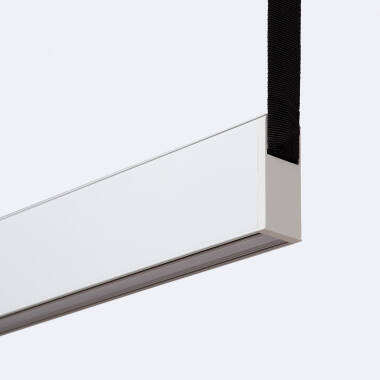
Before £84.99
£75.99
Ref 127689
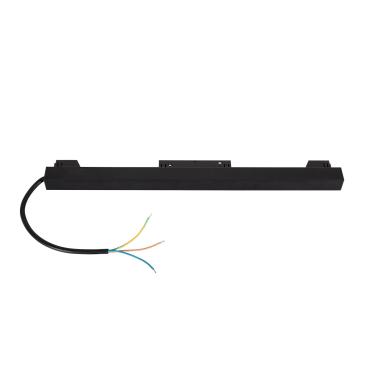
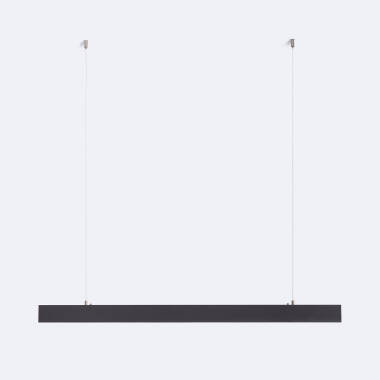
AluminiumSuwis 30W LED Linear Bar 120cm with Magnetic Track 20mm
In Stock, delivery in 16-21 days
- Wattage 30 W
- Voltage Range 48V DC
- Lumen 2700 lm
2 options 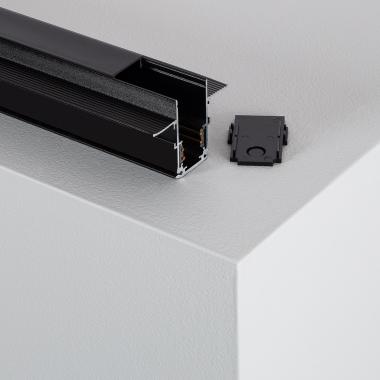
Advanced
£31.19
- Voltage Range 48V DC
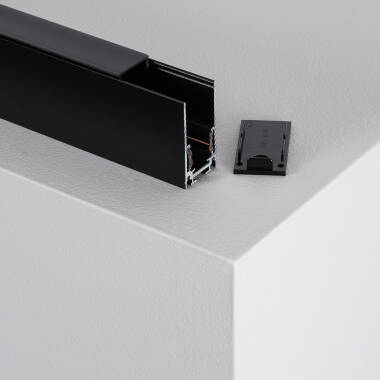
- Dimensions 48 mm x 63 mm x 2000 mm
- Width 63 mm
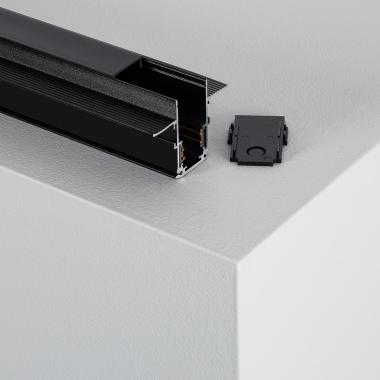
Advanced
£17.99
 (1)
(1)- Voltage Range 48V DC
- Dimensions 48 mm x 1000 mm x 63 mm
- Width 1000 mm





You may also be interested in
About Magnetic LED Track and accessories
In technical lighting and interior design, the result does not depend solely on the luminaire itself. The structure it is installed on, the ability to reorganise the system and the consistency between all components are equally important. This is why magnetic tracks and their accessories are considered part of the project from the very beginning, especially in spaces where lighting needs to integrate seamlessly into the architecture while remaining flexible over time.
What are magnetic tracks and accessories?
Magnetic tracks are electrified profiles designed to house compatible luminaires using a magnetic fixing system. Compared to more visible or rigid formats, they allow lighting layouts to be configured in a cleaner and more modular way. The system can incorporate spot projectors, linear modules, wall washers or suspended elements, always within the compatibility of the same range.
When talking about tracks and accessories, this does not refer only to the main profile. The system also includes power feeds, connectors, end caps, suspension kits, recessed components and other elements that make it possible to adapt the layout to the actual architecture of the space. Without these accessories, the track loses much of its ability to create a complete and well-integrated installation.
In magnetic systems, the track is also more than just a support element. It defines the compatibility of the entire setup. The width of the profile determines which luminaires can be installed, which accessories fit and how the installation can be expanded in the future. This is why it is important to define the system correctly from the start.
Why choose a magnetic track system?
Magnetic tracks are increasingly used in residential, retail, hospitality and professional projects because they combine flexibility with exceptionally clean visual integration. The ability to move luminaires, reconfigure lighting points and combine different modules within the same track layout makes this system especially useful when spaces evolve over time or when lighting needs to be adjusted with precision.
They also help create a cleaner ceiling or wall design. Instead of mixing different luminaires with unrelated solutions, magnetic tracks allow designers to work with a shared infrastructure and build multiple lighting layers from it. This simplifies the overall design and creates a more coherent visual reading of the space.
Another important aspect is the aesthetic quality of the system. In contemporary, minimalist or carefully designed interior projects, magnetic tracks fit naturally because they offer a more discreet technical presence. Depending on the chosen format, the result can range from an extremely minimal line to a slightly more visible solution, but always with a cleaner visual logic than conventional systems.
Elements that make up a magnetic track system
Although the system may appear visually simple, achieving a good result depends on several components working together correctly. Understanding the role of each element helps ensure better choices and prevents compatibility issues.
Magnetic track
This is the foundation of the system. It can be surface-mounted, suspended or recessed depending on the range and type of project. Its role is not only to supply power to the luminaires, but also to define the overall format of the installation and the compatibility with all remaining components.
One important concept should be clearly understood here: the width of the track defines the entire system. It is not just a dimensional detail. It affects fixing methods, compatibility between modules and accessories, and the ability to expand the installation later without mixing incompatible parts.
Power feeds and connectors
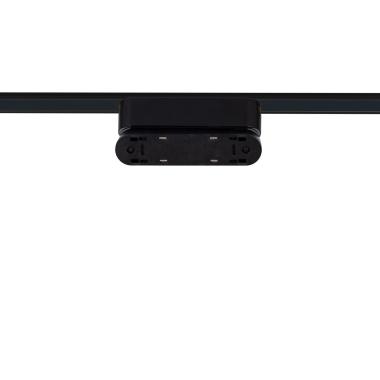
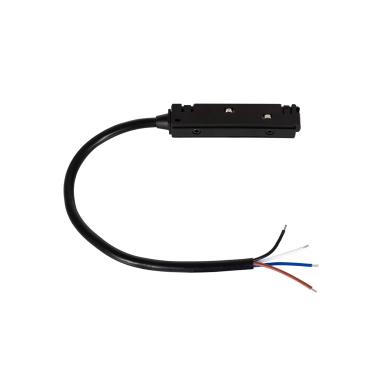
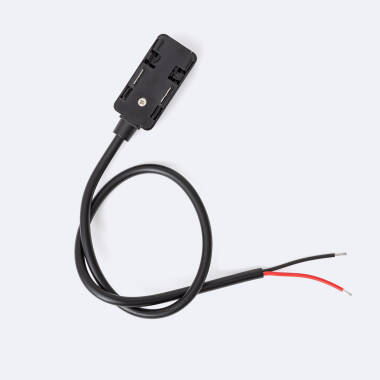
The power feed introduces electricity into the track and should be selected according to the layout, mounting type and project logic. It can be positioned at the end or at an intermediate point depending on the configuration of the system.
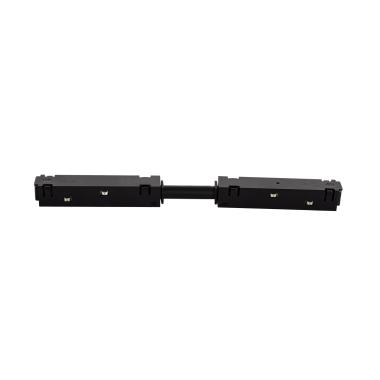
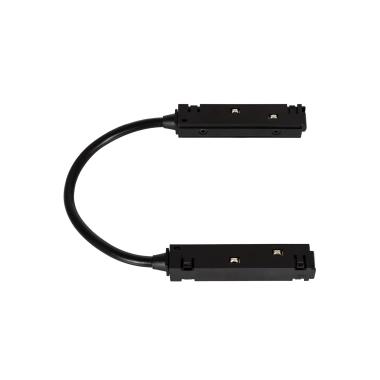
Connectors allow different sections to be joined while maintaining continuity between components. In well-designed installations, these joints do more than solve assembly requirements — they also help maintain a clean finish and a more organised structure.
Joints and routing components
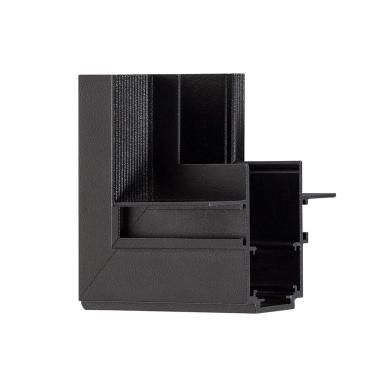
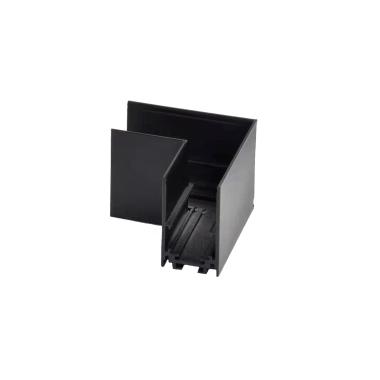
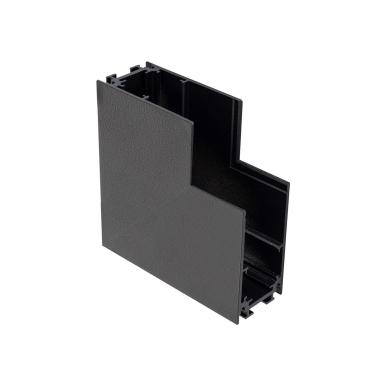
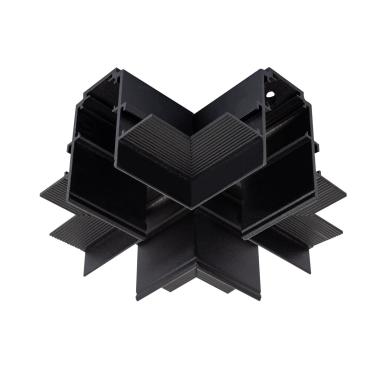
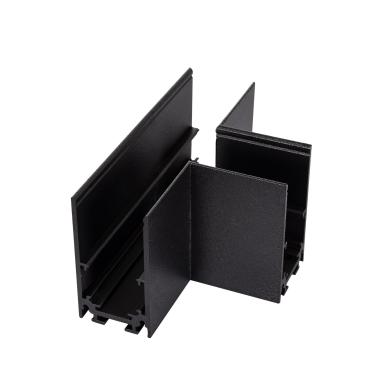
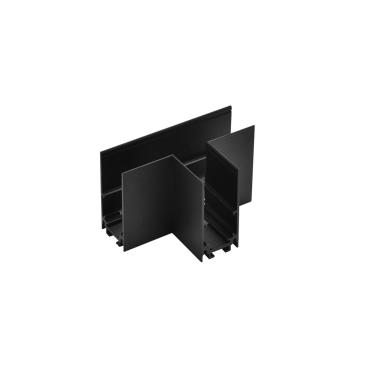
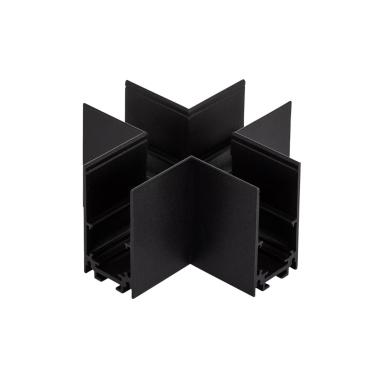
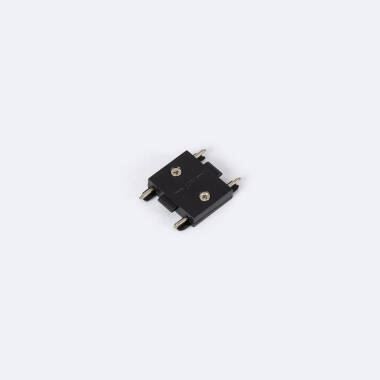
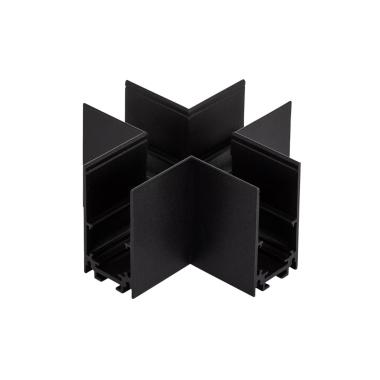
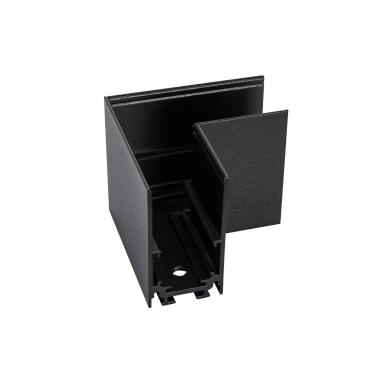
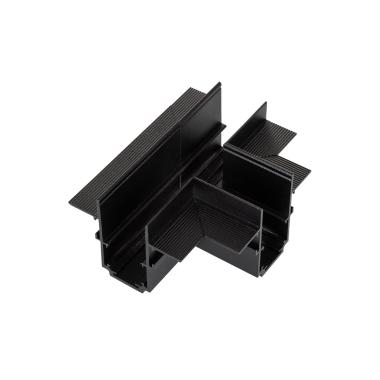
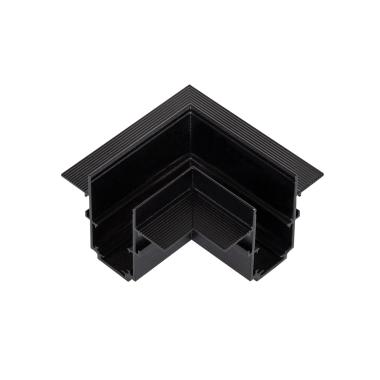
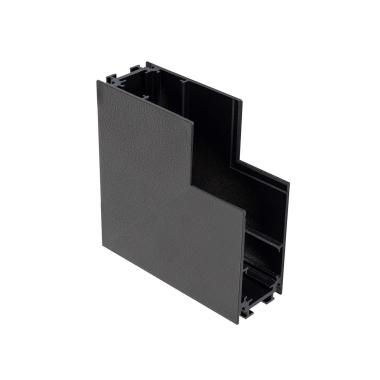
Depending on the architecture of the space, the track may require straight, L-shaped, T-shaped or cross connectors. These components allow the installation to adapt to perimeters, changes of direction, branches or more complex layouts.
They are not simply finishing pieces. They must also ensure mechanical continuity and full compatibility with the chosen profile. When a connector does not fit correctly or does not belong to the same system, gaps, assembly issues or an untidy final result can easily appear.
End caps, suspension and recessed components
End caps close the track when the run ends and help complete the installation safely and neatly. Suspension kits allow the system to be lowered when the light needs to be brought closer to the functional plane or when the project seeks a lighter visual presence in spaces with high ceilings.
In recessed systems, specific profiles and components are also required to integrate the track into the architecture from the construction phase. This type of installation requires greater planning but delivers an especially clean result when executed correctly.
How to choose magnetic tracks and accessories
The choice of system should not be based only on the finish or shape of the profile. In magnetic track systems, compatibility, mounting type and the role of lighting within the project are just as important as aesthetics.
Track format and system compatibility
In magnetic systems, the width of the track defines the compatibility of the entire setup. It determines which luminaires can be installed, which accessories fit and how the installation can grow in the future. For this reason, the format should be chosen correctly from the beginning and maintained throughout the entire system.
The most common formats are 20 mm and 25 mm. 25 mm systems use ultra-slim tracks and generally integrate better into highly minimalist projects where especially discreet integration is desired. 20 mm systems, by contrast, use a taller track with an appearance closer to conventional track systems. This is not a difference in electrical performance, but rather in format, aesthetics and compatibility between components.
Mounting type
Magnetic tracks can be surface-mounted, suspended or recessed. The choice depends on the architecture of the space, ceiling height and the level of visual integration required.
In residential projects or spaces with clean ceilings, recessed installation can offer the most discreet result. In spaces with exposed services or high ceilings, suspended installation can help bring the light closer to the useful plane while giving the system more visual presence without losing order.
Layout and future expansion planning
A short line in a hallway does not require the same approach as a continuous run in a retail store or restaurant. Defining the layout correctly from the beginning helps ensure the right connectors, power feeds and expansion points are selected.
This is particularly useful in projects that evolve over time. If the system is designed with sufficient flexibility, expanding, reorganising or replacing modules later becomes much easier.
Compatibility with luminaires
Before selecting a profile, it is important to ensure compatibility with magnetic track LED spotlights and any additional modules intended for the installation. In this type of system, mixing references from different widths or incompatible ranges usually creates fitting issues and limits future expansion possibilities.
Working with a clearly defined system simplifies installation, avoids undesirable differences between components and helps maintain a coherent aesthetic throughout the project.
Common applications for magnetic tracks
The value of this system becomes clearer when analysed in real use. Its advantage lies not only in the technical aspect, but also in how naturally it integrates and adapts to the space.
Residential spaces
In living rooms, open-plan kitchens, hallways or bedrooms, magnetic tracks make it possible to solve multiple functions with a single infrastructure. They can combine linear modules for general lighting with magnetic track spotlights for accents or targeted reinforcement, while maintaining a contemporary and organised appearance.
Retail and showrooms
In retail stores and exhibition spaces, magnetic systems are especially useful when a refined aesthetic is required without sacrificing flexibility. They allow luminaires to be repositioned, lighting scenes reorganised and layout changes accommodated more easily than with more rigid systems.
Hospitality and contract spaces
In restaurants, hotels or reception areas, magnetic tracks help create lighting scenes that are more precise and better integrated into the architecture. They also make it possible to combine different luminaires within the same track layout without visually overloading the ceiling.
What should be considered during installation?
A magnetic track installation should always be planned as a complete system. It is not only about fixing a profile and adding luminaires, but also about anticipating the layout, joints, mounting type and compatibility between all components.
It is also important not to improvise with accessories from other formats or dimensions. In magnetic systems, a difference in width is not a minor detail. It can exclude certain luminaires, prevent the installation of specific accessories or complicate future expansions.
In recessed projects, coordination with the construction work is especially important. The earlier the system is defined, the cleaner the final result will be and the fewer limitations will appear during installation.
Frequently asked questions about magnetic tracks and accessories
What is the difference between a magnetic track and a conventional track?
The main difference lies in integration and modularity. Magnetic tracks provide a cleaner installation and make it easier to combine different luminaires within the same system, provided they are compatible with the selected profile.
Which is better, 20 mm or 25 mm?
Neither format is objectively better. 25 mm tracks are ultra-slim and generally fit better into highly minimalist projects. 20 mm tracks are taller and have an appearance closer to conventional track systems. The important thing is to choose correctly from the start because that width defines the compatibility of the entire system.
Are the accessories universal?
No. In magnetic track systems, compatibility between the profile, accessories and luminaires depends on the system itself. This is why it is important to work with components designed for the same width and the same product range.
Can a magnetic track installation be expanded later?
Yes, provided system compatibility is maintained. If the track, joints and accessories have been selected correctly from the beginning, extending the layout or adding new luminaires becomes much easier.
Which accessories are usually essential?
It depends on the layout, but normally at least the track, power feed, end caps and fixing, suspension or recessed mounting components are required according to the installation type. Additional joints are then incorporated depending on the actual project configuration.
Why is it important to choose the complete system correctly?
Because in magnetic lighting, it is not enough for the profile to simply have a good design. Good results depend on consistency between the track, luminaires and accessories. When the entire system is properly defined, the installation performs better, is easier to expand and maintains a much cleaner visual appearance.