
Hallway wall lights
Hallway wall lights provide orientation, safety and ambient light in passage areas, helping to create more comfortable and visually refined routes.
Our featured products from Hallway wall lights
- -57%
Before £32.99
£14.19
Ref 98802
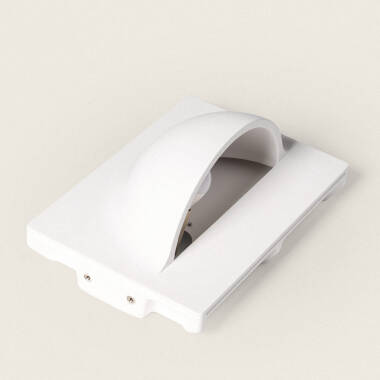
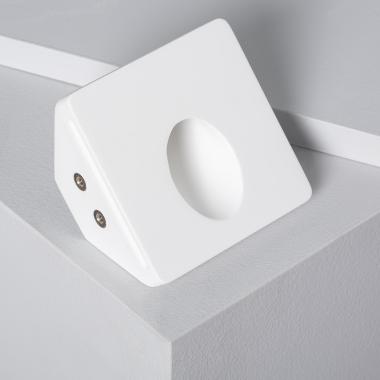
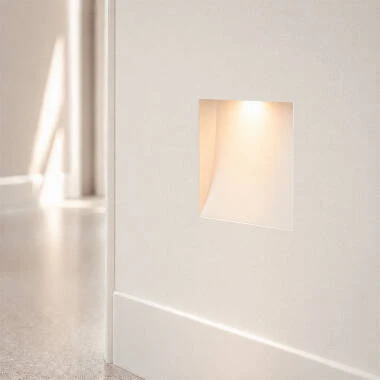
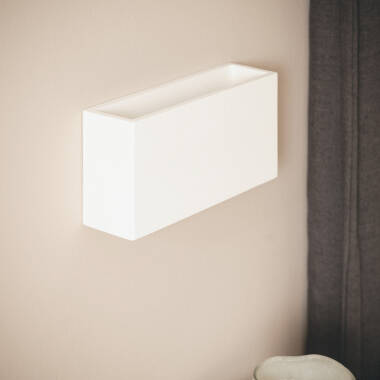
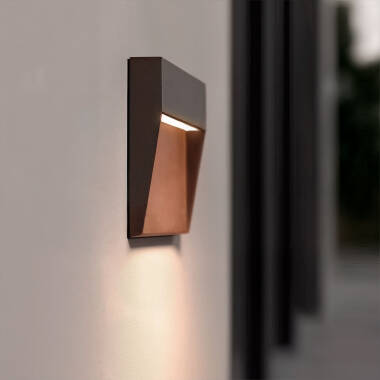
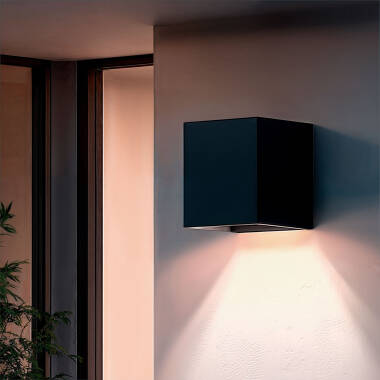
Wall Light Integration Plasterboard for E14 LED Bulb 283x283 mm Cut Out
White
In Stock, delivery in 24/48h
- -31%
Before £70.99
£48.99
Ref 98799
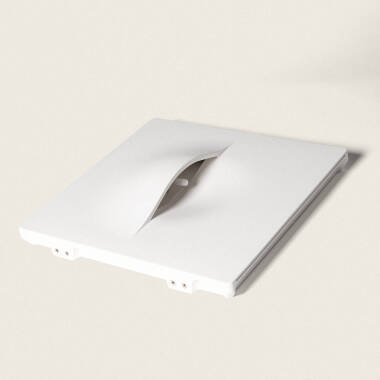
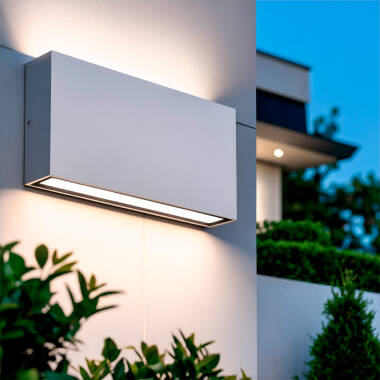
Plaster-In Integrated Wall Light for G9 Bulb 403x403mm Cut Out
White
In Stock, delivery in 24/48h
£31.79
Ref 87915
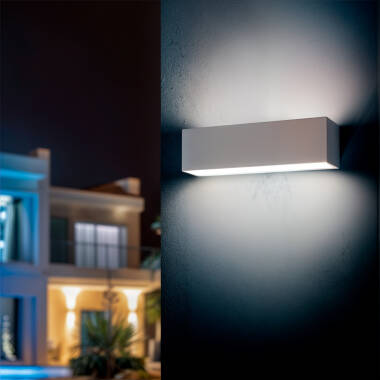
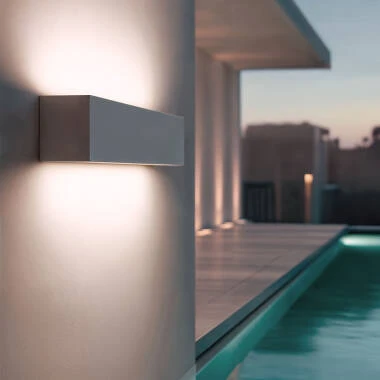
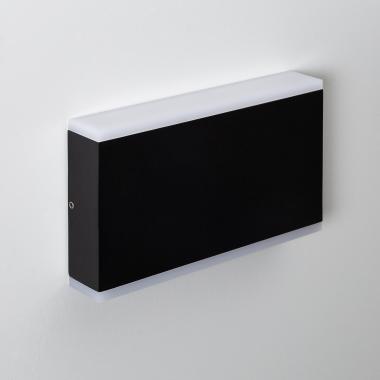
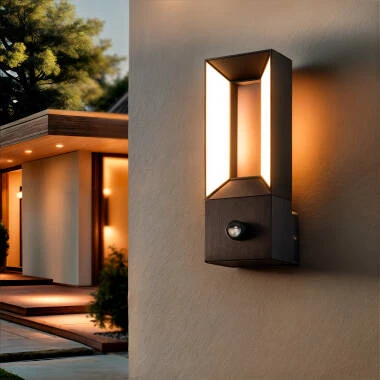
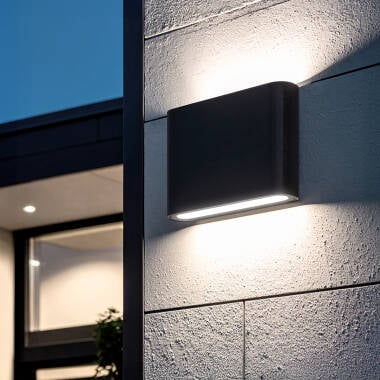
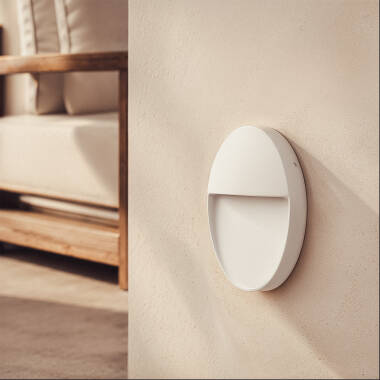
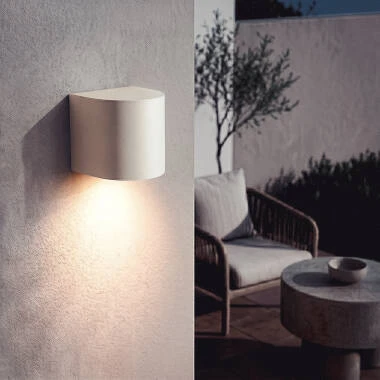
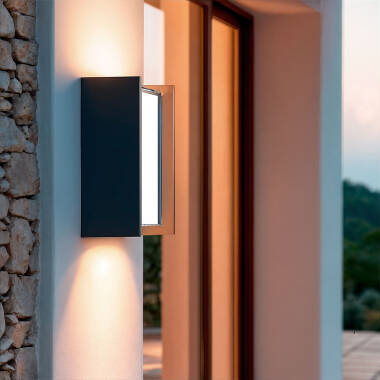
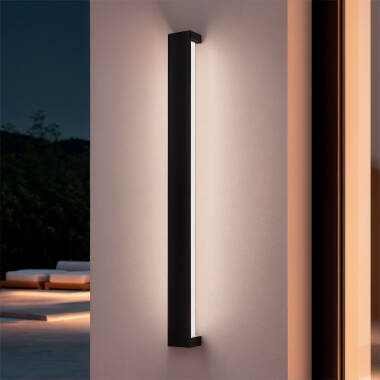
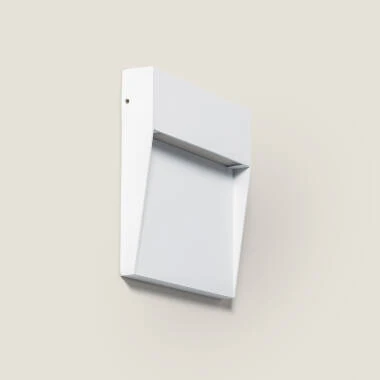
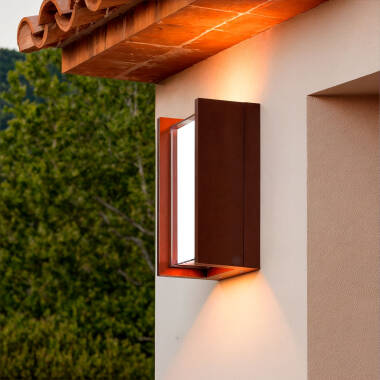
AluminiumLena 10W Rectangular Outdoor Double Sided Aluminium LED Wall Light White
Cool White 4000K
In Stock, delivery in 15-20 days
£31.79
 (4)
(4)GaleoRef 87917
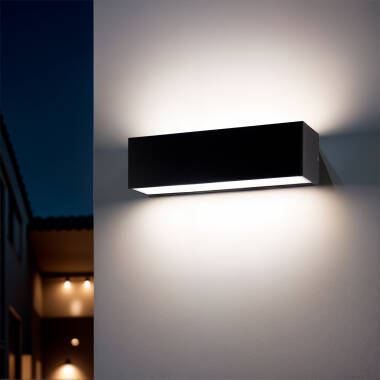
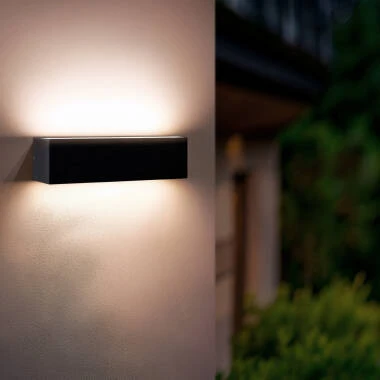
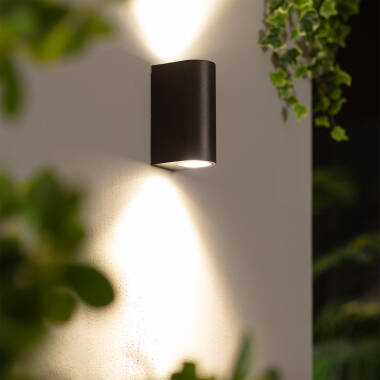
AluminiumLena 10W Rectangular Outdoor Double Sided Aluminium LED Wall Light Black
Cool White 4000K
In Stock, delivery in 15-20 days




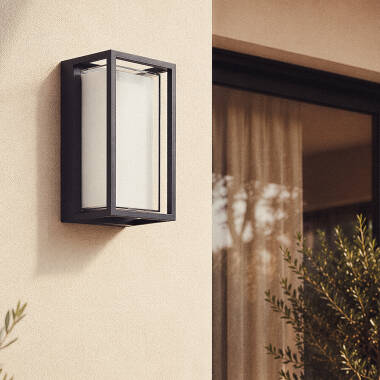
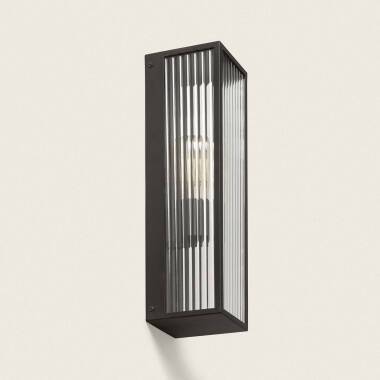
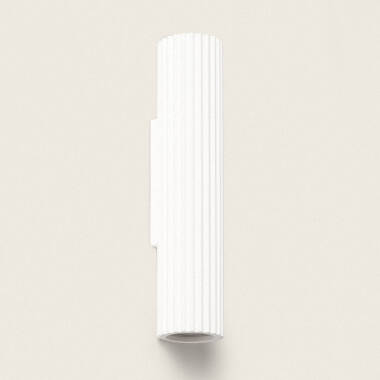
You may also be interested in
About Hallway wall lights
In a hallway, lighting has a very specific function: to guide movement without glare, avoid dark areas and make a usually narrow or elongated space feel more pleasant. Hallway wall lights make it possible to distribute light along the wall, creating a warmer and more ordered feeling than that usually provided by a single ceiling light point.
Wall lights stand out for their ability to illuminate without taking up usable space. They are especially practical in homes, hotels, residential buildings, offices or transit areas where comfortable, repeated lighting that is well integrated into the architecture is needed.
What wall lights add to hallway lighting
Wall lights help transform a hallway into more than just a passage area. By placing light on the walls, the route gains depth, visual rhythm and a more welcoming feeling. This is especially useful in long, narrow hallways or those without natural light.
They also improve safety. Well-distributed side lighting makes it easier to recognise doors, corners, changes of direction, auxiliary furniture or small changes in level. Excessively powerful light is not necessary, but regular distribution is needed to avoid dark areas between luminaires.
In addition, wall lights can have a decorative function. In hallways with paintings or photographs, they help highlight the wall and create a more carefully designed route. In this context, picture lights can be used when the aim is to illuminate a specific artwork with greater precision.
If a more architectural solution is desired, wall-integrated lights can also be used, completely flush with the surface and without protruding elements. This not only improves the aesthetics of the hallway, but also avoids obstacles in narrow passage areas. In addition, they offer soft, continuous lighting that naturally guides movement, providing safety and visual comfort without glare.
Orientation without glare
In hallways, visual comfort is essential because people pass close to the luminaires. A wall light that is too powerful, protrudes too much or has a visible light source can feel uncomfortable, especially in narrow hallways.
For this reason, models with an opal diffuser, indirect light, upward and downward emission or shades that soften the light work well. The lighting should accompany the route, not invade it. In essence, these are similar criteria to those that can be applied to staircase wall lights.
Where to place wall lights in the hallway
Placement defines both aesthetics and functionality. In a hallway, a poorly placed wall light can cause glare, obstruct movement or leave dark areas. Before installation, it is worth assessing the width of the hallway, the ceiling height, the colour of the walls and the presence of doors or pictures.
They are usually placed at mid-height, between 150 and 180 cm from the floor, following a regular line along one wall or alternating points if the hallway is very long. If lighting closer to the floor is desired, wall marker lights are a better option.
Spacing between wall lights
The distance between wall lights depends on the luminous flux, the beam angle and the desired effect. As a general reference, spacing of 2 to 3 metres usually works in many domestic hallways.
In very long hallways, maintaining regular spacing helps create continuity. In short hallways, one or two well-placed points may be enough. If the walls are dark or the wall light has low output, it is advisable to reduce the distance to avoid shadows.
The key is to avoid harsh contrasts. A hallway with very intense points and dark intermediate areas can feel less comfortable than one with several moderate light points.
Recessed and linear alternatives
In addition to traditional wall lights, there are integrated solutions that work very well in hallways and staircases. One of the most common is LED strips installed in skirting boards, mouldings, false ceilings or perimeter lines to provide continuous, soft light. They are especially useful when indirect, modern lighting without visible luminaires is desired.
These solutions do not always replace wall lights, but they can be combined with them. A hallway can have decorative wall lights on the wall and a supporting LED line in the skirting board or ceiling, creating more complete and flexible lighting.
Frequently asked questions about hallway wall lights
At what height should hallway wall lights be placed?
They are usually installed between 150 and 180 cm from the floor. This height allows the light to be distributed well and prevents them from being too low. In narrow hallways, it is advisable to choose low-profile models so they do not interfere with movement.
How many metres apart should they be placed?
As a reference, spacing of 2 to 3 metres usually works in domestic hallways. The distance can be reduced if the walls are dark or if the wall lights have low luminous flux. In short hallways, one or two well-placed points may be enough.
How many lumens does a hallway wall light need?
For domestic use, between 300 and 700 lumens per wall light is usually sufficient. If several points are installed, it is preferable for the light to be moderate and uniform. In more functional passage areas, residential buildings or access points to staircases, it may be necessary to increase the lighting level.
What colour temperature is best for hallways?
In homes, 2700K or 3000K provide warm and pleasant light. In more functional hallways, 4000K can provide greater clarity. It is advisable to maintain coherence with the connected rooms to avoid abrupt changes in atmosphere.
Are wall lights or wall-integrated lights better?
It depends on the desired effect. Wall lights are more decorative and provide visual presence; wall-integrated lights are more discreet and work very well as orientation lighting. In many projects they can be combined: wall lights to create ambience and integrated lights to mark the route.
What option should be chosen for hallways with stairs?
When the hallway connects with a staircase, visibility at the change in level should be reinforced. Wall lights, stair marker lights or recessed lights can be used. The priority is for the steps to be clearly visible and for the light not to cause glare when going up or down.