
Nordic Wall Lamps

Pendant
Show All

Table
Show All

Floor
Show All

Wall
Show All

Ceiling
Show All


Our featured products from Nordic Wall Lamps
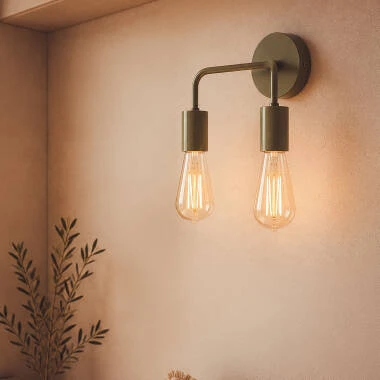





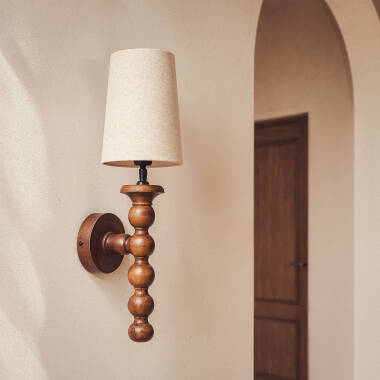


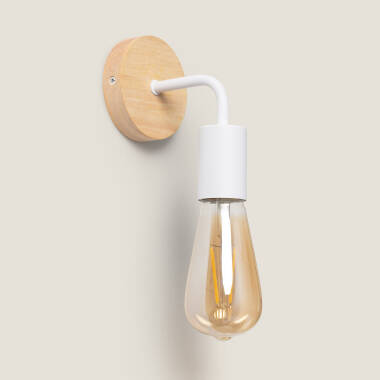

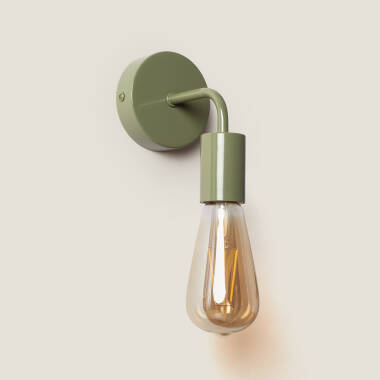
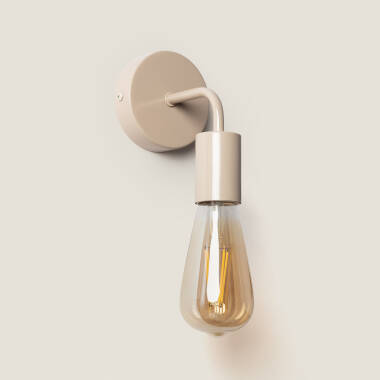
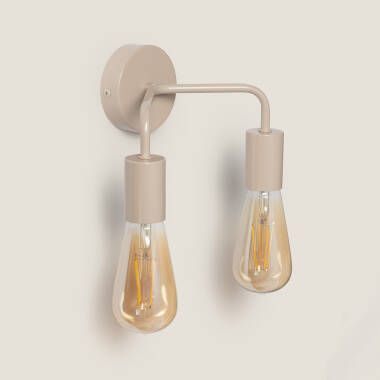
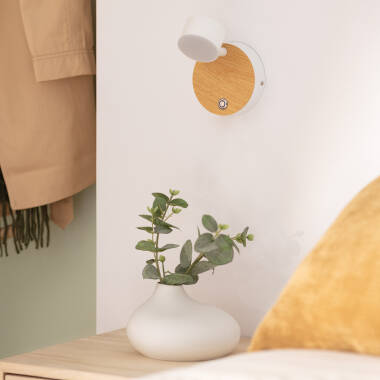
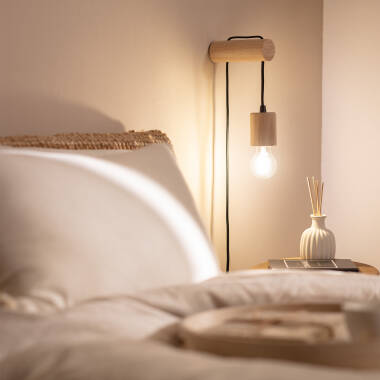
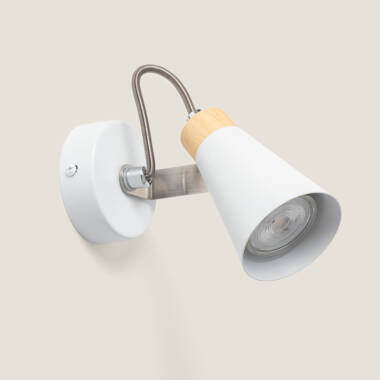
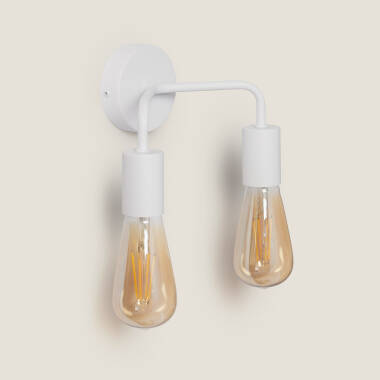

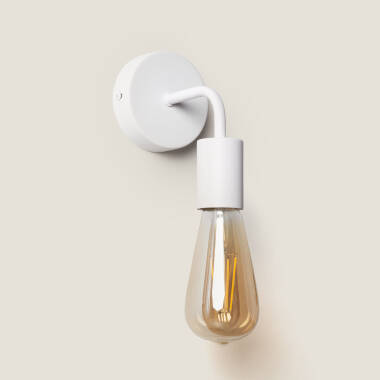
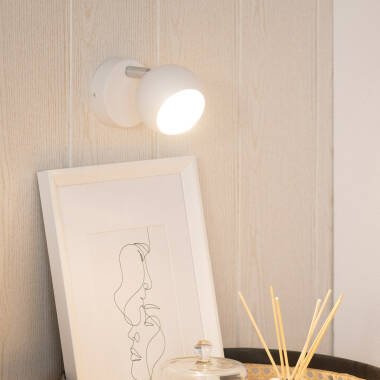
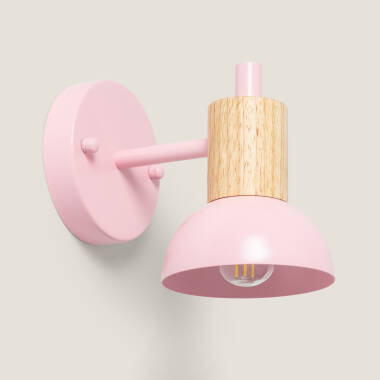
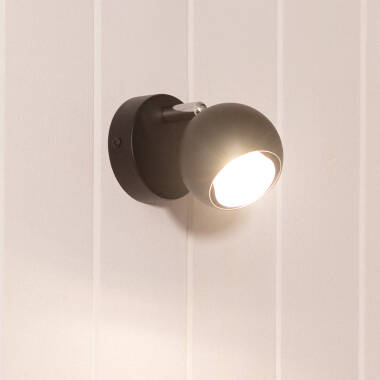
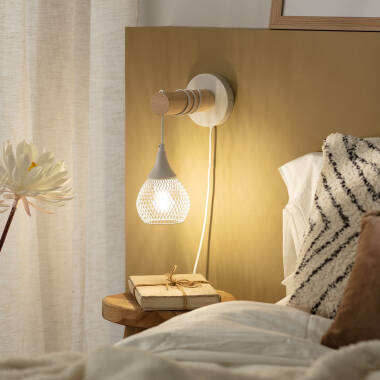
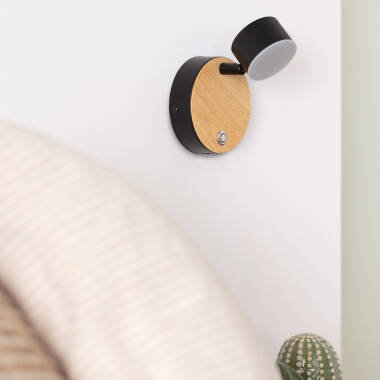
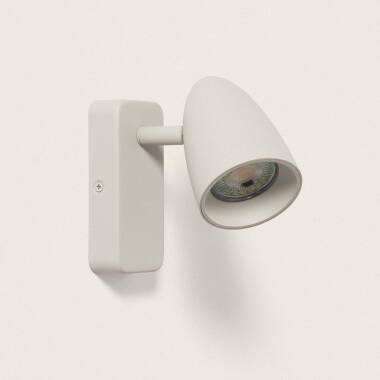
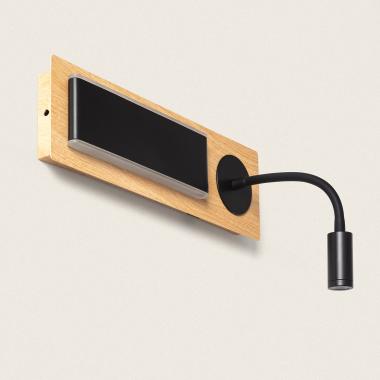
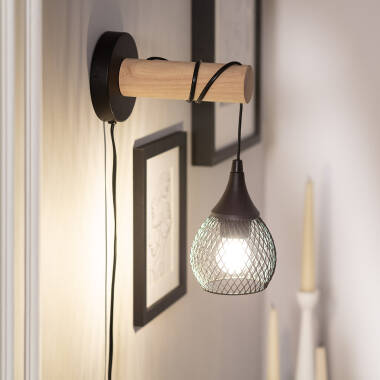
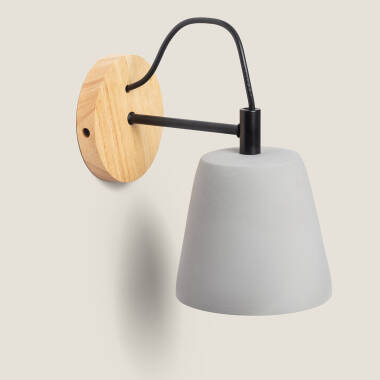
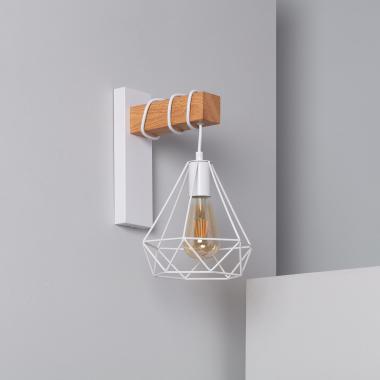
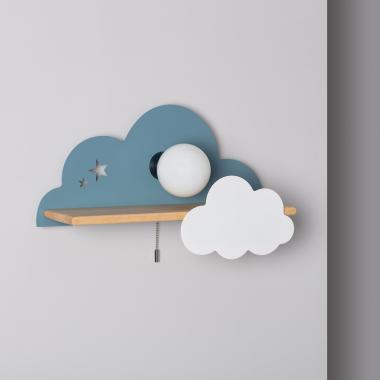
About Nordic Wall Lamps
Nordic lights fit very well in interiors where practical, visually light lighting is desired, in harmony with simple décor. Among wall lights, this type of light fixture is especially useful for completing the lighting in living rooms, bedrooms or passage areas with a clean and natural finish.
This type of light fixture is not designed to attract excessive attention, but rather to blend into the room and reinforce a feeling of spaciousness and calm. That is why it works both in Scandinavian-style homes and in contemporary interiors.
What defines Nordic wall lights
Nordic wall lights are recognised by their formal simplicity, functionality and ability to create welcoming atmospheres without decorative excess. Their design usually starts from a clear idea: to light well, take up little space and bring warmth to the overall setting.
Simple and functional designs
Nordic design is based on usefulness and the absence of unnecessary elements. In wall lights, this translates into clean shapes, discreet shades and structures that make everyday use easier. The light fixture is not conceived only as a decorative object, but as a functional piece integrated into everyday home life.
A Nordic wall light may have an adjustable shade for reading, an indirect light output for ambience or a compact structure to light passage areas. In all cases, the priority is for the light to feel comfortable and for the design not to create a sense of visual saturation. This feature makes them suitable for small rooms, light-coloured walls or spaces where a visually uncluttered look is desired.
Their simplicity also makes them easy to combine with different styles. Although they naturally fit into Scandinavian interiors, they can also coexist with, for example, modern décor. The important thing is to maintain consistency in the materials, colour temperature and proportion of the wall light in relation to the wall.
Light tones and natural materials
Light tones are one of the hallmarks of Nordic style. White, beige, sand, soft grey and light wood help enhance the brightness of the space and create a calm atmosphere. In wall lighting, these finishes allow the wall light to blend easily into white or neutral surfaces.
Wood is one of the most common materials when warmth is desired. It may appear in bases, decorative details or combined with other types of shades. Light wood, such as oak, beech or ash, adds texture without darkening the room and combines very well with white walls and soft tones.
Matte finishes are also common. Unlike intense glossy finishes, matte surfaces absorb light better visually and create a calmer presence. This reinforces the feeling of naturalness and prevents the light fixture from standing out too much, something very important in interiors where balance is sought.
Soft lighting
Soft lighting is essential in Nordic wall lights. This style does not usually rely on harsh lights, very strong contrasts or overly exposed sources. It is more common to work with warm light or indirect outputs that help create a comfortable atmosphere.
For living rooms and bedrooms, a colour temperature between 2700 K and 3000 K is usually the most suitable. A 2700 K light offers a warmer and more relaxed feeling, while 3000 K provides slightly more clarity without losing comfort. In passage areas, 3000 K can also be used if a clearer perception of the route is needed.
The luminous flux should be adjusted according to use. For example, to create ambience, between 300 and 500 lumens per point may be enough.
Where to place Nordic wall lights
Nordic wall lights work well in areas where close and pleasant light is needed. Their light aesthetic allows them to be installed in different spaces without making the wall look overloaded.
Nordic wall lights for bright and welcoming living rooms
In living rooms, Nordic wall lights help reinforce the feeling of spaciousness and comfort. They can be placed next to the sofa, above a low piece of furniture or on a side wall to create secondary lighting that is softer than ceiling light.
When the living room has white walls, light wood and neutral textiles, a wall light with simple lines maintains aesthetic continuity. If ambient light is desired, models with a shade or indirect output are more suitable. They reduce contrasts and allow the room to be used at night with a more relaxed feeling.
In living rooms where different activities are combined, it is useful to work with several levels of light. The wall light can act as an intermediate point between general lighting and auxiliary lamps. A warm 2700 K light avoids harsh reflections and improves the perception of materials such as wood, linen, cotton or wool.
Nordic wall lights for bedrooms
In bedrooms, Nordic wall lights are a very practical solution for the headboard area. They free up space on bedside tables and provide close light for reading or creating a more intimate atmosphere before rest.
If they are used as reading lights, it is advisable to choose adjustable models. The light should be directed towards the area of use without lighting the whole room. In this case, a temperature of 2700 K and an approximate flux of 300 to 500 lumens per point is usually comfortable for occasional use.
For a more decorative effect, wall lights with diffused light can be installed on both sides of the headboard. Finishes in white, light wood or sand tones blend very well with light bedding, soft walls and natural textiles. The result is a serene, tidy bedroom that is easy to keep visually balanced.
Nordic wall lights for hallways and entrances
In hallways and entrances, Nordic wall lights provide light without taking up useful space. They are suitable for small entrance halls or passage areas where a clean and bright décor is desired.
The depth of the wall light is important. In narrow hallways, it is advisable to choose compact models to avoid knocks or a feeling of obstruction. As a reference, a light fixture that protrudes less than 15 cm is usually more comfortable in limited transit areas. It is also recommended to install it at a height that avoids direct glare, usually between 150 and 170 cm from the floor to the centre of the wall light.
In entrances, warm light helps create a more welcoming first impression. It can be placed next to a mirror or a white wall to reinforce the brightness of the space. If the entrance hall does not have natural light, the light tones of the wall light and a 3000 K temperature can provide a more open feeling without losing warmth.
Nordic wall lights by finish and material
The finish of the wall light greatly influences the way it integrates into the décor. In Nordic style, materials are usually chosen for their simplicity, natural texture and ability to add light without making the atmosphere feel harsher.
White wall lights to enhance the brightness of the space
White wall lights are one of the most common options in Nordic interiors. Their finish allows the light fixture to blend with light-coloured walls and reinforce the feeling of spaciousness. In small spaces or spaces with little natural light, this visual continuity is especially useful.
White also favours cleaner lighting. In models with indirect light, the surface of the wall light itself or the wall helps reflect the beam softly. This creates a light atmosphere and prevents the light fixture from feeling visually heavy in the décor.
To prevent the result from feeling cold, it is advisable to combine white wall lights with warm light, light wood or natural textiles. A temperature of 2700 K brings comfort to bedrooms and living rooms, while 3000 K can work better in hallways or entrances where slightly more clarity is needed.
Wooden wall lights to add texture and warmth
Wooden wall lights fit naturally into Nordic style because they add texture, warmth and a connection with natural materials. Wood softens the presence of the light fixture and helps make the wall feel more welcoming, especially when combined with white, beige or light grey tones.
In bedrooms, a wall light with wooden details can accompany a simple headboard or bedding in neutral tones. In living rooms, it can be integrated next to shelves, low furniture or walls decorated with prints and textiles. The key is not to saturate the space with too many different finishes.
Light wood is usually the most consistent option with a Nordic aesthetic. Oak, beech or ash add brightness and combine well with shades or soft metal structures. If darker wood is used, it should be balanced with light-coloured walls and warm light to maintain the feeling of lightness.
Natural wall lights to combine
Natural wall lights allow the Nordic aesthetic to be extended towards more organic and relaxed atmospheres. This type of light fixture can incorporate fibres, wood, rattan, bamboo or soft finishes that add texture without breaking the feeling of calm.
In Nordic interiors, natural materials work well because they prevent the space from looking too flat. A white wall can gain depth with a fibre or light-wood wall light.
The key is to maintain a balanced palette. Natural materials combine well with off-white, sand, white and wood without very glossy varnishes. It is also advisable to pay attention to colour temperature: warm light between 2700 K and 3000 K enhances these textures better and prevents the materials from looking dull.
In living rooms and bedrooms, natural wall lights can provide very pleasant ambient light. In hallways or entrances, it is advisable to choose compact designs that are easy to clean.
What type of light to choose for a Nordic wall light
Light is one of the most important aspects for achieving a balanced Nordic aesthetic. Choosing a simple design is not enough; the temperature, direction and intensity must support the feeling of calm.
Warm light to create a comfortable atmosphere
Warm light is the most recommended option for reinforcing the welcoming character of a Nordic wall light. In living rooms and bedrooms, a temperature of 2700 K usually offers a pleasant atmosphere, especially when combined with wood, light textiles and neutral walls.
For spaces where a little more visibility is needed, such as entrances or hallways, 3000 K can be a balanced option. It provides greater clarity than 2700 K while maintaining a warm feeling. By contrast, temperatures above 4000 K usually feel less consistent with Nordic décor oriented towards rest and naturalness.
Indirect light for softer décor
Indirect light fits very well with Nordic style because it avoids glare and creates more enveloping lighting. When the wall light projects light towards the wall or ceiling, the result is softer than direct light on the room.
This type of lighting works very well in living rooms, bedrooms, hallways and entrances. On a white wall, indirect light reflects easily and helps visually enlarge the space. It also makes it possible to highlight subtle textures, such as matte paint, smooth wall coverings or light-wood surfaces.
In bedrooms, indirect light can be used as lighting before rest. In living rooms, it helps create a more relaxed scene when the main light is not needed.
Ideas for decorating with Nordic wall lights
Nordic wall lights make it possible to create simple and very effective compositions. Their light design makes it easy for them to blend into the wall without competing with furniture, textiles or decorative elements.
Place wall lights on both sides of the headboard
One of the most common ways to use Nordic wall lights is to place them on both sides of the headboard. This composition adds symmetry, frees up space on bedside tables and creates comfortable lighting for the bedroom.
The height should be adjusted to the headboard and the bed. As a guideline, for reading, the light point can be placed between 95 and 120 cm from the floor, depending on the height of the mattress. For decorative light, it can be installed a little higher and centred in relation to the headboard.
Light a white wall without overloading the space
White walls are very common in Nordic interiors, but they can look too flat if they are not worked with light, texture or small contrasts. A wall light allows depth to be added without adding too many decorative elements.
Models with indirect light are especially suitable for this use. By projecting the beam onto the wall, they create a soft visual effect and help the surface feel warmer. If the wall light is also white, the focus falls almost entirely on the light. If it incorporates wood or a natural detail, it adds a point of texture without overloading the space.
This solution works in living rooms, hallways, bedrooms and entrance halls. In small spaces, it is preferable to choose compact designs with simple lines. On wide walls, two or more wall lights can be installed while maintaining regular spacing to create continuity.
Combine wall lights with wood and light textiles
Nordic wall lights combine very well with wood and light textiles. Linen, cotton, wool and fabrics in off-white, beige or soft grey tones help create a relaxed and coherent atmosphere.
In a bedroom, the wall light combines very well with the wood of a headboard, bedside tables or flooring. The idea is not to repeat exactly the same wood tone, but to maintain a similar colour family so that the whole looks balanced.
Warm light reinforces this combination. With 2700 K, textiles are perceived as more welcoming and wood gains depth. If light that is too cold is used, the space may lose some of the warmth that characterises this style.
How to choose Nordic wall lights according to the space
The choice of a Nordic wall light should take into account both the aesthetic and the real use of the room. Proportion, height and type of light output directly influence the final result.
Proportion of the wall light and size of the wall
The size should be adapted to the available surface. On a small wall, a bulky wall light can look disproportionate. On a wide wall, a piece that is too discreet may go unnoticed or not provide enough presence.
In hallways and entrances, it is advisable to prioritise compact models. In bedrooms, the wall light should relate to the width of the headboard and the height of the bed. In living rooms, a slightly more visible piece can be chosen if it accompanies a reading area or a decorative wall.
Depth should also be assessed. For example, flat or semicircular models work better when integration and comfort are desired.
Recommended installation height
As a general reference, wall lights can be installed between 150 and 170 cm from the floor to the centre of the light fixture. This height usually works well in living rooms, hallways and entrances, as long as the light source is not directly at eye level.
In entrances or long hallways, if several points are placed, it is advisable to maintain the same height and a regular distance. This creates a more orderly feeling and reinforces the clean aesthetic typical of Nordic style.
Everyday functionality and type of switch
Everyday functionality is very important when selecting the model. In bedrooms, a wall light with an integrated switch can be very comfortable next to the bed.
It is also worth checking whether the electrical installation is planned at the right point. If there is no wall outlet, some models with cable and plug can be a practical alternative, as long as the cable design does not break the overall aesthetic.
It is important to review power, colour temperature and luminous flux before choosing. In models with a replaceable bulb, there is more flexibility to adjust the intensity or change the colour temperature over time.
Frequently asked questions about Nordic wall lights
Which colour temperature is best?
The most recommended temperature is usually between 2700 K and 3000 K. A 2700 K light creates a warmer and more relaxed atmosphere, ideal for bedrooms and living rooms. A 3000 K light provides a little more clarity and can work well in hallways or areas where greater visibility is needed. To maintain a welcoming Nordic aesthetic, it is advisable to avoid cool lights above 4000 K in rest areas. They can be useful in very functional spaces, but they reduce the feeling of warmth.
Which materials work best in a Nordic wall light?
The most common materials are light wood, white and textiles. All of them help create a bright, soft and easy-to-integrate aesthetic. Wood brings warmth and white reinforces the feeling of spaciousness. Black or metal finishes can also be used, but more sparingly.
Where do wall lights look best?
They look especially good by headboards, in bright living rooms, hallways and entrances. They can also be used to light white walls, accompany wooden furniture or reinforce a resting corner. The location should respond to the use. If ambience is desired, indirect or diffused light is advisable. In hallways, the priority is for the light to illuminate without protruding too much.
How can you prevent a Nordic wall light from looking too simple?
The key is to work with the combination of materials and light. A simple design can gain presence with wood, textures or a well-defined projection of light on the wall. It is not necessary to choose an overloaded light fixture for the result to have personality. It also helps to combine the wall light with other natural elements, such as linen curtains, rugs, etc. This keeps the simplicity typical of Nordic style while adding more visual depth.