
Vintage Wall Lights

Pendant
Show All

Table
Show All

Floor
Show All

Wall
Show All

Ceiling
Show All


Our featured products from Vintage Wall Lights
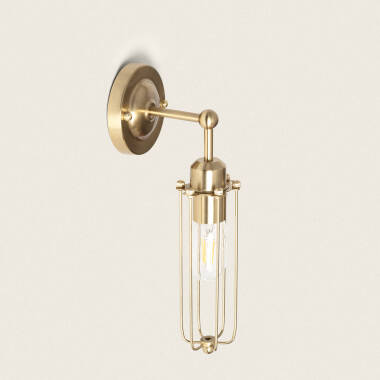



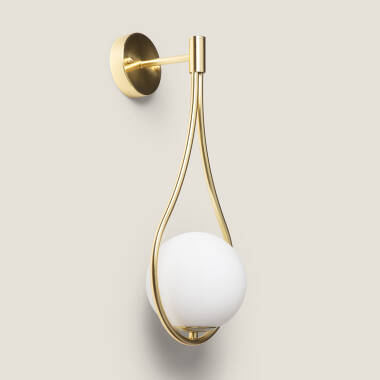

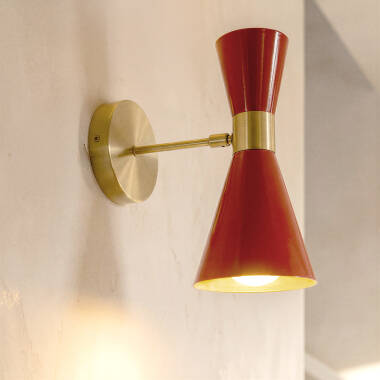


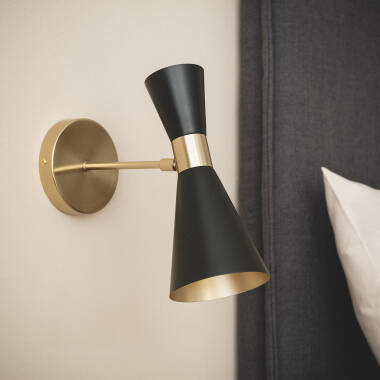

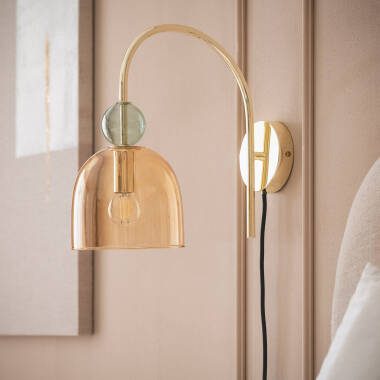
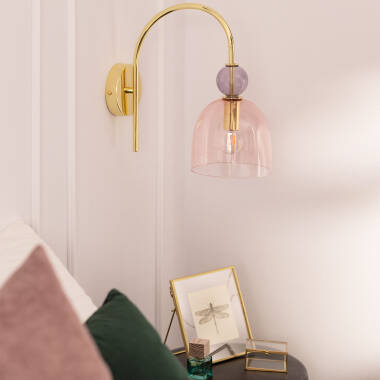
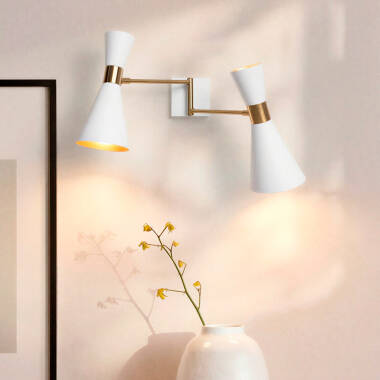
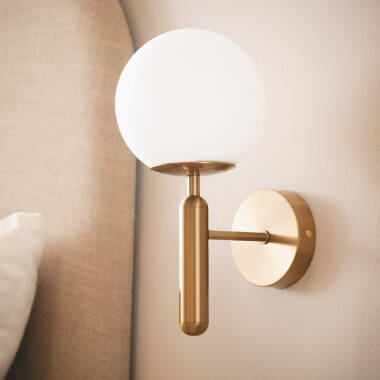
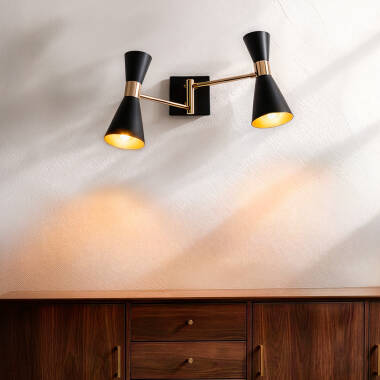

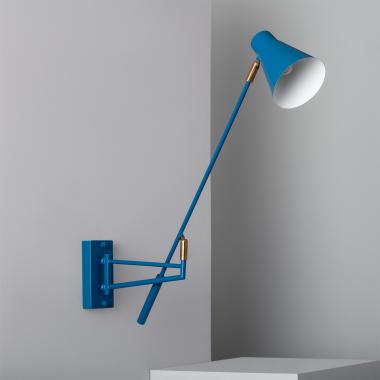
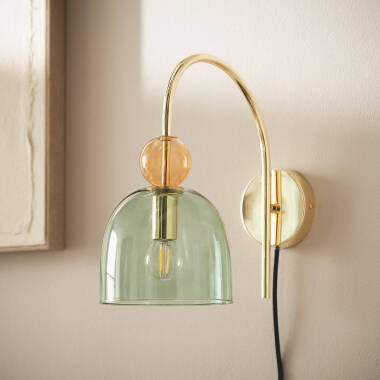
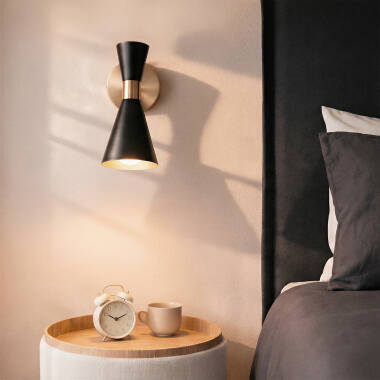
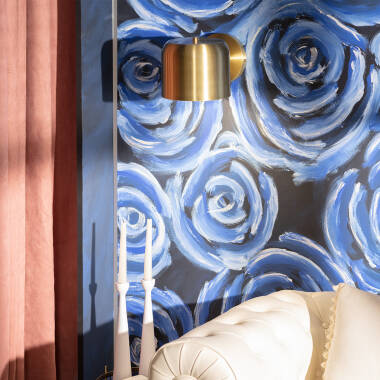
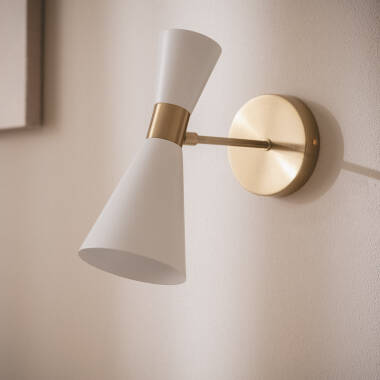
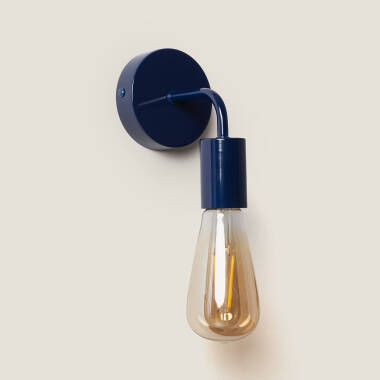
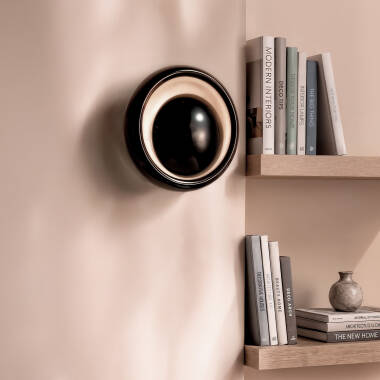
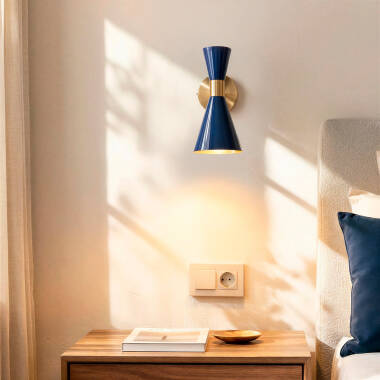
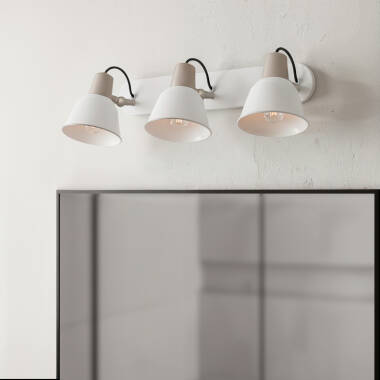
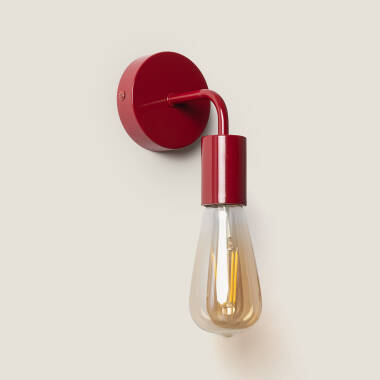
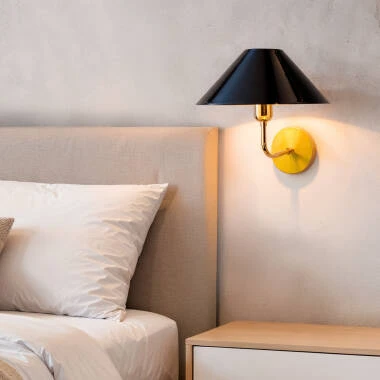
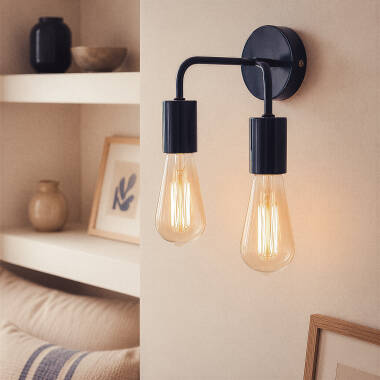

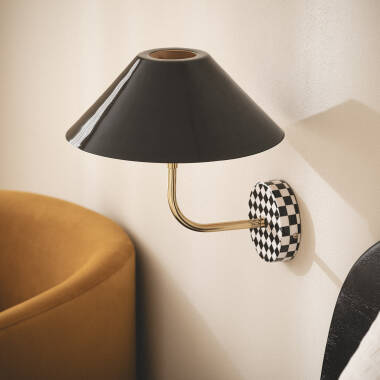
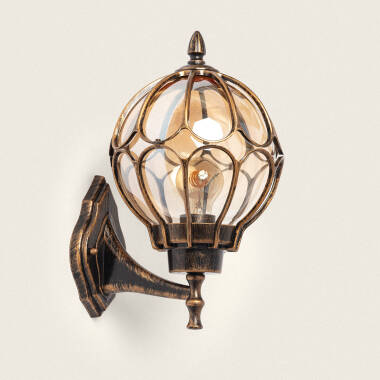
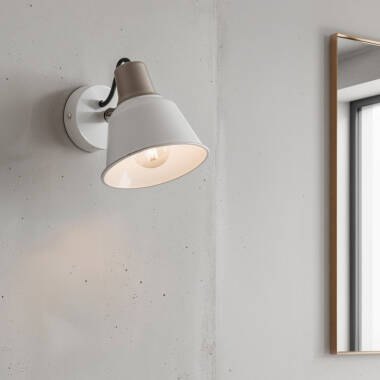
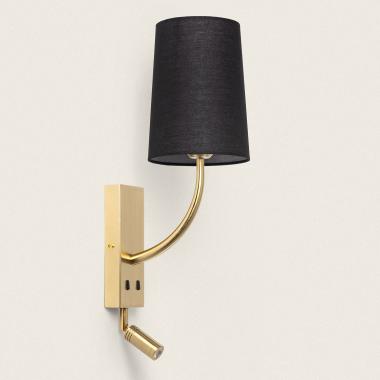
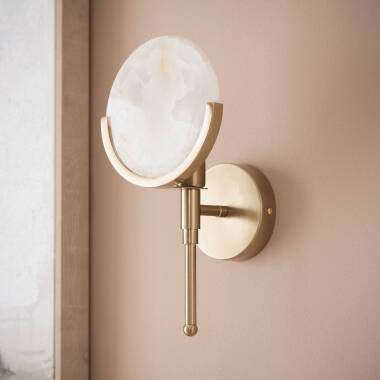
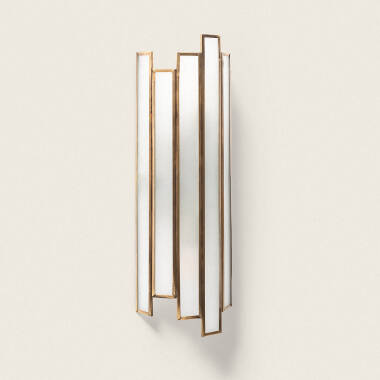
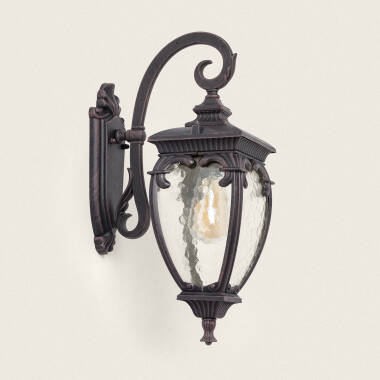
You may also be interested in
About Vintage Wall Lights
Within the selection of wall lights, this type of luminaire stands out for its ability to combine ambient lighting, decorative presence and an aesthetic inspired by classic or retro designs.
What defines vintage wall lights
Vintage wall lights are recognised by their carefully designed aesthetic, inspired by luminaires from other eras but adapted to today’s lighting needs. Their value is not only in the design, but also in how they distribute light and in the visual effect they create.
Designs inspired by classic lighting
A vintage wall light usually takes its inspiration from domestic and decorative lighting from the early and mid-20th century.
It is also common to find designs with an exposed bulb, especially when LED filament bulbs are used. This feature reinforces the retro aesthetic and allows the light source itself to become part of the design. In these cases, it is advisable to choose bulbs with low visual output, between 300 and 500 lumens for ambient lighting, and with an opal finish or warm filament if you want to avoid glare.
Compared with modern wall lights, which usually favour clean lines and discreet volumes, vintage models aim for a more decorative presence.
Aged finishes
Finishes are one of the key features for identifying a vintage wall light. Aged metal gives the impression of a crafted piece and provides greater visual depth than a completely smooth finish.
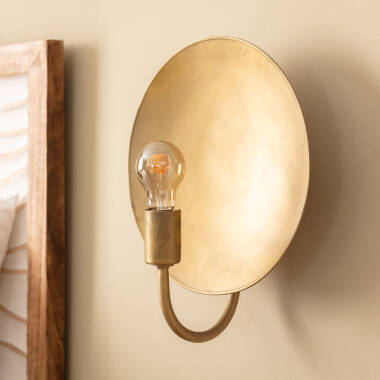
A gold wall light, for example, can work very well in bedrooms, living rooms or passage areas where you want to add an elegant light point without using a large lamp. Aged gold is less shiny than polished gold and combines better with dark woods, natural textiles and decorative pieces with classic inspiration.
Finishes with worn paint, raised details, visible screws or slightly textured surfaces are also common.
Ambient light with decorative value
Most vintage wall lights are designed to create ambient or support lighting, not to completely replace the general lighting of a room. Their main function is to soften the atmosphere, reduce contrasts and add depth to the wall.
In relaxation areas, it is most common to work with warm colour temperatures, between 2200 K and 3000 K. A 2700 K light is usually a balanced option for living rooms and bedrooms, as it provides warmth without altering the colours of furniture and textiles too much. In very intimate settings, a temperature of 2200 K can enhance the cosy effect, if the light is indirect or filtered through glass, fabric or a metal shade.
The decorative value is visible even when the wall light is switched off. That is why it is worth choosing it with both the light it will emit and its daytime presence in mind.
Where to place vintage wall lights at home
The location of a vintage wall light directly influences its everyday usefulness and the decorative effect it produces. These models work well in areas where a close, soft or complementary light is needed, and where the luminaire can be seen as part of the overall interior.
Living rooms
In living rooms, a wall light with a vintage aesthetic can be used to accompany a reading area, illuminate a decorative wall or create a secondary light that is more pleasant than ceiling lighting. Placed next to a sofa or bookshelf, it helps create lower, more enveloping lighting in the afternoon or evening.
In spacious living rooms, vintage wall lights can be combined with floor lamps, table lamps or perimeter indirect lighting. The key is not to concentrate all the lighting on the ceiling. By working with several light points at different heights, the space gains depth and becomes more comfortable for watching television or having a conversation.
Bedrooms
In bedrooms, a vintage-style wall light can replace a table lamp and free up space on the bedside surface. It is a practical option in small rooms where a more orderly aesthetic is desired.
A warm 2700 K light and an output of between 300 and 500 lumens per point can be enough for reading and for creating a relaxed atmosphere, provided the beam is well directed.
When the wall light has a decorative function, it can be installed on both sides of the headboard with light filtered through a shade. Models with opal glass, a fabric shade or a metal structure with a diffuser reduce glare and create a more relaxed feeling.
Hallways, entrances and reception areas
Wall lights make it possible to illuminate transit areas without taking up usable space. In hallways, vintage models should be chosen with a shallow depth to avoid knocks or a feeling of visual clutter. A wall light that is too bulky can be uncomfortable if it protrudes more than 15 or 20 cm in narrow passage areas.
In entrances and reception areas, vintage wall lights help create a warm first impression. They can be placed next to a mirror or on a side wall to prevent the light from shining directly into the eyes when entering. In these spaces, a temperature of 2700 K or 3000 K works well because it allows colours and details to be recognised without losing warmth.
On staircases, wall lights should be installed at a height that does not interfere with passage and with enough light distribution to mark steps and changes in level. Although vintage design has decorative value, visual safety remains a priority: the light should avoid harsh shadows on the stair tread.
How to combine vintage wall lights with other decorative styles
Vintage wall lights do not have to be limited to classic interiors. Their versatility allows them to be integrated into different styles, as long as the relationship between materials, proportions and light temperature is carefully considered.
Vintage wall lights in rustic décor
In rustic décor, vintage wall lights fit naturally because they share a warm, material-rich aesthetic. Wood, stone and aged finishes work well together when you want to create a cosy atmosphere without excessive ornamentation.
A wall light can reinforce this feeling if combined with oak, walnut, aged pine furniture or natural fibres. Fabric shades filter the beam and reduce contrast, which is especially useful in rest areas.
In this type of décor, it is advisable to avoid colour temperatures that are too cool. A 4000 K light can be useful in kitchens or bathrooms because of its greater neutrality, but in rustic living rooms and bedrooms it usually breaks the feeling of warmth. To maintain coherence, it is best to work between 2200 K and 3000 K.
Vintage wall lights in modern interiors
In modern interiors, a vintage wall light can work as a decorative counterpoint. The combination of smooth walls, straight-lined furniture and a luminaire with an aged finish or classic shape creates contrast without overloading the atmosphere.
The key is to select models with a balanced silhouette. A vintage design that is too ornate may look out of place in a minimalist space, while a dark-coloured or glass wall light can integrate naturally.
Common materials and finishes in vintage wall lights
The material of the wall light influences the aesthetic, the way the light is perceived and how easily it integrates with the rest of the interior. In vintage designs, metals, glass, wood and fabrics appear frequently because they add texture and visual depth.
Some of these materials and finishes are similar to those of industrial wall lights, an aesthetic that integrates easily into both retro and urban settings.
Industrial wall lights can also be combined with dark colours, especially in interiors with wood, metal shelving or iron details.
Gold wall lights
Gold wall lights are a widely used option when looking for a warm and elegant decorative light point. Aged or satin gold is easier to integrate than very shiny finishes, as it reflects light more softly and combines with a wide range of colours.
On white, beige, deep blue or earth-toned walls, gold can act as a visual accent without the need to add more decoration. It also integrates well with dark wood, mirrors and warm textiles. In bedrooms and living rooms, a gold wall light with 2700 K light can enhance a calm and sophisticated atmosphere.
It is important to consider proportion. A very large gold wall light on a small wall can attract too much attention; by contrast, two symmetrical pieces next to a headboard or mirror can create a balanced composition.
Glass wall lights
Glass wall lights add visual lightness and allow you to play with different lighting effects. Transparent glass leaves the bulb visible and reinforces a retro aesthetic, while opal glass softens the emission and reduces glare. Ribbed, smoked or amber glass adds texture and can modify the perception of the colour of the light. Glass also combines well with aged metal structures.
In living rooms and bedrooms, opal or amber glass helps create more enveloping lighting. In hallways and reception areas, transparent glass can be suitable if a decorative low-luminance bulb is used. For bathrooms or humid areas, even if the style is vintage, it is necessary to check the IP protection rating and choose models suitable for the environment. For bathroom wall lights, for example, IP44 or higher may be recommended depending on the proximity to the washbasin, shower or bathtub.
What type of light to choose for a vintage wall light
Choosing the right light is just as important as choosing the design. A vintage wall light may have a carefully designed aesthetic, but if the colour temperature, output or orientation are not suitable, the result can be uncomfortable or not very functional.
Warm light to enhance a cosy atmosphere
Warm light is the most common option for vintage wall lights. A temperature between 2200 K and 3000 K makes it possible to create comfortable atmospheres and highlight the finishes. For living rooms and bedrooms, 2700 K is usually the most balanced point between warmth and efficiency.
If you are looking for a more decorative effect, 2200 K bulbs better imitate the tone of old incandescent lamps. They are suitable for ambient light, rest areas or decorative corners, but they may be too warm for tasks that require concentration or good colour rendering.
In addition to temperature, it is worth checking the colour rendering index. A CRI equal to or above 80 is sufficient for general domestic use, but in areas where colours or decorative finishes need to be appreciated accurately, a CRI above 90 offers a more faithful perception.
Direct or indirect light depending on the room
An LED wall light can emit direct, indirect or mixed light. The choice depends on the real use of the room and the position of the luminaire. Direct light is useful for reading, support next to the bed or lighting specific areas. Indirect light, on the other hand, washes the wall or ceiling and creates a softer atmosphere.
In living rooms, indirect light is usually more pleasant because it avoids reflections on screens and reduces contrasts. In bedrooms, an adjustable wall light can provide direct light for reading without illuminating the whole room. In hallways, mixed light directed upwards and downwards helps mark the route and adds a decorative effect to the wall.
The beam angle should also be considered. A narrow beam, below 40 degrees, concentrates the light and creates a more focused effect. A wide beam, above 80 degrees, distributes the light more evenly.
How to choose vintage wall lights according to the space
The choice of a vintage wall light should take aesthetics into account, but also proportion, height, electrical installation and daily use. A suitable model should look good on the wall, provide comfortable lighting and not interfere with furniture or passage areas.
Size of the wall light and proportion with the wall
The size of the wall light should be in proportion to the available surface and the nearby elements. On a large wall, a wall light that is too small may lose presence; on a narrow wall, a bulky model can feel heavy or uncomfortable.
For bed headboards, it is common to install one wall light on each side, maintaining enough distance from the mattress and bedside tables. In living rooms, wall lights can be placed symmetrically or individually, depending on whether they accompany a piece of furniture or a reading area.
Depth is also important. In hallways, entrances and passage areas, it is preferable to choose compact models. In living rooms or bedrooms, a greater projection from the wall can be acceptable if the wall light does not interfere with movement.
Recommended installation height
Installation height affects visual comfort. As a general reference, many indoor wall lights are installed between 150 and 170 cm from the floor to the central point of the luminaire. This height allows the light to sit at a comfortable level and prevents the wall light from causing direct glare.
Next to the bed, the height is usually adjusted to the headboard and the intended use. For reading, the light point should be approximately between 95 and 120 cm from the floor, depending on the height of the mattress and the reading position. If the wall light is purely ambient, it can be installed slightly higher so that the light is distributed better.
In hallways and staircases, installation should prevent the luminaire from being at shoulder height or protruding too much. In addition, if several wall lights are placed consecutively, it is advisable to maintain a regular distance between them so that the lighting looks orderly. In long passageways, an approximate spacing of 2 to 3 metres can work, although it should be adjusted to the output and beam angle of each model.
Type of installation and everyday functionality
Before choosing a wall light, it is worth checking the type of installation. Hardwired models offer a cleaner finish, but require an electrical connection located in the right place. Plug-in wall lights can be useful in renovations where you do not want to open up the wall.
It is also important to assess the type of switching. In bedrooms, a switch integrated into the wall light is practical for turning the light off from the bed. In living rooms or hallways, it may be more convenient to control the wall lights from wall switches.
In the case of an outdoor wall light with a vintage aesthetic, the installation should be reviewed in greater detail. It is not enough for the design to suit the façade or porch; it must also have protection against moisture, dust and temperature changes. For covered outdoor areas, IP44 may be sufficient in many cases, while in more exposed areas IP54 or higher may be recommended.
Frequently asked questions about vintage wall lights
What bulb looks best in a vintage wall light?
In a vintage wall light with a visible bulb, LED filament bulbs are usually the most aesthetically coherent option. For ambience, it is advisable to choose outputs equivalent to 25 or 40 W incandescent bulbs, which are normally between 250 and 500 lumens. If the wall light has a shade, the output can be increased to 600 or 800 lumens without causing as much visual discomfort. The most recommended colour temperature is usually between 2200 K and 2700 K for a warm effect. In areas where more clarity is needed, such as spacious entrance areas or hallways with little natural light, 3000 K can offer a more functional result without losing warmth.
Can vintage wall lights be used as the main light?
They can serve as the main support light in small spaces, but they usually work better as ambient or complementary lighting. In a bedroom, two wall lights beside the headboard can cover reading and ambience, but in a living room it is usually necessary to combine them with ceiling lighting, floor lamps or table lamps.
At what height should vintage wall lights be installed?
As a general guideline, decorative wall lights are installed between 150 and 170 cm from the floor to the centre of the luminaire. In bedrooms, if they are used for reading, they can be installed lower, approximately between 95 and 120 cm, adjusting the height to the mattress, the headboard and the type of arm. In hallways or staircases, the height should prevent glare and knocks. If the wall light protrudes a lot, it is advisable to place it in an area where it does not interfere with passage. In any case, it is recommended to check the actual position before fixing it permanently.
Can vintage wall lights be installed in bathrooms or outdoors?
Yes, but models suitable for humidity or outdoor exposure must be chosen. In bathrooms, the IP protection rating depends on the installation area. Near the washbasin, at least IP44 is usually recommended if there is a risk of splashes. In covered outdoor areas, such as porches or protected entrances, IP44 may also be suitable, while on façades exposed to rain or dust, IP54 or higher should be considered.