
Dimmable LED Panels
Dimmable LED panels allow the light intensity to be adjusted depending on the moment, improving visual comfort and offering greater control over the atmosphere and energy consumption.


Our featured products from Dimmable LED Panels

Advanced
£20.99
 (3)
(3)- Wattage 40 W
- Voltage Range 220-240V AC
- Lumen 4000 lm
9 options
Advanced
£22.99
Ref 71245
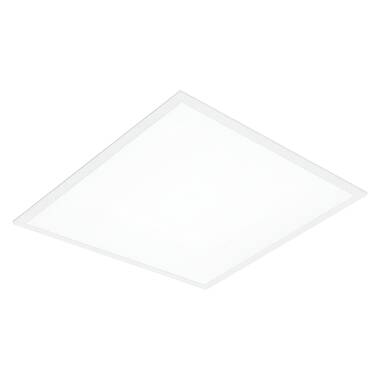
AluminiumAdjustable600x600mm 40W Dimmable Microprismatic UGR17 LED Panel 4000lm
In Stock, delivery in 24/48h
- Wattage 40 W
- Voltage Range 220-240V AC
- Lumen 4000 lm
15 options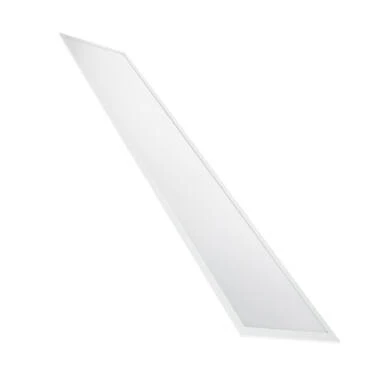
Advanced
£27.99
(1)- Wattage 40 W
- Voltage Range 220-240V AC
- Lumen 4000 lm
6 options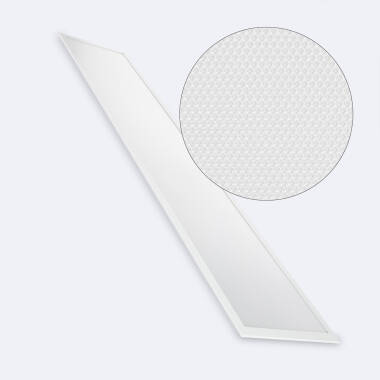
Advanced
£32.99
Ref 125216
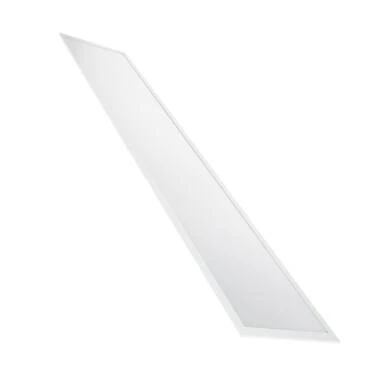
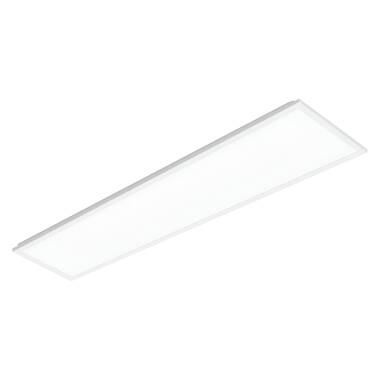
AluminiumAdjustable1200x30mm 40W Microprismatic UGR17 LED Panel 4000lm PHILIPS Xitanium with Quick Connection Box
In Stock, delivery in 15-20 days
- Wattage 42 W
- Voltage Range 220-240V AC
- Lumen 4000 lm
6 options










About Dimmable LED Panels
More and more spaces use dimmable lighting systems to adjust the light to different usage situations. Compared with a conventional LED panel, a dimmable panel makes it possible to modify the light intensity according to the real needs of the space, creating more comfortable and flexible environments. In addition to visual comfort, dimming also helps optimise energy consumption and provides a much more versatile lighting experience in homes, offices, restaurants and multipurpose rooms.
What it means for an LED panel to be dimmable
A dimmable LED panel is one that allows the light intensity to be modified without having to switch the luminaire completely on or off. This makes it possible to adapt the lighting according to the activity, the time of day or the amount of natural light available in the space.
For example, a meeting room may require maximum intensity during a technical presentation, but softer lighting for informal meetings or video calls. Dimming is also especially useful in homes, bedrooms or restaurants where the atmosphere changes constantly depending on the time of day.
Difference between a dimmable panel and a standard panel
The main difference compared with a conventional LED panel lies in the driver and the control electronics. A standard panel always operates at fixed intensity, whereas a dimmable panel includes a driver compatible with light intensity control systems.
This makes it possible to progressively reduce the amount of light emitted without affecting the operation of the luminaire. Not all dimmers are compatible with every LED panel. For this reason, it is important to use systems that are compatible with both the type of driver and the dimming protocol used.
Real advantages of dimming
Dimming is not only useful for creating more pleasant atmospheres. It also offers important practical advantages. Reducing the intensity when it is not needed helps lower energy consumption and can improve visual comfort in spaces where fixed lighting may feel too intense at certain times.
In offices and meeting rooms, it also allows the lighting to be better adapted to presentations, screens or video conferences. In homes, dimming makes it easier to use the same luminaire both for general lighting and for creating more relaxed environments, without needing to install additional light points.
Compatible control systems
Dimmable LED panels can work with different control systems depending on the type of installation and the desired level of automation. There are simple solutions using wall dimmers and more advanced options integrated into smart home systems or wireless control.
Wall dimmers
Wall dimmers allow the intensity of the LED panel to be controlled directly from a mechanism installed on the wall, in a similar way to a conventional switch. Depending on the system used, they can operate with technologies such as TRIAC, 0-10V or DALI.
TRIAC solutions are usually common in homes and small installations, while systems such as DALI are more frequent in offices and professional projects where multiple luminaires need to be managed. It is important to always check compatibility between the dimmer and the LED panel driver to avoid flickering, intensity jumps or incorrect operation.
Remote control
Wireless control systems make it possible to manage the lighting without installing additional physical dimmers. LED panels with remote control allow intensity, switching on, switching off and, in some cases, colour temperature to be adjusted from a remote control, offering an especially convenient solution in homes, multipurpose rooms or small retail spaces.
In many models, it is also possible to save scenes or usual settings to quickly adapt the lighting to different uses. In addition, because they do not depend on specific dimming wiring, this type of solution greatly simplifies certain installations and refurbishments.
Integration with smart home systems
It is increasingly common to integrate dimmable LED panels into smart home and automation systems. This makes it possible to control the lighting from mobile apps, voice assistants or centralised systems capable of managing different scenes and schedules.
In modern offices, automation helps automatically adapt lighting according to the amount of natural light, the use of the space or operating hours. In homes, it is also useful for programming atmospheres, automating routines or controlling lighting remotely. Depending on the system used, dimmable panels can be integrated through protocols such as DALI, Zigbee, WiFi or Bluetooth.
In which spaces does it make sense to install a dimmable panel?
Dimming is especially useful in spaces where lighting needs change according to the activity or time of day. Although it may not be essential in certain technical installations, in many environments it provides a real improvement in both visual comfort and flexibility of use.
- Meeting rooms and flexible offices: in meeting rooms, collaborative spaces and multifunctional offices, the possibility of adjusting the intensity is especially useful. An informal meeting does not require the same lighting level as a technical presentation or a video conference. Slightly reducing the intensity also helps improve visual comfort when working with screens or projectors. In addition, in modern offices it is increasingly common to combine dimming with sensors and automatic lighting control systems.
- Bedrooms and domestic spaces: in homes, dimmable LED panels make it easy to adapt the atmosphere according to the time of day. The same luminaire can be used at high intensity for everyday tasks and later dimmed to create a more relaxed environment. This is especially useful in bedrooms, home offices, living rooms or teenagers’ rooms where lighting fulfils very different functions. Dimming also helps avoid the sensation of excess light in small spaces where a fixed LED panel could feel too intense at certain times.
- Restaurants and hospitality spaces: in restaurants, cafés and hospitality spaces, dimming makes it possible to adapt the lighting according to the time and the desired atmosphere. During daytime service, more intense and functional lighting can be maintained, while in the evening it is usually preferable to create a warmer and more relaxed environment. The ability to modify intensity without changing luminaires provides much greater flexibility and helps transform the perception of the space.
What to consider before choosing a dimmable LED panel
Not all dimming systems work in the same way or offer the same possibilities. Before choosing a dimmable LED panel, it is worth assessing both the type of control required and compatibility with the existing installation.
Compatibility between driver and dimmer
One of the most important aspects is compatibility between the panel driver and the dimming system. An incompatible dimmer can cause flickering, intensity jumps, electrical noise or incorrect operation. For this reason, it is always advisable to check which protocol the LED panel uses before choosing the control system.
Type of dimming required
Not all spaces require the same level of control. In homes, a simple dimmer or remote control may be enough, while in offices and professional projects it is often more interesting to use centralised systems or solutions integrated into automation systems.
It is also worth assessing whether only intensity adjustment is needed or whether colour temperature, scenes or automations should also be controlled.
Real use of the space
Dimming makes more sense in spaces where lighting changes frequently. In multipurpose rooms, restaurants, bedrooms or flexible offices, it provides a clear improvement in comfort and versatility.
By contrast, in technical spaces or passage areas with very stable use, it may be less relevant.
Frequently asked questions about dimmable LED panels
What does it mean for an LED panel to be dimmable?
It means that it allows the light intensity to be modified using a compatible control system. This makes it possible to adapt the lighting according to the activity or desired atmosphere.
Can all LED panels be dimmed?
No. Only LED panels designed for dimming allow the light intensity to be adjusted. The main difference is usually in the driver, which must be compatible with systems such as TRIAC, 0-10V or DALI, among others.
Can I use any dimmer with a dimmable LED panel?
Not always. It is important to check compatibility between the dimmer and the protocol used by the LED panel driver.
Does dimming help save energy?
Yes. Reducing light intensity also reduces electricity consumption, especially in spaces where it is not necessary to work constantly at 100% power.
What is the best dimming system?
It depends on the type of installation. In homes, simple systems or wireless control are usually used, while in offices and professional projects, solutions such as DALI or automation systems are common.
Does it make sense to install dimmable panels in offices?
Yes, especially in meeting rooms, flexible offices or spaces with frequent presentations and video conferences. Dimming helps adapt visual comfort more effectively according to the activity.