
Kitchen wall lights
Kitchen wall lights provide functional and decorative light on walls, auxiliary areas and dining spaces, improving visibility without overloading the room.
Our featured products from Kitchen wall lights
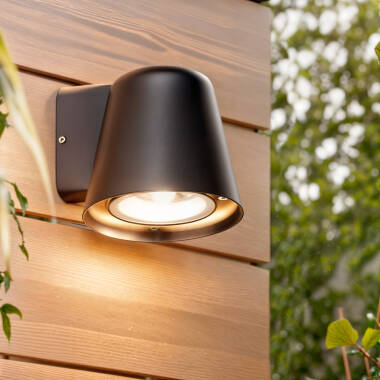
£13.69
DarjanRef 102234
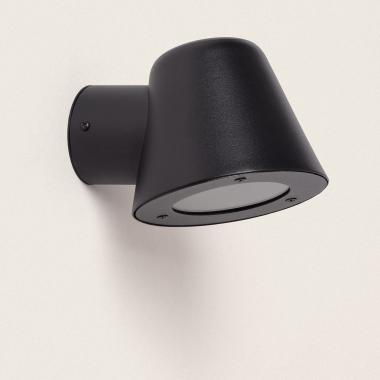
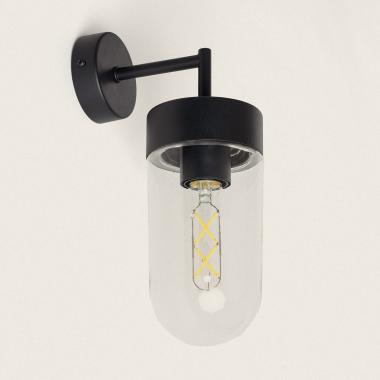
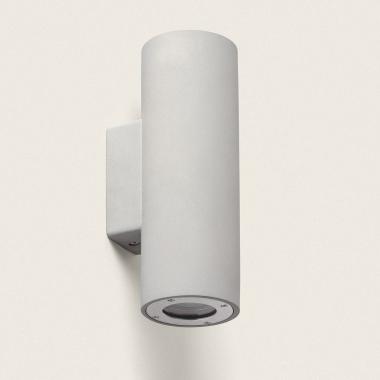
AluminiumDarjan Aluminium Outdoor Wall Lamp
Matt Black
In Stock, delivery in 15-20 days
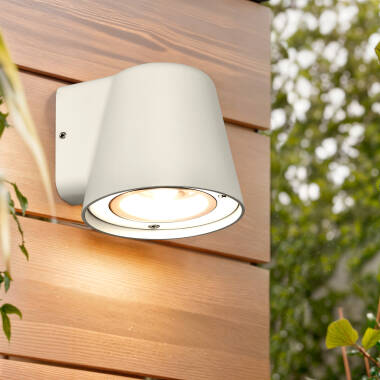
£13.69
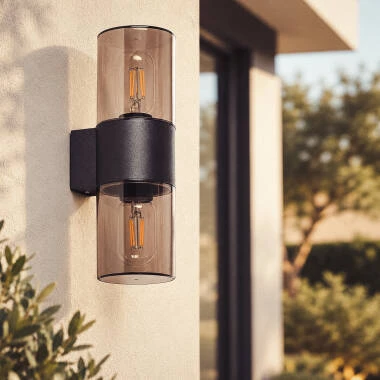
£28.59
SolokRef 102203
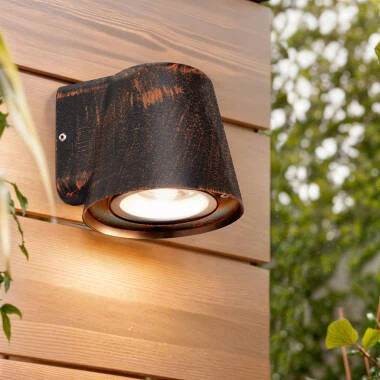
AluminiumSolok Two Spotlight Aluminium Wall Lamp
Black
In Stock, delivery in 15-20 days




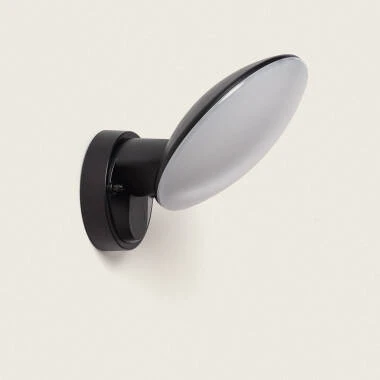



You may also be interested in
About Kitchen wall lights
In a kitchen, lighting needs to solve very different requirements. Having general ceiling light is not enough: it is also useful to reinforce specific areas, avoid shadows in everyday-use zones and create a more pleasant atmosphere when the kitchen is integrated with the dining room or living room. Kitchen wall lights help complete this lighting precisely by adding wall-mounted light points that can be functional, decorative or supportive.
Within wall lights, models designed for kitchens need to respond to frequent use, higher humidity, steam and airborne grease, as well as more demanding cleaning than in other rooms. For this reason, in addition to design, it is worth assessing ease of maintenance, colour temperature, type of diffusion and the exact location of the light point.
What wall lights add to kitchen lighting
Wall lights in the kitchen make it possible to illuminate areas that remain outside the reach of general lighting, such as auxiliary walls, counters, shelves or breakfast corners. They provide complementary lighting that improves visibility for specific tasks and, at the same time, help create a more pleasant and flexible atmosphere depending on the time of day.
In addition to their practical function, they have significant decorative value, as they can soften the technical appearance of the kitchen, highlight specific elements and visually connect this space with other areas of the home. Their wall installation makes it possible to add light without taking up surface area, which is especially useful in small kitchens or layouts with limited space.
Overall, wall lights contribute to more balanced, layered lighting, combining functionality and ambience to adapt both to daily use and to more relaxed moments.
Where to place wall lights in the kitchen
Position defines the result. A wall light placed only for aesthetic reasons may look good, but not provide useful light. In the kitchen, it is best to think first about the function of the light point and then choose the design.
The most common areas are free walls that are not occupied by furniture or appliances, dining areas within the kitchen, counters or peninsulas, and breakfast corners. They can also be placed on walls that you want to highlight visually, such as those with a special covering, a different colour or a decorative element.
How to choose kitchen wall lights
Choosing a kitchen wall light means balancing aesthetics, useful light and resistance to daily use. The kitchen is not a purely decorative room: there is steam, temperature change, grease, frequent cleaning and different visual tasks.
For this reason, beyond style, it is worth reviewing lumens, colour temperature, light direction, material, ease of cleaning and compatibility with the rest of the installed lighting.
Suitable colour temperature
Colour temperature should be chosen according to use. For work areas, neutral 4000K light is usually practical because it improves detail perception and makes food preparation easier. It helps distinguish surfaces, utensils and colours better without creating the same cold feeling as higher temperatures.
For breakfast areas, dining spaces or kitchens open to the living room, 2700K or 3000K light may be preferable. It provides a more welcoming atmosphere and allows the kitchen to be used as a social space without making it look like an exclusively technical zone.
When the kitchen combines work and living space, a balanced solution is to use 4000K for functional lighting and 3000K for decorative or ambient wall lights. The important thing is to avoid overly abrupt mixes within the same visual area.
Lumens and intensity
The amount of light depends on the use of the wall light. For ambience or decorative support, between 300 and 700 lumens may be enough. To reinforce a work area or a frequently used table, it is advisable to approach 700–1200 lumens, as long as the light is well directed.
In the kitchen, it is not always worth choosing the most powerful wall light. An excessive and poorly oriented luminaire can cause glare on shiny surfaces, tiles, polished worktops or metal appliances.
If several light points are needed, it is usually better to distribute them evenly than to concentrate all the power in a single wall light. This reduces shadows and achieves more comfortable lighting.
Light direction and shadows
Beam direction is one of the most important aspects. In a kitchen, poorly placed light can cast shadows directly over the area where work is being done. This happens when the light point is behind the user or too high without suitable orientation.
Adjustable wall lights are useful when the light needs to be directed towards a table, an auxiliary wall or a preparation area. Indirect light models work better for ambience, but they can fall short if functional light is needed.
It is also worth considering reflective surfaces. Glossy tiles, stainless steel, glass and polished worktops can reflect light. In these cases, opal diffusers and well-designed shades help soften the effect.
Easy-to-clean materials
In the kitchen, the material of the wall light matters more than in other rooms. Airborne grease, steam and dust can accumulate easily, especially if the luminaire is close to the cooking area.
Smooth, metal or glass finishes, or simple diffusers, are usually easier to maintain. Fabric shades, natural fibres or porous materials can be decorative, but they are not always the best option near hobs, extractor hoods or high-activity areas.
In open kitchens, where the wall light is closer to the dining area than to the hob, more decorative designs can be used. The location determines the extent to which the material needs to be resistant and easy to clean.
LED wall lights for kitchens
LED wall lights are especially suitable for kitchens because they offer low consumption, instant switch-on and compact designs. In a room where the light is switched on frequently and sometimes for long periods, LED efficiency is very useful.
In addition, models with integrated LED allow slim, linear and indirect-light formats that fit well in modern kitchens. There are also wall lights with replaceable LED bulbs, which are more flexible if you want to change the colour temperature or power over time.
Wall lights for kitchens open to the living room
In open kitchens, wall lights help integrate the lighting with the rest of the space, providing softer light that can remain on without disrupting the atmosphere of the living room. Coordinating finishes and colour temperature with living room wall lights makes it possible to create visual continuity and a more natural transition between zones. They also offer useful spot lighting for moments when it is not necessary to switch on all the general light.
Distance from cooking and water areas
Not all wall lights are suitable for installation near the cooking area, the sink or where they may be directly exposed to steam. If the luminaire is close to water or humidity, it is worth checking the IP rating. If it is near a ceramic or induction hob, it is important that it withstands temperature well and is easy to clean.
In very exposed areas, it may be more suitable to use specific kitchen luminaires or under-cabinet solutions. Wall lights work best on auxiliary walls, dining areas, counters or circulation zones.
Frequently asked questions about kitchen wall lights
What colour temperature is best for a kitchen?
For functional areas, 4000K is usually a very practical option because it provides clear light and improves visibility, while for breakfast areas, dining spaces or open kitchens, 2700K or 3000K provide a warmer and more welcoming atmosphere. It is common to combine 4000K in work areas with 3000K in decorative or ambient wall lights to achieve a balance between functionality and comfort.
How many lumens does a kitchen wall light need?
For ambience or decorative support, between 300 and 700 lumens may be enough. To reinforce a table area, counter or functional wall, between 700 and 1200 lumens may be recommended. Orientation matters as much as the amount of light. A well-directed wall light can be more useful than a very powerful one that is poorly placed.
Can wall lights be used as the only light in the kitchen?
In small kitchens or auxiliary areas, several well-distributed wall lights can provide enough light. However, for a main kitchen, it is usually advisable to combine them with general lighting and specific light on the worktop. The kitchen requires good visibility to prepare food, clean and work safely. For this reason, wall lights work best as a complement or additional layer.
Which materials are most practical?
Smooth metal or glass finishes, or opal diffusers, are usually easier to clean. In areas close to steam or grease, it is advisable to avoid fabric shades, natural fibres or porous materials. If the wall light is in a dining area or on a wall away from cooking, design can be prioritised more and decorative materials can be used.
Are LED wall lights better for kitchens?
LED wall lights are a highly recommended option for their efficiency, instant switch-on and low maintenance. They also allow compact designs and a good variety of colour temperatures. If integrated LED is chosen, it is worth getting the lumens, colour temperature and type of diffusion right from the start. If flexibility is preferred, a model with a replaceable LED bulb may be more practical.