
Rectangular and square LED flush ceiling lights
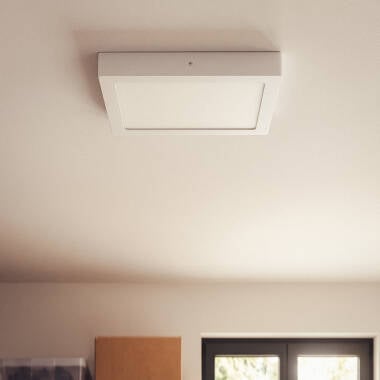
Rectangular and square LED flush ceiling lights provide even illumination and a geometric aesthetic, making them particularly suitable for hallways, kitchens, offices and contemporary spaces.
Our featured products from Rectangular and square LED flush ceiling lights
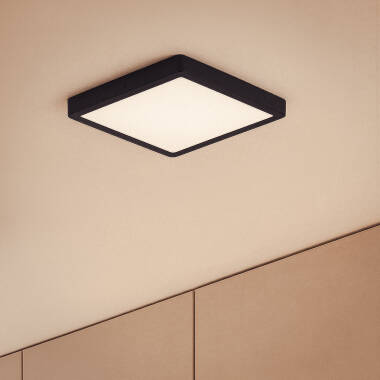
Advanced
£21.99
 (3)
(3)Ref 95572
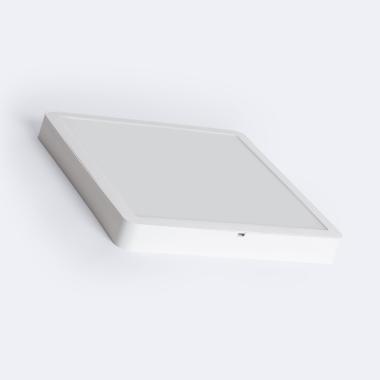
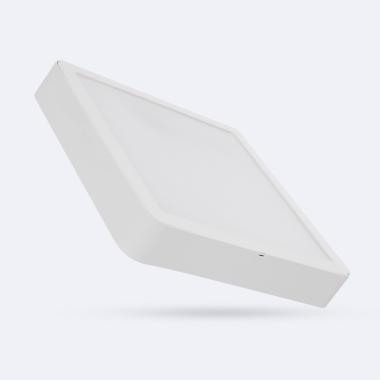
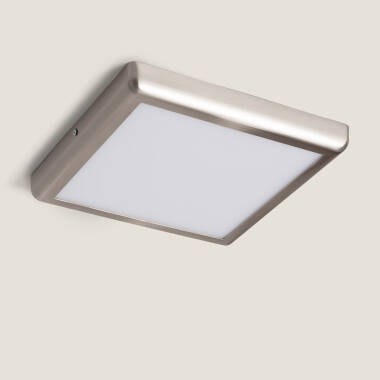
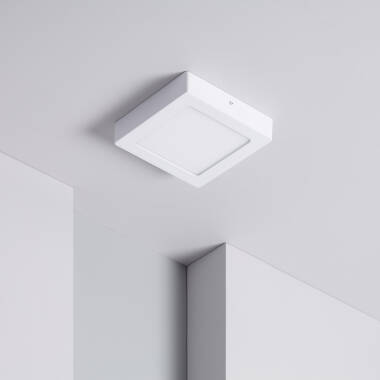
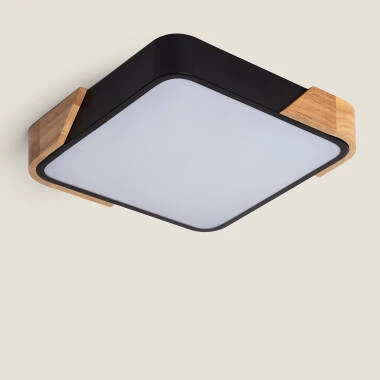
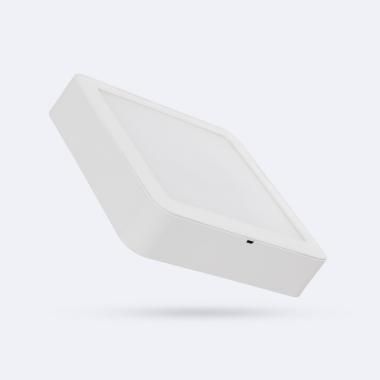
AluminiumAdjustableGalan Square 24W Aluminium CCT Selectable SwitchDimm Slim LED Ceiling Light 280x280mm
In Stock, delivery in 15-20 days
- Wattage 24 W
- Voltage Range 220-240V AC
- Lumen 2400 lm
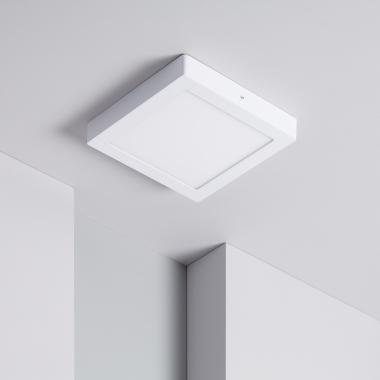
Essential
£7.49
 (6)
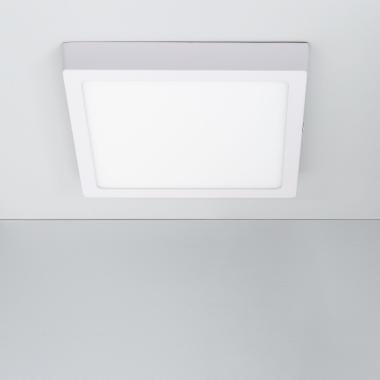
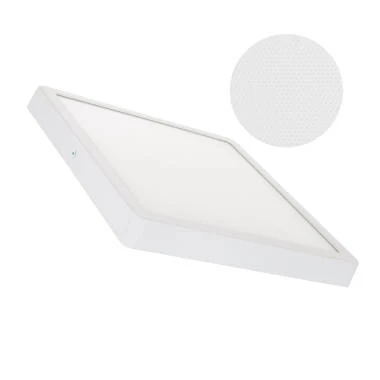
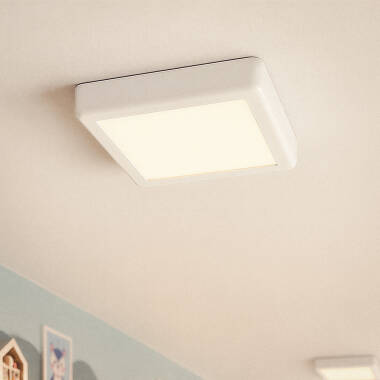
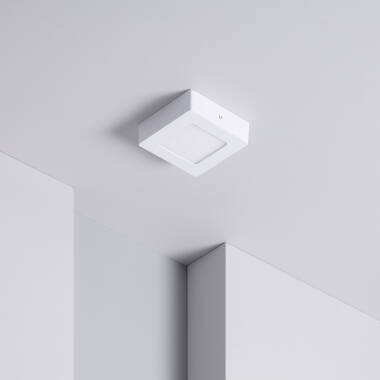
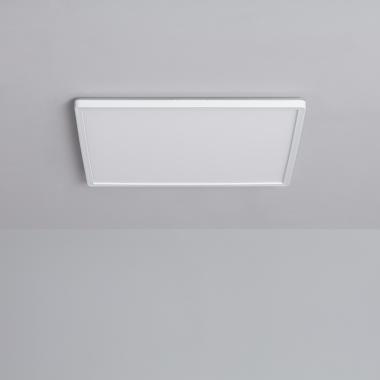
(6)- Wattage 18 W
- Voltage Range 220-240V AC
- Lumen 1440 lm
4 options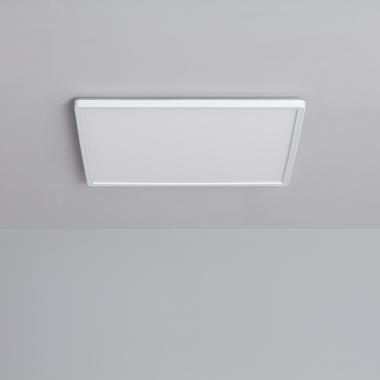
Essential

£26.99
(14)Ref 80108
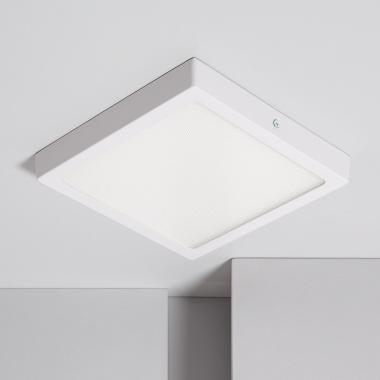
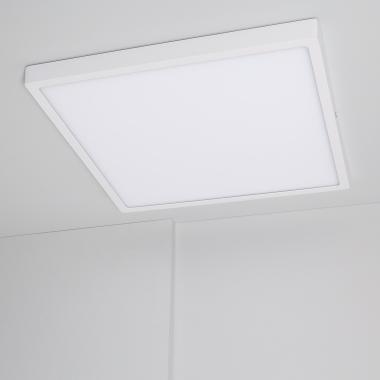
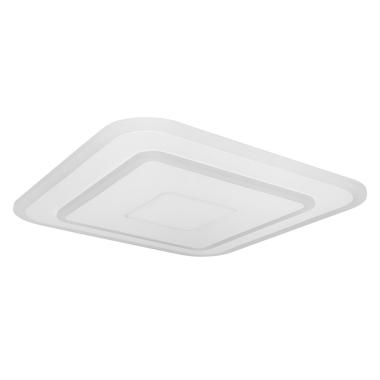
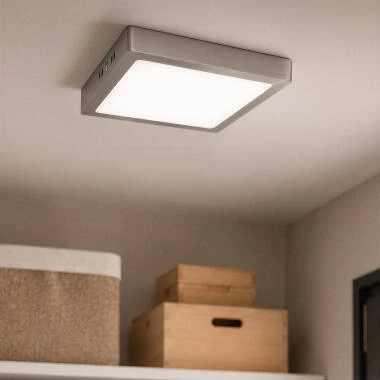
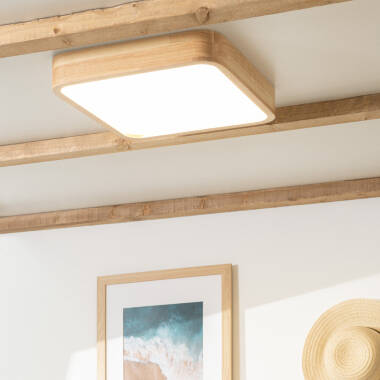
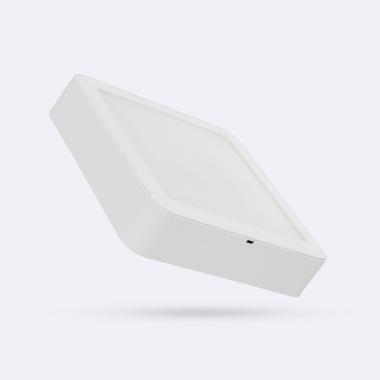
24W Square CCT Selectable SwitchCCT Double Sided LED Ceiling Light 420x420mm
In Stock, delivery in 24/48h
- Wattage 24 W
- Voltage Range 220-240V AC
- Lumen 3000 lm
£38.99
(4)Ref 94101
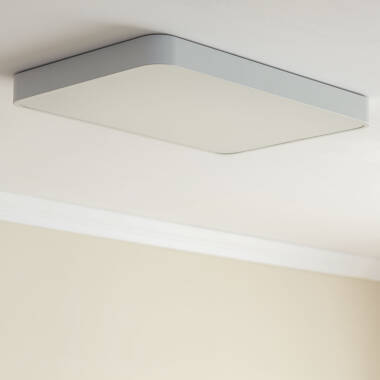
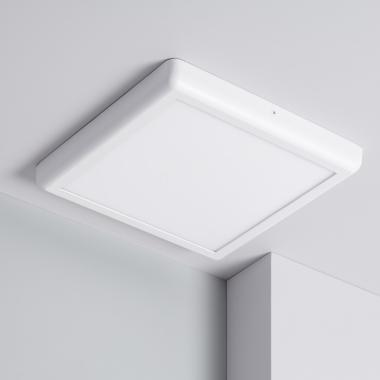
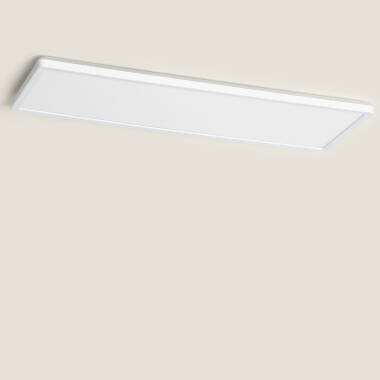
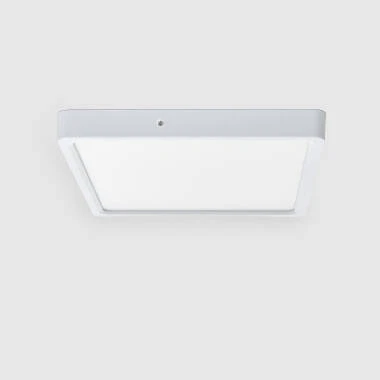
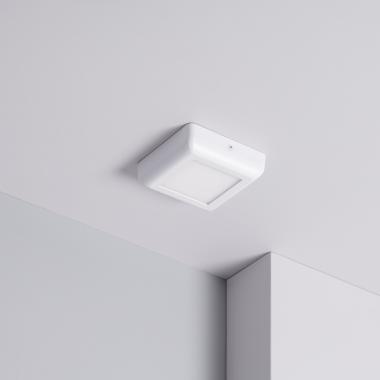
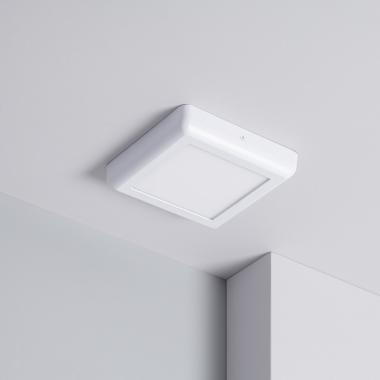
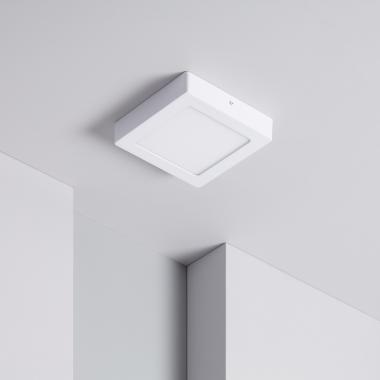
Hidria Square 40W Metal CCT Selectable LED Ceiling Light 600x400mm
In Stock, delivery in 15-20 days
- Wattage 40 W
- Voltage Range 220-240V AC
- Lumen 2700 lm





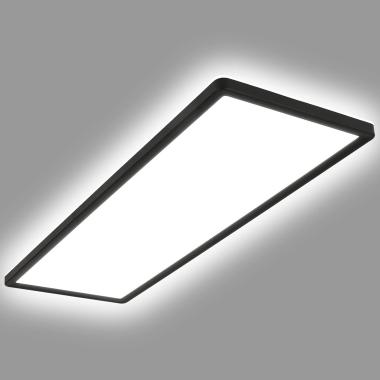
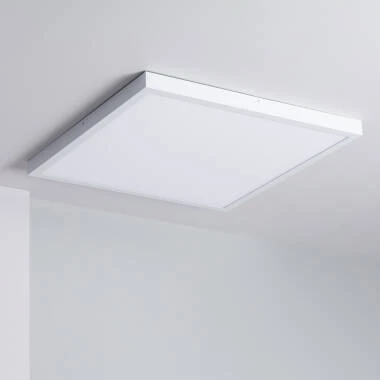
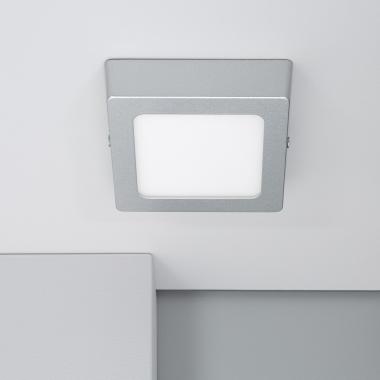
Brands related to this category


About Rectangular and square LED flush ceiling lights
These formats make it easier to adapt the light-emitting surface to the room layout and furniture arrangement. In addition to their visual appeal, the geometry of the flush ceiling light influences how the light is distributed, the visual orientation of the space and the number of fittings required to achieve uniform illumination.
When to choose a rectangular or square flush ceiling light
The choice between a rectangular and a square format should take into account the proportions of the room, the position of the electrical point and the area to be illuminated. Although both provide broad illumination, they do not distribute luminous flux in exactly the same way.
Rectangular flush ceiling lights are particularly suitable for elongated spaces such as hallways, galley kitchens, dressing rooms or work areas with long tables. Their greater length allows them to follow the direction of movement and distribute light over a wider area rather than concentrating it only around the centre.
In a hallway measuring 1.2 metres wide and 5 metres long, for example, a rectangular flush ceiling light aligned with the direction of travel can provide a more visually coherent distribution than a square model. If the space is very long, several fittings can be installed at regular intervals to avoid dark areas between them.
The square format is better suited to rooms with balanced proportions, entrance halls, compact kitchens and small offices. Its symmetrical distribution allows it to illuminate the area around the installation point evenly, particularly when the fitting is positioned in the centre of the ceiling.
It can also be used to reinforce the geometry of the interior. In spaces with straight-lined furniture, square floor tiles or modular ceilings, the flush ceiling light can integrate into the overall composition without introducing curved shapes.
Comparison with round designs
The difference between a geometric flush ceiling light and a circular one is mainly visual. Performance depends more on the LED module, diffuser and optics than on the shape, although each design integrates differently with the ceiling.
During installation, round flush ceiling lights conceal minor alignment errors more effectively. Rectangular and square models require greater precision when marking the position before drilling, ensuring that they correctly cover the electrical point and remain aligned with the walls.
Using rectangular and square flush ceiling lights according to the space
The shape should suit the proportions of the space and the activity taking place there. Light distribution will be more effective when the fitting follows the route, table, worktop or work area that needs to be illuminated.
- Hallways and circulation areas: rectangular flush ceiling lights follow the direction of travel and provide more uniform illumination along long routes, while a centrally positioned flush ceiling light may be more suitable in square spaces. The spacing between fittings should prevent dark areas and be adjusted according to mounting height, luminous flux and the photometric performance of the model.
- Kitchens: rectangular flush ceiling lights can be aligned with worktops or islands to improve coverage, although they often require supplementary under-cabinet or task lighting. In small kitchens, a central square flush ceiling light may be sufficient, while elongated spaces are better suited to a rectangular format or several fittings. Neutral white light at 4,000 K and a CRI ≥80 are recommended.
- Offices and workspaces: uniform illumination of 300 to 500 lux is required to reduce shadows and reflections on screens. Square flush ceiling lights work well in grid layouts for multiple workstations, while rectangular models suit long desks or meeting rooms. They are an interesting alternative to LED panels, especially where there is no suspended ceiling.
Frequently asked questions about rectangular and square LED flush ceiling lights
The most common questions concern light distribution, installation, dimensions and choosing between geometric shapes.
Does a rectangular flush ceiling light provide more light than a square one?
Not necessarily. The amount of light depends on luminous flux, measured in lumens, rather than the shape. A square model rated at 2,000 lm can provide more light than a rectangular model rated at 1,500 lm. Geometry mainly affects distribution and visual integration.
How should a rectangular flush ceiling light be positioned?
It is normally aligned with the main axis of the room, the worktop, the table or the direction of the hallway. Before drilling, it is advisable to mark a reference line parallel to the wall to prevent the fitting from appearing visually misaligned.
What size should the flush ceiling light be?
The overall dimensions should be proportionate to the room, but luminous flux is the key factor. In small spaces, a model measuring 20 to 30 cm may be sufficient, while larger areas may require formats of 40 to 60 cm or several distributed fittings.
Can several square flush ceiling lights be installed together?
Yes. They can be arranged in a line or grid while maintaining regular spacing. This solution improves uniformity in kitchens, offices and large spaces, provided the total wattage and the position of each light point are calculated correctly.
Are they suitable for low ceilings?
Yes. Low-profile surface-mounted models take up very little vertical space and are suitable for low ceilings. A fitting only a few centimetres deep provides general lighting without visually reducing the room in the way a pendant light might.
What colour temperature should you choose?
3,000 K is suitable for relaxation areas and warm environments. 4,000 K works well in kitchens, offices, hallways and work areas. It is advisable to use the same colour temperature in nearby fittings to avoid visible differences.
Can they replace an LED panel?
In small rooms or spaces without a suspended ceiling, yes, they can provide a similar form of general lighting. In large offices, classrooms or areas with many workstations, an LED panel usually provides a larger light-emitting surface and more uniform distribution.