
Aluminium profiles for LED strips
LED strip profiles are a key element for achieving a clean, safe installation with a professional finish. They not only serve an aesthetic purpose, but also protect the LED strip, improve heat dissipation, and help extend its service life.


Our featured products from Aluminium profiles for LED strips
£6.19
 (8)
(8)Ref 128652
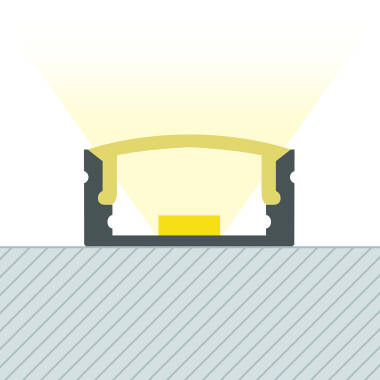
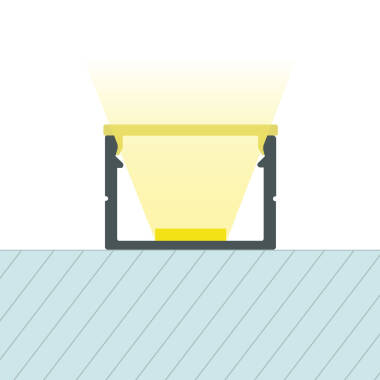
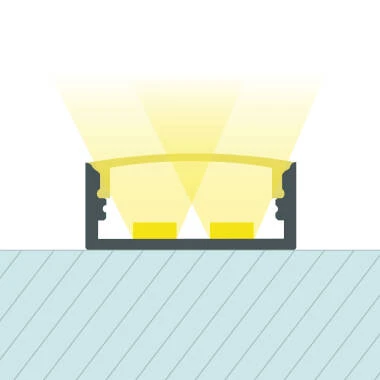
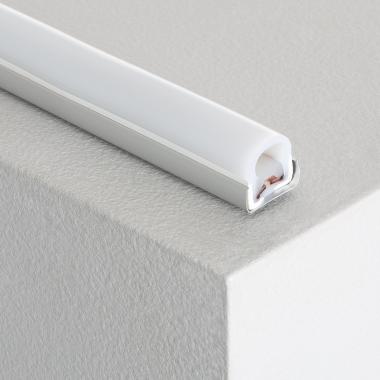
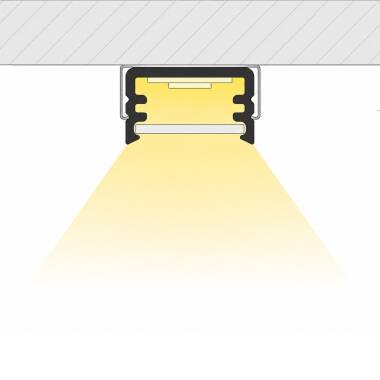
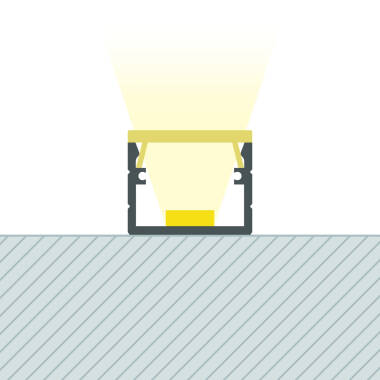
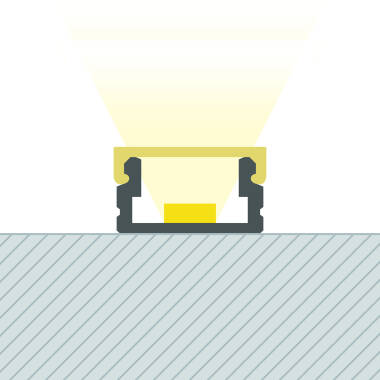
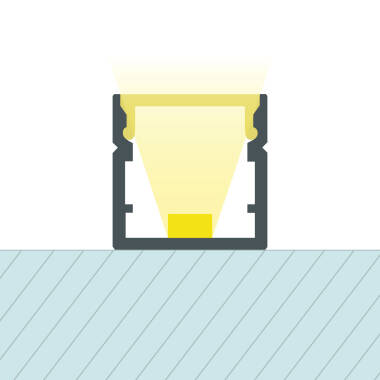
AluminiumSurface Mounted Aluminium Profile for LED Strip up to 12mm
In Stock, delivery in 24/48h
- Dimensions 9 mm x 17 mm x 2 m
- Width 17 mm
- Fitting Material PC, Aluminium
3 options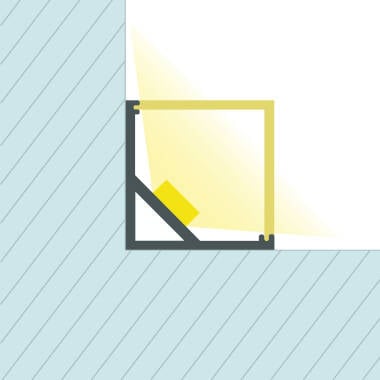
£7.19
Ref 151733
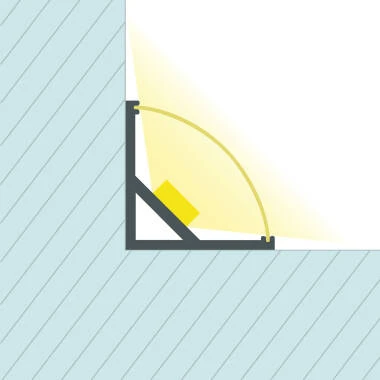
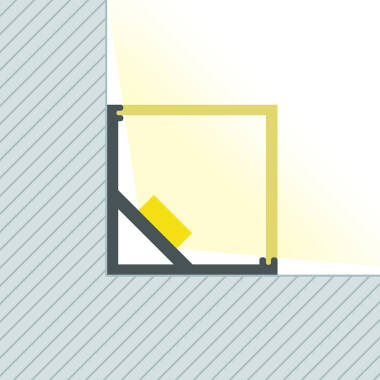
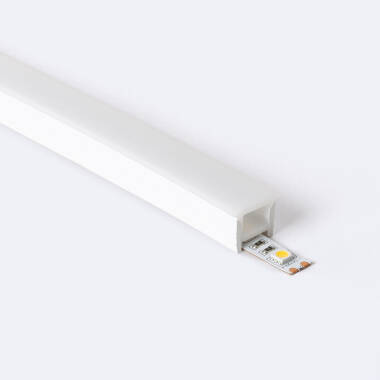
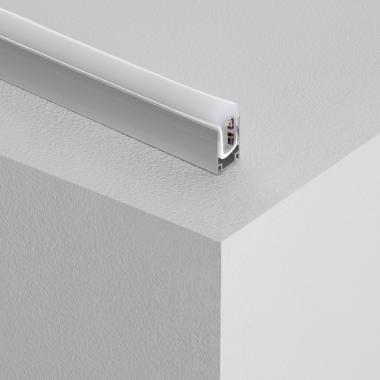
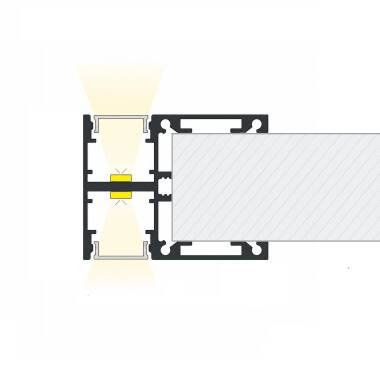
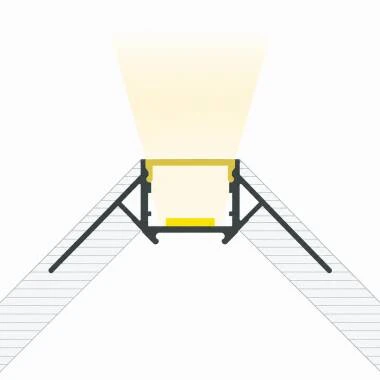
Aluminium2m Triangular Aluminium Corner Profile for LED Strip up to 10mm
In Stock, delivery in 24/48h
- Dimensions 16 mm x 16 mm x 2 m
- Width 16 mm
- Fitting Material Aluminium
6 options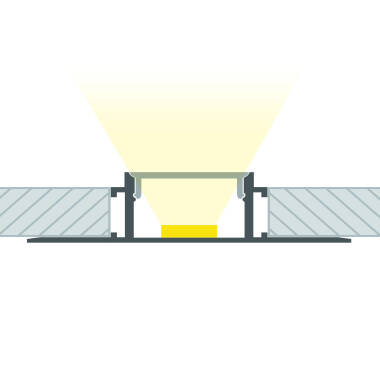
£12.49
Ref 129001
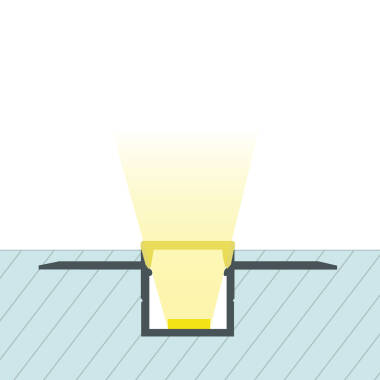
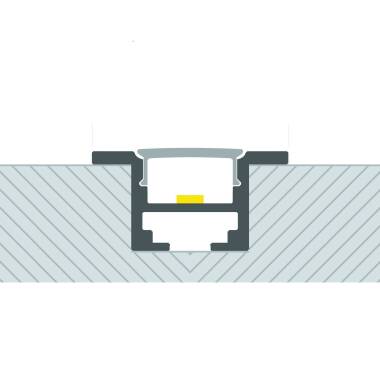
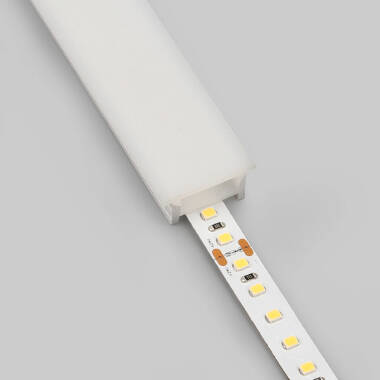
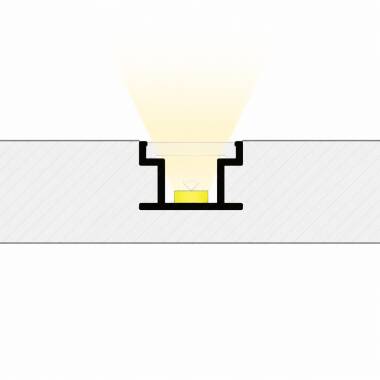
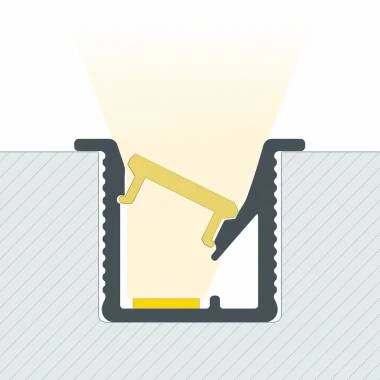
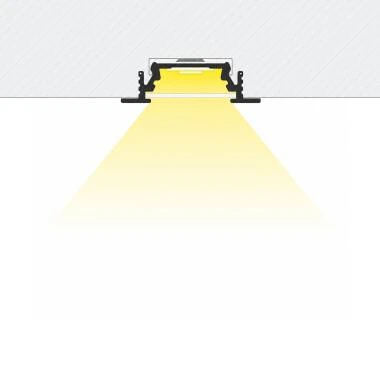
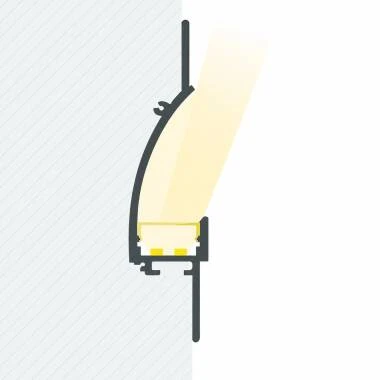
AluminiumPlaster-in Recessed Aluminium Profile for LED Strip up to 20mm
In Stock, delivery in 24/48h
- Dimensions 22 mm x 50 mm x 2 m
- Width 50 mm
- Fitting Material Aluminium
3 options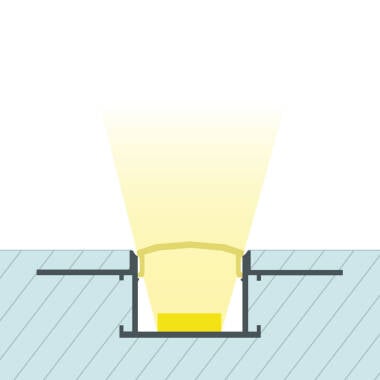
£11.39
 (2)
(2)Ref 128913
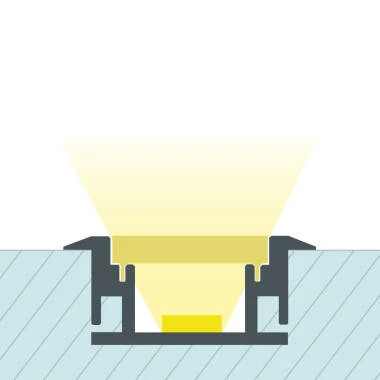
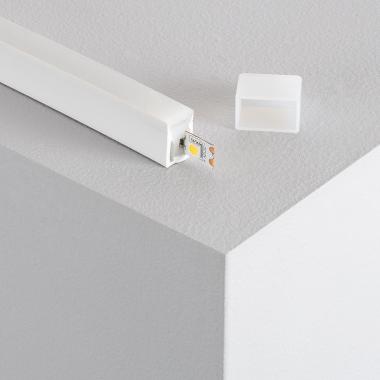
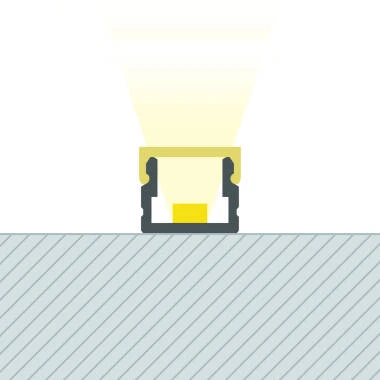
AluminiumPlaster-in Recessed Aluminium Profile for LED Strip up to 20mm
In Stock, delivery in 24/48h
- Dimensions 13.8 mm x 61.6 mm x 2 m
- Width 61.6 mm
- Fitting Material Aluminium
3 options


You may also be interested in
About Aluminium profiles for LED strips
Thanks to the wide variety of available formats, LED profiles allow LED lighting to be integrated into almost any space: ceilings, walls, furniture, shelves, staircases, or outdoor areas. Their use makes the difference between a basic installation and a well-executed, long-lasting lighting project.
What are LED strip profiles and what are they used for?
LED strip profiles are structures designed to house and protect the LED strip. Most of them are made of aluminium, a material particularly suitable due to its ability to dissipate the heat generated by LEDs, improving both performance and durability.
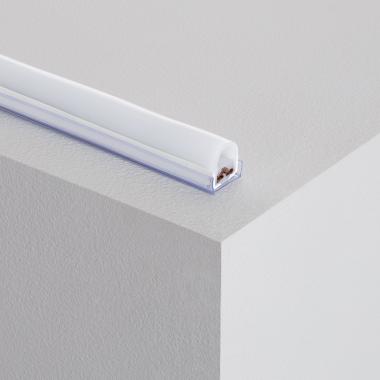
In addition to protecting the LED strip from impacts, dust, or dirt, profiles help direct the light, reduce glare, and achieve a more discreet and aesthetically pleasing integration into the space. In some specific cases, there are also profiles made of silicone, designed for applications where greater flexibility is required.
Advantages of using LED strip profiles
Using profiles offers multiple benefits in any lighting project:
- Improved heat dissipation thanks to aluminium.
- Greater protection for the LED strip.
- Cleaner, more professional aesthetic finish.
- Reduced glare through the use of diffusers.
- Easy integration into architectural elements and furniture.
For these reasons, profiles are an almost essential accessory when a high-quality result is required.
Types of LED strip profiles by installation method
There are different types of profiles designed to suit each installation need and mounting method. Choosing the right model allows the lighting to be integrated in a natural and functional way.
Surface-mounted profiles
The surface-mounted profiles are installed directly onto walls, ceilings, or furniture. They are one of the most versatile options and are used in both decorative and functional lighting, especially when recessed installation is not possible.
This type of profile is ideal for renovations or existing installations, as it does not require construction work and allows linear lighting to be added quickly and efficiently.
Recessed profiles
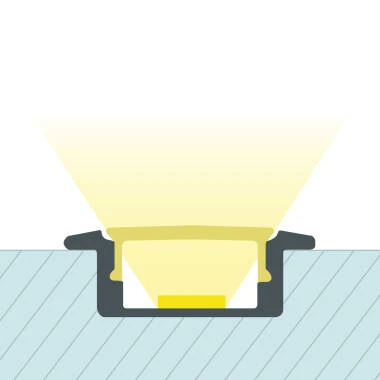
The recessed profiles allow lighting to be integrated flush with the surface, becoming almost invisible once installed. They are widely used in ceilings, walls, and floors when a minimalist and discreet finish is desired.
This type of profile is common in new-build projects or full renovations where lighting is part of the architectural design.
Suspended profiles
The suspended profiles are hung from the ceiling and function as linear luminaires. They are commonly used in offices, retail spaces, and modern environments where LED lighting plays a key role in the overall design.
In addition to their lighting function, they add strong visual impact and help define different zones within the same space.
Profiles for plaster or plasterboard integration
The plasterboard integration profiles allow the profile to be completely concealed within plasterboard or plaster ceilings and walls, creating continuous lines of light perfectly integrated into the architecture of the space.
This type of solution is highly valued in interior design projects where lighting is intended to be part of the architectural language itself.
Stair profiles
The stair profiles are designed to illuminate steps and walkways, improving visibility and safety. They also add a very attractive aesthetic effect to both indoor and outdoor staircases.
Their use contributes to safer and more comfortable lighting, especially in areas with limited natural light.
Wardrobe profiles
The wardrobe profiles make it easy to illuminate the interior of wardrobes and walk-in closets. They provide uniform light that improves visibility of the contents and enhances everyday usability.
They are highly practical for optimising space and improving the user experience in storage areas.
Shelf profiles
The shelf profiles integrate easily into shelves and furniture, providing functional or decorative lighting without altering the original design.
They allow objects, products, or decorative elements to be highlighted in both residential and commercial environments.
Corner profiles
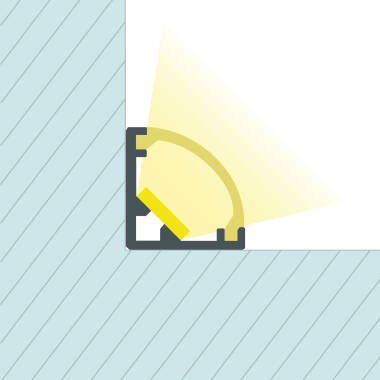
The corner profiles are designed to be installed at 90-degree angles, such as corners between walls or between a wall and furniture. They allow light to be directed efficiently and help create very pleasant indirect lighting effects.
They are especially useful for highlighting volumes, adding depth to a space, and avoiding direct glare.
Outdoor LED profiles
The outdoor LED profiles are designed to withstand demanding environmental conditions such as humidity, dust, and temperature changes. They are used on façades, terraces, gardens, and other outdoor areas.
They ensure additional protection for the LED strip and reliable operation in installations exposed to the elements.
Profiles with integrated LED strip
The profiles with integrated LED strip represent a specific case within this category. Instead of acting as a support for a separate LED strip, they integrate the lighting system directly into a rigid body, offering a compact and fully assembled solution.
This type of product is closer to the concept of a linear luminaire than to that of a traditional profile, as it does not require handling the strip or carrying out additional assembly. It is therefore particularly attractive for projects where fast installation, a uniform finish from the outset, and a closed solution with a clean, functional design are required.
Materials used in LED strip profiles
The material of the profile directly affects performance, durability, and the final finish of the installation. Although aluminium is the predominant material, there are also silicone solutions and profiles that combine different materials to meet very specific requirements.
Aluminium profiles
Aluminium profiles are the most commonly used in LED lighting due to their excellent heat dissipation capabilities. This material helps remove the heat generated by the LED strip, improving performance and extending its service life.
In addition to its functionality, aluminium offers high mechanical strength and a clean, professional finish, making it the most popular choice for both residential and professional projects.
Silicone profiles
Silicone profiles are used in very specific models where greater flexibility or a more continuous and adaptable finish is required. This type of profile makes it easier to follow curves or irregular shapes.
Although they do not offer the same level of heat dissipation as aluminium, they are a suitable solution for specific applications where aesthetics or adaptability take priority.
Profiles combining aluminium and other materials
There are profiles that combine aluminium with other materials such as polycarbonate (PC) or silicone. In these cases, the body of the profile is usually made of aluminium to ensure good heat dissipation, while the diffuser or cover is made of PC or silicone.
This combination brings together strength, good thermal performance, and softer light diffusion, offering balanced solutions for projects that require a refined finish and optimal lighting integration.
How to choose the right profile for your LED strip
To choose the most suitable profile, it is advisable to first analyse the type of installation to be carried out—surface-mounted, recessed, or suspended—as well as the usage environment and the conditions it will be exposed to. A profile for indoor furniture is very different from one intended for outdoor use or high-traffic areas, where resistance and protection are more critical.
It is also essential to consider whether the LED strip will remain visible or integrated, whether a specific diffuser is needed to soften the light, or whether the profile must offer additional protection against impacts, dust, or moisture. Defining these aspects from the outset helps avoid mistakes and ensures a cleaner, more functional integration.
Choosing the right profile significantly improves the final lighting result, optimises LED strip performance, and ensures a more durable, safe, and professional installation.
Professional integration of LED lighting
LED strip profiles allow any lighting project to be taken to the next level. Thanks to the variety of formats and materials available, light can be integrated elegantly, safely, and functionally into all types of spaces.
Exploring the options in this category makes it easier to find the right profile for each application, ensuring a refined finish, better protection for the LED strip, and a high-quality visual result.
Frequently asked questions about LED strip profiles
Is it mandatory to use profiles with LED strips?
No, it is not mandatory, but it is highly recommended. Profiles improve the installation finish, protect the LED strip, and help dissipate heat, contributing to better performance and longer system lifespan.
What is the best material for LED strip profiles?
Aluminium is the most widely used and recommended material in most installations, as it offers excellent heat dissipation and high durability. Other materials, such as silicone or profiles combined with polycarbonate, are used in more specific applications where flexibility or a particular type of light diffusion is required.
Do profiles affect the amount or quality of light?
Yes. The profile, especially the diffuser, influences how the light is distributed. A good profile helps soften the light, reduce glare, and achieve a more uniform and visually comfortable line of light.
Do profiles help extend the lifespan of the LED strip?
Yes. By improving heat dissipation—especially with aluminium profiles—the thermal stress on the LED strip is reduced. This results in more stable operation and longer overall lifespan.
Can LED strip profiles be used outdoors?
Yes, as long as they are designed for outdoor use. There are profiles suitable for resisting moisture, dust, and temperature changes. In these cases, it is also important to ensure proper connections and adequate protection of the installation.
Can I use the same profile with different LED strips?
In many cases, yes, provided that the profile dimensions are compatible with the strip. It is important to check the available width and ensure that the profile can properly dissipate the heat generated.