
LED strip Connectors
LED strip connectors enable fast, secure, and solder-free connections, making installation easier while ensuring electrical continuity across the entire system.
Our featured products from LED strip Connectors
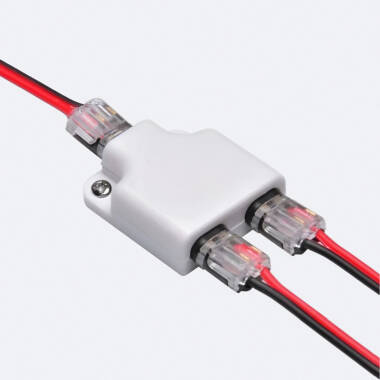
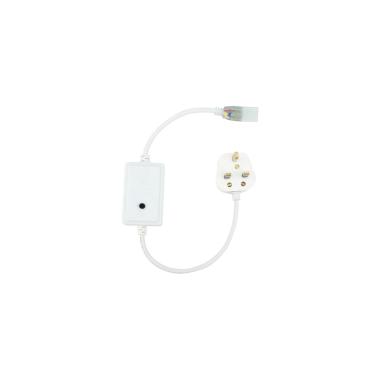
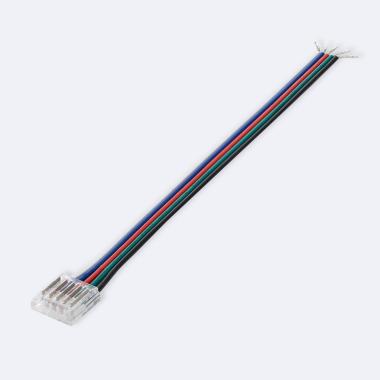
£5.49
- Voltage Range 12V DC, 24V DC
- IP Rating IP40
- Fitting Material PC
3 options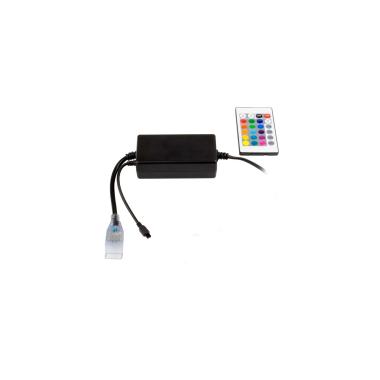
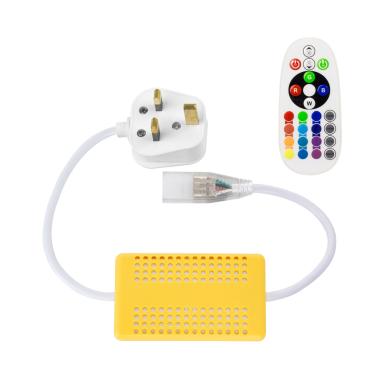
£9.29
Ref 4854
UltraPower Controller for a 220V RGB LED Strip + IR Remote Control with 24 Buttons
In Stock, delivery in 24/48h
- Wattage 720 W
- Voltage Range 220-240V AC
- IP Rating IP20
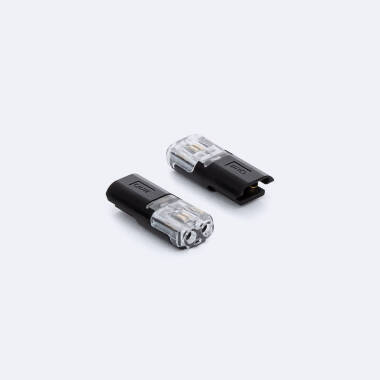
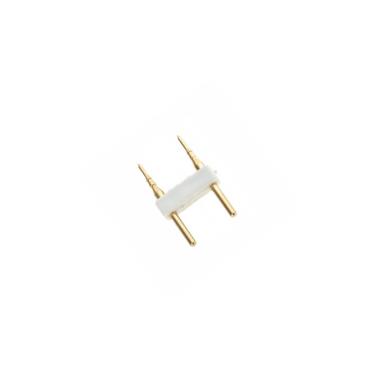
£6.49
 (1)
(1)- Voltage Range 12V DC, 24V DC
- IP Rating IP40
- Fitting Material PC




You may also be interested in
Brands related to this category


About LED strip Connectors
In any LED strip installation, connectors play a key role by simplifying assembly and ensuring reliable connections between strip sections, power inputs, or accessories. Although often considered a secondary component, choosing the right connector has a direct impact on system stability and long-term performance.
What are LED strip connectors
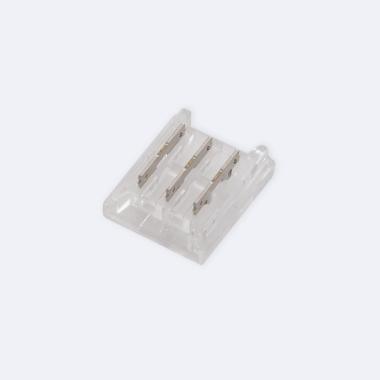
LED strip connectors are components designed to join strip sections, create direction changes, or connect the strip to the power supply without the need for soldering. Their function is to ensure a stable electrical connection, preventing contact loss or intermittent faults.
Within the range of LED Strip Accessories, connectors are among the most commonly used elements, especially in installations where speed, precision, and ease of installation are important.
Types of connectors by function
Not all connectors serve the same purpose. Choosing the right type depends on the installation and the desired result.
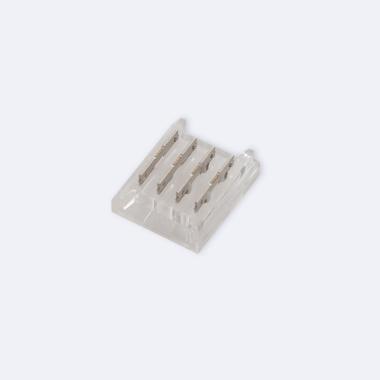
Straight connectors
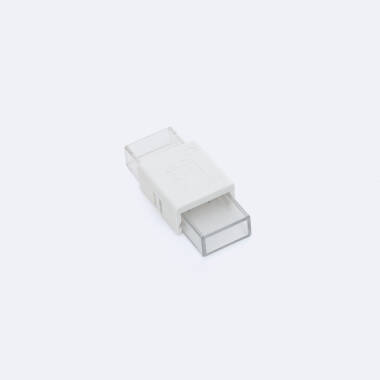
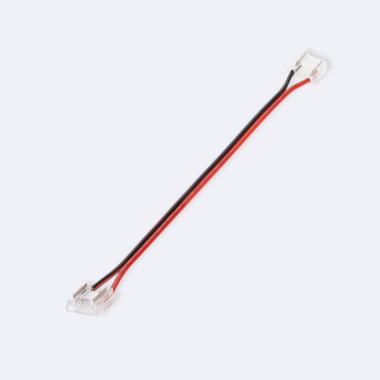
These are used to join two LED strip sections in a straight line. They are commonly used to extend strip length without cutting cables or soldering.
This type of connector maintains both electrical and mechanical continuity, provided polarity is correctly respected.
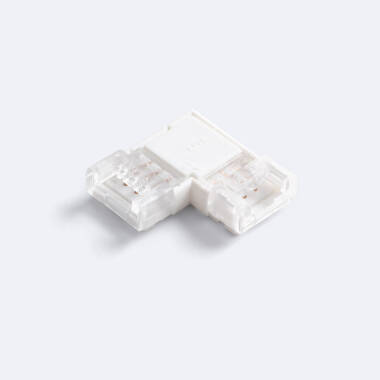
Angle connectors (L, T, or cross)
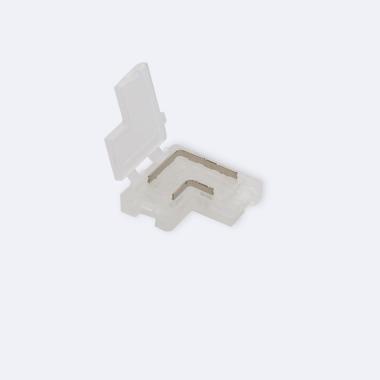
These connectors allow for direction changes or branching. They are particularly useful in corners, frames, or installations where the strip must adapt to the geometry of the space.
Their use prevents excessive bending of the strip, which could damage the internal circuitry.
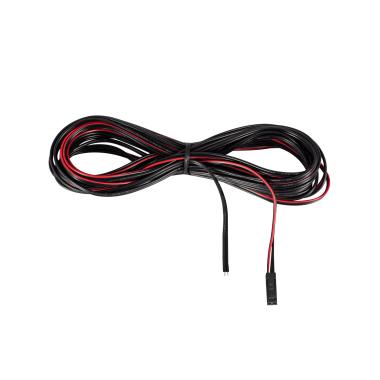
Power connectors
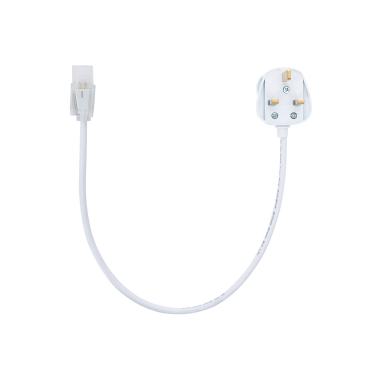
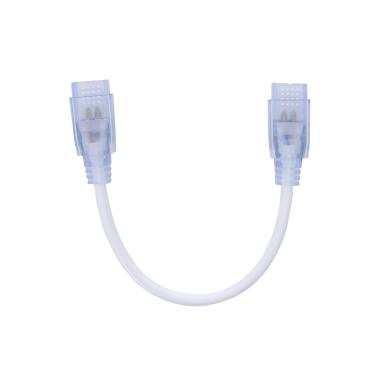
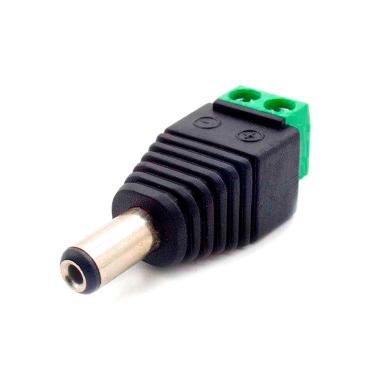
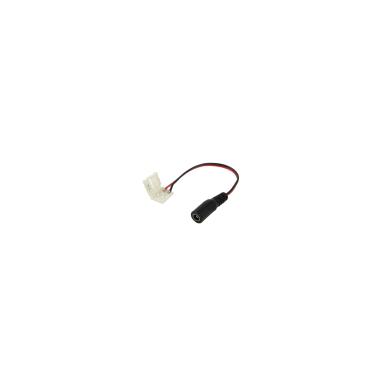
These are used to connect the LED strip to the power supply via cable. They are essential for starting the installation or powering independent sections.
A good connection at this point is critical to avoid voltage drop or poor contact.
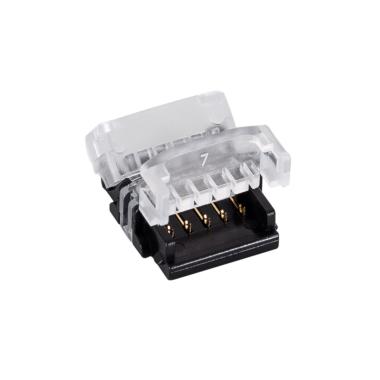
Connectors for RGB and multi-channel strips
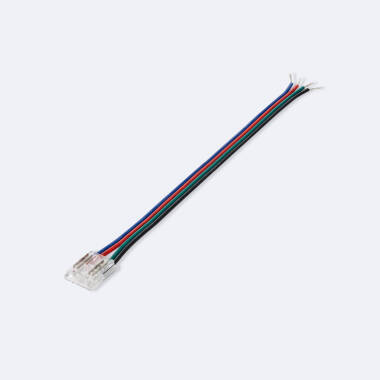
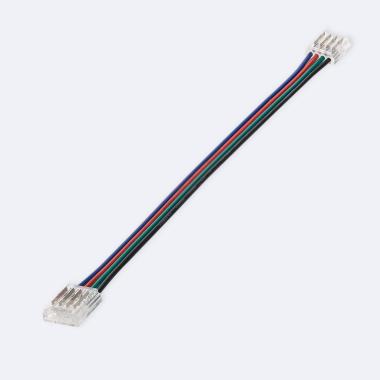
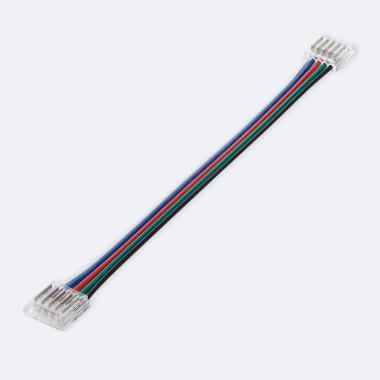
RGB or RGBW strips require specific connectors with additional pins, as they need to manage multiple color channels. Using the wrong connector may prevent proper lighting control.
Compatibility with the LED strip
One of the most common mistakes is choosing connectors without checking compatibility with the LED strip.
Strip width
Connectors are designed for specific widths (8 mm, 10 mm, 12 mm…). They must match the strip width exactly to ensure proper contact.
LED type and density
Some high-density LED strips or specific encapsulations may require dedicated connectors. In these cases, the available contact area is more limited.
Number of pins
Single-color strips typically have 2 pins, RGB strips have 4, and RGBW strips may have 5. The connector must match this configuration to function correctly.
Advantages over soldering
While soldering remains a valid option in professional installations, connectors offer clear advantages in many cases.
Faster installation
Connections can be made in seconds, without special tools or advanced technical knowledge.
Reduced risk of error
By eliminating soldering, the risk of damaging the strip due to heat or creating faulty connections is significantly reduced.
Greater flexibility
They allow for easy modifications, extensions, or replacements without having to redo the entire installation.
Limitations and best practices
Despite their advantages, connectors must be used correctly to avoid issues.
Contact quality
Improperly closed connectors can cause intermittent faults. It is important to ensure that the copper pads make full contact.
Outdoor use
In outdoor installations, connectors must be properly protected or installed inside waterproof enclosures. Moisture can affect electrical contact.
High-power installations
In long runs or high-power systems, soldering remains more reliable, especially where higher current is involved.
Typical applications
Connectors are used in almost any LED strip project, although their importance varies depending on the type of installation.
Residential projects
In homes, they enable quick installations in furniture, indirect lighting, or decorative applications without the need for specialized tools.
Commercial spaces
In retail stores or display windows, they allow for fast setups and frequent modifications, which are common in these environments.
Temporary installations
In events or temporary setups, connectors make it easy to dismantle and reuse the installation.
Frequently asked questions about LED strip connectors
Are connectors as reliable as soldering?
Yes, as long as they are used correctly and are compatible with the strip. For demanding or high-power installations, soldering may provide greater reliability.
Can connectors be reused?
It depends on the model. Some connectors can be reopened and reused, but in general, repeated use is not recommended to ensure proper contact.
What happens if the connector does not make proper contact?
This can cause flickering, loss of brightness, or intermittent faults. It is important to check that the strip is properly inserted.
Can they be used outdoors?
Yes, but they must be protected against moisture and dust using waterproof enclosures or connectors with an appropriate IP rating.
Are connectors necessary in every installation?
No. In more technical or permanent installations, soldering is still commonly used. Connectors are a practical alternative when speed and ease of installation are required.