
12/24V LED Bulbs
12V/24V LED bulbs are designed for low-voltage installations where efficient, safe lighting compatible with specific systems is required.
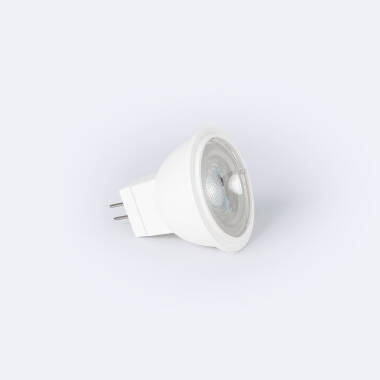
Our featured products from 12/24V LED Bulbs
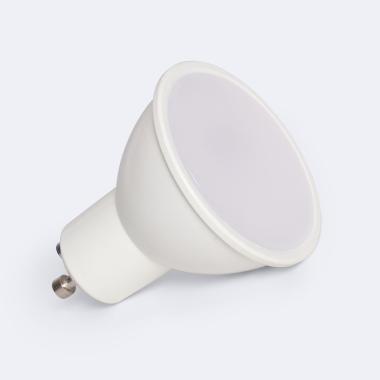
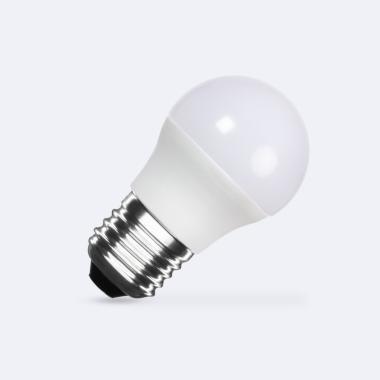
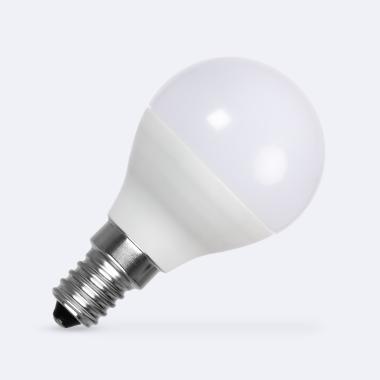
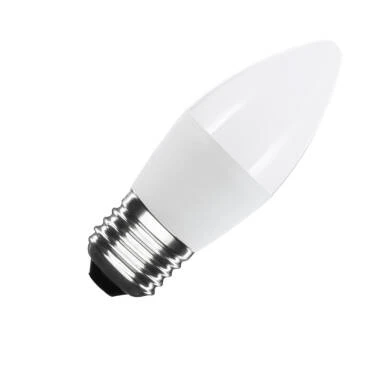
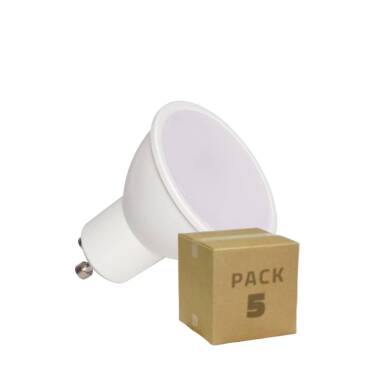
Essential
£1.99
 (5)
(5)- Wattage 6 W
- Voltage Range 12V DC, 24V DC
- Lumen 550 lm
3 options- -25%
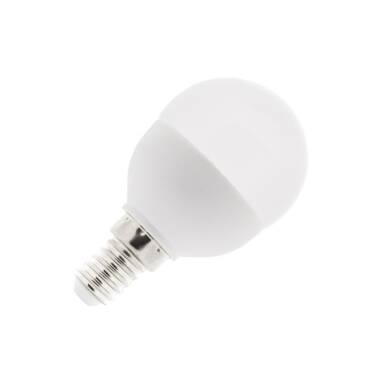
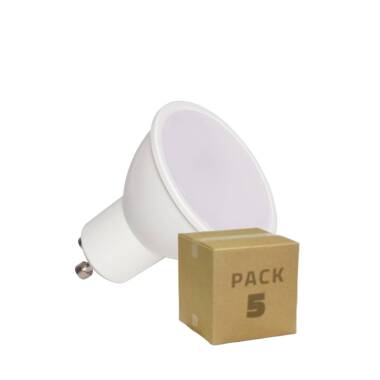
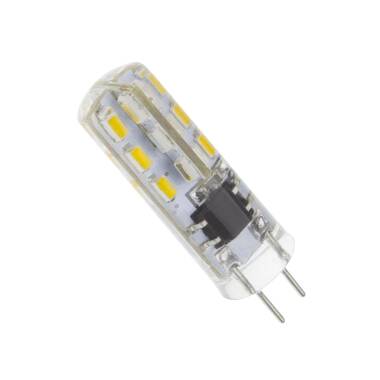
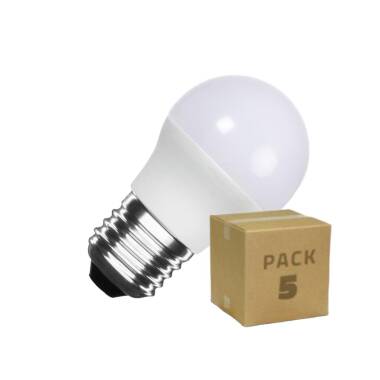
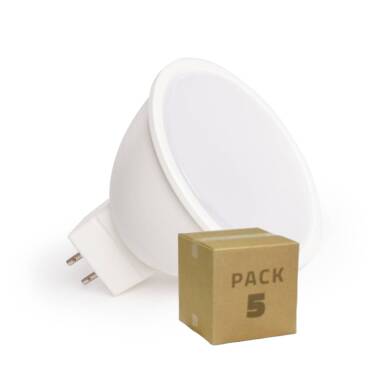
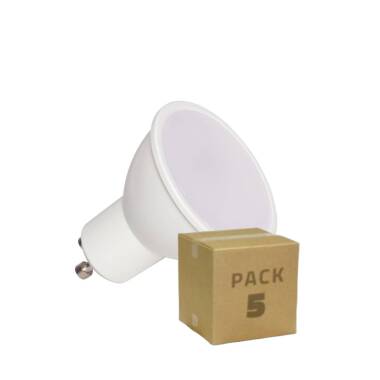
Essential
Before £1.69
£1.26
 (12)
(12)- Wattage 5 W
- Voltage Range 12V DC, 24V DC
- Lumen 400 lm
- -17%
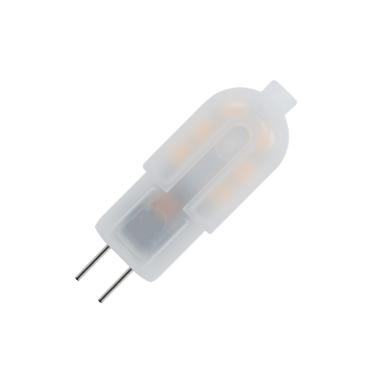
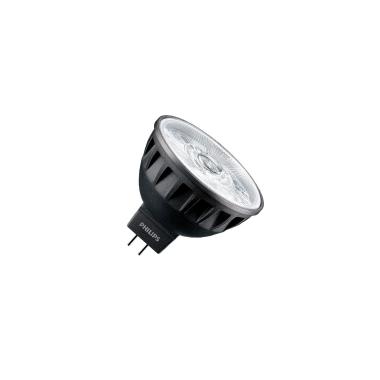
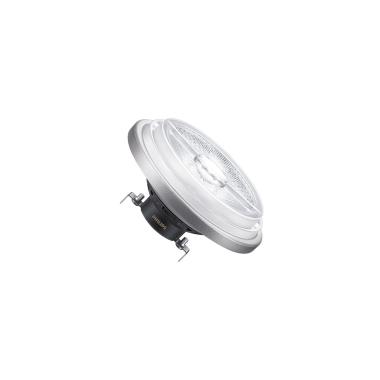
Before £12.69
£10.59
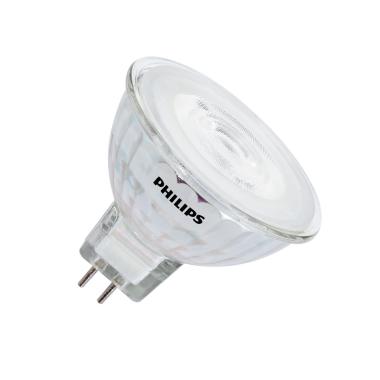
PhilipsRef 4602
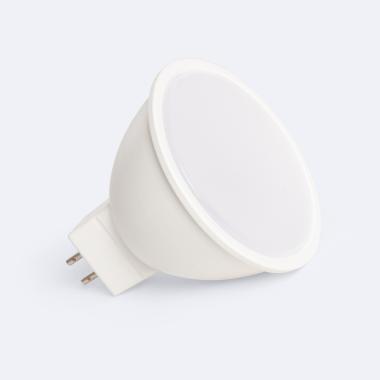
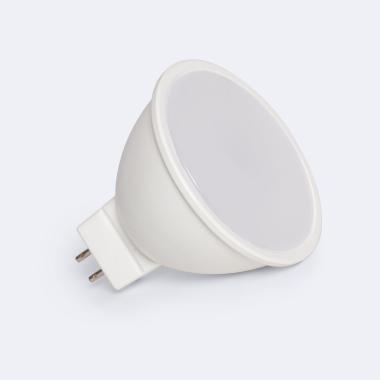
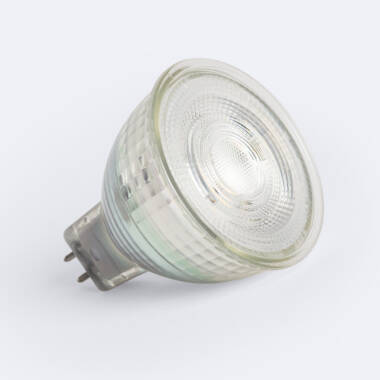
Adjustable12V GU5.3 MR16 Dimmable LED Bulb PHILIPS SpotVLE 7W 36º 660 lm
In Stock, delivery in 24/48h
- Wattage 7 W
- Voltage Range 12V AC
- Lumen 660 lm
2 options - -20%
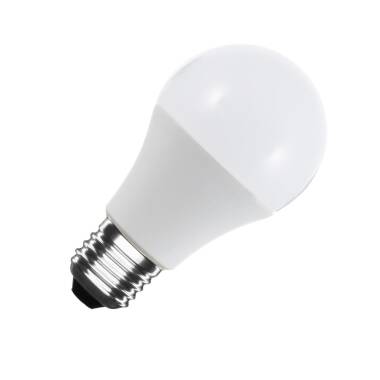
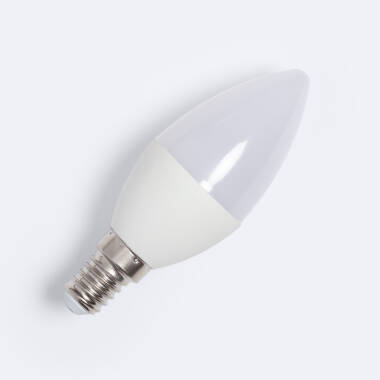
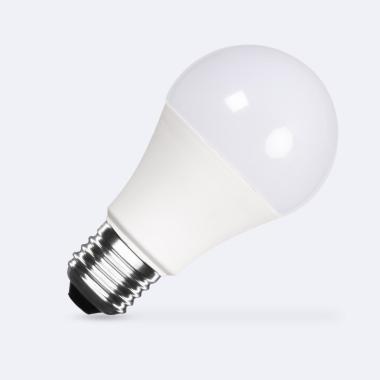
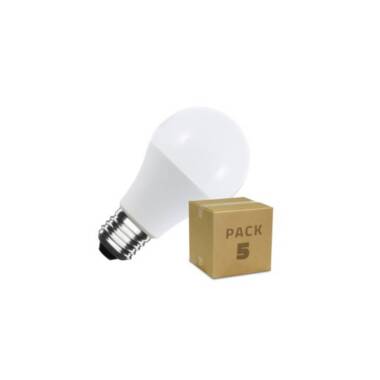
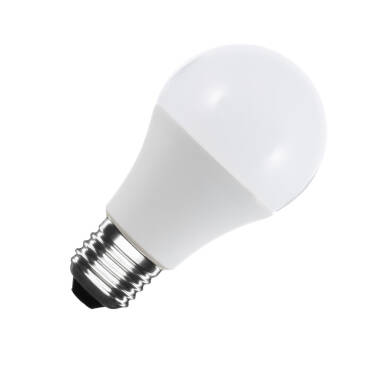
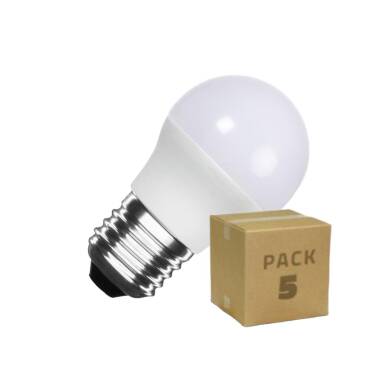
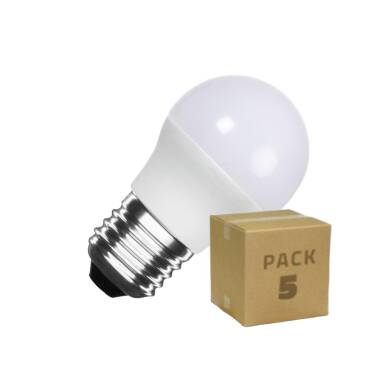
Essential
Before £1.99
£1.59
(3)- Wattage 8 W
- Voltage Range 12V AC, 12V DC, 24V AC, 24V DC
- Lumen 640 lm










Brands related to this category


About 12/24V LED Bulbs
Among LED bulbs, 12 V and 24 V models are used in furniture, vehicles, boats, solar installations, caravans, display cabinets and projects where the power supply does not operate directly at 230 V.
What are 12V/24V LED bulbs
12V/24V LED bulbs are light sources designed to operate at low voltage. Unlike standard household bulbs, which are usually connected directly to the 220–240 V mains supply, these models require a power supply adapted to 12 V or 24 V.
This type of bulb is used in installations where low voltage offers practical or safety advantages. In very compact spaces, mobile environments, battery-powered systems or areas where reducing electrical risk is desirable, operating at 12 V or 24 V can be an appropriate solution.
They are also commonly used to replace small low-voltage halogen lamps. In these cases, the base may match, but actual compatibility also depends on the transformer, the type of current and the minimum power required by the power supply equipment.
12 V or 24 V: how to know which one you need
12 V and 24 V bulbs operate at different voltages, so they must match the installation or power supply being used. 12 V bulbs are common in decorative lighting, furniture, display cabinets, caravans, boats, small spotlights, halogen replacements and systems powered by batteries or transformers. 24 V bulbs are mainly used in larger or professional installations, industrial vehicles, technical applications, solar systems and linear or decorative lighting projects, as they reduce wiring losses compared with 12 V systems.
To choose correctly, check the label on the old bulb, light fitting or power supply. The voltage should not be selected by guesswork or based only on the base: the same format may be available in 12 V, 24 V or 230 V versions. The base only indicates how the bulb connects to the lamp holder, not its operating voltage.
AC or DC: the detail that should not be overlooked
In addition to the voltage value, it is necessary to check whether the bulb operates on alternating current, direct current or both. This is particularly important in low-voltage systems because not all installations provide the same type of power.
A bulb marked 12 V AC is designed to operate on alternating current, normally supplied by a transformer. A 12 V DC bulb requires direct current, which is common in batteries, electronic power supplies or solar installations. Some models support AC/DC, meaning they can operate with either type of supply within the specified range.
The difference is important. A bulb designed only for direct current may not operate correctly if connected to an AC output. The opposite can also happen: a bulb designed for AC may cause problems in a DC installation if its electronics are not designed for it.
Direct current is common in caravans, boats, vehicles and solar systems. By contrast, many domestic low-voltage installations originally designed for halogen lamps use transformers that provide alternating current. For this reason, when replacing an old bulb, it is not enough to check whether it is 12 V or 24 V: you should also confirm whether the equipment output is AC, DC or compatible with both.
Transformers for low-voltage LED bulbs
The transformer must match the voltage of the bulbs, be compatible with LED and provide enough power for the total load. Older halogen transformers may cause flickering or failures because they often require a minimum load. For this reason, it is usually advisable to replace them with a 12 V or 24 V LED driver, as appropriate.
Where 12V/24V LED bulbs are used
Low-voltage LED bulbs are used in a wide range of applications, especially where the environment, type of power supply or size of the light fitting makes operating below 230 V more practical.
- Furniture, display cabinets and shelving: compact lighting for highlighting objects and improving visibility. Warm or neutral tones between 2700 K and 4000 K are commonly chosen.
- Caravans, motorhomes and boats: direct connection to 12 V or 24 V DC batteries. It is important to check the installation voltage.
- Off-grid solar installations: allow battery energy to be used without always converting it to 230 V.
- Decorative lighting, signage, shop windows and technical spotlights: provide compact and safe solutions.
How to choose 12V/24V LED bulbs
The selection process should begin with the exact voltage. Installing a 12 V bulb on a 24 V line, or a low-voltage bulb on a 230 V supply, can cause immediate damage. For this reason, reading the label or technical data sheet is essential.
Next, check whether the power supply is AC, DC or compatible with both. Batteries usually provide direct current, while many halogen replacement installations operate on alternating current from a transformer. This difference is essential for ensuring compatibility.
As with other bulbs or light sources, choosing the right 12V/24V LED bulb requires checking three main factors according to the intended use and installation location: lumens, colour temperature and beam angle.
- Lumens indicate the amount of light, while watts indicate energy consumption.
- Colour temperature should suit the application: 2700–3000 K provides warm, decorative light, while 6000 K produces white, functional lighting.
- Beam angle determines light distribution: a wide angle provides more uniform illumination, while a narrow angle is suitable for highlighting specific areas.
Finally, heat dissipation should be checked. Although LED uses little energy, it still generates heat, so bulbs should not be installed too tightly inside enclosed or compact light fittings.
Frequently asked questions
The most common questions about 12V/24V LED bulbs concern voltage, current type, transformers and the replacement of older low-voltage halogen lamps.
Can I use a 12 V bulb in a 24 V installation?
No. A 12 V bulb should not be connected to 24 V because it would receive twice the voltage it was designed for and could be damaged immediately. Always use a bulb with the same rated voltage as the installation, or install a suitable power supply that reduces the voltage to 12 V.
Will a 24 V bulb work in a 12 V installation?
It will normally not work correctly, as it may not switch on or may operate at very low brightness. Even if it is not immediately damaged, it will not operate under its rated conditions or provide the expected luminous flux, so it is advisable to use a bulb specifically designed for 12 V.
What is the difference between 12 V AC and 12 V DC?
12 V AC means alternating current, which is common with many halogen transformers, while 12 V DC means direct current, which is common in batteries, electronic power supplies, caravans, boats and solar systems. The bulb must be compatible with the available type of current unless it is expressly marked as AC/DC compatible.
Can I replace 12 V halogen bulbs with LED and keep the transformer?
It may work, but not always, because many older transformers require a minimum load and LED bulbs consume much less power than halogen lamps. If flickering, start-up failures or instability occur, it is usually advisable to replace the transformer with a compatible 12 V LED power supply sized for the total installed load.
What power rating should the LED driver have?
The driver should cover the combined wattage of all connected bulbs and include a safety margin so that it does not operate continuously at its limit. If six 3 W bulbs are installed, the total load will be 18 W, so a 12 V or 24 V power supply, as appropriate, should be selected with sufficient capacity to power the whole system reliably.
Are 12V/24V LED bulbs dimmable?
Not all of them are dimmable. If brightness adjustment is required, the bulb must be explicitly marked as dimmable, and the dimmer or driver must also be LED-compatible. In low-voltage installations, dimming performance may depend on both the bulb and the power supply being used, so the compatibility of all components should be checked.
Why does a low-voltage LED bulb flicker?
Flickering may be caused by an incompatible transformer, insufficient minimum load, an incorrect AC/DC output, a poor-quality power supply or an incompatible dimming system. To identify the problem, check that the voltage, current type and total connected load match the specifications of both the bulb and the power supply.
Can 12V/24V LED bulbs be used outdoors?
Yes, provided the light fitting and installation are suitable for outdoor use, because low voltage does not remove the need for protection against moisture, dust or water. In these cases, the IP rating of the complete system should be checked, the connections must be properly sealed and the power supply should be installed in a protected location.