
Philips LED Bulbs
Philips LED bulbs offer solutions for domestic and professional lighting, with different bases, wattages, shapes and colour temperatures to suit each installation.


Our featured products from Philips LED Bulbs
- -17%
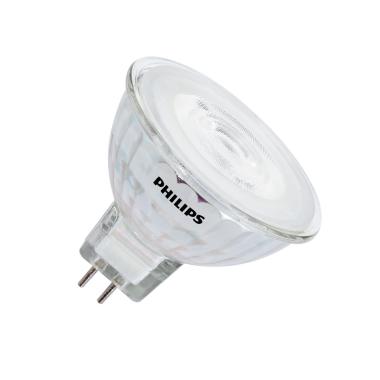
Before £12.69
£10.59
PhilipsRef 4602
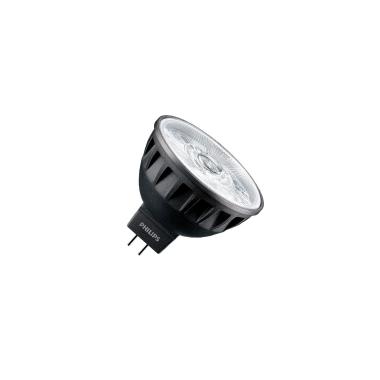
Adjustable12V GU5.3 MR16 Dimmable LED Bulb PHILIPS SpotVLE 7W 36º 660 lm
In Stock, delivery in 24/48h
- Wattage 7 W
- Voltage Range 12V AC
- Lumen 660 lm
2 options 
£3.29
- Wattage 4.9 W
- Voltage Range 220-240V AC
- Lumen 550 lm
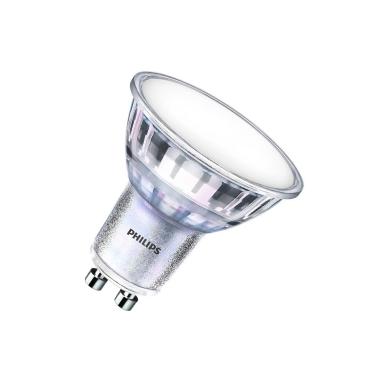
£3.49
 (11)Philips
Ref 4518
GU10 PAR16 LED Bulb PHILIPS CorePro spotMV 5W 120º 550 lm
In Stock, delivery in 15-20 days
- Wattage 5 W
- Voltage Range 220-240V AC
- Lumen 550 lm
3 options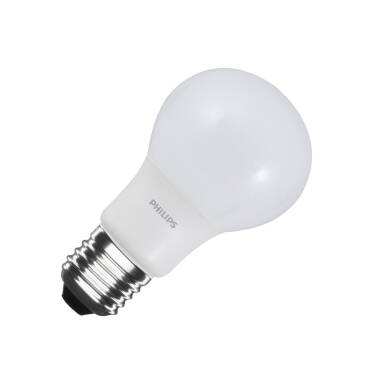
£3.99
- Wattage 7.5 W
- Voltage Range 220-240V AC
- Lumen 800 lm





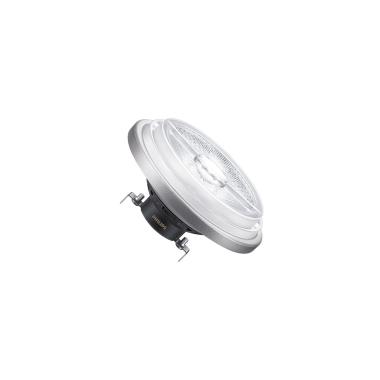
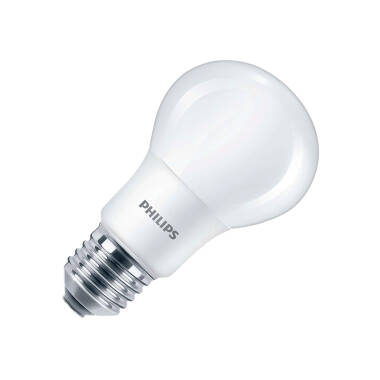
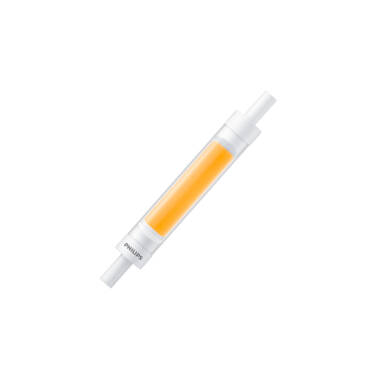
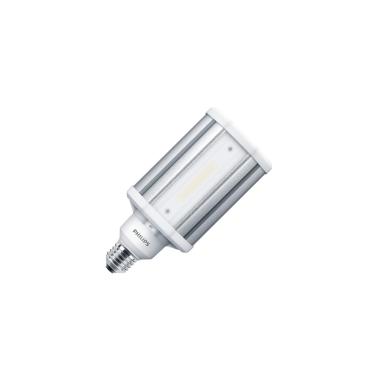
Brands related to this category


About Philips LED Bulbs
Choosing an LED bulb is not simply a matter of replacing one wattage with another. The base, lumens, colour temperature, beam angle and dimming capability determine how the light performs. The wide variety of shapes makes it possible to cover general lighting, decorative lighting points and directional spotlights.
Philips LED bulbs for efficient and long-lasting lighting
Philips LED bulbs are part of the range of LED bulbs designed to reduce energy consumption compared with traditional technologies. LED technology converts a greater proportion of energy into light and generates less residual heat than an incandescent or halogen lamp, making it possible to achieve equivalent lighting with lower electrical power. When comparing models, it is advisable to look at lumens rather than watts alone.
What types of Philips LED bulbs can you find?
The range can mainly be organised according to the type of base, the shape of the bulb and the way it distributes light. Identifying the correct format makes direct replacement easier and helps prevent mechanical incompatibilities or unsuitable light distribution.
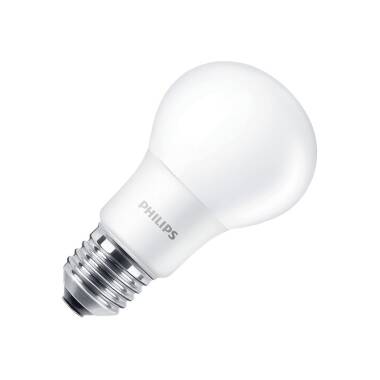
Philips E27 LED Bulbs
Philips E27 bulbs use a 27 mm screw base, which is widely used in ceiling lights, table lamps, floor lamps and wall lights. This base is found in both standard bulbs and decorative shapes. It is also advisable to check the diameter and overall length of the bulb, especially in enclosed fittings or narrow lampshades.
Philips E14 LED Bulbs
Philips E14 bulbs feature a 14 mm screw base and are used in smaller light fittings, such as table lamps or models with several light points. They are commonly available in candle or globe shapes. In addition to the luminous flux, the available space inside the lampshade or diffuser should also be checked.
Philips GU10 LED Bulbs
Philips GU10 bulbs use two pins with a twist-lock fitting and generally operate directly at mains voltage. They are used in recessed spotlights and adjustable fittings where the light needs to be directed. As they concentrate the luminous flux into a defined beam, the beam angle is just as important as the lumens or colour temperature.
Philips bulbs according to the type of lighting
The choice of light tone affects the perception of materials, colours and volumes. Rather than selecting a colour temperature solely based on aesthetic preference, it is advisable to relate it to the activity being carried out and the atmosphere you want to create.
Warm light
Warm light, normally between 2200 and 3000 K, has a yellowish tone similar to that of incandescent bulbs. It is used in bedrooms, living rooms, restaurants and relaxation areas where a welcoming atmosphere is desired. It also works well with wood, textiles and finishes in warm tones.
Neutral light
Neutral light is usually around 4000 K and provides a balance between warmth and whiteness. It is useful in kitchens, bathrooms, offices and work areas where objects and surfaces need to be clearly distinguished without using noticeably cool lighting.
Cool light
Cool light is usually between 5000 and 6500 K and has a white appearance with bluish tones. It can be used in warehouses, workshops and technical rooms where a strong sense of brightness is prioritised. It is generally less suitable for relaxation areas, especially at night.
How to choose a Philips LED bulb
Correct replacement requires several parameters to be considered together. Choosing solely on the basis of wattage may result in a bulb that is too dim, excessively bright or incompatible with the existing fitting.
Base type
The base must match the lampholder exactly. E27 and E14 are distinguished by the diameter of their screw thread, while GU10 uses two pins with a twist-lock fitting. If the reference is not visible, the old bulb can be removed with the power supply switched off so that the base can be checked directly.
Wattage and number of lumens
Watts indicate electrical consumption, while lumens indicate the total amount of light emitted. As a guide, around 470 lumens replace a 40 W incandescent bulb, approximately 800 lumens replace a 60 W bulb and around 1050 lumens replace a 75 W bulb. The final perception of light also depends on the fitting, its height and the distribution of the beam.
Colour temperature
To maintain the appearance of a traditional lamp, a colour temperature close to 2700 K is commonly chosen. When a whiter light is required for work or food preparation, 4000 K is a common reference. In installations with several visible bulbs, it is advisable to maintain the same colour temperature to avoid differences between light points.
Beam angle
The beam angle is particularly important for spotlights. A beam of 25° to 36° concentrates the light over a limited surface and is suitable for highlighting objects or displays. Beam angles of 60° or more distribute light more widely and reduce the contrast between the centre of the beam and the surrounding areas.
Dimmable bulbs
Dimmable bulbs allow the luminous flux to be adjusted using a compatible dimmer. Not all LED bulbs are dimmable, even if they have the same base and wattage as a previous lamp. A dimmer designed for high incandescent loads can cause flickering, a limited dimming range or unstable switch-off behaviour with lower LED loads.
Shapes and designs of Philips LED bulbs
The external shape affects both compatibility with the light fitting and the distribution of light. Choosing the right design helps make the most of the overall optics and maintain the intended appearance when the bulb remains visible.
Standard bulbs
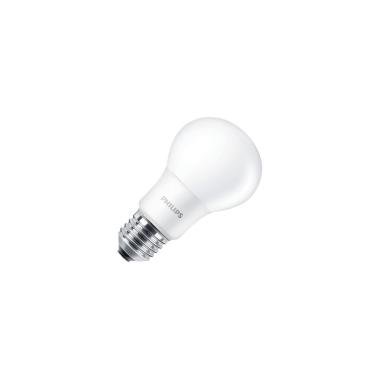
Standard bulbs are used for general lighting and distribute light widely. They are commonly used in ceiling lights, pendant lights, floor lamps and table lamps. With semi-transparent lampshades, sufficient sideways light emission is important to prevent visible dark areas.
Candle and globe bulbs
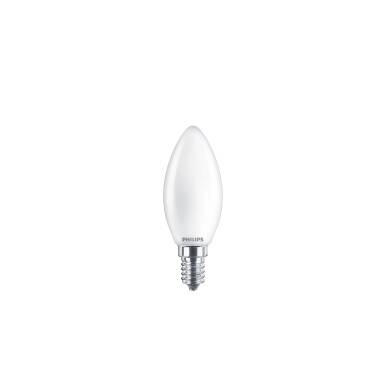
Candle and globe shapes are designed for compact or decorative light fittings. Candle bulbs fit well in narrow arms and fittings with several light sources, while globe bulbs are common in wall lights and smaller fittings. In both cases, it is advisable to check the maximum diameter and length permitted by the lampshade.
Reflector bulbs and spotlights
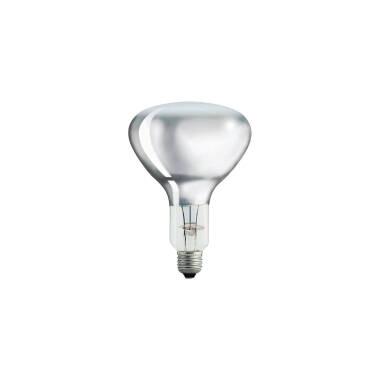
Reflector bulbs and spotlights incorporate optics that direct light towards a specific area. They are used for accent lighting, shop windows or work surfaces. A spotlight with fewer lumens but a narrow beam can produce higher illuminance, measured in lux, at the centre than another model with a wider beam angle.
Lifespan of Philips LED bulbs
The lifespan of an LED bulb is expressed in hours and should be considered together with the conditions of use. Values of 15,000 hours or more are common, although the actual lifespan depends on temperature, ventilation of the fitting, switching cycles and the quality of the electrical supply.
An enclosed light fitting can increase the operating temperature and accelerate the ageing of both the electronics and the LED itself. It is therefore advisable to follow the specified installation conditions.
How to replace traditional bulbs with Philips LED bulbs
Switching to LED is straightforward when the new bulb uses the same base, operates at the correct voltage and physically fits inside the light fitting. The power supply must be switched off before handling the bulb. It is then advisable to compare the equivalent luminous flux rather than trying to match the wattage of the old lamp.
With halogen spotlights, the beam angle should also be checked. If a dimmer, transformer or auxiliary control gear is present, compatibility must be confirmed to avoid flickering or operating problems.
Frequently asked questions about Philips LED bulbs
Which Philips LED bulb do I need to replace a conventional bulb?
First, the base and lumens should be matched. As a reference, a 40 W incandescent bulb generally corresponds to around 470 lumens, a 60 W bulb to approximately 800 lumens and a 75 W bulb to around 1050 lumens. The dimensions, colour temperature and, in the case of spotlights, beam angle should then be checked.
How do I know which base I need?
The reference is usually printed on the base or body of the old bulb. E27 identifies a 27 mm screw base, E14 a 14 mm screw base and GU10 a two-pin twist-lock system. If the reference cannot be read, it is advisable to physically compare the bulb base with the lampholder.
Which colour temperature should I choose?
For relaxation areas and an appearance similar to incandescent lighting, 2700 K is common. Around 4000 K provides neutral light for kitchens, bathrooms, retail spaces and work areas. Colour temperatures from 5000 to 6500 K create a cooler appearance and are mainly used in functional spaces.
Are there dimmable Philips LED bulbs?
Yes. There are LED bulbs specifically designed for dimming, but this feature must be clearly indicated. A non-dimmable LED bulb should not be used with a dimmer switch. It is also advisable to check that the dimmer is compatible with LED loads and with the minimum wattage of the circuit.