
Rustic Ceiling Lamps
Rustic ceiling lamps combine materials such as wood, iron and natural fibres with traditional designs that add warmth and character to living rooms, dining rooms and bedrooms.
Our featured products from Rustic Ceiling Lamps
£54.99
- -18%


Before £49.82
£40.99
 (2)
DariRef 71561
WoodBlackWeeksDari Round 15W Wood & Aluminium CCT Selectable LED Ceiling Light Ø370 mm
Black
In Stock, delivery in 15-20 days






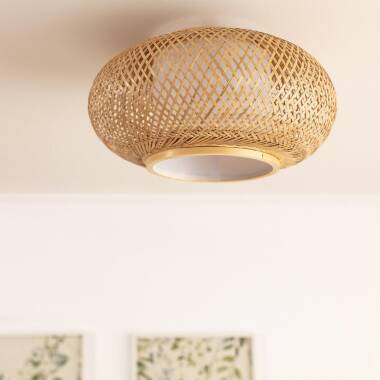


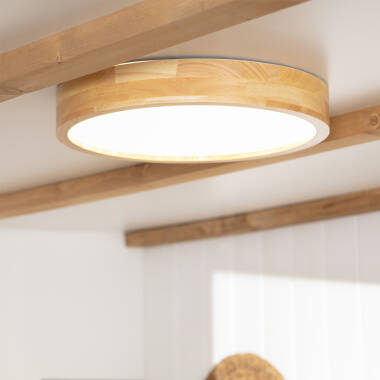


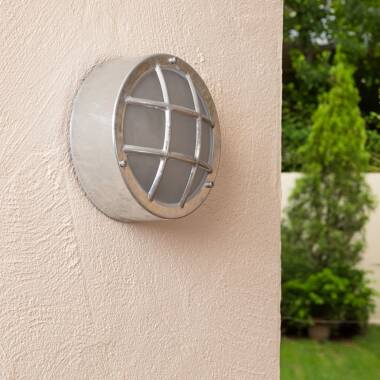


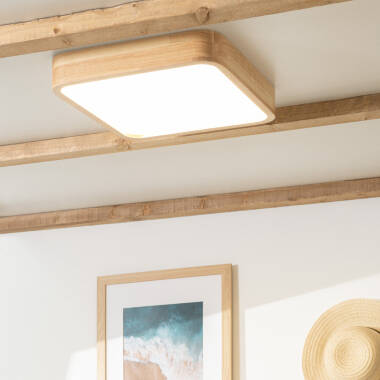


You may also be interested in
About Rustic Ceiling Lamps
Rustic lamps stand out for their natural-looking materials, handcrafted finishes and structures inspired by traditional homes and country houses. Among ceiling lamps, these models feature wood, aged metal, rope or decorative details that reinforce their welcoming aesthetic. Their variety makes them suitable for both rural-style interiors and contemporary homes where natural textures and distinctive features are desired.
Features of Rustic-Style Ceiling Lamps
Rustic style draws inspiration from traditional materials and functional designs associated with rural homes, old buildings and craft workshops. Ceiling lamps reflect this aesthetic through visible structures, textured finishes and shapes that convey a natural appearance.
Unlike minimalist fittings, rustic models tend to place greater emphasis on materials and their natural irregularities. However, simpler designs combining traditional elements with contemporary lines are also available.
Natural Materials and Handcrafted Finishes
Wood is one of the most characteristic materials used in rustic lamps. It can be used for beams, arms, bases or decorative structures, with either light or aged finishes.
Wooden ceiling lamps introduce warm tones and complement furniture, exposed beams or natural finishes. Iron and other metals often feature in chains, supports, arms and bulb holders. Black, rust-effect or forged-looking finishes reinforce the traditional character.
Rope, ceramics, glass or plant fibres may also be incorporated, creating combinations that add texture without the need for excessive ornamentation.
Traditional Shapes and Visible Structures
Rustic lamps usually feature simple structures with clearly recognisable materials. Suspended beams, metal rings, bell-shaped shades and multi-arm designs are common.
In many models, cables, chains and fixing elements form part of the aesthetic. This visible construction recalls traditional fittings used in country houses, workshops and workspaces.
Exposed bulbs are also common, particularly in open structures where the light source contributes to the design.
Types of Rustic Ceiling Lamps
Rustic lamps are available in different configurations depending on their structure and installation method. Each format offers a different decorative presence and allows the lighting to be adapted to different room sizes and ceiling heights.
Rustic Beam Lamps
Beam lamps use a horizontal structure, usually made of wood, from which several light sources hang. They are particularly characteristic of spacious dining rooms, kitchens with islands and rustic or industrial-style interiors.
Their longitudinal arrangement distributes light over elongated surfaces. Bulbs can hang directly from cables or be fitted with small shades. For these models, it is important to consider both the beam length and the total weight of the structure, ensuring that it is securely fixed to the ceiling.
Rustic Multi-Arm Lamps
Multi-arm models can incorporate metal structures, wooden pieces or combinations of both materials. Common designs include those inspired by traditional wagon-wheel chandeliers, suspended rings or branching structures with bulbs arranged around a central point. These fittings tend to have a substantial decorative presence, making them more suitable for spacious living rooms, dining rooms and rooms with high ceilings.
Rustic Ceiling Lamps for Different Interior Styles
Rustic lighting can be incorporated into different settings, from traditional country houses to contemporary interiors featuring natural elements.
Traditional Rustic Style
Traditional interiors tend to feature solid wood structures, wrought iron finishes and shapes inspired by older light fittings.
Beam lamps and multi-arm models work particularly well with wooden ceilings, stone walls and solid furniture.
In spaces featuring dark materials, sufficient light sources should be used to compensate for lower light reflection.
Modern Rustic Style
Modern rustic style combines traditional materials with simpler structures and contemporary finishes. Lamps made from light wood with black metal details, geometric shades and designs featuring visible bulbs are common.
This combination introduces a natural aesthetic into modern homes without creating excessively ornate interiors.
Applications of Rustic Ceiling Lamps
Rustic lamps can be used in different rooms, particularly when the aim is to emphasise natural materials and create welcoming environments.
- Living rooms: multi-arm structures, metal rings and wooden lamps can serve as the main decorative feature. Warm white light from 2700 K to 3000 K complements wooden furniture, textiles and natural finishes.
- Dining rooms: pendant lamps and beam models illuminate rectangular tables or gathering areas. Open shades provide wider light distribution, while opaque shades concentrate the light on the table.
- Kitchens: rustic lamps work particularly well above islands and breakfast bars. Food preparation surfaces should have 300 to 500 lux, supplemented with functional task lighting where necessary.
- Bedrooms: flush ceiling lamps and compact models made from wood or aged metal create a warm aesthetic without taking up too much space. Light sources with diffusers or dimming functions help create a relaxing atmosphere.
- Restaurants and rural accommodation: rustic-style lamps enhance the décor through traditional materials and structures. In publicly accessible spaces, particular attention should be paid to the strength of the fixings, ease of cleaning and maintenance requirements.
Frequently Asked Questions About Rustic Ceiling Lamps
The main questions about these fittings concern their materials, the weight of their structures, light distribution and how they fit into spaces with different characteristics.
What Is the Difference Between a Rustic and an Industrial Ceiling Lamp?
Rustic lamps place greater emphasis on natural materials such as wood, rope and ceramics, with designs inspired by traditional homes. Industrial lamps generally use metal structures and mechanical elements associated with old factories and workshops. Both styles may feature aged finishes, but they create different visual effects.
Do Rustic Wooden Ceiling Lamps Require Special Maintenance?
Wood should be cleaned with a soft, dry cloth, avoiding abrasive products and excessive moisture. On models with natural finishes, prolonged exposure to sunlight or changing environmental conditions can alter its colour. The fixings and joints of the structure should also be checked periodically.
Are Rustic Beam Lamps Suitable for Plasterboard Ceilings?
They can be installed provided the fixing system is rated for the weight of the fitting. For models with wooden beams or heavy metal structures, it may be necessary to anchor the lamp to load-bearing elements of the ceiling structure. A plasterboard sheet should not be assumed to support any fitting on its own.
Which Bulbs Work Best with a Rustic Ceiling Lamp?
LED filament bulbs with warm white light between 2200 K and 3000 K are common in open structures. Those rated at 2700 K offer a balance between functional lighting and a welcoming atmosphere. In lamps with several bulbs, it is advisable to use light sources with similar specifications to avoid differences in colour and brightness.
Can a Large Rustic Ceiling Lamp Be Installed in a Small Dining Room?
Yes, provided its dimensions are proportionate to the table and there is sufficient ceiling height. Wooden models with open structures can appear visually lighter than lamps with opaque shades. In small dining rooms, avoid excessively long suspensions or designs that extend too far beyond the furniture.
Do Rustic Iron and Wood Ceiling Lamps Provide Enough Light?
The amount of light depends on the number of light sources, their luminous flux and the arrangement of the structure. Open models can distribute light in several directions, while opaque shades concentrate the luminous flux. In spacious rooms, a decorative rustic lamp may need supplementary lighting to avoid dark areas.