
Outdoor LED Downlights
Outdoor LED downlights deliver reliable recessed lighting for porches, soffits, covered terraces and sheltered outdoor areas exposed to moisture, dust or changing temperatures.
Our featured products from Outdoor LED Downlights
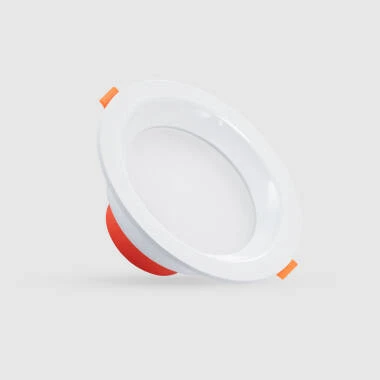
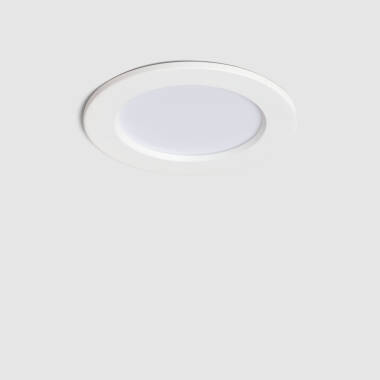
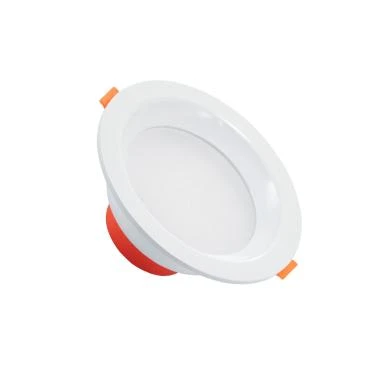
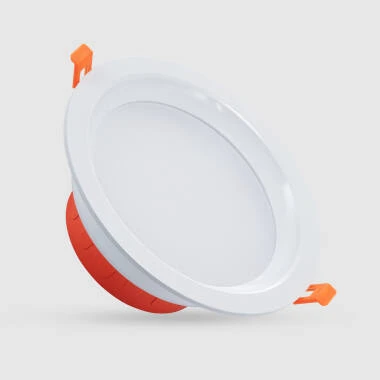
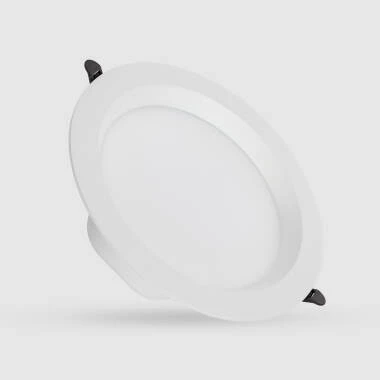
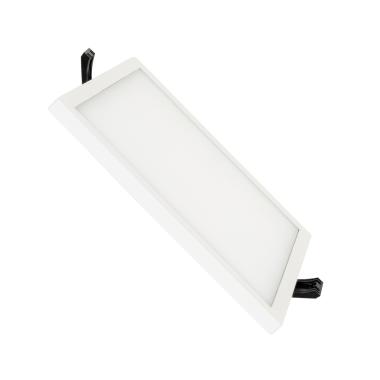
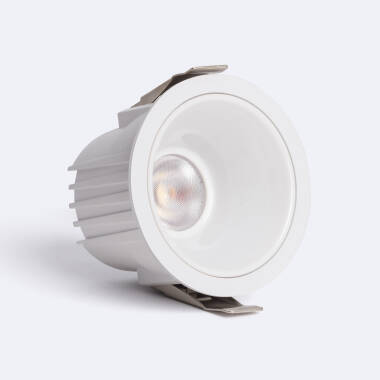
Advanced
£11.99
 (1)
(1)- Wattage 10 W
- Voltage Range 220-240V AC
- Lumen 1000 lm
3 options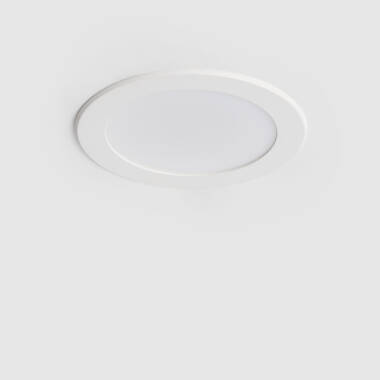
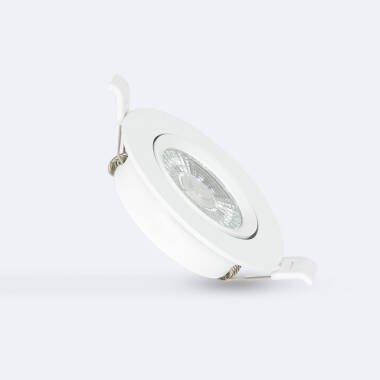
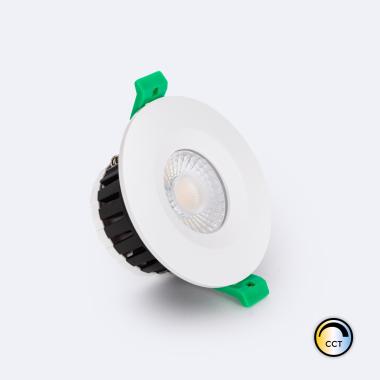
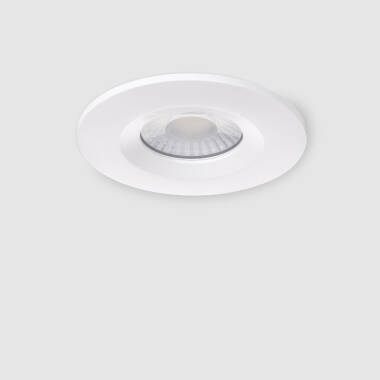
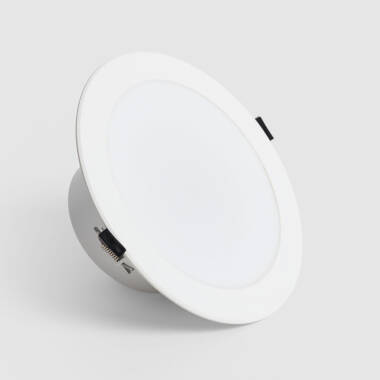
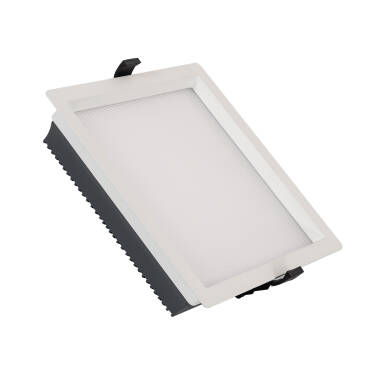
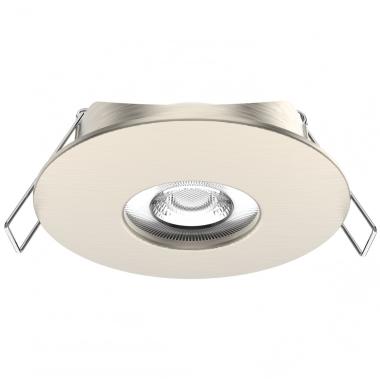
Advanced
£12.99
 (4)
(4)- Wattage 15 W
- Voltage Range 220-240V AC
- Lumen 1410 lm
2 options- -19%
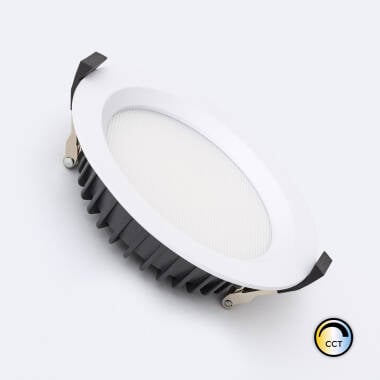
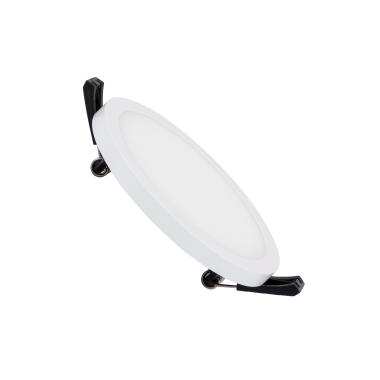
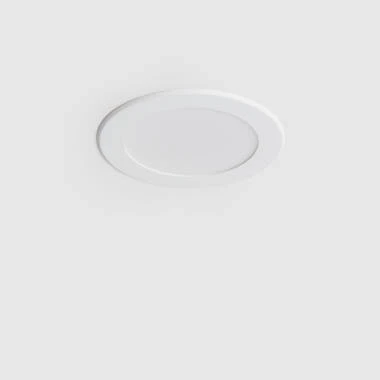
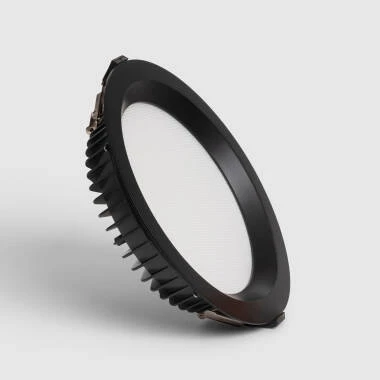
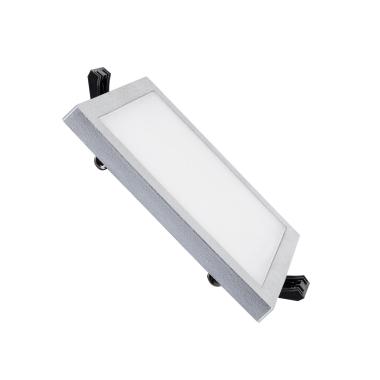
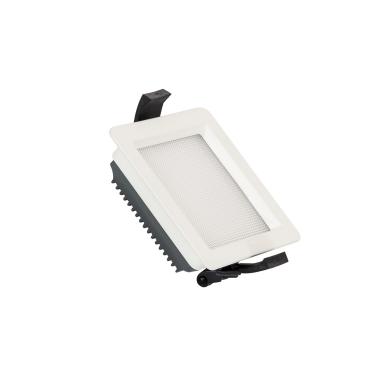
Expert

Before £15.49
£12.49
Ref 126335
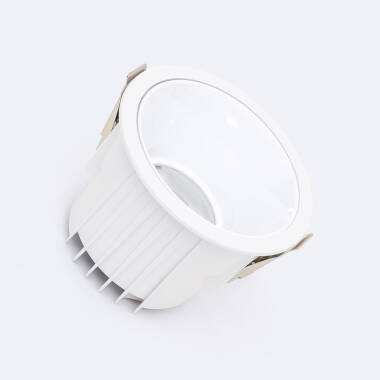
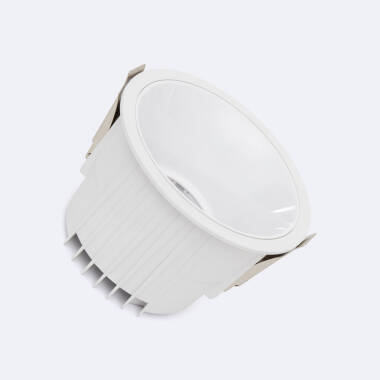
AluminiumRound 13W LED Downlight Ø110mm Cut Out Selectable CCT SAMSUNG AERO 130lm/W Microprismatic LIFUD
In Stock, delivery in 24/48h
- Wattage 13 W
- Voltage Range 220-240V AC
- Lumen 1690 lm
- -19%
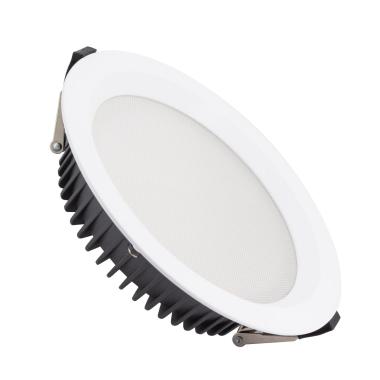
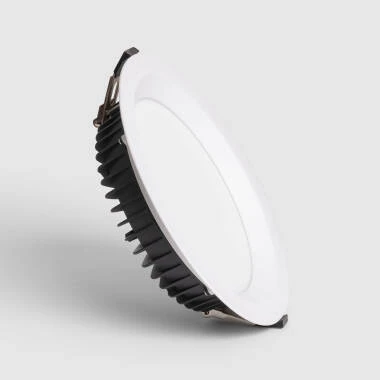
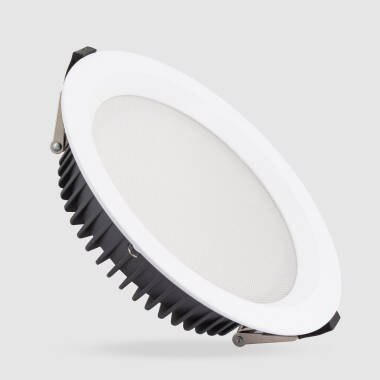
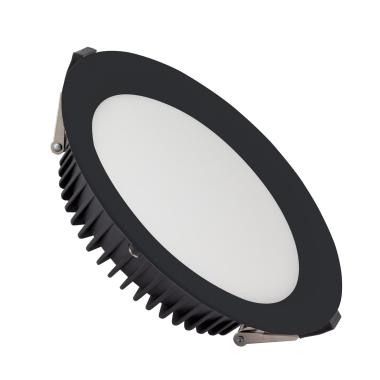
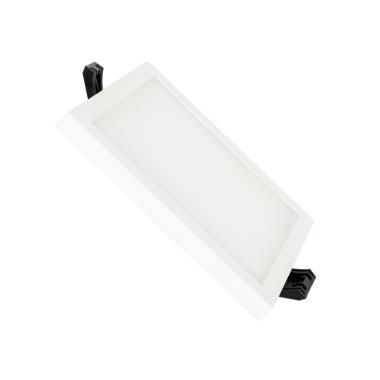
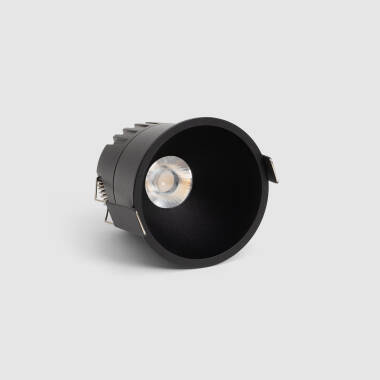
Expert
Before £35.99
£29.19
(8)Ref 77842
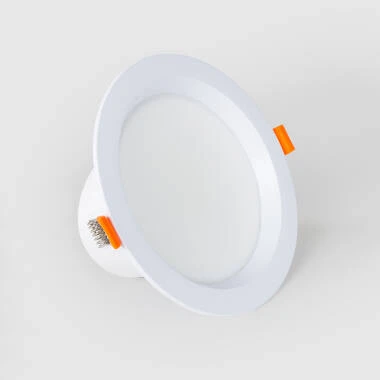
AluminiumRound 30W SAMSUNG Aero LED Downlight Ø200mm Cut Out 130lm/W Microprismatic LIFUD
In Stock, delivery in 24/48h
- Wattage 30 W
- Voltage Range 220-240V AC
- Lumen 3750 lm
5 options







You may also be interested in
About Outdoor LED Downlights
Outdoor downlights allow lighting points to be integrated into ceilings, overhangs and protected surfaces without affecting the overall appearance of the space. Unlike indoor models, they are designed to withstand harsher environmental conditions. For this reason, the IP rating, construction materials and installation quality are essential to ensure safe, long-lasting performance.
Features of outdoor downlights
Outdoor downlights are designed to provide recessed lighting in areas exposed to moisture, dust and temperature changes, offering greater protection and durability than indoor models.
Within the shallow downlights category, these models stand out for their ability to perform reliably in porches, soffits, covered terraces and entrance areas while maintaining a clean, discreet appearance thanks to their recessed installation.
From a lighting perspective, they can be used for both general illumination and pathway lighting. In residential spaces, warm colour temperatures between 2700K and 3000K are commonly used, while entrances and functional areas often benefit from 4000K for improved visibility.
Light output depends on the size and purpose of the area, with 500 to 1,200 lumens per fitting being common. Beam angle also plays an important role: wide beams create even illumination, while narrower beams highlight specific areas.
In terms of design, round downlights are the most popular thanks to their simple installation, although square versions are also available.
If the ceiling has fire protection requirements, it may also be necessary to install fire-rated downlights to maintain the fire resistance of the construction.
IP ratings
The IP rating indicates how well a luminaire is protected against the ingress of solid particles and water, two critical factors in outdoor installations.
An IP rating consists of two digits. The first indicates protection against dust and solid objects, while the second indicates protection against water. When choosing outdoor downlights, it is not enough to select a fitting simply described as "weather resistant" or "suitable for damp areas"; the actual IP rating must match the level of exposure.
IP44 may be sufficient in some sheltered locations, but for outdoor areas exposed to wind or driving rain, IP65 provides a much more suitable level of protection.
The orientation of the luminaire also matters. A downlight installed in a ceiling experiences water differently from a wall or ground-mounted fitting. Even beneath a covered roof, condensation, dust, insects, salt-laden air, temperature fluctuations and accumulated moisture can affect performance. For this reason, correct installation and proper sealing are just as important as the IP rating itself.
IP65 and IP66 downlights
IP65 downlights provide complete protection against dust and resistance to water jets. They are among the most common choices for porches, soffits, covered terraces, exposed bathrooms and sheltered outdoor spaces.
IP66 downlights provide even greater water protection, as they are designed to withstand powerful water jets. They are well suited to more exposed installations, outdoor walkways, areas that are cleaned regularly, light industrial environments, open garages or locations where wind may drive rain towards the ceiling.
The choice between IP65 and IP66 should always depend on the actual installation conditions. A deep, well-protected porch will usually only require IP65. A narrow soffit, exposed entrance or coastal location with frequent wind and rain may benefit from the additional protection offered by IP66.
Corrosion-resistant materials
For outdoor installations, material durability is just as important as the IP rating. Moisture, temperature changes, pollution and salt in the air can damage bezels, springs, screws, heatsinks and electrical connections.
Outdoor downlights are commonly manufactured from treated aluminium, stainless steel, engineering-grade polycarbonate or corrosion-resistant coated finishes. In coastal areas, where airborne salt is present, it is advisable to choose products with enhanced corrosion protection and avoid finishes that are prone to oxidation.
In demanding environments such as seaside locations, covered outdoor pools, spas, open car parks or industrial sites, it is worth checking whether the product includes specific anti-corrosion protection. Moisture, chlorine, salt and airborne contaminants can significantly accelerate the deterioration of unsuitable materials.
Where to install outdoor downlights
Outdoor downlights should only be installed where they can be safely recessed while meeting the manufacturer's installation requirements and the appropriate IP rating. They are particularly suitable for covered outdoor ceilings, providing clean, flush lighting without protruding below the surface. They are generally not suitable for fully exposed locations without overhead protection, where other types of outdoor luminaires are usually more appropriate.
At house entrances, access points and walkways, downlights help illuminate doors, locks, doorbells and circulation routes. A 4000K colour temperature is often preferred where visibility is the priority, while 3000K creates a warmer, more welcoming atmosphere. Care should always be taken to avoid shadows on steps or level changes.
On covered terraces and porches, they provide comfortable general lighting for dining, relaxing and entertaining. Warm colour temperatures between 2700K and 3000K are commonly chosen, with moderate light levels to minimise glare. Fixtures should be positioned according to furniture layout and intended use.
In open garages and carports, outdoor downlights provide practical lighting whenever there is a suitable ceiling structure. A 4000K neutral white light is commonly used to improve visibility during parking manoeuvres and when locating objects.
In apartment buildings, hotels, commercial premises and public buildings, they are widely installed in covered walkways, arcades and transitional outdoor spaces where uniform illumination, durability and continuous operation are essential.
When installed beneath soffits or covered facades, exposure to wind-driven rain, dust and moisture should be considered carefully. An IP65 rating is generally recommended as a minimum, while sufficient installation depth and proper driver ventilation should also be ensured.
In gardens, outdoor downlights should only be installed beneath overhead structures such as pergolas, gazebos or roof overhangs. They are not designed for direct installation in the ground, lawns or completely open areas. Garden spotlights, bollard lights and dedicated landscape lighting are usually more appropriate for these applications.
Near swimming pools or fountains, installation must comply with electrical regulations regarding distances from water while also considering humidity and chlorine exposure. Outdoor downlights should only be installed beneath covered ceilings and should never be used as underwater lighting.
Within covered pergolas, they can be integrated into ceiling panels or false ceilings provided there is sufficient clearance for heat dissipation and safe installation. Compatibility with timber, metal or composite structures should also be verified to prevent overheating.
Frequently asked questions
What IP rating should an outdoor LED downlight have?
For covered outdoor areas, IP65 is generally considered a safe choice because it provides complete dust protection and resistance to water jets. In very sheltered locations, IP54 may be sufficient, while exposed soffits, open entrances or areas affected by wind-driven rain may require IP66. The decision should consider not only whether there is a roof overhead, but also wind, moisture, condensation and the actual level of water exposure.
Can I install an indoor downlight in a porch?
This is not recommended if the porch is exposed to moisture, dust or temperature changes. An IP20 or IP44 indoor downlight may fail prematurely outdoors, even beneath a roof. For porches, soffits and covered terraces, outdoor-rated models with the appropriate IP protection, durable materials and protected electrical connections should always be used.
What is the difference between IP65 and IP66?
IP65 provides complete dust protection and resistance to water jets. IP66 offers the same dust protection but withstands more powerful water jets. For most covered porches or terraces, IP65 is sufficient. In more exposed locations subject to driving rain, frequent cleaning or strong winds, IP66 provides an additional safety margin.
What colour temperature is best for outdoor lighting?
For porches, terraces and outdoor seating areas, 2700K or 3000K provides warm, comfortable lighting. For entrances, open garages and circulation areas where visibility is more important, 4000K is often a better choice. In residential settings, excessively cool colour temperatures are generally best avoided if a welcoming atmosphere is desired.
Can outdoor downlights be used in gardens?
Yes, but only when installed beneath suitable overhead structures such as covered pergolas, gazebos, porches or roof overhangs. They are not designed for direct installation in the ground, grass or fully exposed areas. Garden spotlights, bollard lights and dedicated landscape lighting are generally more suitable for paths, trees, walls and planting areas.
Can outdoor downlights be installed in wooden soffits?
Yes, provided the selected model is suitable for timber installations and all manufacturer requirements regarding clearances, installation depth and thermal management are followed. In timber structures, particular attention should be paid to preventing overheating, protecting electrical connections and determining whether fire-rated fittings or additional accessories are required.
Do outdoor downlights need to be fire rated?
Only if the ceiling or structure they are installed in is required to maintain a specified fire resistance. An IP rating protects against dust and water but does not replace fire protection. In apartment buildings, garages, intermediate floors or other fire-rated structures, the building design and local regulations should always be checked.
Which materials are best for outdoor downlights?
Materials such as treated aluminium, stainless steel, engineering-grade polycarbonate and corrosion-resistant finishes are recommended. In coastal or chlorine-rich environments, corrosion resistance becomes particularly important because salt and chemicals can quickly damage bezels, screws and mounting springs.
How many lumens do I need for a porch?
The required light output depends on the size and intended use of the area. A small entrance porch may only require 500 to 800 lumens per fitting. Larger covered terraces or porches may use several fittings providing between 700 and 1,200 lumens each, distributed evenly across the space. Outdoors, several moderate-output fittings generally provide a better result than one very powerful luminaire.
Are outdoor downlights dimmable?
Yes, provided the chosen model supports dimming and the control system is compatible. On terraces, porches and outdoor seating areas, dimming allows the lighting level to be adjusted for dining, entertaining or relaxing. Both the dimmer and electrical connections should be protected according to the installation environment and exposure conditions.