
Natural Ceiling Lamps

Pendant
Show All

Table
Show All

Floor
Show All

Wall
Show All

Ceiling
Show All


Our featured products from Natural Ceiling Lamps
- -17%
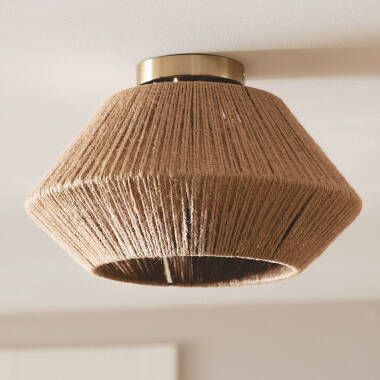
Before £42.39
£34.99







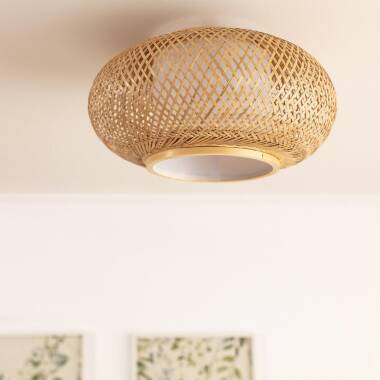
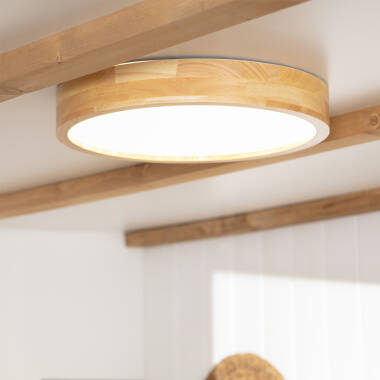


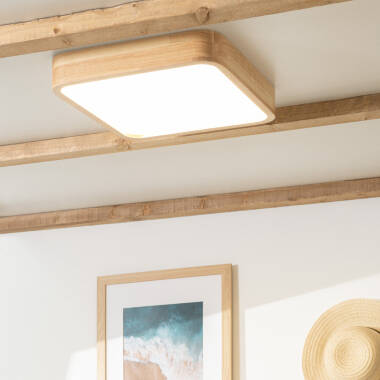


You may also be interested in
About Natural Ceiling Lamps
Natural lamps stand out for their prominent materials, organic textures and ability to add warmth to the décor. Among ceiling lamps, these designs are characterised by plant fibres, woven structures and finishes that preserve the appearance of the original materials. They are commonly used in living rooms, dining rooms, bedrooms and Mediterranean, Scandinavian or boho-inspired spaces, where lighting also helps create a relaxed atmosphere.
Features of Natural Fibre Ceiling Lamps
Natural-style lamps are distinguished by their use of plant-based materials and designs that highlight their texture, colour and shape. Their appearance can range from simple, compact structures to voluminous shades with elaborate weaving.
One of their distinctive features is how they interact with light. Unlike completely opaque shades, many models feature open weaving that allows some light to pass through and casts decorative patterns onto nearby surfaces.
Rattan, Bamboo, Wicker and Plant Fibres
Rattan is one of the most widely used materials thanks to its flexibility and strength, allowing curved and rounded shades to be made in different sizes. Its woven patterns can be open or dense, affecting both appearance and light distribution.
Bamboo stands out for its light weight and its suitability for designs using rods, strips or geometric structures. Wicker, on the other hand, is commonly used for woven shades with a handcrafted appearance, especially in rustic and Mediterranean interiors.
There are also models made from jute, raffia and other plant fibres. These materials offer different textures and shades, from light beige to deeper browns.
Wooden ceiling lamps share this natural aesthetic, although they usually use rigid pieces, slats or machined structures rather than flexible weaving.
Ambient Lighting and Decorative Effects
Natural fibre shades affect how light is distributed. Open weaves allow some of the luminous flux to pass through the structure, creating shadows and patterns on walls and ceilings.
This effect is particularly attractive in living rooms, bedrooms and relaxation areas. However, when the lamp is the main source of lighting, it is important to check that its design provides sufficient useful light.
Models with dense weaving or enclosed shades concentrate more light towards the lower opening, while open designs create a more decorative and dispersed light distribution.
How to Combine Natural Ceiling Lamps with Other Styles
Plant fibres can be incorporated into different settings, from contemporary interiors to craft-inspired spaces. The shape of the shade, type of weaving and combination with other materials determine the decorative character of the fitting.
Mediterranean and Boho Styles
In Mediterranean interiors, natural lamps work particularly well with white walls, light wood, ceramics and soft-coloured textiles. Rattan, wicker or raffia designs with visible weaving add texture without introducing strong colours.
In boho settings, shades with organic shapes, large dimensions and decorative weaving are common. They can be combined with handcrafted furniture and natural materials to create relaxed-looking spaces.
Scandinavian and Contemporary Styles
In Scandinavian interiors, natural lamps tend to feature simpler structures and lighter tones. Bamboo or rattan models with clean geometric shapes complement white furniture, natural wood and neutral textiles.
In contemporary spaces, a plant fibre lamp can provide contrast against smooth surfaces, metal furniture or architectural elements with straight lines.
They can also be combined with fabric ceiling lamps in other rooms to maintain a warm, cohesive interior, although fabric shades provide softer and more even light diffusion than many open plant fibre weaves.
Applications of Natural Ceiling Lamps
Natural lamps can be used in different rooms, particularly when the aim is to combine ambient lighting with decorative materials and textures.
- Living rooms: rattan or plant fibre shades add warmth and can become the centrepiece of the décor. Open designs create decorative shadows, so supplementary lighting is advisable when even general illumination is required.
- Dining rooms: natural pendant lamps illuminate tables and gathering areas. Large shades help visually define the dining area, especially in open-plan spaces connected to the living room.
- Bedrooms: compact models and light-coloured fibre shades help create relaxed environments. Warm white light from 2700 K to 3000 K is particularly suitable, while reading lamps can supplement general lighting.
- Kitchens and breakfast areas: bamboo or rattan shades work well above breakfast bars and islands, provided they are positioned away from direct heat sources, steam and grease splashes. Food preparation also requires sufficient functional lighting.
- Restaurants and commercial spaces: natural lamps can create welcoming environments and define customer service or gathering areas. In professional installations, particular attention should be paid to ease of cleaning, material durability and maintenance requirements.
Frequently Asked Questions About Natural Ceiling Lamps
The most common questions about these fittings concern the durability of plant fibres, their maintenance and how their woven structures affect the lighting.
What Are the Differences Between Rattan, Bamboo and Wicker Ceiling Lamps?
Rattan is flexible and allows curved shades and varied weaving patterns. Bamboo can be used in rods or strips to create more geometric designs. Wicker is mainly used for woven structures with a handcrafted appearance. Although all three materials share a natural aesthetic, they offer different textures, shapes and decorative effects.
Do Natural Fibre Ceiling Lamps Let Enough Light Through?
The amount of light depends on the density of the weave and the shape of the shade. Open designs allow some luminous flux to pass through the fibres, while more compact models concentrate light towards their openings. For general lighting, check the lumen output of the source and add other light sources if dark areas appear.
Can Natural Ceiling Lamps Be Installed in Kitchens?
Yes, provided they are positioned away from direct heat sources, heavy steam and grease splashes. Plant fibres can accumulate dirt and be harder to clean than metal or glass surfaces. They are therefore usually more practical above tables or breakfast areas than directly over cooking zones.
How Do You Clean Rattan or Wicker Ceiling Lamps?
Routine cleaning should be carried out dry, using a feather duster, a soft brush or a vacuum cleaner with a low-suction attachment. Avoid excessive water and harsh chemicals, as they can alter the fibres, distort the weave or damage the finishes. Before cleaning, the fitting must be switched off and cool.
Can Natural Ceiling Lamps Be Used Outdoors?
Conventional plant fibre shades are generally intended for dry indoor spaces. Moisture, rain and prolonged sun exposure can cause warping, discolouration or deterioration of the materials. For terraces and porches, choose models specifically designed for outdoor use, with components and protection suited to the installation conditions.