
LED Flood Lights
Designed to withstand rain, humidity, and temperature fluctuations, outdoor LED floodlights are recommended for all kinds of outdoor applications: garden, façade, entrance, terrace, driveway/path, garage, walkways, or professional spaces.


Featured ranges


Our featured products from LED Flood Lights
- -11%
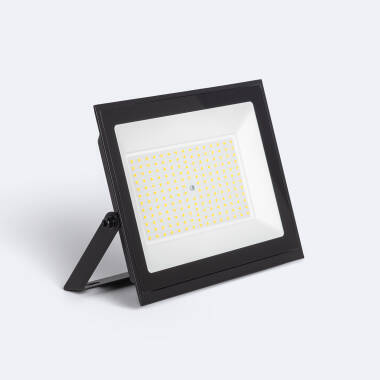
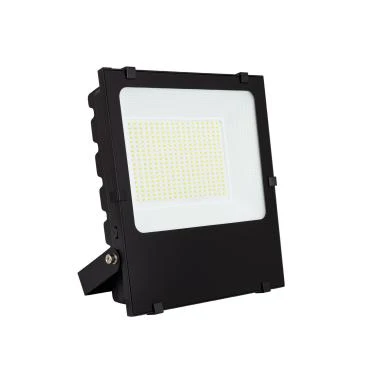
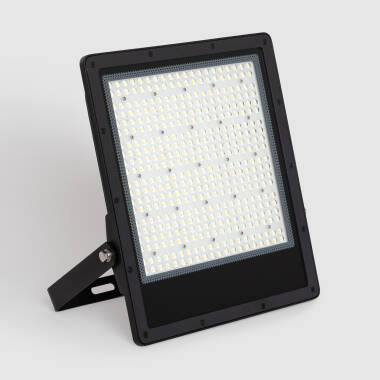
Essential
Before 12,29 €
10,99 €
 (7)
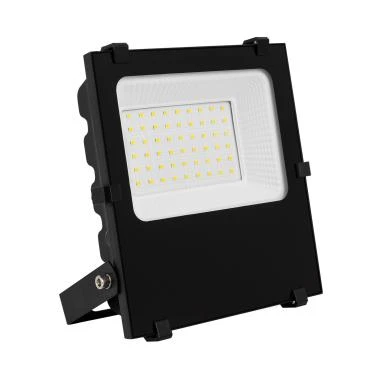
(7)- Wattage 100 W
- Voltage Range 220-240V AC
- Lumen 11000 lm
6 options - -10%
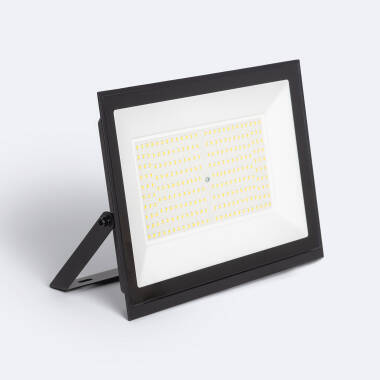
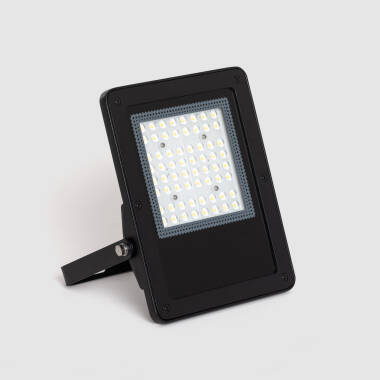
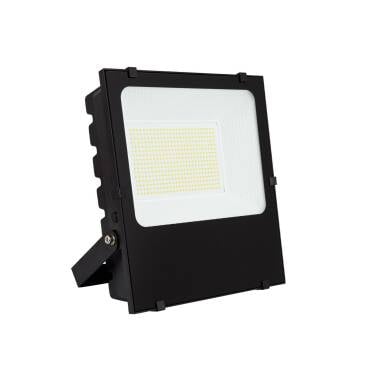
Essential
Before 20,49 €
18,39 €
 (3)
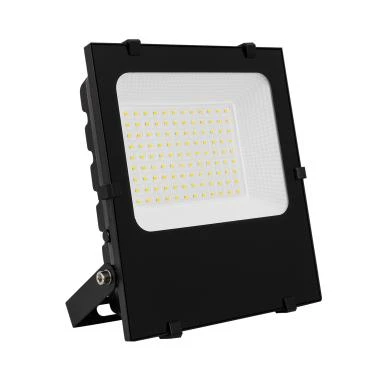
(3)- Wattage 150 W
- Voltage Range 220-240V AC
- Lumen 16500 lm
6 options 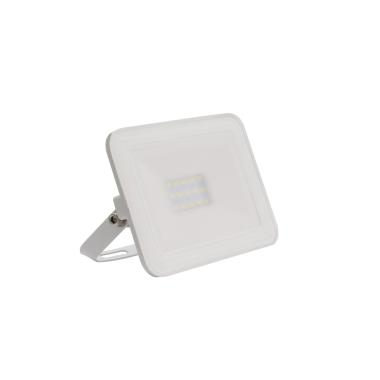
Essential
11,29 €
Ref 3622
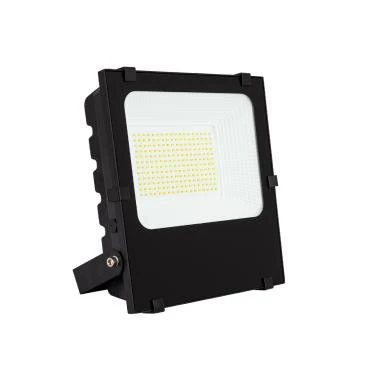
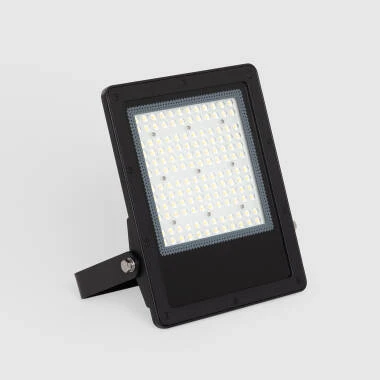
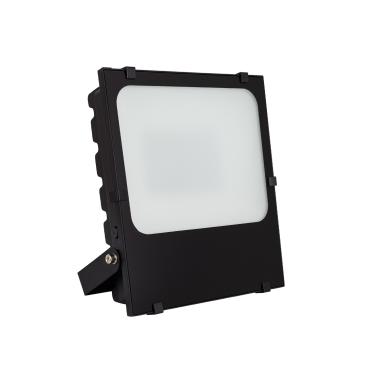
AluminiumSlim Glass 10W LED Floodlight 120lm/W IP65 in White
In Stock, delivery in 15-20 days
- Wattage 10 W
- Voltage Range 220-240V AC
- Lumen 1200 lm
3 options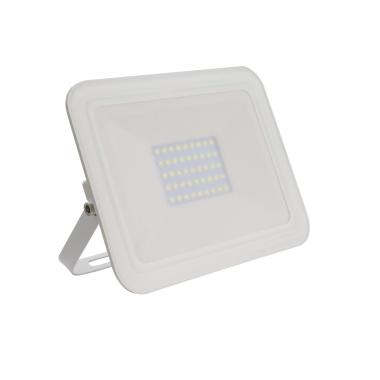
Essential
14,09 €
Ref 3626
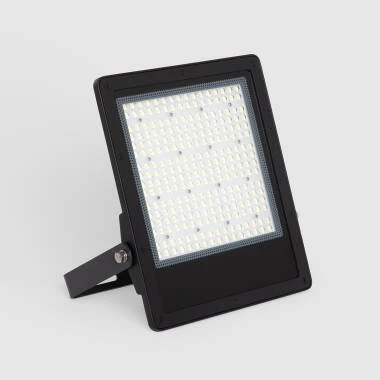
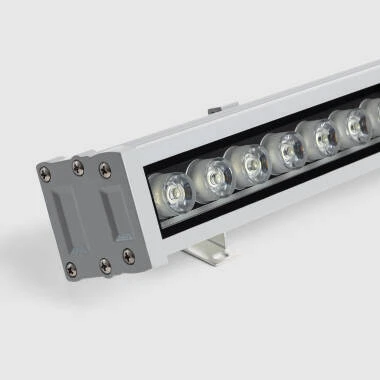
AluminiumSlim Glass 30W LED Floodlight 120lm/W IP65 in White
In Stock, delivery in 15-20 days
- Wattage 30 W
- Voltage Range 220-240V AC
- Lumen 3600 lm
3 options





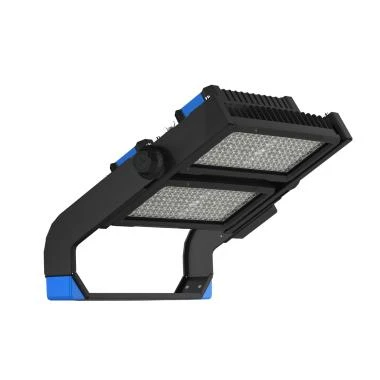
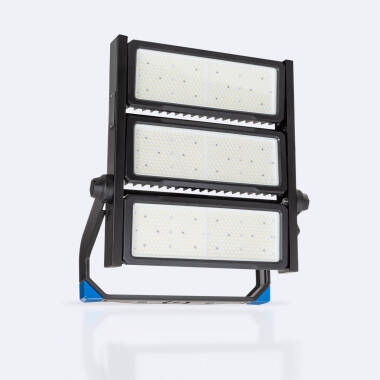
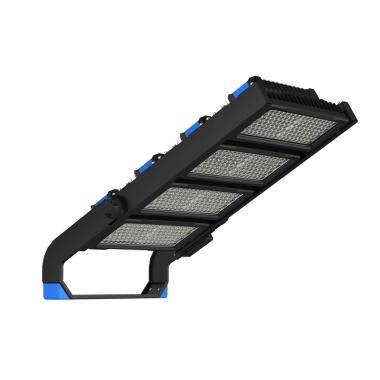
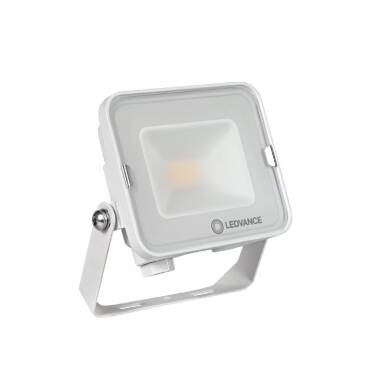
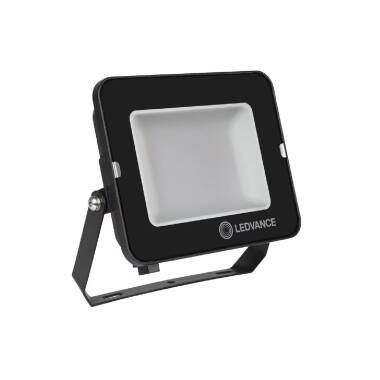
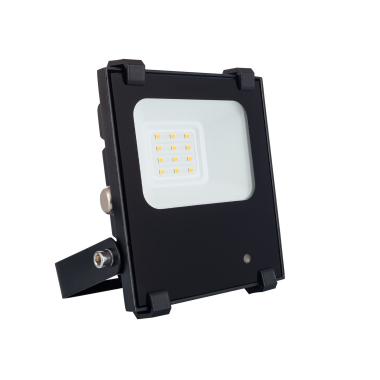
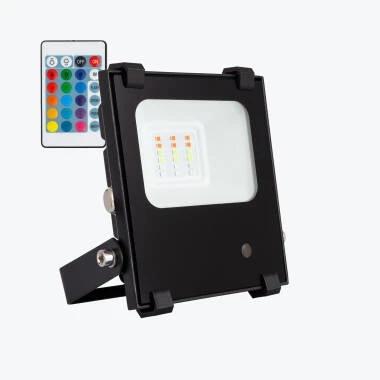
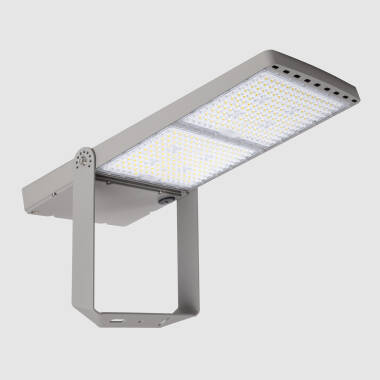
Brands related to this category


About LED Flood Lights
Combining power and efficiency, they are perfect for lighting large areas. They are also one of the most popular options for outdoor lighting, because they suit many uses (façades, gardens, entrances, car parks, walkways) and offer an excellent balance between performance, energy consumption, and durability. Their “floodlight” format enables wide, even light distribution, and thanks to LED technology they generate little heat while delivering excellent luminous efficacy.
Replacing a halogen floodlight with an LED floodlight
LED floodlights are the ideal alternative to outdoor halogen floodlights: for a comparable level of illumination, LED technology significantly reduces energy consumption and improves longevity.
Lifespan & environmental impact
LED floodlights have a much longer lifespan than most alternatives and, being more environmentally friendly, they do not use highly polluting elements such as mercury (found in some fluorescent lighting). The result: less maintenance, less waste, and more reliable day-to-day lighting.
Types of outdoor LED floodlights
There is a wide variety of models with different functions and features. However, two main categories can be identified: residential outdoor LED floodlights, designed for the home and everyday use, and [professional outdoor LED floodlights], built for more demanding installations (construction sites, industry, large areas). Below are the main types of outdoor floodlights to help you choose quickly:
Standard LED floodlights
These are the simplest and most versatile models: no extra functions, but powerful, stable, reliable lighting. Choose a standard outdoor LED floodlight for outdoor areas (and even certain indoor areas that require high luminous flux).
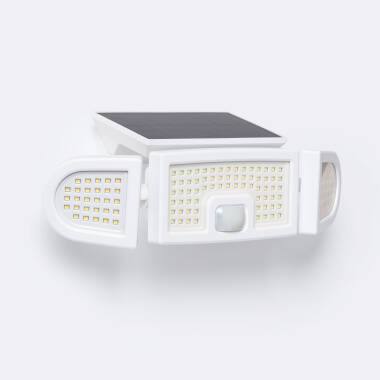
LED floodlights with a motion sensor
A sensor detects movement in the area and automatically switches the floodlight on when presence is detected, then turns it off after an adjustable delay. A motion sensor LED floodlight is an excellent choice for an entrance, driveway/path, garage, or walkway.
High-power LED floodlights
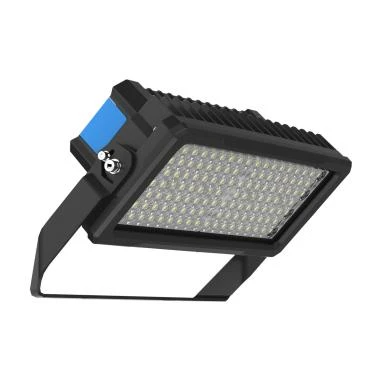
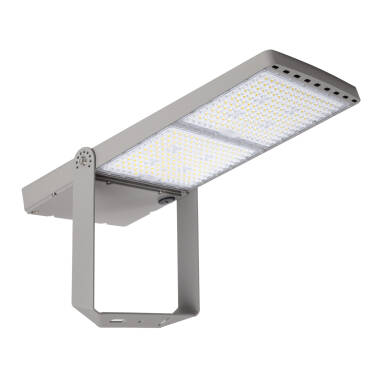
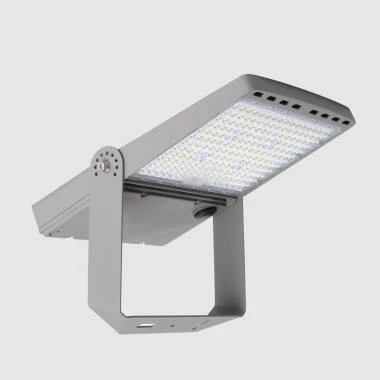
Designed to deliver very powerful light, these floodlights are recommended when large areas must be covered with strong visibility: façades, spacious gardens, car parks, manoeuvring areas, warehouses, or industrial spaces. Choose an extra powerful LED floodlight to get high luminous flux and effective long-distance distribution, while remaining more energy-efficient than a halogen equivalent.
In a specific case—football stadium floodlights and other sports facilities—high power alone is not enough. You also need to meet specific requirements such as very uniform light distribution across the entire playing area to avoid dark zones, glare control for the comfort of players, referees, and spectators, and often very low flicker to prevent camera-visible strobing and ensure good image quality during broadcasts. Finally, these floodlights generally require precise optics with suitable beam angles and distributions to throw light far while limiting intrusive spill light outside the pitch.
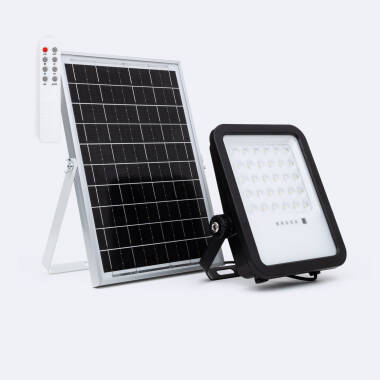
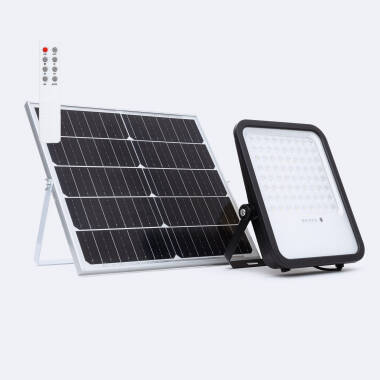
Solar LED floodlights (standalone)
They include a photovoltaic panel that provides the energy needed to run the floodlight. No electrical connection is required: a standalone solar LED floodlight is ideal for remote installations (garden, driveway/path, off-grid areas).
Portable LED floodlights / tripod floodlights (site, workshop, mobile use)
With a rechargeable battery and/or a stand, these models are widely used in construction, work sites, or outdoor activities. For mobile use, a portable LED work light is practical; and to aim the light and cover a work area, a tripod LED floodlight is especially suitable.
Choosing the right outdoor LED floodlight
To choose the right LED floodlight, here are the key criteria.
Installation location and use (garden, façade, car park, warehouse…)
Depending on the use, lighting needs change:
- Garden / terrace: comfort lighting, guidance, targeted areas; a great option for this use is rechargeable LED floodlights, which are handy to move around as needed without fixed installation.
- Façade / entrance / driveway/path: functional lighting + safety (often with a sensor)
- Car park / warehouse / industrial area: high power, wide coverage, often professional range
Power supply (mains, solar, battery)
Beyond solar and battery models, easy access to mains power may be necessary. Plan ahead for:
- the power point,
- cable length,
- protection (circuit breaker, waterproofing).
Light colour: white (warm/neutral/cool) or RGB
LED floodlights can produce different tones depending on the desired atmosphere:
- Warm white: welcoming ambience (terrace, cosy garden)
- Neutral white: balanced rendering (entrance, walkways)
- Cool white: “security/visibility” feel (technical areas, garages)
In addition to single-colour models, there are RGB floodlights that integrate red/green/blue LEDs (and sometimes variants with white). They let you create colours and moods (orange, pink, purple, cyan, etc.)—perfect for décor, events, and façades.
Brightness: lumens (lm) rather than watts (W)
A floodlight’s useful output is judged by brightness (lumens), not watts alone. Two floodlights with the same wattage can deliver very different luminous flux depending on efficiency.
To structure their purchase, many users also search directly by wattage:
- 30W / 50W: smaller areas, targeted lighting
- 100W: versatile outdoor use, façade, walkway
- 200W / 500W: large areas, professional zones, wide coverage
Beam angle, aiming, and uniformity (avoid dark spots)
Another key factor is the beam angle. A wider angle covers more area; a narrower angle concentrates the light and “reaches” further. Aiming (tiltable bracket) is essential to avoid glare and direct light where it is useful.
In general, LED floodlights have a fairly wide beam angle, making them very effective for outdoor lighting. Benefits: more even coverage (fewer dark spots), larger area lit with fewer fixtures, improved visual comfort (less harsh contrast between lit and unlit zones), and easier achievement of “uniform” lighting on a façade, driveway/path, or walkway.
Motion-sensor floodlights: when are they the best choice?
Motion-sensor floodlights are especially recommended if:
- you want to secure an entrance, a walkway, or a car park,
- you want to cut consumption by avoiding unnecessary lighting,
- you want automatic lighting (very convenient day to day).
Expert tip: for a home entrance, choose neutral/cool white to ensure maximum visibility.
RGB / colour and control (remote control)
If you’re looking for a decorative or event floodlight, RGB LED floodlights (often with a remote) let you change colour, create lighting scenes, and adapt easily to seasons or occasions (Christmas, Halloween, parties, terraces, events). Depending on the version, you can also adjust brightness, choose effects (fade, flash, transitions), and save a scene to recall it in one click.
Philips and LEDVANCE floodlights: reliable outdoor brands
Among the most recognised brands, Philips LED floodlights stand out for reliability and very consistent light quality, making them a safe choice for domestic outdoor lighting as well as more demanding installations. They are often appreciated for their strong balance of performance, durability, and finish quality, along with ranges tailored to different uses (façades, access points, walkways).
On the other hand, LEDVANCE LED floodlights (formerly OSRAM) are especially present in projects where a robust, efficient solution is needed, with a very “practical” positioning: good luminous efficacy, outdoor resistance, and options suited to professional requirements. This brand is frequently chosen for environments such as car parks, warehouses, manoeuvring areas, or industrial spaces, where performance and longevity come first.
In summary: if you want a dependable all-round option with quality light, Philips is an excellent reference. If your priority is a solid, efficient solution designed for more intensive use, LEDVANCE is a very relevant choice.
Installing an outdoor LED floodlight (general steps)
Although it depends on the model, installation generally follows these steps:
- Unscrew the mounting bracket/anchor plate.
- Position the bracket, measure and drill fixing holes (wall, pole, or support).
- Make the connections: live to live, neutral to neutral, earth to earth.
- Close the junction box/connection cover (checking waterproofing).
- Fix the floodlight to its bracket and aim it.
- Restore power and test operation.
Safety advice: outdoor electrical work has specific requirements (waterproofing, protection devices, standards). Use a professional if needed.
How to save even more with LED floodlights
Switching from halogen to LED already cuts consumption significantly. But you can go further:
Use a motion sensor
Setting the light to switch on only when presence is detected helps prevent waste and optimises energy use.
Go solar (mains consumption = 0)
Solar floodlights are a very attractive option when electrical installation is complex or far away. They’re perfect for secondary areas, paths, or certain decorative uses.
Frequently asked questions about outdoor LED floodlights
How do I choose an outdoor LED floodlight?
Choose based on: installation location (entrance, façade, garden, car park…), power supply (mains, solar, battery), light colour (warm/neutral/cool white or RGB), luminous flux (lumens), and beam angle. For outdoor use, also check the IP rating and material quality.
What wattage/brightness do I need for an outdoor LED floodlight?
Useful output is measured mainly in lumens (lm). It depends on the area to cover, mounting height, and desired visibility. To simplify selection, many users also look at 30W / 50W / 100W / 200W / 500W ranges.
What is the best floodlight for outdoor use?
It depends on the application:
- Entrance / driveway / garage: motion-sensor floodlight
- Terrace / garden: warm or neutral white depending on ambience
- Car park / warehouse / workshop: high-efficacy, high-power models
- Ambience / events: RGB/colour floodlights (often with control)
Outdoor floodlight: with a sensor or without?
With a sensor if you want automation, security, and savings. Without a sensor if the light needs to stay on continuously (work area, permanent lighting, certain professional zones).
Halogen vs LED: why replace a halogen floodlight?
LED uses less energy for comparable brightness, runs cooler, lasts longer, and needs less maintenance. It’s generally the most cost-effective option over time.
Are LED floodlights worth it?
Yes in most cases: lower consumption, fewer replacements, and better usability (instant on, options like sensor/RGB). Total cost (purchase + energy + maintenance) is often more favourable.
What is the average lifespan of an LED floodlight?
It varies depending on component quality, thermal management, and usage conditions (humidity, heat, switching cycles). In practice, an LED floodlight is designed to last far longer than halogen, greatly reducing maintenance.
RGB or white: which should I choose?
White is ideal for functional lighting (seeing, moving, securing). RGB/colour is mainly for ambience, decoration, and events.
What is the ideal mounting height for floodlights?
It depends on the area to cover and beam angle:
- the higher it is, the wider the coverage (but you need enough lumens),
- the lower it is, the more targeted it becomes.
The key is to avoid glare (aim towards the ground) and position the floodlight to reduce dark spots.