
Dimmable LED Bulbs
Dimmable bulbs allow you to adjust light intensity according to the time, how the space is being used or the atmosphere you want to create.
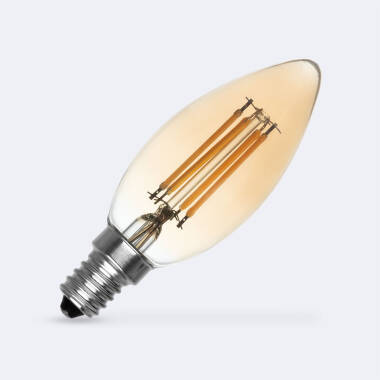
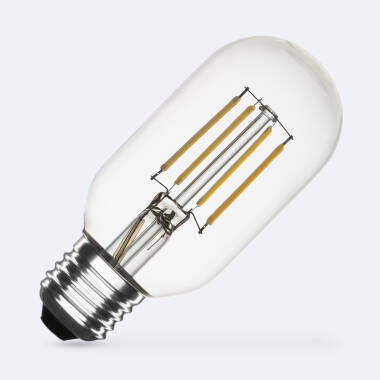
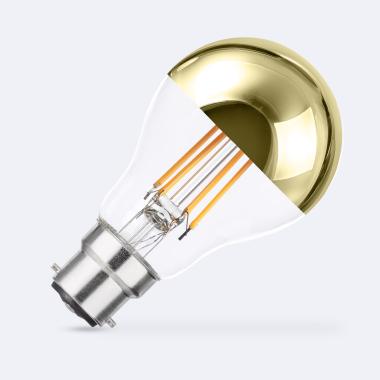
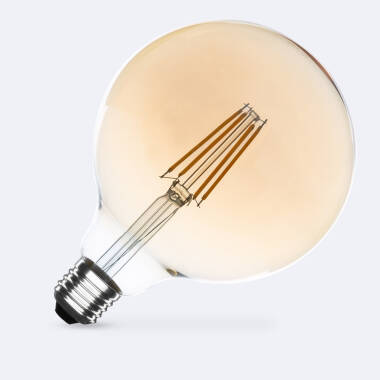
Our featured products from Dimmable LED Bulbs
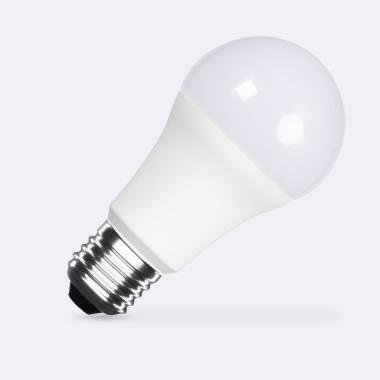
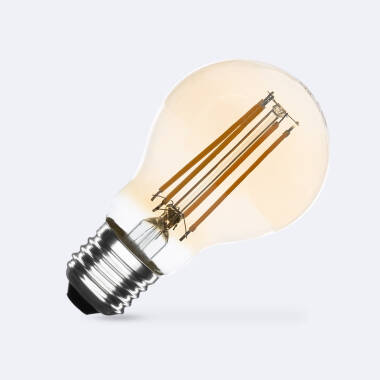
Essential
2,79 €
Ref 107709
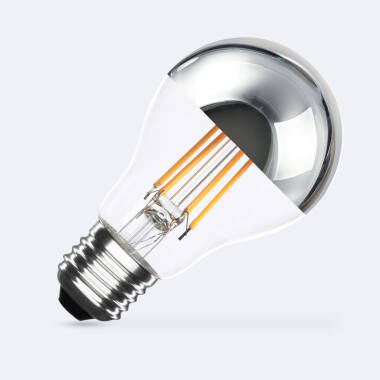
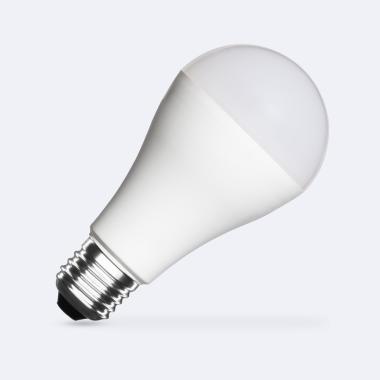
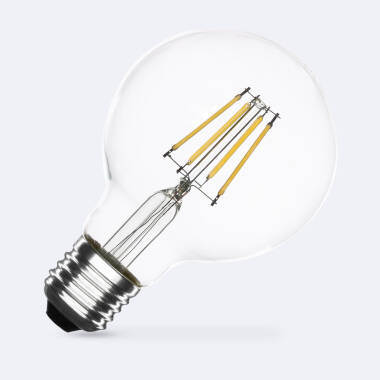
AdjustableE27 Dimmable LED Bulb 12W A60 1155 lm
Pre-Order, estimated shipping from 20/10/2026
- Wattage 12 W
- Voltage Range 220-240V AC
- Lumen 1155 lm
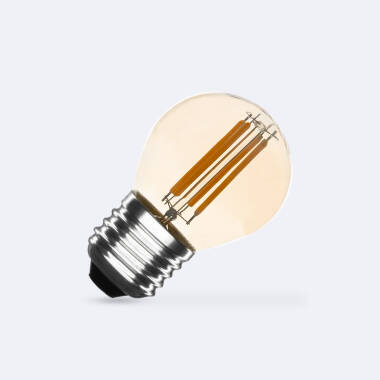
3 options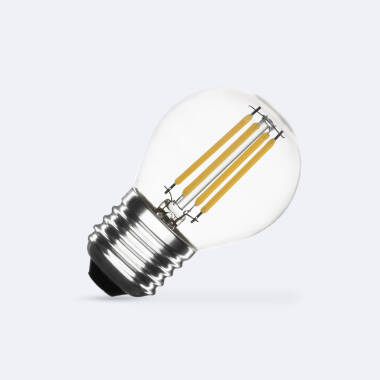
Essential
2,17 €
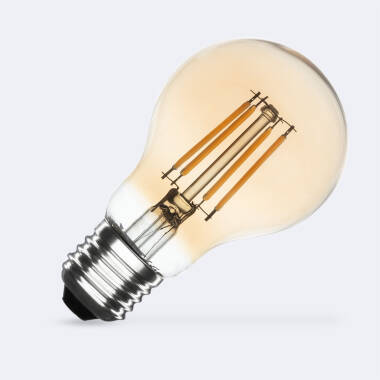
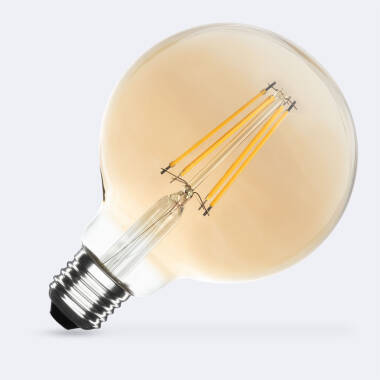
- Wattage 4 W
- Voltage Range 220-240V AC
- Lumen 470 lm
2 options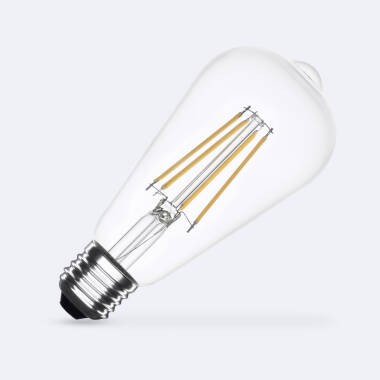
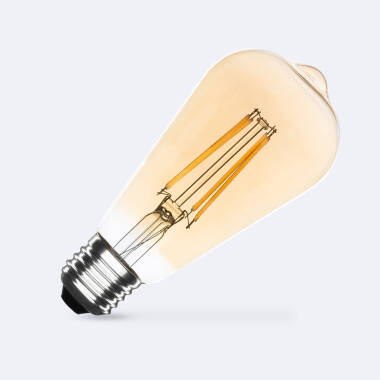
Essential
2,69 €
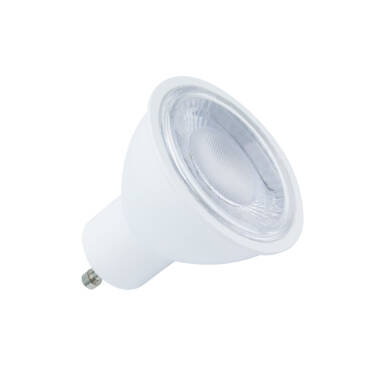
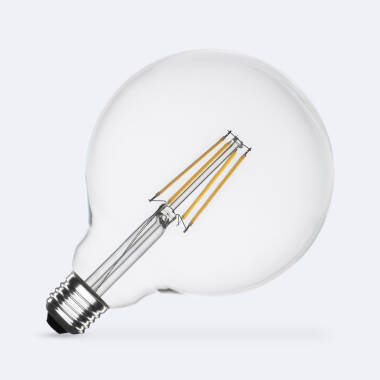
- Wattage 8 W
- Voltage Range 220-240V AC
- Lumen 1055 lm
2 options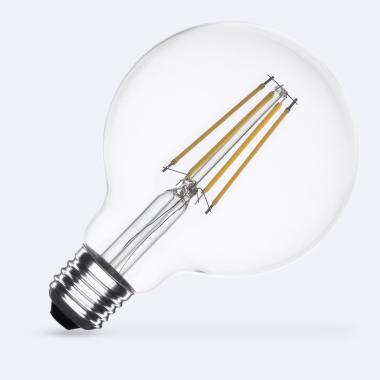
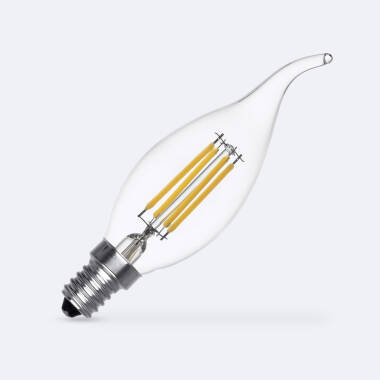
Essential
3,89 €
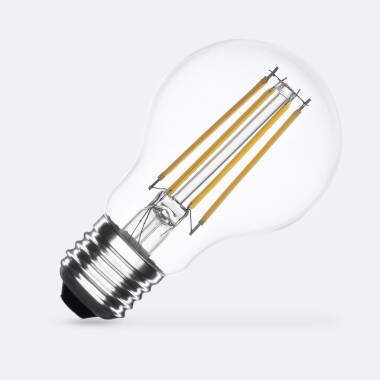
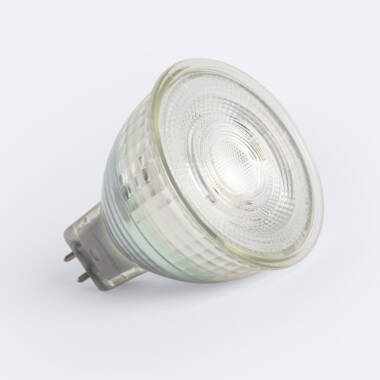
- Wattage 8 W
- Voltage Range 220-240V AC
- Lumen 1055 lm
2 options





Brands related to this category


About Dimmable LED Bulbs
Among LED bulbs, dimmable models are useful when you want to keep an existing light fitting and control the lighting level without giving up the energy savings of LED.
What are dimmable bulbs
Dimmable bulbs are LED light sources designed to change their light output using a compatible control system. Unlike a standard LED bulb, they can reduce or increase luminous flux without switching off, flickering or operating unstably.
This function is used in living rooms, bedrooms, dining rooms, restaurants, hotels, meeting rooms and spaces where the same light fitting needs to adapt to different situations. High brightness may be suitable for cleaning, reading or working, while lower light levels help create a more relaxed atmosphere.
Not all LED bulbs are dimmable. To be dimmed, this must be explicitly stated in their specifications. If a non-dimmable bulb is connected to a dimmer, flickering, buzzing, sudden switch-offs or irregular operation may occur.
It is also important to distinguish a conventional dimmable bulb from a smart bulb. Smart bulbs usually adjust brightness through an app or internal control system, while traditional dimmable bulbs depend on a dimmer installed on the wall, cable or light fitting itself.
How LED dimming works
LED dimming does not work in the same way as with older incandescent or halogen bulbs. Those light sources were resistive loads and worked easily with many traditional dimmers. With LED, the bulb’s internal electronics require a compatible signal to reduce luminous flux stably.
A dimmer does not simply reduce light in a universal way. Depending on the type of dimmer and the bulb electronics, the system may use phase-cut dimming, LED-specific dimming or other control methods. For this reason, two bulbs marked as dimmable may behave differently with the same dimmer.
One of the most common problems appears when replacing halogen bulbs with LED while keeping the old dimmer. The electrical load drops considerably. For example, a lamp with five 40 W halogen bulbs had a total load of 200 W; switching to five 5 W LED bulbs reduces the total load to just 25 W. If the dimmer requires a higher minimum load, it will not dim correctly.
Typical symptoms include flickering at low brightness, irregular switching, a very short usable dimming range or being unable to switch the light off completely from the dimmer. In these cases, the dimmer usually needs to be replaced with an LED-compatible model with the appropriate power range.
Types of dimmable bulbs
Dimmable bulbs are available with the most common bases, including:
Dimmable E27 bulbs are common in ceiling lights, floor lamps, table lamps and light fittings with a standard screw base. They allow many domestic or decorative lamps to be retained while adding brightness control, provided the dimmer is compatible.
Dimmable E14 bulbs are used in chandeliers, wall lights, bedside lamps and compact decorative light fittings. In these cases, it is important to check the total load when several bulbs operate in the same lamp, as each unit usually consumes only a few watts.
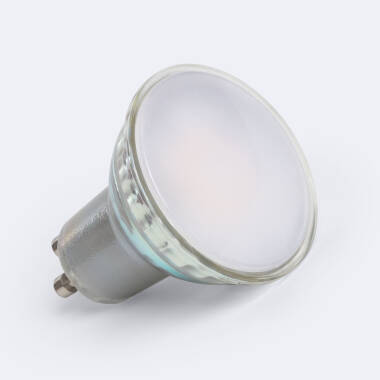
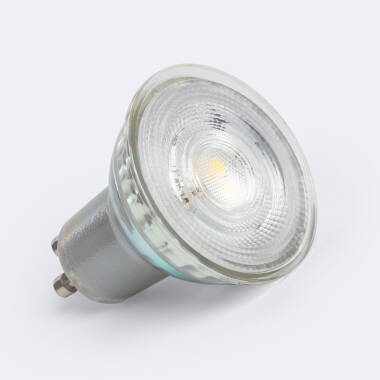
Dimmable GU10 bulbs are common in recessed or adjustable spotlights. In addition to dimming, beam angle should also be considered, as GU10 bulbs are normally used to direct light towards a specific area. In installations with several spotlights, using the same model helps avoid visible differences in brightness or colour tone.
Regardless of the format, always check that the bulb is marked as dimmable.
How to choose a dimmable bulb
When choosing a dimmable bulb, checking the base, lumens and colour temperature is not enough. It is also essential to check its dimming range, colour stability and flicker level. Some bulbs only dim down to 20%, while others can reach 1% or 5% without switching off or flickering. This is particularly important when creating very low-light atmospheres.
It is also worth checking whether the bulb maintains the same tone when dimmed. Models with dim-to-warm technology change from warm light to a more orange tone, imitating halogen bulbs and creating a cosier atmosphere. In addition, if the bulb will be used for many hours or in work areas, choosing a low-flicker model is recommended to reduce visual fatigue.
Performance also depends on the type of dimmer. Some bulbs work with leading-edge phase-cut dimming and others with trailing-edge phase-cut dimming. If the system is not compatible, buzzing, sudden changes in brightness or unexpected switch-offs may occur.
Compatibility with dimmers
Compatibility between the bulb and dimmer is the main criterion. Both must match in terms of dimming method and stay within the permitted minimum and maximum load.
Before buying, calculate the total wattage of the circuit. Six 4 W bulbs add up to 24 W, so a dimmer with a range of 5 to 100 W could work, while one requiring at least 40 W would probably cause flickering or problems when switching the light off.
Minimum load is particularly important when replacing halogen bulbs. An installation with five 40 W lamps reached 200 W, but with five 5 W LED bulbs it only reaches 25 W. The old dimmer may not detect this power correctly, even if the bulbs are dimmable.
Whenever possible, check the manufacturer’s list of compatible dimmers, as it provides more precise information than a generic indication. If several bulbs are installed in the same light fitting, use identical models to maintain uniform brightness, switching behaviour and colour.
Finally, check whether the dimmer requires a neutral wire, supports low LED loads and allows minimum and maximum levels to be adjusted. These parameters can improve dimming performance and correct minor flickering without replacing the entire installation.
Common uses of dimmable bulbs
Dimmable bulbs are especially useful in spaces where a single light fitting serves several purposes. In a living room, for example, they can provide bright light for specific tasks and be dimmed in the evening to create softer lighting.
In bedrooms, they allow brightness to be reduced before resting, avoiding overly strong light at the end of the day. In dining rooms and restaurants, they help adjust the atmosphere according to the service, time of day or amount of natural light.
In shops, dimming can be used to adjust shop windows, display areas or service zones without changing the bulbs. With GU10 spotlights, it also allows the intensity of accent lighting on products, pictures or specific surfaces to be controlled.
They are also useful in floor lamps with a dimmer, although compatibility should be checked carefully in this case. Many older lamps were designed for high-power halogen bulbs and their dimmer may not work correctly with low-consumption LED.
Frequently asked questions
Can all LED bulbs be dimmed?
No. Only LED bulbs explicitly marked as dimmable can be dimmed. A standard bulb may malfunction if connected to a dimmer.
Can I use a dimmable bulb with any dimmer?
No. The dimmer must be compatible with LED, the bulb’s dimming method and the total connected wattage.
Why does a dimmable LED bulb flicker?
It is usually caused by incompatibility with the dimmer, insufficient minimum load or mixing different bulbs on the same circuit.
Does a dimmable bulb use less energy when brightness is reduced?
Yes. Reducing brightness lowers energy consumption compared with operation at 100%, although the exact relationship depends on the bulb electronics and dimming system.
What is the difference between dimmable and smart?
A conventional dimmable bulb requires a compatible dimmer. A smart bulb adjusts brightness through its own electronics, usually via an app, remote control or home automation system.
Can I mix dimmable and non-dimmable bulbs?
It is not recommended on the same dimmed circuit. Non-dimmable bulbs may flicker or fail, while dimmable bulbs may respond unevenly.
Which dimmable bulb bases are most common?
The most common formats are E27, E14 and GU10. The choice depends on the light fitting and the available space.
Do I need to replace the dimmer when switching from halogen to LED?
In many cases, yes. Older dimmers may require minimum loads higher than the power consumption of new LED bulbs.