
Dimmable LED Downlights
Dimmable LED downlights make it possible to adjust light intensity to suit the actual use of each room, combining energy efficiency, visual comfort and greater control over the lighting environment.
Our featured products from Dimmable LED Downlights
- -6%
Advanced
Before 17,39 €
16,29 €
 (2)
(2)Ref 84619
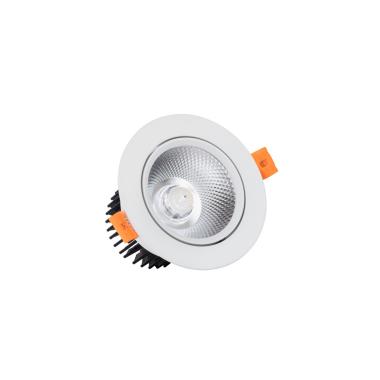
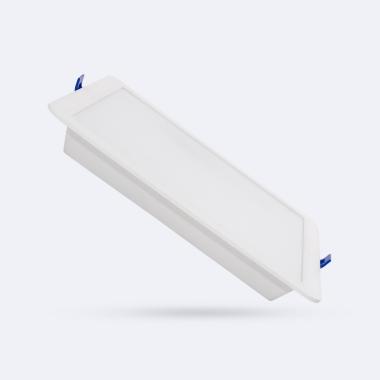
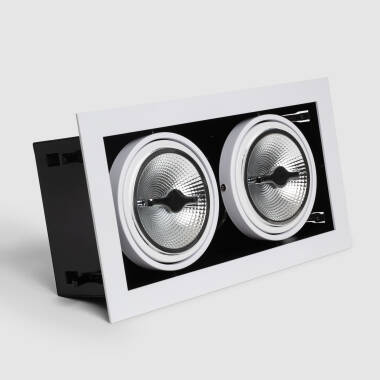
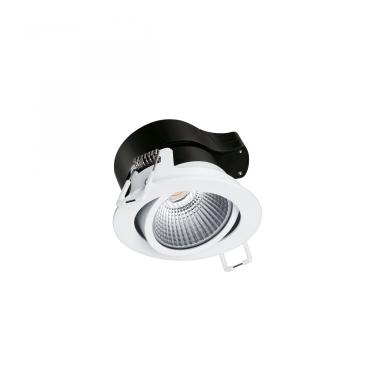
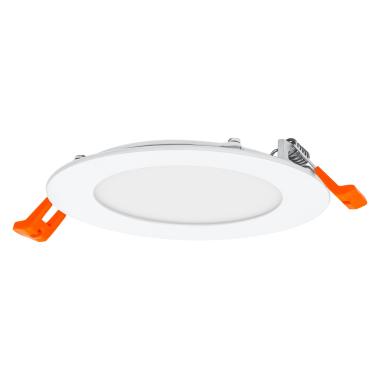
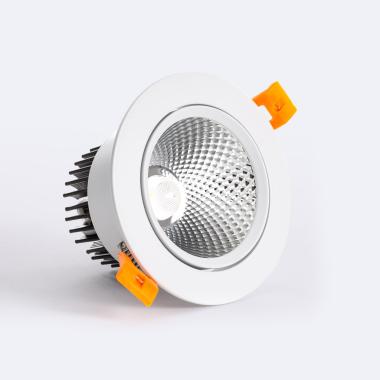
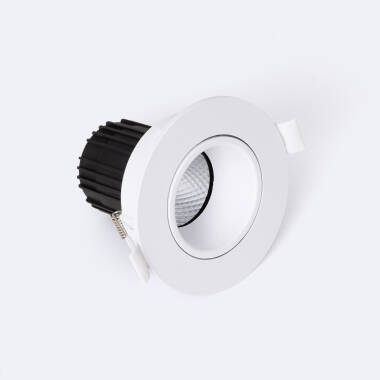
AluminiumAdjustableRound Dimmable 12W LED Downlight Ø90mm Cut Out COB CRI90
In Stock, delivery in 15-20 days
- Wattage 12 W
- Voltage Range 220-240V AC
- Lumen 1080 lm
3 options 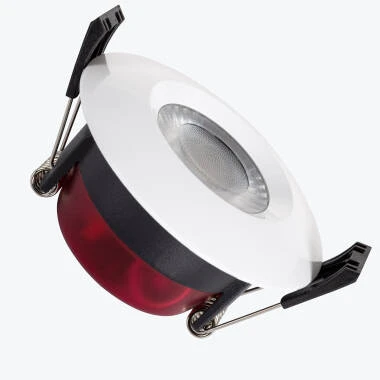
Advanced

11,29 €
 (7)
(7)Ref 84959
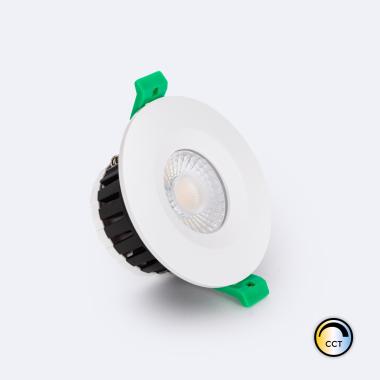
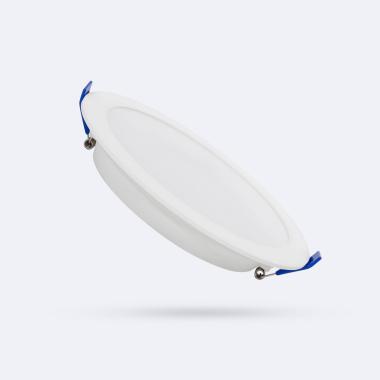
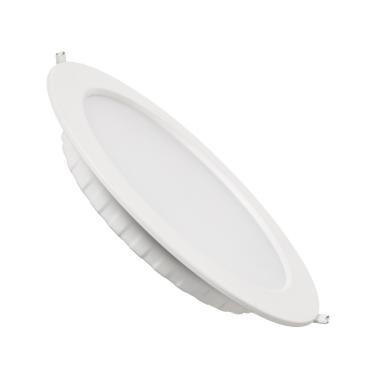
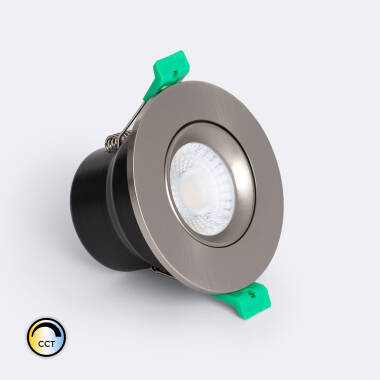
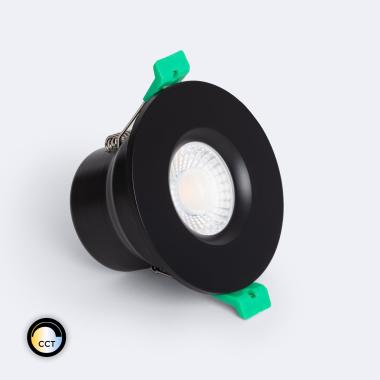
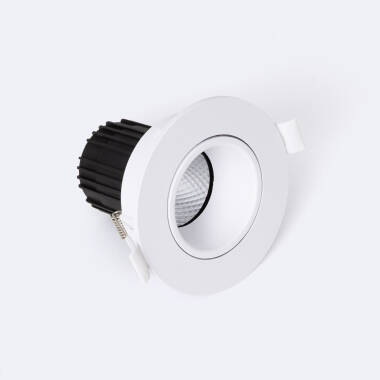
AdjustableRound 8W Dimmable LED Downlight Ø70mm Cut Out Selectable CCT IP65 for Bathrooms
Pre-Order, estimated shipping from 26/10/2026
- Wattage 8 W
- Voltage Range 220-240V AC
- Lumen 800 lm
Essential
2,99 €
Ref 106848
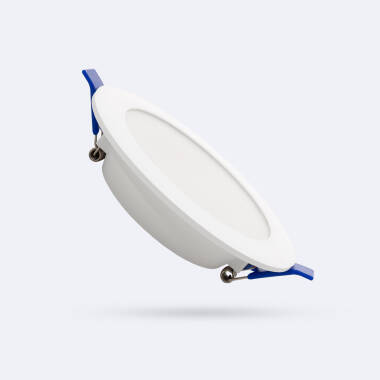
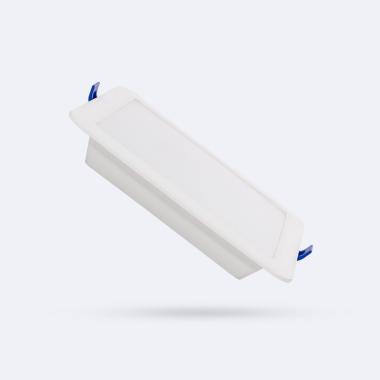
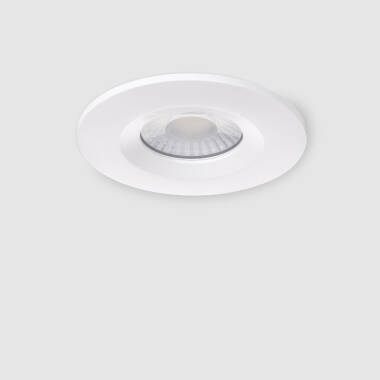
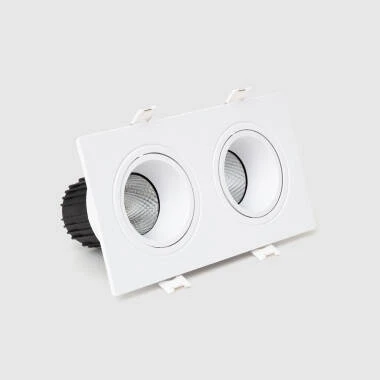
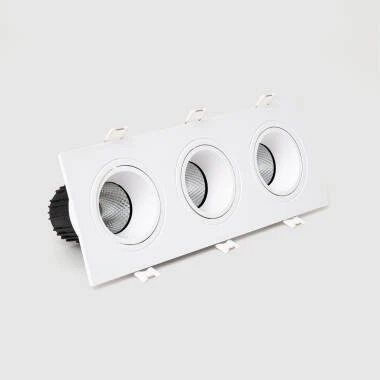
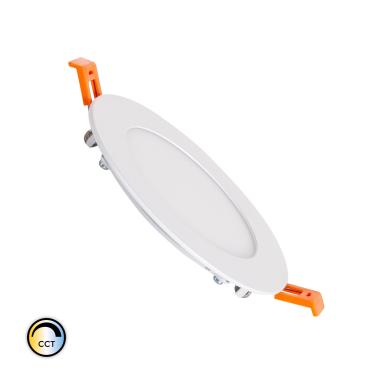
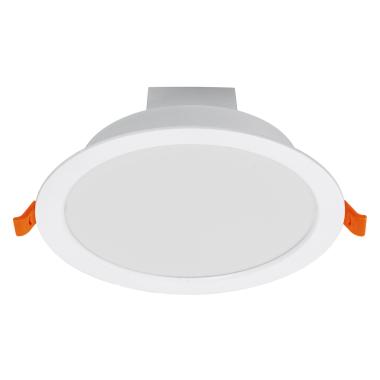
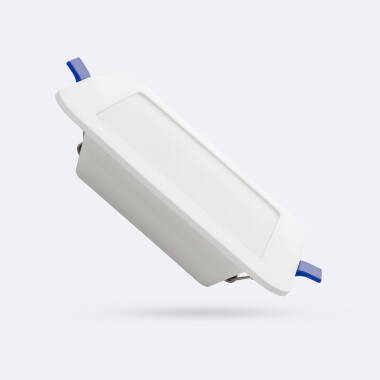
AdjustableAdjustableRound 6W LED Downlight Ø100x110mm Cut Out SOLID
In Stock, delivery in 15-20 days
- Wattage 6 W
- Voltage Range 220-240V AC
- Lumen 600 lm
4 options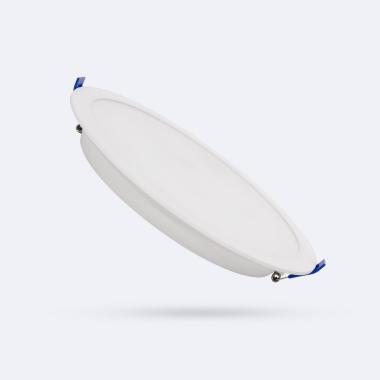
Essential
6,39 €
Ref 106884
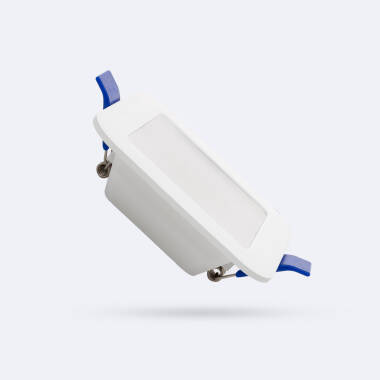
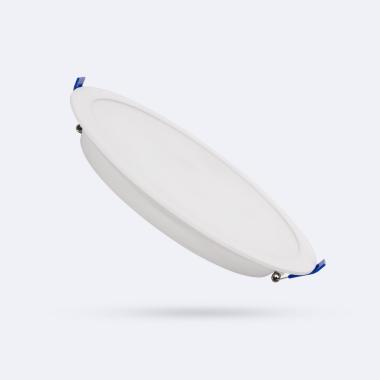
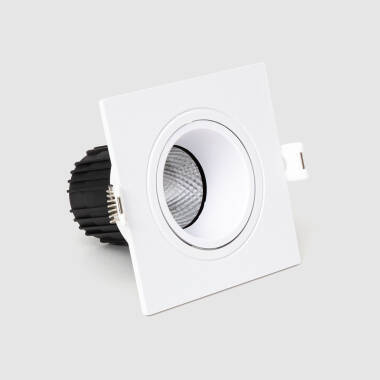
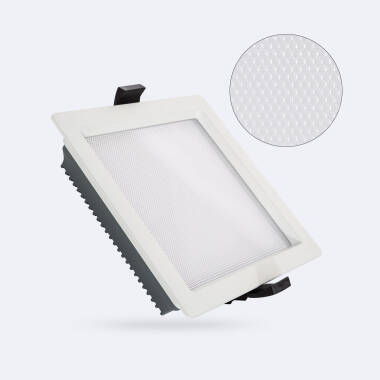
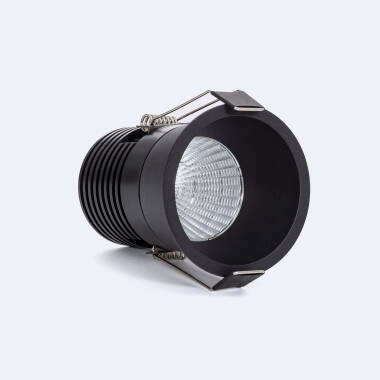
AdjustableRound 18W LED Downlight Ø195x210mm Cut Out SOLID
In Stock, delivery in 15-20 days
- Wattage 18 W
- Voltage Range 220-240V AC
- Lumen 1800 lm
5 options





You may also be interested in
Brands related to this category


About Dimmable LED Downlights
Dimmable downlights are especially useful when the same space requires different lighting levels throughout the day. They allow you to switch from bright, functional lighting to softer ambient light without changing the fitting, making them ideal for homes, shops, hotels, restaurants, offices and multifunctional spaces.
Unlike a conventional downlight, which simply switches on and off, a dimmable model can vary its light output within a specific range. For it to work correctly, it is not enough for the fitting to use LED technology: the driver, dimming system and installed dimmer must all be compatible.
What is a dimmable downlight?
A dimmable downlight is a recessed LED luminaire that allows the light output to be adjusted using a compatible dimmer, control system or driver.
Within the range of LED downlights, dimmable models add an extra level of control, allowing lighting to be adapted to the time of day, the way the room is used and the desired level of visual comfort. Instead of always operating at full output, they can reduce their intensity to create a softer atmosphere, save energy or avoid excessive brightness when maximum output is unnecessary.
This flexibility is particularly useful in spaces where activities change throughout the day. In a living room, for example, brighter light may be useful for cleaning, entertaining guests or reading, while lower intensity creates a more relaxing atmosphere for watching television. In a restaurant, lighting can remain brighter during service preparation and then be dimmed during dinner to create a warmer ambience. In a meeting room, dimming allows lighting to be adapted for presentations, video calls or collaborative work.
Dimming also improves energy efficiency. If a lighting installation remains switched on for long periods but does not always require full output, reducing the intensity can lower electricity consumption. In well-designed systems, especially those using zoning or sensors, the savings can be significant, although they depend on operating hours, dimming range and usage patterns.
Not all LED downlights are dimmable. Connecting a non-dimmable model to a dimmer can cause flickering, buzzing, unreliable switching or premature failure. For this reason, it is important to check whether the technical specifications include terms such as "dimmable", "TRIAC", "DALI", "0-10V" or another compatible dimming system.
It is also important to distinguish between dimming and colour temperature adjustment. A dimmable downlight changes the amount of light produced. A CCT downlight, by contrast, allows the colour temperature to be selected, for example between 3000K, 4000K and 6000K. Some models combine both functions, but they are technically different features.
Types of dimming
Lighting can be dimmed using different technologies, each suited to a particular type of installation, level of control and application.
Choosing the right system is essential to avoid compatibility issues. In residential installations, phase-cut dimming is the most common option, while commercial and professional projects often use digital or analogue systems that allow groups of luminaires to be controlled more precisely.
TRIAC dimming
TRIAC, or phase-cut dimming, is widely used in homes and small commercial premises because it integrates easily into existing electrical installations using a compatible dimmer. It allows brightness adjustment without complex rewiring during renovations, provided the downlight and dimmer are compatible.
Some Philips LED downlights are available in TRIAC versions for straightforward dimming without centralised control. Compatibility is essential, as trailing-edge dimmers are often quieter and more stable, depending on the driver used in the luminaire.
One critical factor is the dimmer's minimum load. Older dimmers designed for halogen lamps can cause flickering or noise with low-power LEDs. If the total connected load—for example 24W—is below the dimmer's minimum requirement—for example 40W—the system may become unstable. In these situations, LED-specific dimmers or load compensators are recommended.
DALI dimming
DALI (Digital Addressable Lighting Interface) is a digital lighting control standard designed for precise lighting management in offices, hotels, retail spaces and other professional environments. Its main advantage is the ability to address each luminaire individually, allowing custom groups and lighting scenes to be created for different uses.
The system also integrates easily with occupancy and daylight sensors to maintain consistent lighting levels while reducing energy consumption. Although DALI requires dedicated drivers and careful planning, it offers much greater flexibility and easier maintenance than conventional systems. Because luminaires often operate below maximum output, thermal stress is reduced, helping to extend component life.
0-10V dimming
0-10V dimming is an analogue control system that adjusts light output using a control signal between 0 and 10 volts, with the maximum value corresponding to full brightness. It is commonly used in offices, commercial premises and other professional installations where reliable group control is required without the complexity of digital systems.
Unlike TRIAC dimming, it sends a dedicated control signal directly to the driver rather than modifying the mains supply waveform. Although it provides excellent stability across groups of luminaires, it requires additional control wiring.
This system allows complete lighting circuits to be dimmed uniformly, making it ideal for meeting rooms, retail areas and similar spaces where overall lighting needs to be adjusted. It offers more advanced control than residential systems but lacks the individual addressing and scene programming capabilities of DALI.
CCT (Selectable Colour Temperature)
CCT downlights allow the colour temperature to be selected without necessarily dimming the light output. CCT (Correlated Colour Temperature) typically provides options such as 3000K, 4000K and 6000K, selected either using a physical switch on the fitting or, in more advanced models, via remote control or an app.
This feature offers flexibility during renovations and residential projects, allowing the same product to create warm lighting (3000K) in living areas or neutral lighting (4000K) in kitchens. It is important to distinguish between selectable CCT, which is set during installation, and dynamic CCT, where the colour temperature can be changed during operation.
Some products combine both brightness dimming and colour temperature adjustment to create complete lighting scenes, although they require compatible control systems. As a general guide, 2700K-3000K is suitable for relaxing spaces, 4000K for working environments and 5000K-6000K for technical or task-oriented areas.
Advantages of dimmable downlights
Dimming does much more than simply reduce brightness. It allows spaces to adapt to different activities, improves visual comfort and helps reduce energy consumption.
In multifunctional rooms, adjustable lighting eliminates the need for a single fixed light level. A dimmable living room LED downlight, for example, can provide bright lighting for meals or reading, then create softer lighting for watching television or relaxing.
One of the greatest advantages is improved atmosphere. Lighting strongly influences how a space feels. Full brightness may be appropriate for cleaning, working or entertaining guests, but can feel excessive in the evening. Lowering the intensity creates a warmer, more comfortable environment without switching the lights off completely.
Dimming also improves visual comfort. In areas where direct light may feel too intense, brightness can be reduced to prevent discomfort. This is especially valuable in living rooms, bedrooms, hotels, restaurants, waiting areas and anywhere people spend long periods of time.
From an energy perspective, reducing brightness can lower electricity consumption whenever full output is unnecessary. Although energy savings are not always perfectly proportional because of driver behaviour, dimmed luminaires consume less power. In installations with many operating hours, these savings can become significant.
Operating below maximum output can also extend the effective service life of the system. Lower brightness reduces the operating temperature of both the LED and its driver. Since heat is one of the main factors affecting electronic component lifespan, properly dimmed installations can maintain performance for longer.
In commercial environments, dimming allows lighting to match schedules and activities. Offices can use brighter lighting during working hours and reduce it during cleaning or maintenance. Retail spaces can adjust brightness according to daylight levels or product displays. Restaurants can maintain brighter lighting before opening and create a more intimate atmosphere during service.
Another important advantage is the ability to create lighting scenes. Advanced systems allow predefined settings for reading, relaxing, meetings, presentations or cleaning. This simplifies everyday operation and removes the need for multiple switches or independent circuits.
Dimming also provides future flexibility. If the purpose of a room changes, there is often no need to modify the lighting installation—simply adjust the light levels. This is particularly useful in commercial premises, offices, open-plan homes and adaptable spaces.
Dimmer compatibility
Compatibility is the most important consideration when choosing dimmable LED downlights. A dimmable downlight will not work correctly with every dimmer, and a dimmer designed for LEDs does not automatically guarantee perfect performance with every fitting.
The first step is identifying the dimming technology supported by the downlight. If it specifies TRIAC, it must be used with a compatible TRIAC dimmer. If it specifies DALI, a DALI controller is required. If it specifies 0-10V, an analogue control signal is needed. Mixing different dimming technologies generally does not work and can cause malfunction.
In residential installations, many problems arise when replacing halogen fittings with LEDs while keeping the original dimmer. Halogen lamps operated with higher electrical loads, whereas LEDs consume much less power and rely on electronic drivers. As a result, older dimmers may fail to detect the load correctly or operate outside their intended range.
Both the minimum and maximum load ratings of the dimmer should always be checked. Too few LED downlights may not reach the minimum load, while too many may exceed the maximum. Either situation can cause flickering, buzzing, incomplete switching or unstable dimming.
It is also important to determine whether the driver is designed for leading-edge or trailing-edge dimming. Many LED drivers perform better with trailing-edge dimmers, although this is not universal. The manufacturer's datasheet or compatibility chart normally specifies the recommended dimmer type.
Flickering is one of the most common signs of incompatibility. It may appear at low dimming levels, during switching on or off, or even when the light appears stable. Besides being distracting, it can reduce visual comfort in areas where people spend extended periods.
Buzzing may originate from the dimmer, the driver or the luminaire itself. It does not necessarily indicate a serious fault, but it often suggests that the combination is not ideal. This is especially important in bedrooms, living rooms, hotels and other quiet spaces.
With DALI or 0-10V systems, compatibility must be considered during the design stage. Drivers, controllers, push buttons, sensors and other devices must all operate within the same control system. In larger installations, lighting zones should be carefully planned to avoid relying on a single control group.
For CCT downlights, it is important to distinguish whether colour temperature selection is performed manually before installation or through an electronic control system. If colour temperature is adjusted using a remote control, app or controller, it may not be compatible with a conventional wall dimmer.
A well-designed dimmable installation should provide stable switching, smooth dimming, no visible flicker, a practical dimming range and silent operation. Achieving this requires choosing both the correct downlight and the correct dimming equipment for the existing installation.
Frequently Asked Questions
Are all LED downlights dimmable?
No. Only products that specifically state they are dimmable support brightness adjustment. A standard LED downlight is designed simply to switch on and off. Connecting a non-dimmable fitting to a dimmer can cause flickering, buzzing, switching problems or reduced lifespan.
Which dimming system is best for homes?
TRIAC dimming is generally the most common residential solution because it can often be integrated into existing wiring by replacing the standard switch with a compatible dimmer. It is suitable for living rooms, bedrooms and dining areas. More advanced homes with smart lighting systems may use DALI, although this requires greater planning and full compatibility between all components.
What is the difference between TRIAC, DALI and 0-10V?
TRIAC uses phase-cut dimming and is common in homes and small commercial premises. DALI is a digital lighting control system that allows individual luminaires, lighting scenes and zones to be managed. 0-10V is an analogue system that controls groups of luminaires using a dedicated voltage signal.
Can I use my existing dimmer with LED downlights?
Not always. Many older dimmers were designed for halogen or incandescent lamps and require a higher minimum electrical load than LED downlights provide. This may result in flickering or unstable dimming. A dimmer specifically designed for LEDs is recommended, and the total connected load should always fall within the manufacturer's specified range. It is also important to check whether the downlight requires leading-edge or trailing-edge dimming.
Why does a dimmable downlight flicker?
Flickering is usually caused by incompatibility between the downlight, driver and dimmer. It may also result from insufficient electrical load, unsuitable dimmers or attempts to dim below the stable operating range. When several luminaires are connected together, always verify total wattage and dimmer compatibility. If flickering only occurs at low brightness, adjusting the dimmer's minimum setting or replacing it with an LED-specific model usually solves the problem.
Does dimming reduce electricity consumption?
Yes. Lower brightness reduces energy consumption, although not always in direct proportion. A downlight operating at 50% brightness generally consumes less power than at full output, but the exact saving depends on the driver and dimming technology. In installations with long operating hours, dimming can provide meaningful energy savings, especially when combined with sensors, zoning or lighting scenes.
Is a CCT downlight the same as a dimmable downlight?
No. A CCT downlight changes colour temperature, for example between 3000K, 4000K and 6000K. A dimmable downlight changes light intensity. Some models combine both functions, but this should be clearly specified by the manufacturer.
Is dimming recommended in a living room?
Yes. Living rooms benefit greatly from dimming because lighting can easily adapt to different activities. Higher brightness is useful for reading, cleaning or entertaining, while lower levels create a comfortable atmosphere for watching television or relaxing.
Do dimmable downlights last longer?
They can. Operating below maximum brightness reduces the temperature of both the LED and the driver. Since heat is one of the main causes of electronic component ageing, correctly dimmed installations may maintain performance for longer.
How many dimmable downlights can I connect to one dimmer?
This depends on the total wattage of all connected downlights and the minimum and maximum load ratings of the dimmer. The combined load of every luminaire must remain within the specified operating range.