
Ceiling Lamps
Ceiling lamps are the main source of light in almost any room. They determine how much light is available and how it is distributed throughout the space.


Our featured products from Ceiling Lamps
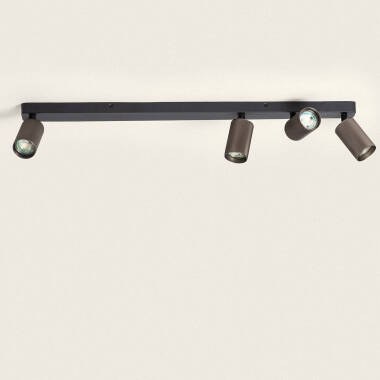
70,99 €
BreixoRef 114662
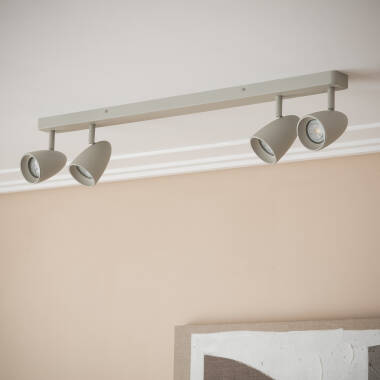
AluminiumBreixo 4 Spotlight Aluminium Ceiling Lamp
Bronze
In Stock, delivery in 15-20 days
- -43%
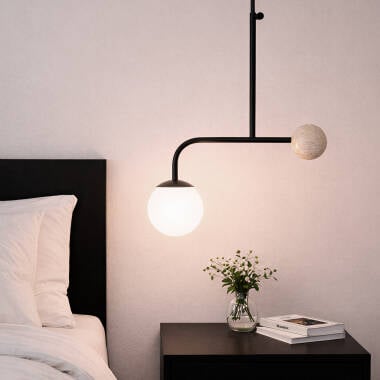
Before 102,99 €
58,99 €









Brands related to this category


About Ceiling Lamps
Among the different ceiling lighting options, ceiling lamps offer one of the widest ranges of shapes, finishes, colours and materials, making them suitable for homes as well as shops, offices and restaurants.
Discover the different types of ceiling lamps, the most popular styles, which model suits each room and how materials and colours influence the final look.
Types of Ceiling Lamps
Not all ceiling lamps provide light in the same way or are installed in the same manner. The type of fitting determines the minimum height required, how the light is distributed and how much visual space it occupies. These are the four main formats available in this category.
Flush Ceiling Lights
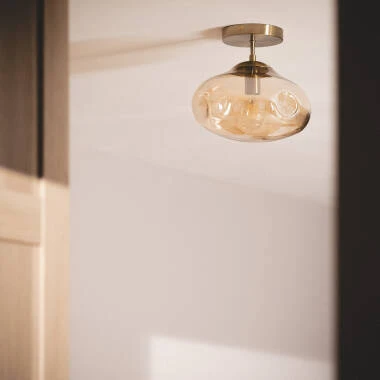
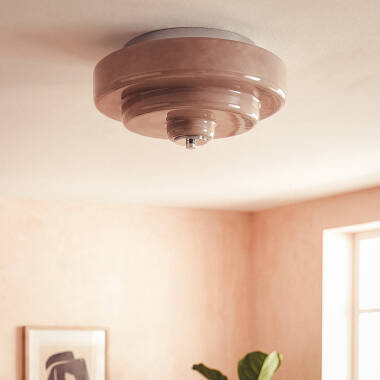
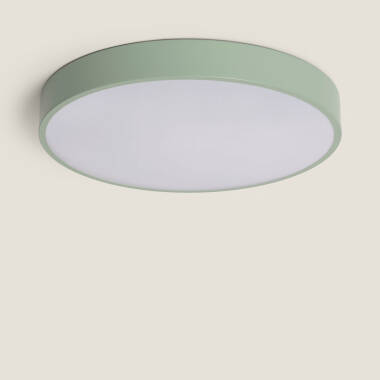
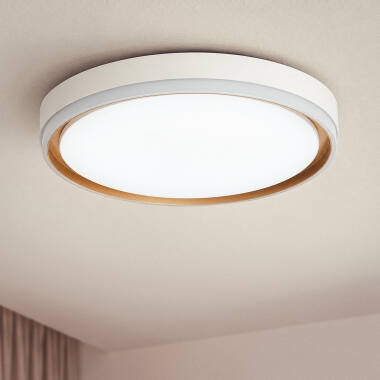
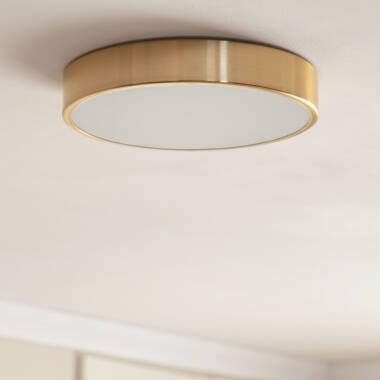
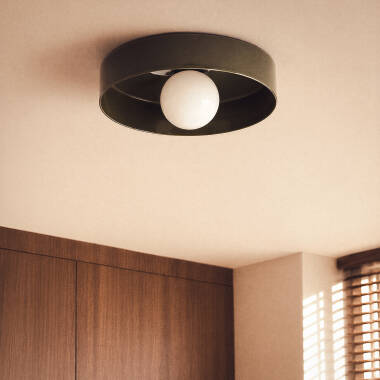
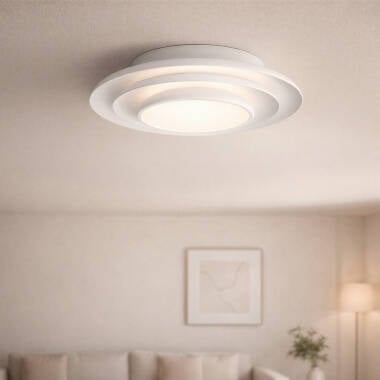
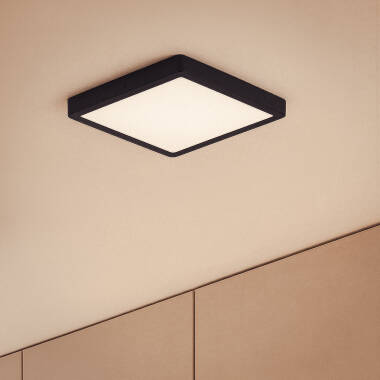
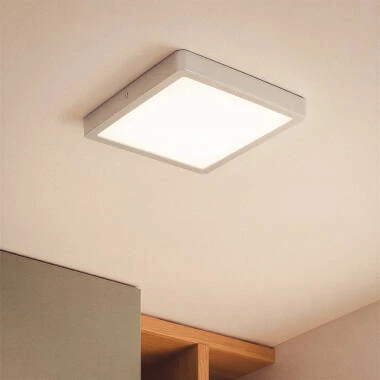
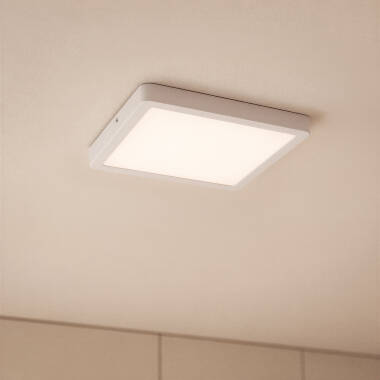
Flush ceiling lights are fitted directly to the ceiling without a cable or suspension, making them ideal for low ceilings while providing broad, even light distribution. Designer models feature geometric shapes, relief details, opal diffusers or rings of indirect light, and many incorporate LEDs into very slim profiles. As a guide, a 10–12 m² room generally suits a 30–40 cm fitting, while a large living room may require 50 cm or more.
Surface-mounted Spotlights
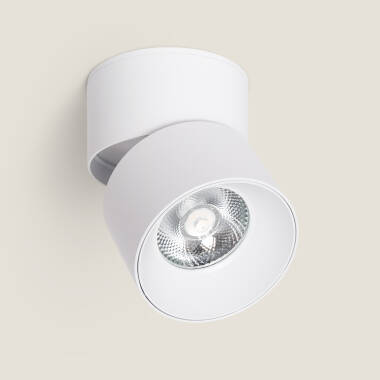
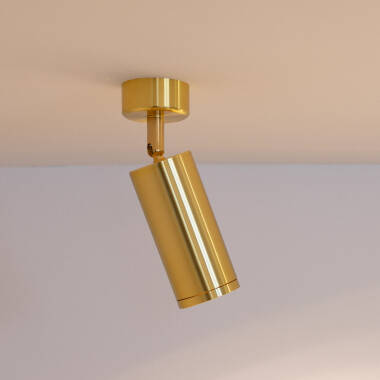
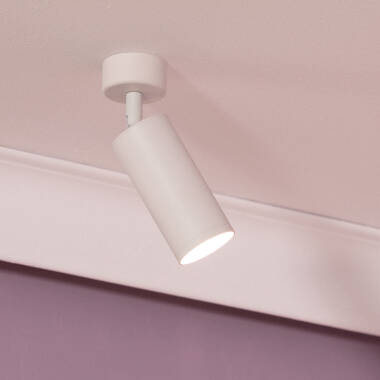
Surface-mounted spotlights are compact surface fittings that concentrate the light more than a flush ceiling light. They can be used as the main light source in smaller spaces such as bathrooms, dressing rooms or passageways, and as supplementary lighting in larger rooms. Arranged in a row, they create a regular rhythm of light in hallways and kitchens, while adjustable models can highlight a picture or shelving unit.
Ceiling Lamps with Spotlights
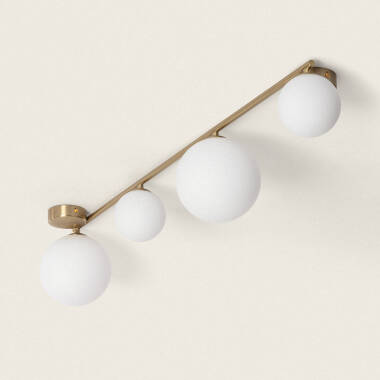
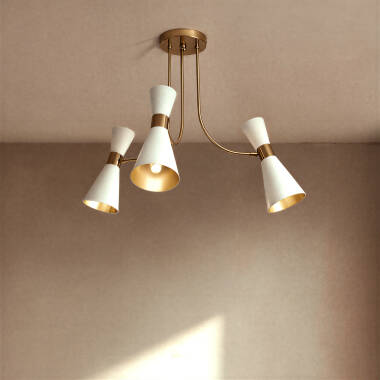
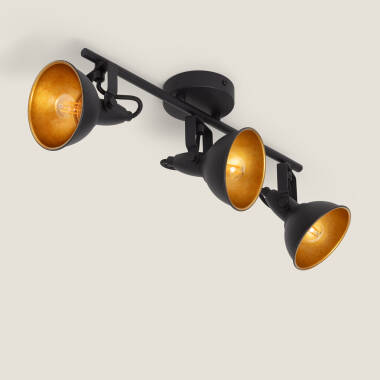
Ceiling lamps with spotlights combine several adjustable light points, each of which can be directed independently. They allow several areas to be illuminated from a single electrical connection, such as the worktop and kitchen island or the sofa and bookcase in a living room. Models are available with two, three or even more than four spotlights, and their look is particularly well suited to modern and industrial interiors.
Pendant Lights
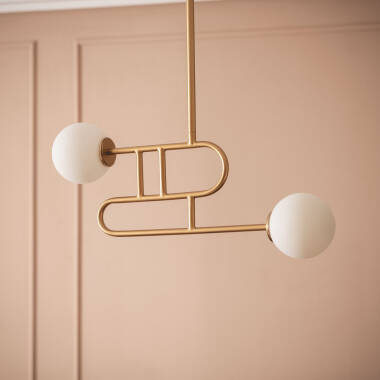
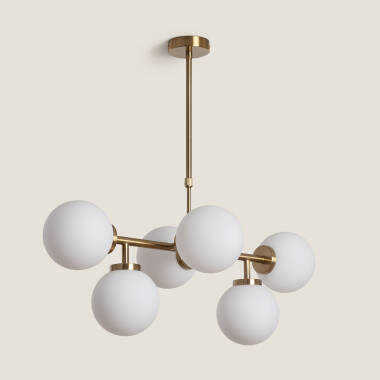
Pendant lights are suspended from the ceiling by a cable, chain or rod, bringing the light closer to the area you want to highlight. They are a popular choice above dining tables, kitchen islands and breakfast bars, and are particularly effective in rooms with high ceilings, where a larger statement piece can become a focal point. Choose the suspension height according to its use — typically 70–90 cm above a table — and combine several in a row over longer surfaces.
LED Ceiling Lamps
LED ceiling lamps use up to 80% less energy than an equivalent incandescent bulb and last for tens of thousands of hours. In practical terms, that means years of use without replacing the light source and lower electricity bills from the very first month.
To make the right choice, check three key specifications on the product data sheet:
- Luminous flux (lumens): indicates how much light the lamp emits. A living room needs more light than a hallway; as a general guide, allow between 100 and 300 lumens per m² depending on how the room is used.
- Colour temperature (K): warm light (2700–3000 K) creates a cosy atmosphere in living rooms and bedrooms, while neutral light (4000 K) is better suited to kitchens, bathrooms and work areas.
- Dimming: dimmable models, or those compatible with a remote control or app, allow you to adjust the brightness to suit different times of day.
Many LED ceiling lamps also include features such as colour temperature adjustment via a switch (CCT), motion sensors or smart control, which are particularly useful in hallways, entrance areas and children's bedrooms.
Indoor and Outdoor Ceiling Lamps
The difference between an indoor and an outdoor ceiling lamp is not simply aesthetic. It lies in its resistance to water, dust and changes in temperature.
Indoor ceiling lamps offer the widest variety of shapes, materials and finishes. As they are protected from the weather, they can use a broader range of materials, including more delicate ones. They play a major role in defining the decorative style of the home, from the living room to the bedroom.
Outdoor ceiling lamps are designed for porches, covered terraces, covered walkways, garages and entrances. They are made from materials and finishes designed to withstand dust, moisture and rain.
Ceiling Lamp Styles
The ceiling lamp is one of the features that has the greatest influence on the style of a room because it occupies the visual centre of the space. Choosing a style that complements the rest of the décor brings the scheme together, while choosing a contrasting design can turn the lamp into a focal point. These are the most popular styles:
- Modern: modern ceiling lamps feature clean lines, geometric shapes and contemporary finishes such as lacquered metal, brushed aluminium or acrylic. Many incorporate integrated LEDs into slim profiles, hoops or rings of light that appear to float beneath the ceiling. They are a reliable choice for new-build homes, offices and commercial spaces seeking a contemporary look.
- Minimalist: minimalist ceiling lamps take this idea a step further: fewer elements, less ornamentation and all the focus on the light itself. A frameless circular flush fitting, a linear bar or an almost invisible-profile disc can provide illumination without visually cluttering the room. They are ideal for open-plan spaces, white walls and interiors where visual simplicity is a priority.
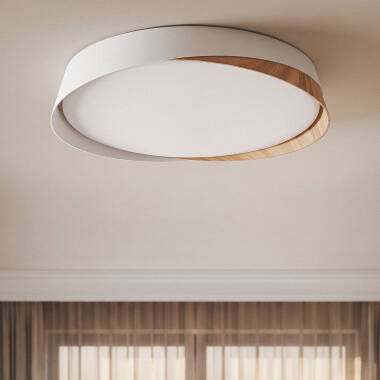
- Scandinavian: Scandinavian ceiling lamps reflect Nordic design principles: functionality, light tones and warm materials. Common combinations include pale wood with white or black metal, rounded shades and matt finishes. They bring brightness and a sense of calm, making them particularly suitable for living rooms, bedrooms and open-plan kitchens.
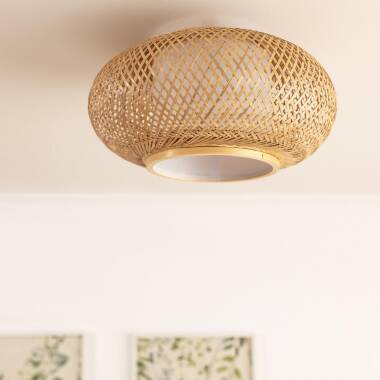
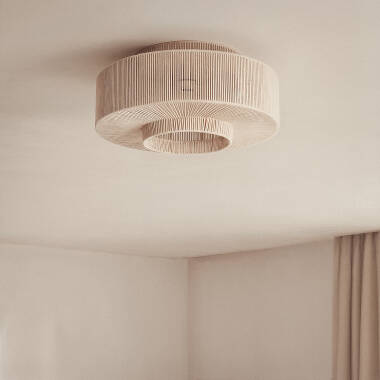
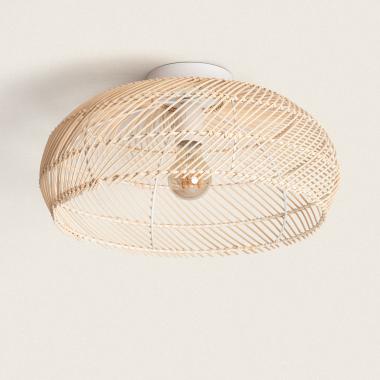
- Natural: natural ceiling lamps draw on the trend for bringing nature indoors. Rattan, bamboo, wicker, jute and untreated wood filter the light and cast soft shadows onto walls and ceilings. They are perfect for boho, Mediterranean or coastal-inspired interiors and create a warm, relaxed atmosphere.
- Industrial: industrial ceiling lamps take inspiration from factories and workshops, with exposed metal, rusted or black finishes, metal cages and visible filament bulbs. They work especially well in lofts, kitchens with islands, restaurants and cafés, and pair naturally with exposed brick, concrete and reclaimed wood.
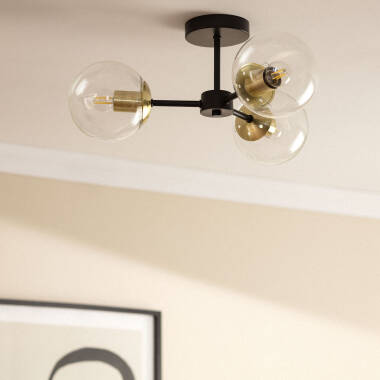
- Vintage: vintage ceiling lamps evoke past decades, particularly the 1950s, 60s and 70s. Organic shapes, smoked or coloured glass, aged brass and globe or Sputnik-style silhouettes are their defining features. They add character and personality and provide an easy way to introduce a retro touch into a contemporary interior.
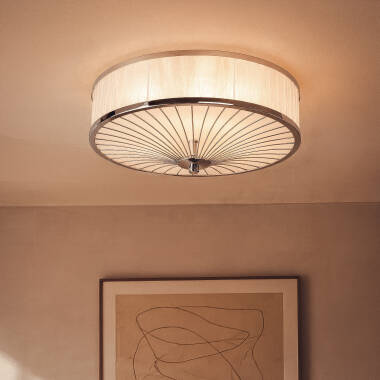
- Classic: classic ceiling lamps retain a timeless elegance, with multi-arm designs, pleated fabric shades, cut glass or crystal and gold, bronze or silver finishes. They are a natural choice for elegant living rooms, formal dining rooms and homes with decorative mouldings or high ceilings, where a statement piece can be shown to its full effect.
- Rustic: rustic ceiling lamps combine solid wood, wrought iron and rope to create a warm, authentic atmosphere. They suit country houses, holiday homes, traditional-style kitchens and rural accommodation. Their warm light enhances the homely feel and blends naturally with exposed beams and terracotta or wooden floors.
How to Choose a Ceiling Lamp for Each Room
Every room is used differently and therefore has different lighting requirements. The amount of light, its colour temperature and the shape of the lamp should suit what you do in each space. These guidelines will help you choose.
- Dining room and living room: the living room is the most versatile room in the home, so ceiling lamps for dining and living rooms should combine effective general lighting with a design that adds personality. Above the dining table, centre the lamp over the table rather than the room; in the seating area, a designer flush fitting or a lamp with adjustable spotlights can illuminate the sofa or bookcase. Choose warm light (2700–3000 K) and, where possible, dimmable models.
- Bedroom: rest is the priority in a bedroom, so bedroom ceiling lamps should provide soft, enveloping light that does not cause glare when viewed from the bed. Flush fittings with an opal diffuser or indirect lighting distribute the light without bright points; choose warm colour temperatures and, ideally, dimmable or remote-controlled models, complemented by bedside lamps for reading.
- Kitchen: the kitchen is a working space, so kitchen ceiling lamps should provide plenty of light without casting shadows over the worktop. Combine a high-output LED flush fitting for general lighting with spotlights directed at the hob or island, use neutral light at around 4000 K to see food clearly, and choose materials that are easy to clean.
- Bathroom: safety comes first in the bathroom; bathroom ceiling lamps require a minimum IP44 rating, with a higher level of protection near a shower or bath. Sealed flush fittings with polycarbonate or glass diffusers are the most common option, while neutral light is practical for shaving or applying make-up.
- Hallway: hallways often have low ceilings and little natural light, so hallway ceiling lamps should be compact and shallow. Several flush fittings or surface-mounted spotlights distributed along the hallway provide better lighting than a single central lamp, while models with motion sensors save energy and are particularly convenient at night.
- Children's bedrooms: a child's bedroom is a space for play, study and rest. Kids' ceiling lamps combine fun designs such as clouds, stars or animals with lightweight, glass-free materials and LEDs that remain cool; dimmable models allow you to switch from neutral light for homework to warm, subdued light at bedtime.
| Room | Recommended lamp type | Lumens per m² | Color temperature | Minimum IP rating |
|---|---|---|---|---|
| Dining room and living room | Pendant over the table; designer ceiling light or spotlights in the seating area | 150–250 lm | 2700–3000 K (warm) | IP20 |
| Bedroom | Ceiling light with opal diffuser or indirect light | 100–150 lm | 2700–3000 K (warm) | IP20 |
| Kitchen | LED ceiling light for general lighting and spotlights or pendant lights above countertop and island | 250–300 lm | 4000 K (neutral) | IP20 |
| Bathroom | Waterproof ceiling light with polycarbonate or glass diffuser | 200–300 lm | 4000 K (neutral) | IP44 |
| Hallway | Compact ceiling lights or wall lights in series, with motion sensor | 100 lm | 3000–4000 K | IP20 |
| Children's rooms | Dimmable LED ceiling light, without glass | 150–250 lm | Dimmable (warm-neutral) | IP20 |
Swipe the table to see all columns and rows.
Most Popular Materials and Colours
The material and colour of a ceiling lamp do more than define its appearance: they also change the way the light is diffused. The same design in glass or fabric, black or white, can create a completely different atmosphere.
Each material filters light differently and gives the room its own character:
- Glass: glass ceiling lamps bring brightness and elegance to a room. Clear glass creates sparkle and reflections, opal or frosted glass softens the light and reduces glare, while smoked or coloured glass adds a decorative, more intimate touch. They are particularly popular in living rooms, dining rooms and bedrooms.
- Wood: wooden ceiling lamps add warmth and a connection with nature. They work well with Scandinavian, rustic and natural styles; pale woods make a room appear larger, while darker woods create a cosier atmosphere.
- Fabric: fabric ceiling lamps filter the light and tint it slightly with the colour of the shade, producing soft, enveloping illumination. Linen, cotton and pleated fabrics are commonly used in bedrooms, living rooms and classic interiors.
The colour of the lamp determines how much it stands out against the ceiling and how it reflects the light:
- Black: black ceiling lamps are a reliable choice for modern and industrial interiors. They create a striking silhouette against light ceilings and work with almost any palette, from natural wood to concrete.
- Gold: gold ceiling lamps add a touch of luxury and warmth. Brass, bronze and brushed gold finishes reflect the light with a warm glow that works equally well in classic rooms and contemporary Art Deco-inspired interiors.
- White: white ceiling lamps blend into the ceiling and are almost unobtrusive, making them ideal for small spaces or low ceilings. They reflect light effectively, make the room appear larger and work with virtually any style, from minimalist to Scandinavian.
Frequently Asked Questions About Ceiling Lamps
What size ceiling lamp do I need?
A simple rule is to add the length and width of the room in metres; the result, expressed in centimetres, gives an approximate lamp diameter. For example, in a 4 × 3 m room, a ceiling lamp around 70 cm in diameter will look well proportioned.
How high should a ceiling lamp hang?
In passage areas, leave at least 2.10 m of clear space between the floor and the bottom of the lamp. Above a dining table, the usual position is 70–90 cm above the tabletop.
How many lumens does a room need?
It depends on the use of the room. As a guide, a bedroom needs around 100–150 lumens per m², a living room 150–250, and a kitchen or work area 250–300. Multiply that figure by the room's floor area in square metres.
What colour temperature is best for the home?
Warm light (2700–3000 K) is best suited to living rooms and bedrooms. Neutral light (4000 K) is more practical in kitchens, bathrooms and home offices. Models with adjustable colour temperature allow you to have both options in the same lamp.
Can I install a ceiling lamp myself?
Most ceiling lamps include instructions and all the necessary mounting accessories. Even so, always switch off the power at the consumer unit before handling any wiring and, if you are unsure, use a qualified professional installer.