
Indoor Ceiling Lamps
Indoor ceiling lamps provide general and decorative lighting for homes and professional spaces, combining different designs, LED technologies and solutions suited to each room.
Our featured products from Indoor Ceiling Lamps
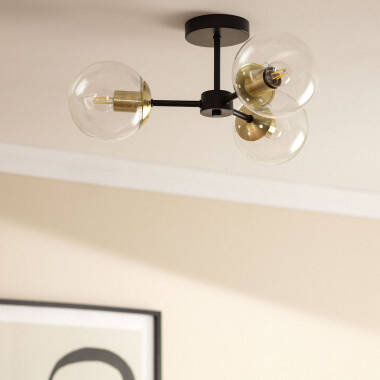
46,99 €
WassilyRef 95383
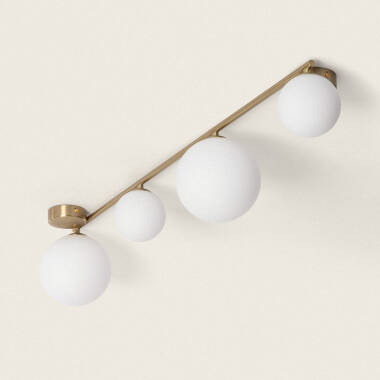
Wassily Gold 3 Spotlight Metal & Glass Ceiling Lamp
Black
In Stock, delivery in 15-20 days
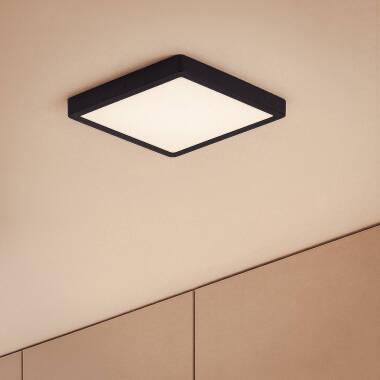
Advanced
22,49 €
 (4)
Ref 95572
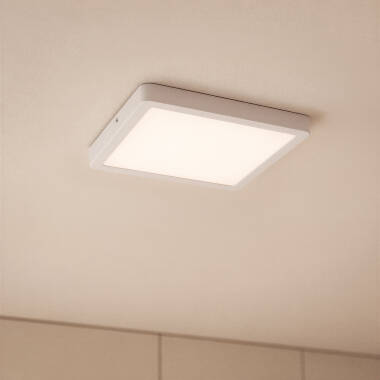
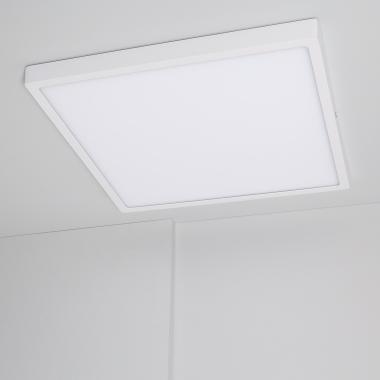
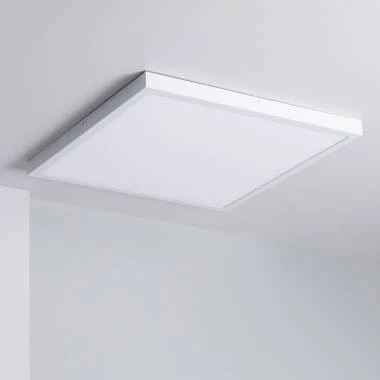
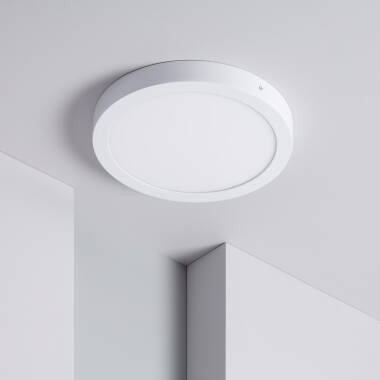
AluminiumAdjustableBlackFriday24W Galan Aluminium Selectable CCT SwitchDimm Slim Square LED Surface Lamp 280x280 mm
Black
In Stock, delivery in 15-20 days
 Last units on promotion
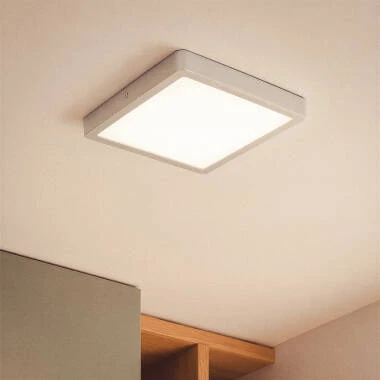
Advanced
22,49 €
(4)Ref 95572
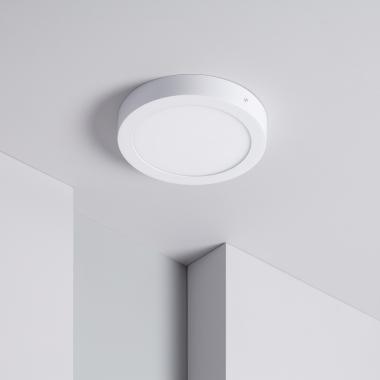
AluminiumAdjustableBlackFriday24W Galan Aluminium Selectable CCT SwitchDimm Slim Square LED Surface Lamp 280x280 mm
Silver
In Stock, delivery in 15-20 days
Last units on promotion














You may also be interested in
About Indoor Ceiling Lamps
Indoor ceiling lamps are one of the main elements of home lighting, as they distribute light from an elevated position without taking up usable space. Among ceiling lamps, there are solutions for different ceiling heights, room sizes and decorative styles. Choosing the right model means considering not only the design but also the lumens, colour temperature and light distribution, to achieve comfortable, functional lighting for everyday activities.
How to Choose an Indoor Ceiling Lamp
The choice should start with the size of the room and the activities carried out there. A suitable lamp should not only provide enough light but also distribute it without causing glare or distracting shadows.
Lumens and Room Size
Lumens indicate the luminous flux emitted by the lamp, while lux measures the illuminance received by a surface.
In living rooms and bedrooms, general lighting levels of 100 to 300 lux may be appropriate, while kitchens and work areas usually need between 300 and 500 lux.
For example, a 15 m² room with a target of 200 lux requires approximately 3,000 useful lumens. The luminous flux emitted by the fitting will need to be higher if there are losses caused by shades, direction or light distribution.
When a room has several functional areas, it may be better to distribute the lighting across different points rather than concentrate it in one very powerful lamp.
Colour Temperature and Visual Comfort
Colour temperature determines whether light is perceived as warm, neutral or cool.
For relaxation areas, colour temperatures between 2700 K and 3000 K provide warm, welcoming lighting. In kitchens, bathrooms and home offices, 4000 K provides neutral white light suited to activities requiring greater visual attention.
It is also worth considering the colour rendering index, expressed as CRI or Ra. An Ra value of at least 80 is suitable for general domestic lighting, while Ra 90 or above allows the colours of fabrics, furniture and other materials to be distinguished more accurately.
Ceiling Height and Dimensions
The available ceiling height affects the type and size of lamp you can choose.
In rooms with low ceilings, flush ceiling lamps and compact fittings keep the space clear. Pendant lamps, on the other hand, make use of higher ceilings and create focal points above tables or specific areas.
In regular passageways, it is advisable to maintain approximately 2.10 metres of clearance beneath suspended lamps. You should also check that their diameter is proportionate to the room size and furniture.
Ceiling Lamps for Different Rooms
Every room has different lighting requirements, depending on both its dimensions and the activities carried out there. The arrangement of light sources should therefore be planned around how the space is normally used.
Living and Dining Rooms
Dining room and living room ceiling lamps combine ambient lighting with decorative appeal. In the dining room, pendant lamps concentrate light over the table, while a fitting with a broad light distribution may be more suitable in the living room.
General lighting levels of between 150 and 300 lux are commonly considered for these rooms. Reading or working areas may need additional lighting, avoiding the need to overilluminate the entire room.
In spacious living rooms, combining the ceiling lamp with supplementary lighting helps reduce contrasts and adapt the atmosphere to different activities.
Bedrooms
Bedroom ceiling lamps should provide comfortable lighting for getting dressed, tidying the room and moving around safely.
Warm white light between 2700 K and 3000 K is generally suitable for creating a relaxing atmosphere. In rooms of 10 to 15 m², fittings providing approximately 1,500 to 3,000 lumens can be used, adjusting the amount according to surfaces, shades and supplementary light sources.
Flush ceiling lamps and low-profile models are particularly practical when there are tall wardrobes or low ceilings.
Kitchens, Bathrooms and Passageways
In kitchens, ceiling lighting should provide good overall visibility, but it should also be complemented by light directed towards worktops. Levels of between 300 and 500 lux can be considered for these surfaces.
In bathrooms, protection against moisture and splashes must be considered alongside the amount of light. The choice of IP rating and installation conditions must be appropriate for the location in relation to showers and baths.
In hallways and entrance halls, general lighting of 100 to 150 lux is usually sufficient for movement around the home. Compact models preserve headroom and distribute light along the route.
Differences Between Indoor and Outdoor Ceiling Lamps
Although indoor and outdoor fittings may share similar designs, there are significant differences in their protection and resistance to environmental conditions.
Lamps designed for dry indoor spaces generally focus on design, efficiency and visual comfort. By contrast, outdoor ceiling lamps incorporate protection ratings and materials suitable for withstanding moisture, dust and changing environmental conditions.
On terraces, porches and outdoor entrances, IP44 fittings are commonly used in locations protected from splashes, while IP65 is used where exposure to water and dust is greater.
An indoor lamp should not be installed outdoors simply because the location is covered. You must check that the manufacturer permits its use under those conditions.
Frequently Asked Questions About Indoor Ceiling Lamps
Choosing a ceiling lamp often raises questions about its lighting capacity, size, efficiency and compatibility with other systems.
How Many Lumens Does a Ceiling Lamp Need for a Room?
For a 12 m² room with a target of 150 lux, approximately 1,800 useful lumens are needed. The emitted light output must be higher if the shade absorbs some of the light or its distribution prevents it from being fully utilised.
Which Ceiling Lamp Is Best for Low Ceilings?
Flush ceiling lamps and compact surface-mounted lamps are particularly suitable for ceiling heights of 2.40 to 2.60 metres. Their low profile keeps passageways clear and distributes light without hanging elements.
Is an Integrated LED Lamp or One with Replaceable Bulbs Better?
Integrated LED fittings allow compact designs and optimised light distribution. Models with replaceable bulbs make it easier to change the wattage or colour temperature and to replace only the light source when needed.
What Type of Light Is Best for the Inside of a Home?
Warm white light from 2700 K to 3000 K is generally suitable for bedrooms, living rooms and dining rooms. Neutral white light at 4000 K is practical in kitchens, bathrooms and workspaces. Keeping similar colour temperatures in connected rooms helps create visual continuity.
Can a Ceiling Lamp Be Installed in Any Room?
Most domestic ceiling lamps can be installed in dry indoor rooms, provided the mounting support and electrical installation are suitable. In bathrooms, utility rooms and areas exposed to moisture, the IP rating and installation requirements for each location must be checked.