
Outdoor Ceiling Lamps
Outdoor ceiling lamps provide functional and decorative lighting for terraces, porches and entrances, with designs resistant to moisture and outdoor conditions.
Our featured products from Outdoor Ceiling Lamps
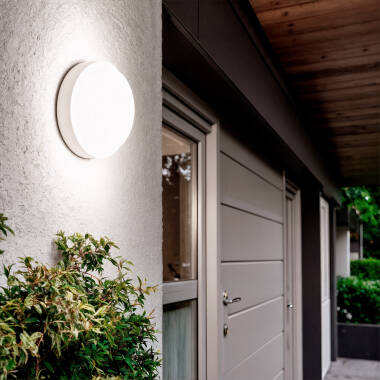
Essential
8,89 €
 (10)
Ref 77345
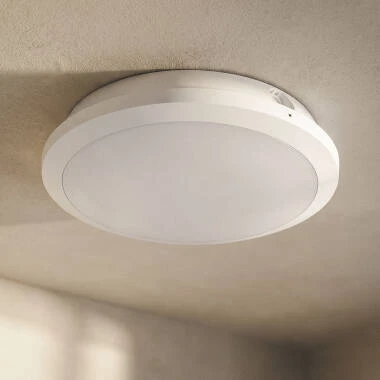
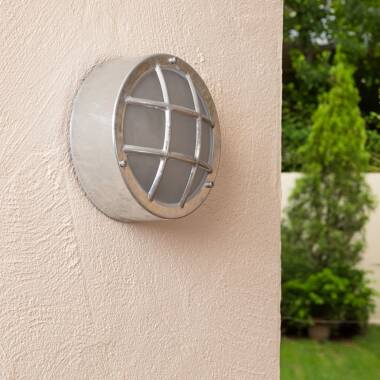
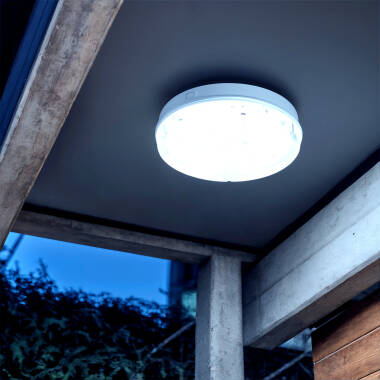
White Round 25W Hublot Outdoor LED Surface Panel IP65 Ø175 mm
Cool White 4000K
In Stock, delivery in 15-20 days

Essential
8,89 €
(3)Ref 77335
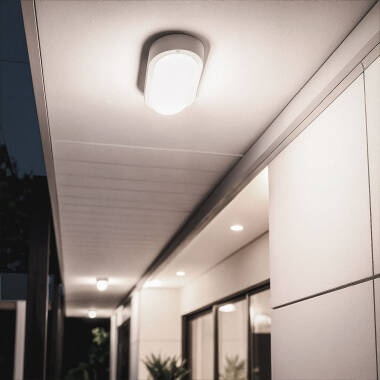
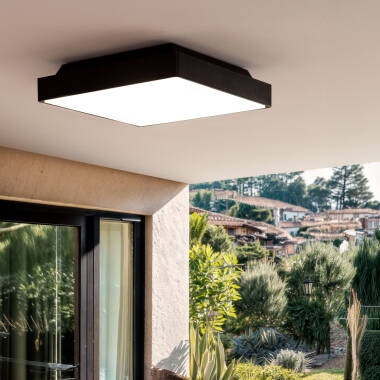
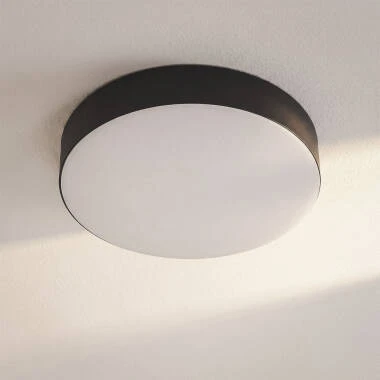
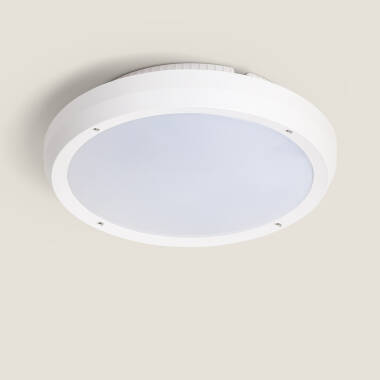
Black 25W Oval Hublot Outdoor LED Surface Panel IP65 98x198 mm
Cool White 4000K
In Stock, delivery in 15-20 days

Essential
8,89 €
 (14)
Ref 77330
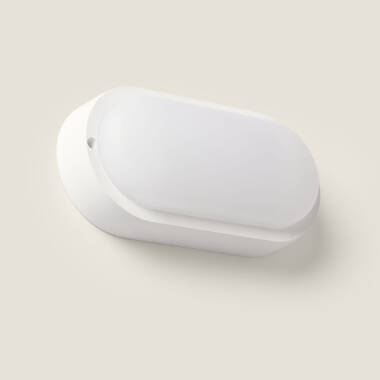
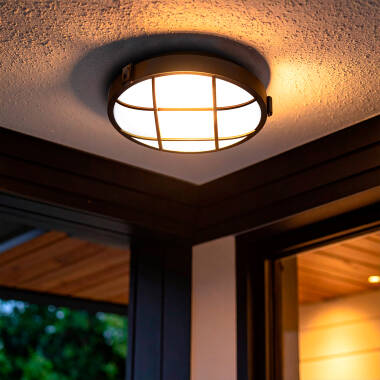
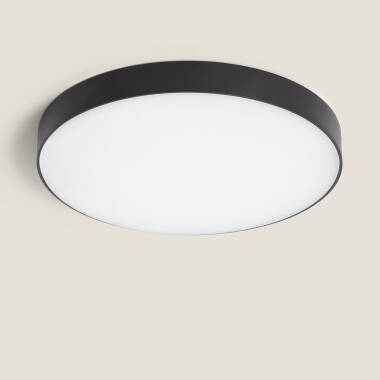
White 25W Oval Hublot Outdoor LED Surface Panel IP65 94x196 mm
Cool White 4000K
In Stock, delivery in 15-20 days

Essential
7,41 €
(7)Ref 77328
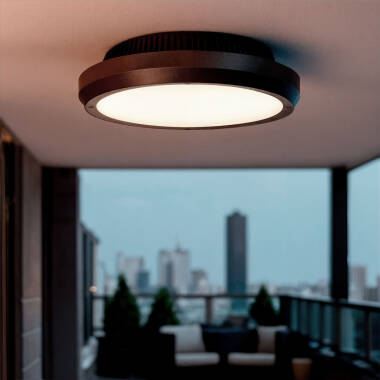
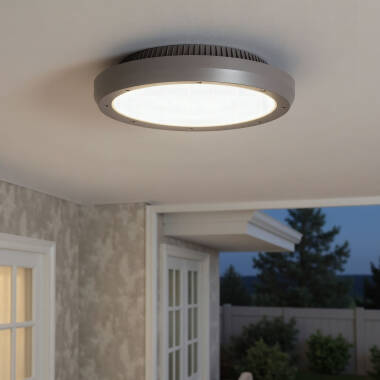
Black 15W Oval Hublot Outdoor LED Surface Panel IP65 85x173 mm
Daylight 6500K
In Stock, delivery in 15-20 days















You may also be interested in
About Outdoor Ceiling Lamps
Outdoor ceiling lamps illuminate open or partially covered spaces, combining visibility, safety and comfort. Among ceiling lamps, they stand out for their materials and protection ratings designed to withstand moisture, dust and temperature changes. When choosing a model, consider its exposure to water, the type of installation and the amount of light needed for each space.
Features of Outdoor Ceiling lamps
Outdoor light fittings must operate reliably in environmental conditions that are more demanding than those normally found inside a home. Although many share designs with indoor ceiling lamps, there are important differences in their construction and protection.
- Protection against water and dust: On porches or covered terraces where the light is sheltered from direct rain, IP44 models may be used. In locations exposed to rain, dust or cleaning with water, an IP65 rating is recommended.
- Materials and environmental resistance: Materials determine outdoor durability, with corrosion-resistant aluminium, stainless steel and engineered materials commonly used. In coastal areas, salt accelerates corrosion of screws and joints, so the housing and fixings must be suitable for these environments. UV resistance is also essential to prevent plastics and finishes from deteriorating after prolonged exposure to sunlight.
How to Choose Outdoor Ceiling lamps
Properly designed outdoor lighting should provide sufficient visibility without causing glare or unnecessary energy consumption. To achieve this, consider the size of the area, the light distribution and the characteristics of the light source.
Wattage, Lumens and Light Levels
Lumens indicate the amount of light emitted by a fitting, while lux measures the amount of light falling on a surface.
On residential terraces, approximate levels of 50 to 150 lux may be suitable for ambient lighting and movement. In entrances or areas requiring greater visibility, levels of 100 to 200 lux can be considered.
For example, a covered terrace measuring 12 m² with a target of 100 lux requires approximately 1,200 useful lumens. The installed luminous flux will need to be higher to compensate for losses caused by light distribution and the characteristics of the space.
Colour Temperature and Visual Comfort
Colour temperature influences the atmosphere created by outdoor lighting. Warm white light from 2700 K to 3000 K is suitable for terraces, porches and relaxation areas where a welcoming atmosphere is desired. Neutral white light at 4000 K may be more functional for entrances, garages and utility areas.
Efficiency and LED Technology
Outdoor ceiling lamps with LED technology reduce energy consumption compared with traditional light sources, particularly in installations that remain switched on for several hours every night.
Applications of Outdoor Ceiling lamps
Lighting requirements vary depending on the outdoor space and the activities carried out there. Mounting height, exposure to environmental conditions and light distribution are determining factors.
- Terraces and porches: On covered terraces, ceiling lamps create comfortable general lighting for meals, gatherings and moments of relaxation.
- Entrances and access points: At residential entrances, building doorways and commercial access points, lighting should make doors, steps and potential obstacles clearly visible.
- Garages and covered passageways: In private garages and covered circulation areas, even lighting is important to make movement easier.
- Bathrooms: As these spaces are exposed to moisture, outdoor ceiling lamps are an interesting alternative to bathroom ceiling lamps.
Frequently Asked Questions About Outdoor Ceiling lamps
Before installing an outdoor ceiling light, check its environmental protection rating, mounting conditions and compatibility with the electrical installation.
What IP Rating Does an Outdoor Ceiling Light Need?
In porches sheltered from direct rain, IP44 may be sufficient. In areas exposed to rain or dust, IP65 is a more suitable choice. The required rating should be determined according to the actual exposure conditions and the manufacturer's instructions.
Can an Indoor Light Be Installed on a Covered Terrace?
It is not advisable to use a fitting designed exclusively for dry indoor spaces if it may be exposed to moisture or condensation. Even when covered, a terrace can have different environmental conditions from those inside a home.
What Is the Best Colour Temperature for a Terrace?
For residential terraces and porches, warm white light between 2700 K and 3000 K is usually chosen, especially in areas used for dining or relaxation. At entrances and in functional areas, 4000 K provides more neutral lighting.
How Many Lumens Are Needed to Light a Porch?
A 10 m² porch with a target of 100 lux requires approximately 1,000 useful lumens. The total luminous flux of the fittings should be calculated taking into account their light distribution, mounting height and the reflective properties of the surroundings.
Do Outdoor Ceiling lamps Need Maintenance?
Yes. Although LED technology reduces how often light sources need replacing, it is advisable to clean the diffusers periodically and check the condition of seals, fixings and connections. In coastal or very humid environments, these inspections are particularly important for identifying possible signs of corrosion.