
Living room wall lights
Living room wall lights provide ambient, decorative and functional light, helping to create a more welcoming, balanced and flexible space for every moment.
Our featured products from Living room wall lights
- -12%
Before 42,99 €
37,99 €
Premium
66,99 €







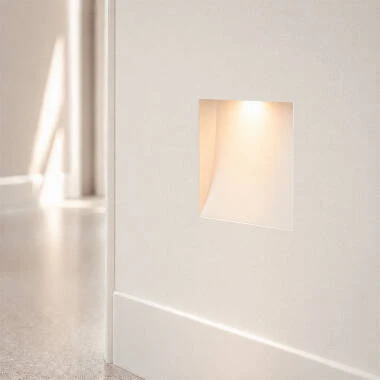
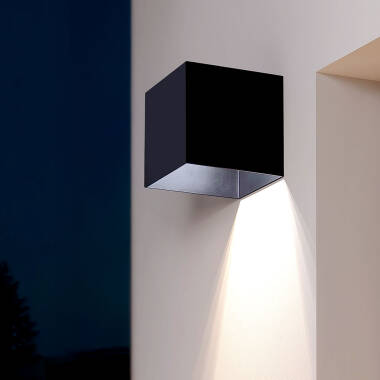
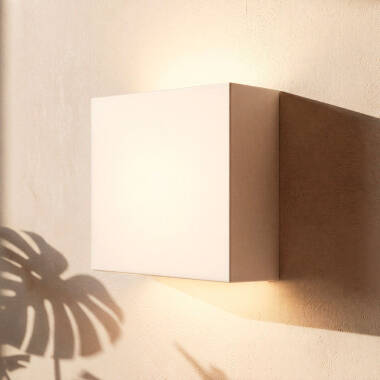
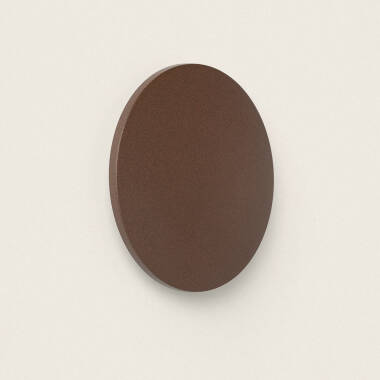
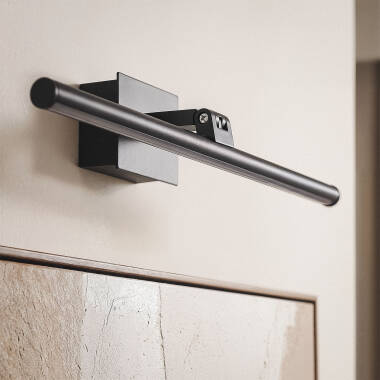
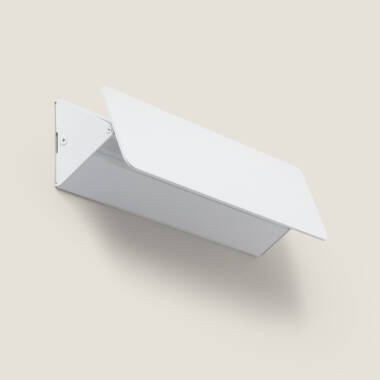
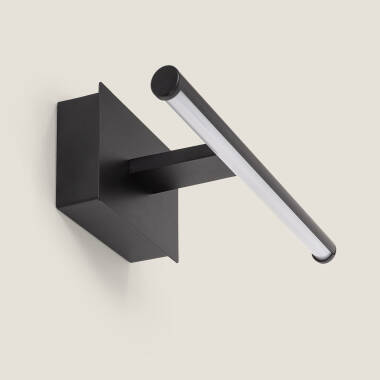
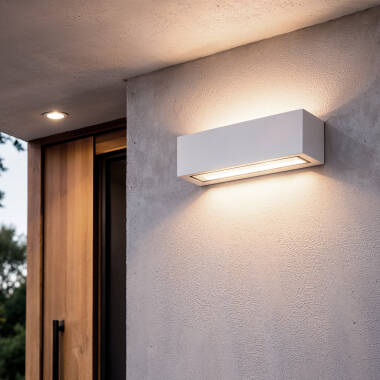
About Living room wall lights
In the living room, lighting plays a decisive role in the feeling of comfort. It is a room where people relax, talk, watch television, read, receive guests and, in many cases, share space with a dining room or open kitchen. For this reason, relying only on a central light often gives a flat or overly intense result. Living room wall lights make it possible to add wall-mounted light points that accompany the real use of the space and help create more pleasant atmospheres.
Wall lights stand out for their ability to decorate, add depth and improve layered lighting. It is not just about adding more light, but about placing it where it adds value: next to the sofa, on a feature wall, near a bookcase, on both sides of a piece of furniture or in a reading area.
What wall lights add to living room lighting
Wall lights in the living room make it possible to create more flexible lighting than a single ceiling lamp. They provide side light, soften contrasts and help build a more enveloping atmosphere. This is especially noticeable in the late afternoon and evening, when overly powerful general lighting can feel uncomfortable.
They also help organise the space visually. Placed symmetrically next to a sofa, fireplace, sideboard or shelving unit, they bring balance to the composition. On wide walls, they can prevent the space from looking empty and give the room a stronger decorative intention.
In addition, these indoor wall lights make it possible to highlight specific materials, textures and elements. A stone wall, a wooden covering, an area painted in another colour or a composition of pictures can gain presence with well-placed side light.
Creating ambience without relying on the central light
One of the main advantages of wall lights in the living room is that they allow the room to be used without always switching on the main light. This is especially useful when watching television, having a conversation or creating more relaxed lighting at the end of the day.
Warm light between 2700K and 3000K is usually the most suitable for this use. It provides a welcoming feeling and avoids the cold appearance that higher temperatures can create in rest areas. If the wall light is dimmable, the room gains even more flexibility, as the intensity can be adapted to each moment.
In large living rooms, several distributed wall lights make it possible to create different scenes. It is not necessary to illuminate the whole space with the same intensity: the sofa area can be reinforced, a decorative wall can be left on, or only soft light near the dining area can be maintained.
Adding depth to walls and furniture
Wall lights also help prevent the living room from being perceived as a flat room. Side light creates volume, marks the texture of the walls and adds depth to the whole. This effect is especially interesting in living rooms with long walls, high ceilings or areas where ceiling lighting leaves unattractive shadows.
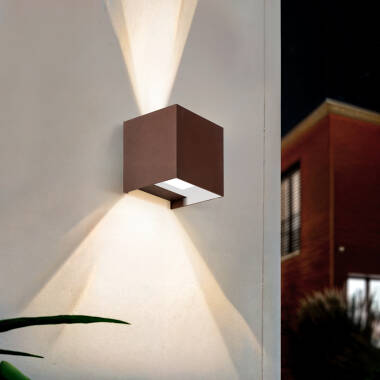
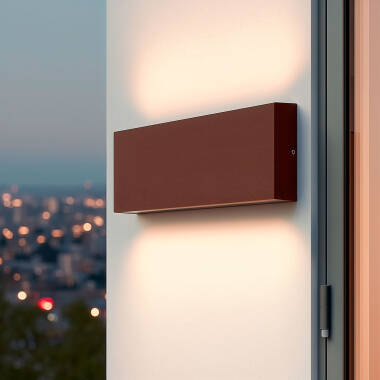
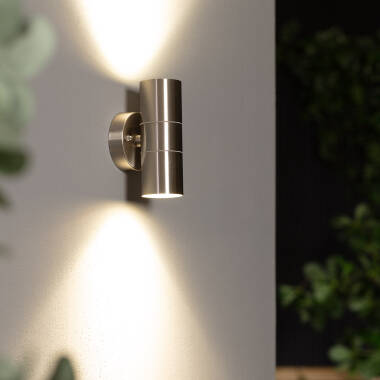
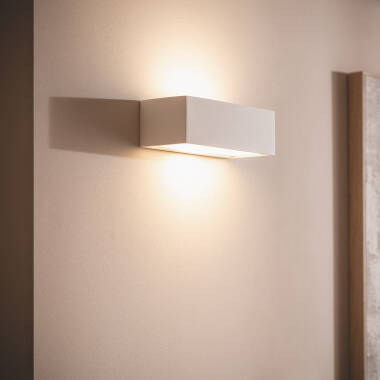
Indirect light or dual-emission models project light upwards and downwards, creating a decorative effect on the wall. On smooth walls, this type of lighting adds visual rhythm. On walls with texture, stone, brick or coverings, it helps highlight relief.
They can also accompany low furniture, sideboards or bookcases. In these cases, the wall light not only illuminates, but frames a specific area and turns it into a point of interest within the living room.
Where to place wall lights in the living room
General planning is key for a wall light to add real value to the living room. It is worth analysing how the space is used, where the sofa, main furniture and television are located, as well as the usual circulation routes within the room. From there, it is easier to decide their location, which is usually concentrated on the sides of the sofa, the main wall, reading areas, feature walls, bookcases, sideboards or transition areas towards the dining room or kitchen.
- Next to the sofa: it brings balance and pleasant light for everyday use, being especially useful when there is no room for floor lamps. To create ambience, models with a shade or indirect light work well, while for reading it is preferable to choose adjustable wall lights or models with an arm. The recommended height is usually between 150 and 180 cm, adjusting it according to the size and height of the sofa.
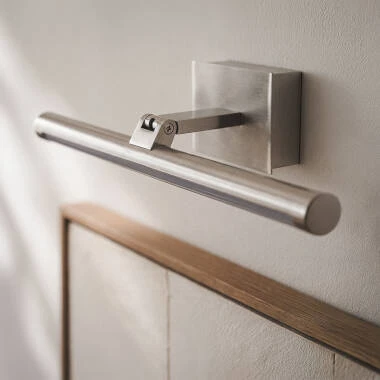
- On feature walls: they reinforce highlighted walls, whether because of colour, covering or the presence of pictures, and work especially well with indirect light or dual-emission models. They can be integrated discreetly or become decorative protagonists and, in the case of paintings, photographs or prints, picture lights allow more precise lighting.
- Near bookcases and low furniture: they make it possible to illuminate and highlight decorative objects, always taking care of the proportion of the wall light in relation to the furniture to maintain visual balance. Symmetry helps bring order, and it is advisable to use soft or indirect light to avoid harsh shadows.
How to choose living room wall lights
Choosing a wall light for the living room means finding a balance between design, visual comfort and functionality. It should adapt to the size of the space, the decorative style and the intended use, whether to create ambience, illuminate a wall or serve as a reading light.
As for colour temperature, the most recommended option is warm light (2700K–3000K), as it helps create a welcoming atmosphere. 4000K light can be reserved for more functional areas, avoiding its use as main ambient lighting. In open spaces, it is also important to coordinate it with the kitchen or dining room lighting to maintain a harmonious transition.
Regarding intensity, between 300 and 700 lumens per wall light is usually enough for ambient lighting, while for reading it is preferable to have between 700 and 1000 lumens. In general, it is better to combine several moderate light points than depend on a single very intense one. If the wall light is dimmable, versatility increases and the lighting can be adapted to each moment.
Light direction also plays an important role. Indirect light helps create ambience and avoids glare, dual emission adds a decorative effect on the wall, and adjustable models are especially useful for reading. In any case, it is advisable to avoid reflections on the television and light points that are too bright within the field of vision.
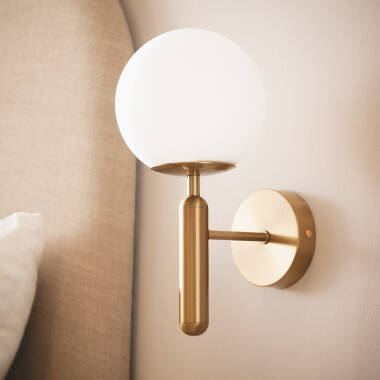
Finally, materials and finishes should integrate with the rest of the living room. Metal adds contrast, wood or natural fibres create visual warmth, and opal glass softens the lighting. In small spaces, it is preferable to choose discreet designs, while in large living rooms, pieces with greater presence can be selected, always coordinating the finishes with other elements to achieve a coherent aesthetic.
Wall lights for open living rooms and connected spaces
It is increasingly common for the living room to share space with the dining room, kitchen or work area. In these cases, lighting should help differentiate atmospheres without breaking visual continuity.
Wall lights make it possible to create a dedicated layer of light for the seating area. This way, even if the kitchen or dining room has more functional lighting, the living room can maintain a warmer and more relaxed atmosphere.
Continuity with the dining room and kitchen
In open spaces, it is advisable to maintain a certain coherence in finishes and colour temperatures. Not all luminaires need to be the same, but they should share an aesthetic line. If the living room or dining room is open to the kitchen, it may be a good idea to maintain the style of the kitchen wall lights to reinforce visual continuity between areas.
Reading areas and auxiliary corners
In living rooms with an armchair, chaise longue or reading corner, a wall light can replace a floor lamp. This frees up space and allows the light to be directed more precisely.
For reading, it is advisable to choose adjustable models or models with an arm. A flux between 700 and 1000 lumens may be suitable if the light reaches the reading plane well. The colour temperature can remain warm, between 2700K and 3000K, so as not to disrupt the living room atmosphere.
This same logic can be transferred to rest or reading areas in the bedroom, where bedroom wall lights perform a similar function next to the headboard or an armchair.
Practical recommendations
Good installation avoids glare, uncomfortable shadows and disproportionate effects. Before placing a wall light in the living room, it is worth reviewing the height, wall size, sofa position, sockets, switches and relationship with other luminaires. It is also advisable to pay attention to the following points.
Spacing and symmetry
When two wall lights are placed on the same wall, symmetry usually brings visual order. It works well on both sides of a sofa, fireplace, picture, sideboard or wall composition.
On long walls, several wall lights can create rhythm and avoid dark areas. The spacing will depend on the luminous flux and the desired effect, but it is advisable to avoid placing them too close together if the aim is to wash the wall evenly.
Dimming and switches
Dimming is highly recommended in living rooms. It makes it possible to adapt the light to different moments: medium intensity for receiving guests, low light for watching television or higher light for reading or tidying.
Switches should be placed logically in relation to use. If the wall light is next to the sofa, it may be interesting for it to have its own switch or control accessible from the seating area. In open living rooms, separating circuits between kitchen, dining room and living room greatly improves daily comfort.
Frequently asked questions about living room wall lights
What colour temperature is best for the living room?
For living rooms, warm light between 2700K and 3000K is usually the most recommended. It helps create a welcoming atmosphere and combines well with wood, textiles and common decorative tones. 4000K light can be used in functional or reading areas, but as ambient lighting it may feel less comfortable.
How many lumens does a living room wall light need?
For ambient light, between 300 and 700 lumens per wall light is usually enough. For reading or functional support, between 700 and 1000 lumens may be recommended, as long as the beam is well directed. In large living rooms, it is usually better to combine several light points than depend on a single very powerful wall light.
Where should wall lights be placed in the living room?
The most common locations are the sides of the sofa, feature walls, reading areas, sideboards, bookcases or transition spaces towards the dining room and kitchen. The important thing is for the wall light to have a clear function: creating ambience, highlighting a wall, providing reading light or reinforcing a specific area.
Can they be used as the main light?
Yes, in small living rooms or with several well-distributed wall lights, they can provide sufficient lighting. However, it is more common to combine them with ceiling lamps, floor lamps or indirect lighting. This creates more balanced lighting that can adapt to different uses.
What type of wall light works best next to the sofa?
For ambience, models with a shade, opal diffuser, indirect light or dual emission work well. For reading, it is better to choose an adjustable wall light or a model with an arm. The choice depends on whether you want decorative light, functional light or a combination of both.