
Bedroom wall lights
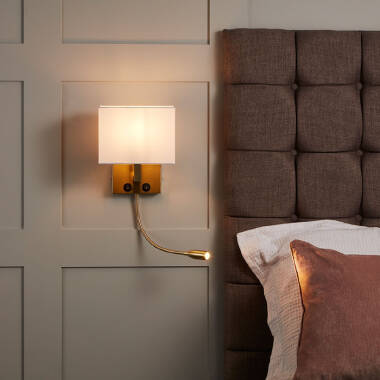
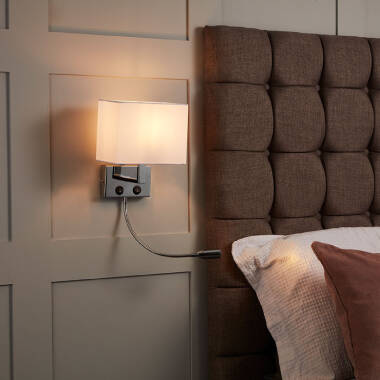
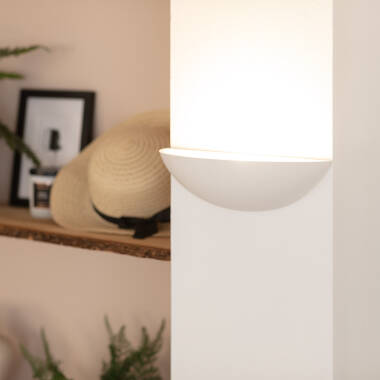
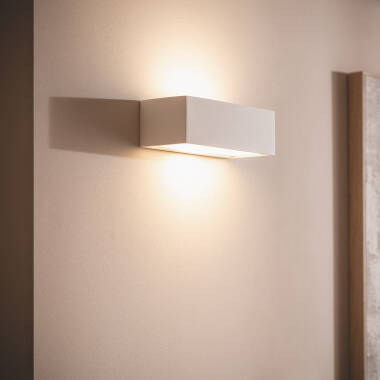
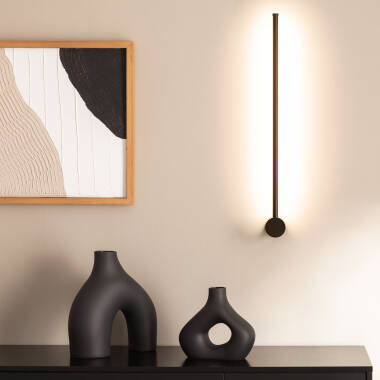
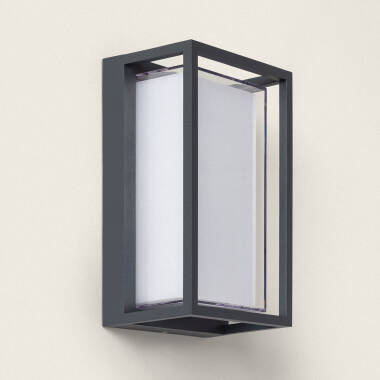
Bedroom wall lights provide comfortable and decorative light next to the bed, help free up space on bedside tables and create a more relaxed atmosphere.
Our featured products from Bedroom wall lights
- -12%
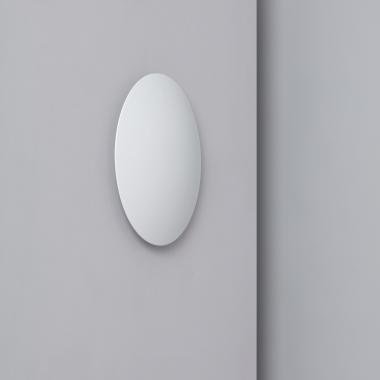
Before 42,99 €
37,99 €
- -62%
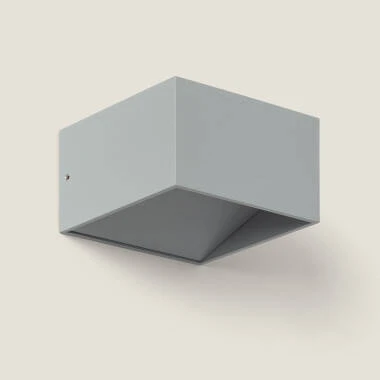
Before 23,89 €
9,19 €
Ref 6252
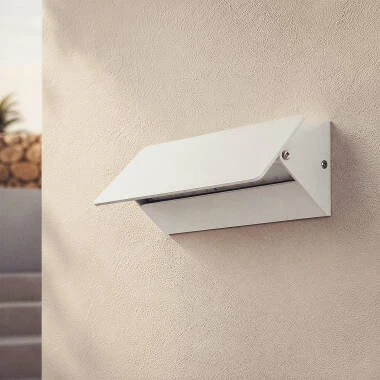
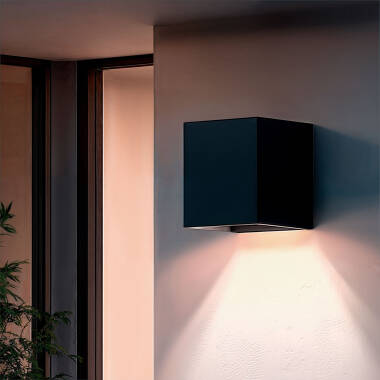
AluminiumLight Grey 6W Lico LED Up-Down Light
Warm White 3000K
In Stock, delivery in 15-20 days




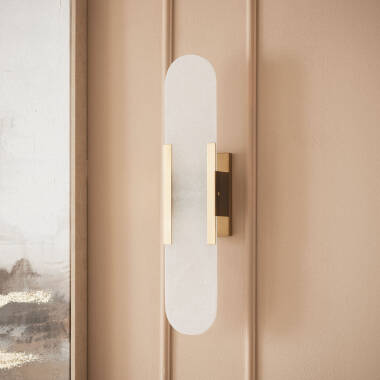

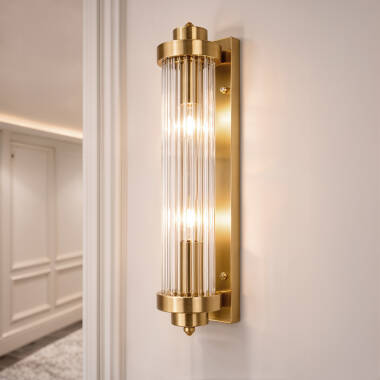


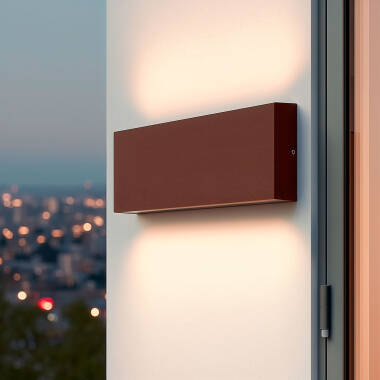
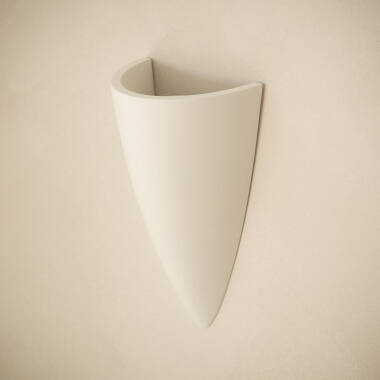
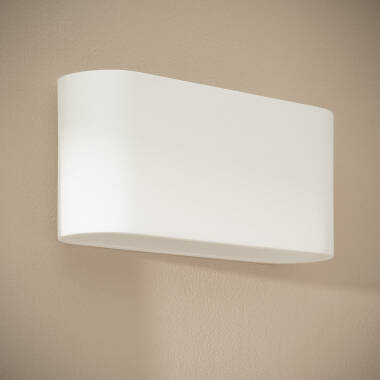
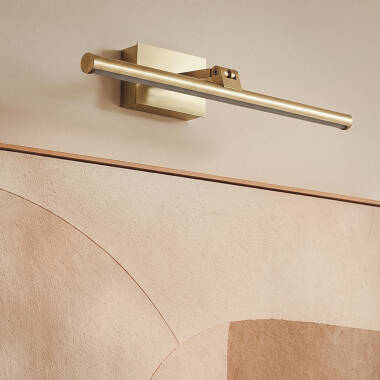
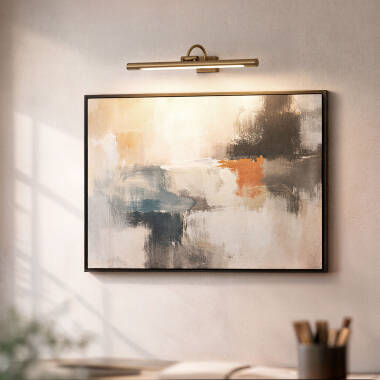
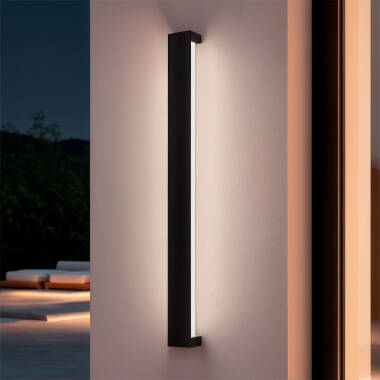
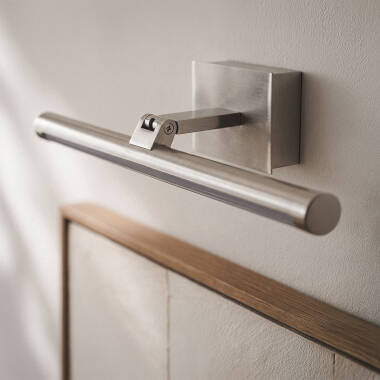
You may also be interested in
About Bedroom wall lights
In the bedroom, lighting should support rest, but also solve specific uses such as reading, getting dressed, moving around the room or creating soft light before going to sleep. For this reason, a ceiling lamp is not always enough. Wall lights make it possible to add light points that improve daily comfort and make the room feel more ordered, warm and functional.
What wall lights add to bedroom lighting
Wall lights in the bedroom make it possible to create more comfortable lighting than a single central point. Side light feels less aggressive, helps create ambience and allows the room to be used in a more relaxed way at night.
They also have a clear practical advantage: they free up space. As they are placed on the wall, these indoor wall lights can replace bedside table lamps and leave the table free for everyday objects. This is especially useful in small bedrooms or when a cleaner aesthetic is desired.
Where to place wall lights in the bedroom
The position of the wall light defines its usefulness. In a bedroom, a luminaire for reading is not placed in the same way as decorative or ambient light. Before choosing the model, it is worth reviewing the position of the bed, the height of the headboard and the switch points.
On both sides of the bed
The most common placement is to install a wall light on each side of the bed. This distribution allows each person to have their own light point and makes independent use easier.
It is advisable for each wall light to have its own control. It can also be useful to choose models with an integrated switch if there are no switches next to the headboard.
The height should adapt to the use position. For reading, the wall light should sit slightly above the shoulder when the person is sitting in bed.
In auxiliary areas
Wall lights can also be used in other areas of the bedroom, such as a chest of drawers, a dressing table or a reading corner. In these cases, they can provide both functional light and a decorative point.
On dressing tables, it is advisable to look for uniform light with good colour rendering. In more decorative areas, the effect of the light on the wall may be more important than the amount of light emitted.
How to choose bedroom wall lights
Choosing a wall light for the bedroom means assessing the balance between visual comfort, functionality and design. The light should be sufficient for the intended use, but without feeling harsh. It is also worth taking into account whether reading light, ambient light or a combination of both is desired.
For bedrooms, just as when choosing living room wall lights, warm light between 2700K and 3000K is usually the most recommended, as it helps create a calmer atmosphere and integrates well with the materials commonly used in this room. 4000K light can be used in more functional areas, but it is usually not the best option for the rest area.
Regarding intensity, for ambient light, between 300 and 700 lumens per wall light is usually enough. For reading, directing the light well is more important than increasing power. If the bedroom is large, it may be necessary to combine several light points to avoid dark areas, and dimmable models are especially recommended because they allow the intensity to be adapted to each moment.
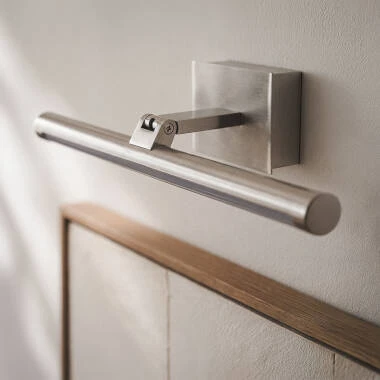
Light direction also influences comfort. For rest, soft diffusers or indirect light work well, while adjustable models are more suitable for reading. It is advisable to avoid light sources that are directly visible from the pillow in order to reduce glare.
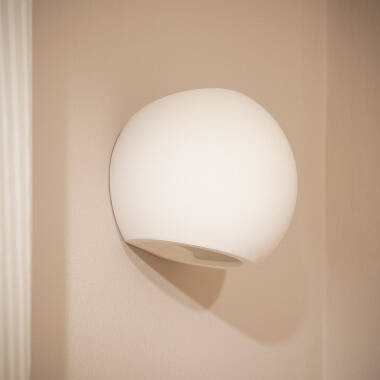
Finally, the bedroom works well with warm and soft materials. Textile shades, wood or opal glass help create more welcoming lighting. In small rooms, light designs help avoid overloading the wall, while in large bedrooms, pieces with more presence can be chosen.
Frequently asked questions about bedroom wall lights
The most common questions are related to height, the amount of light and the choice of wall light type.
What colour temperature is best for the bedroom?
Warm light between 2700K and 3000K is the most recommended, as it creates a more welcoming atmosphere.
How many lumens does a bedroom wall light need?
For ambience, between 300 and 700 lumens is usually enough. For reading, it depends more on orientation than power.
Where should wall lights be placed next to the bed?
They are usually installed on both sides of the headboard, at a comfortable height for use from the bed.
Are they better than bedside table lamps?
They are a practical alternative when you want to free up space and achieve a cleaner aesthetic.
What type of wall light should be chosen for reading?
For reading, it is advisable to choose an adjustable model that allows the light to be directed without glare.