
Picture lights
Picture lights make it possible to illuminate artworks, prints and decorative elements with directed light, taking care of visibility, colour and aesthetic integration.
Our featured products from Picture lights
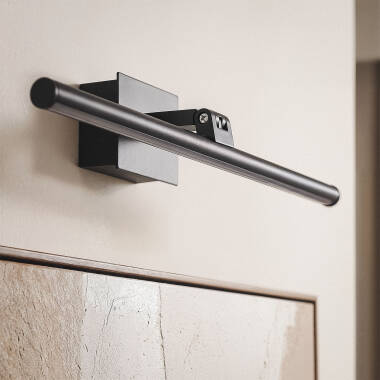
21,69 €
Ref 178401
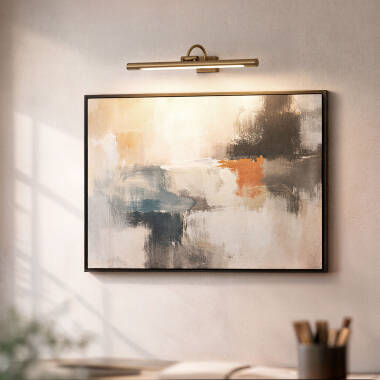
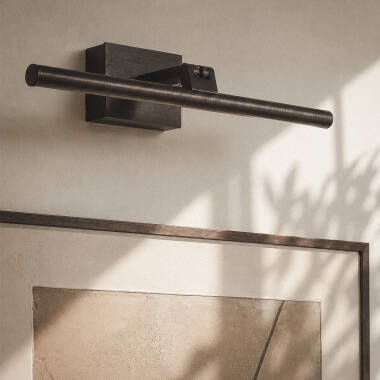
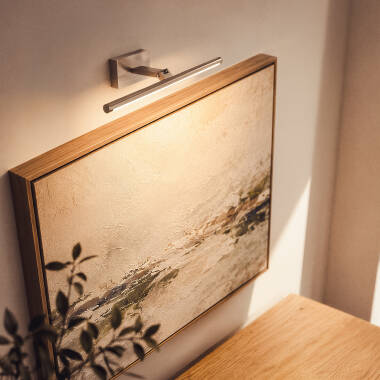
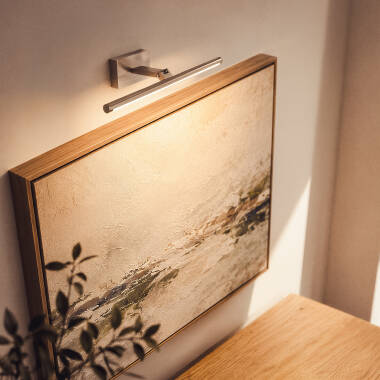
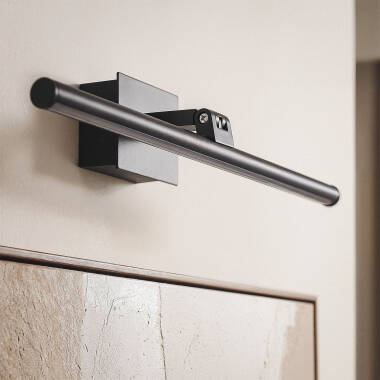
NewSlimlight LED Light for Paintings
No - Matt Black - Warm White 2700K - 400 mm
In Stock, delivery in 15-20 days
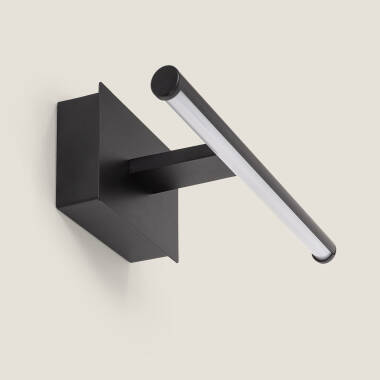
19,49 €
Ref 178401
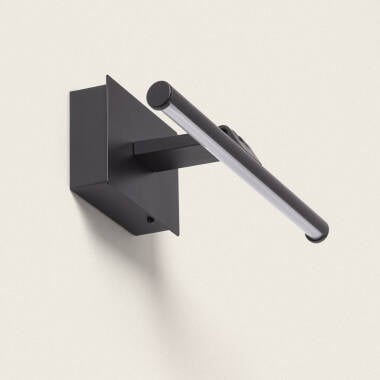
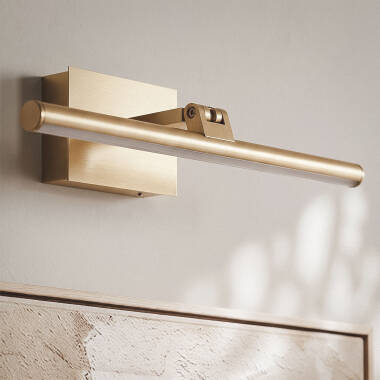
NewSlimlight LED Light for Paintings
No - Matt Black - Warm White 2700K - 279 mm
In Stock, delivery in 15-20 days
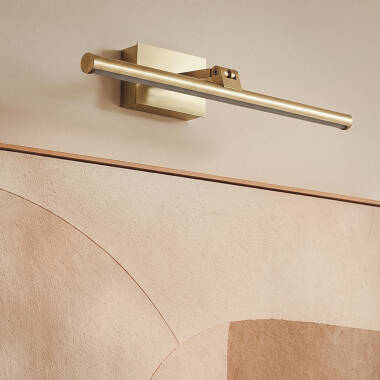
26,99 €
Ref 178401
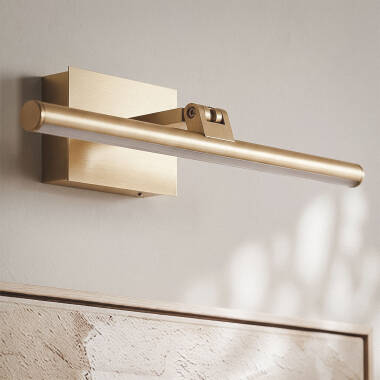
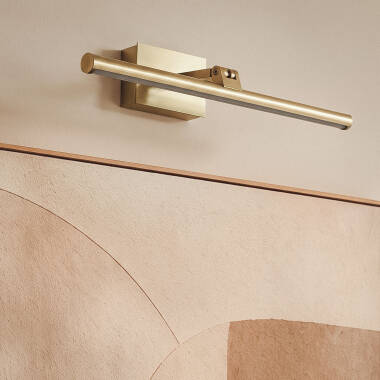
NewSlimlight LED Light for Paintings
Yes - Gold - Warm White 2700K - 400 mm
In Stock, delivery in 15-20 days
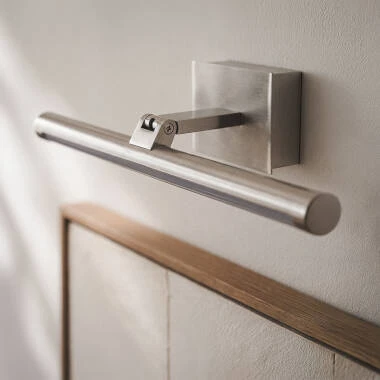
26,99 €
Ref 178401
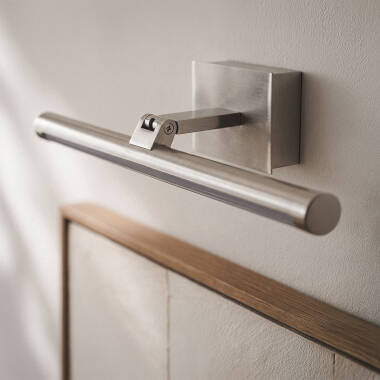
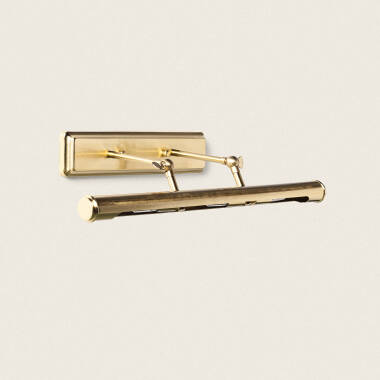
NewSlimlight LED Light for Paintings
Yes - Nickel - Warm White 2700K - 400 mm
In Stock, delivery in 15-20 days





You may also be interested in
About Picture lights
Picture lights are luminaires designed to highlight paintings, photographs, illustrations, decorative mirrors or wall pieces. Unlike other wall lights, their main function is not to illuminate an entire room, but to direct light towards a specific element in order to enhance its presence without creating annoying reflections or excessive shadows.
They are a common solution in homes, domestic galleries, hotels, restaurants, decorative corridors and living rooms where the wall plays a leading role. They also work well when a more carefully planned lighting effect is desired without resorting to ceiling spotlights or adjustable track lighting.
What are picture lights
Picture lights are wall-mounted luminaires designed to project light onto a vertical surface, usually an artwork or decorative element. They often have a horizontal, elongated format, with one or several light points directed downwards or slightly towards the wall.
Their design aims to provide controlled illumination. The goal is not to add a large amount of light to the space, but to bathe the picture with a sufficient level of light so that its colours, textures and details can be perceived more clearly. For this reason, in addition to the exterior design, it is advisable to assess beam direction, luminaire width, colour temperature and colour rendering index.
Within indoor wall lights, this type of luminaire has a very specific function: highlighting wall decoration. It can be used in living rooms, bedrooms, entrance halls, corridors, indoor staircases or display areas, provided that the location allows balanced lighting over the piece.
A light designed to highlight, not to illuminate the whole room
A picture light does not replace general lighting. Its role is more precise: to create a visual focus on an artwork or decorative element. This helps guide the eye and give the wall more depth.
In a living room, for example, it can be used above a large print placed over the sofa. In a corridor, it can help highlight a series of photographs. In an entrance hall, it can reinforce a mirror, a small artwork or a decorative composition.
The key is for the light to be sufficient to highlight the element, but not so intense that it creates excessive contrast with the rest of the room. If the surroundings are too dark, the picture may appear isolated; if the light is too powerful, it can create glare or feel uncomfortable.
Difference compared with other decorative wall lights
Conventional decorative wall lights usually illuminate the ambience or create effects on the wall. Picture lights, on the other hand, are designed to project light towards a specific surface.
They also differ from adjustable spotlights. A spotlight can illuminate a picture from the ceiling, but it needs precise orientation and can create shadows if the angle is not correct. A picture light is installed close to the artwork, usually above it, and provides lighting that is more integrated into the composition.
This proximity allows for a more classic and orderly visual effect, especially in living rooms, corridors or spaces where the luminaire is intended to form part of the decorative whole.
How to choose picture lights
When choosing a picture light, several points should be taken into account:
- Width and size: The luminaire should measure between one third and half the width of the artwork to ensure uniform coverage without side shadows.
- Colour temperature: Warm or neutral tones (2700K-3000K) are recommended for domestic settings, or 4000K for a cleaner, more technical precision.
- Colour rendering index (CRI): A CRI >90 is advisable to faithfully highlight the pigments, nuances and textures of artistic pieces.
- Light angle and reflections: The projection should be angled and uniform to avoid annoying glare, especially on works with glass or satin finishes.
Where to place picture lights
The location of the luminaire influences the result as much as its technical characteristics. Height, distance from the artwork and the relationship with furniture or circulation areas determine whether the lighting feels comfortable and balanced.
Before installation, it is advisable to check the final position of the picture, viewing height and the existence of electrical outlets or the possibility of wiring. In permanent installations, it is ideal to plan the light point before hanging the artwork.
Above pictures in living rooms
Combined with living room wall lights, they can be used to create ambience, highlight decorative walls or illuminate artworks above sofas, sideboards and fireplaces. When the luminaire is placed above a picture in the living room, it should integrate with the rest of the lighting so as not to create an overly isolated point.
If the picture is above the sofa, it is worth checking that the luminaire does not cause glare when sitting down. It is also important that it is not too low and does not visually interfere with the wall composition.
In living rooms with warm light, it is advisable to maintain a temperature of 2700K or 3000K so that the picture does not appear to be illuminated with a different light from the rest of the ambience.
In corridors and domestic galleries
If there are photographs, prints or series of pictures in circulation areas, they can be a good alternative to hallway wall lights. In these spaces, the luminaire helps turn a narrow wall into a more carefully designed visual route.
In corridors, it is important to choose shallow luminaires to avoid knocks or a feeling of narrowness. Glare should also be controlled, as the user passes close to the light source.
If there are several pictures, it is possible to choose one luminaire above each piece or a more continuous solution. In any case, the distribution should maintain rhythm and avoid overly strong contrasts between illuminated and dark areas.
Other rooms in the home
In entrance halls, these lights highlight small artworks or mirrors with a soft welcoming light. In bedrooms, they can be used above chests of drawers or in reading areas to maintain an atmosphere that invites rest. Likewise, in exhibition spaces or contract projects, they help visually prioritise specific pieces when combined with other systems.
Types of picture lights
Picture lights can vary in technology, design, finish and installation method. The choice will depend on the style of the artwork, the space and the type of light you want to achieve.
Although many designs have a classic aesthetic, there are also modern and minimalist models with integrated LED, fine lines and discreet finishes.
LED picture lights
LED models are the most common because of their efficiency, low heat emission and variety of formats. As they generate less heat than older technologies, they are more suitable for illuminating artworks for extended periods.
They can incorporate integrated LED or use replaceable LED bulbs. Integrated models are usually slimmer and allow for more uniform distribution, while models with replaceable bulbs offer greater flexibility in colour temperature and replacement.
In both cases, it is important to choose a light source with good colour rendering and avoid excessive power.
Classic and decorative picture lights
Classic picture lights often feature finishes in brass, bronze, black or nickel, with elongated shapes and arms slightly separated from the wall. They work well with framed pictures, traditional living rooms, decorative corridors or entrance halls.
More decorative designs can have their own presence, so it is advisable to balance their style with the frame and the rest of the elements in the room. If the picture is very prominent, a discreet luminaire may be preferable. If the wall is more classic, a light with a decorative finish can reinforce the overall composition.
Modern and minimalist picture lights
Modern picture lights focus on fine lines, sober finishes and integrated LED. They are suitable for contemporary prints, photographs, smooth walls and spaces where a cleaner aesthetic is desired.
These models usually integrate better into contemporary interiors because they occupy less visual volume. They can also offer more uniform light thanks to linear diffusers.
Installation and maintenance
The installation of a picture light should be coordinated with the exact position of the artwork. If the electrical point is poorly located, it may be difficult to correct the orientation or visual proportion afterwards.
Maintenance should also be taken into account. Although these are usually low-consumption luminaires, dust on the diffuser or shade can reduce light quality over time.
Height and distance from the picture
The usual approach is to place the luminaire centred above the artwork, slightly separated from the wall and directed towards the surface. The exact distance will depend on the luminaire design, frame thickness and picture height.
The luminaire should not be so close that it only illuminates the upper part, nor so far away that it loses intensity or causes glare. On medium-sized pictures, a proportionate placement above the frame usually offers a good result.
Before fixing it permanently, it is advisable to check the effect with the artwork in place and observe it from the usual viewing distance.
Cleaning and light care
To maintain correct lighting, it is advisable to clean the diffuser, arm and luminous surface with some frequency. Dust can reduce the light emitted and alter the perception of the picture.
In integrated LED models, it is usually not necessary to change bulbs, but it is worth checking service life and driver quality. In models with bulbs, it is recommended to use LED sources with low heat emission and good colour rendering.
Frequently asked questions about picture lights
What size should a picture light be?
As a reference, the luminaire can measure between one third and half the width of the picture. For small artworks, it is best to avoid overly large luminaires; for wider pieces, a longer model or several light points may be necessary. Visual proportion is important. The luminaire should accompany the artwork, not compete with it or look insufficient.
What colour temperature is best for lighting pictures?
In homes, 2700K or 3000K are usually the most balanced options. They provide warm and pleasant light, suitable for living rooms, bedrooms, corridors and entrance halls. For a more neutral reproduction, 4000K can be used, although it is advisable to maintain consistency with the rest of the room’s lighting.
What CRI is recommended?
For pictures and photographs, CRI >90 is recommended when faithful colour reproduction is desired. CRI >80 may be sufficient for general decoration, but it reproduces some nuances less accurately. A high CRI is especially important for works with vivid colours, portraits, photography or pieces with artistic value.
How can reflections be avoided on pictures with glass?
It is advisable to avoid light that is too frontal and choose a luminaire with good tilt or a diffuser. It is also important to observe the picture from the usual viewing points, such as the sofa, corridor or entrance. If the reflection appears from the main viewing point, it may be necessary to adjust the luminaire’s tilt or choose a model with more controlled emission.
Can they be used as main lighting?
No. Picture lights are designed to highlight decorative elements, not to illuminate the whole room. They can provide secondary ambient light, but should be combined with general or support lighting. In living rooms and corridors, they work best as part of layered lighting, together with ceiling lamps, spotlights, LED strips or other wall lights.