
Recessed decking lights
LED recessed deck lighting illuminates paths, façades and gardens from ground level, providing orientation and safety.
Our featured products from Recessed decking lights
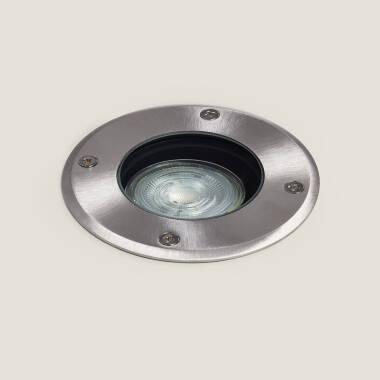
Essential
19,09 €
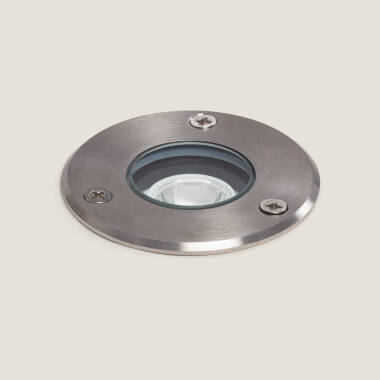
Advanced
21,49 €
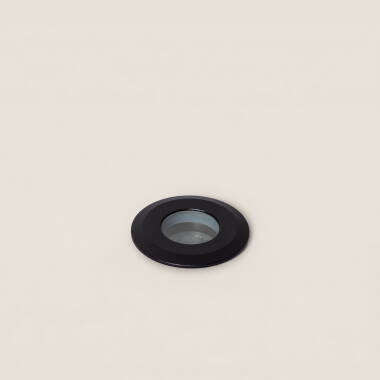
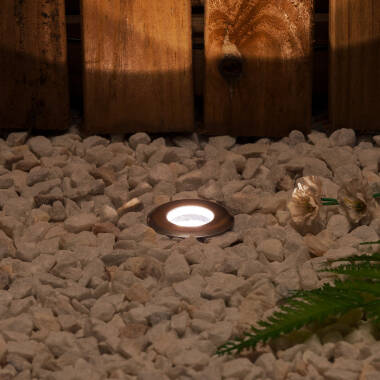
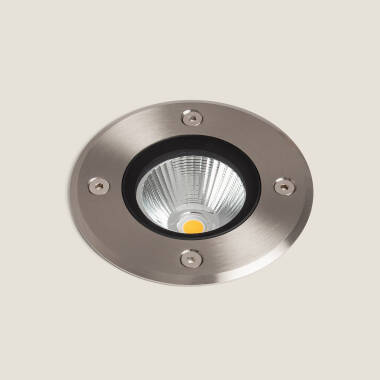
NebuleRef 1745
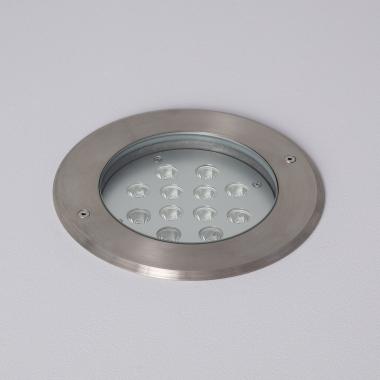
3W Stainless Steel Recessed LED Ground Spotlight
Warm White 3000K
In Stock, delivery in 15-20 days
- -43%
Advanced
Before 16,79 €
9,49 €
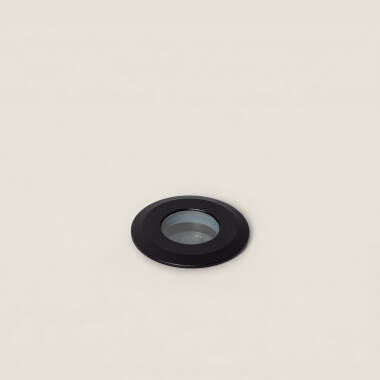
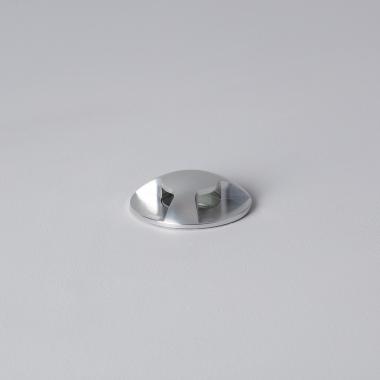
ClarionRef 87330
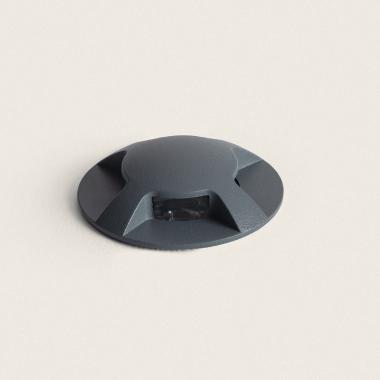
Tiziano 12-24V DC Aluminium Floor-Recessed Spotlight IP65
Cool White 4000K
Pre-Order, estimate delivery from 90 days
Advanced
17,39 €
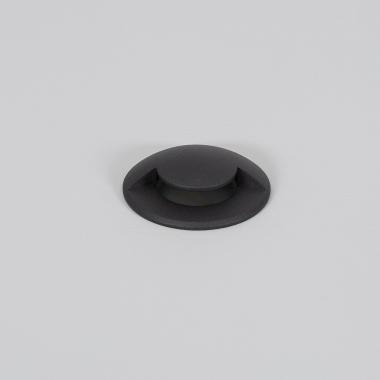
ClarionRef 87330
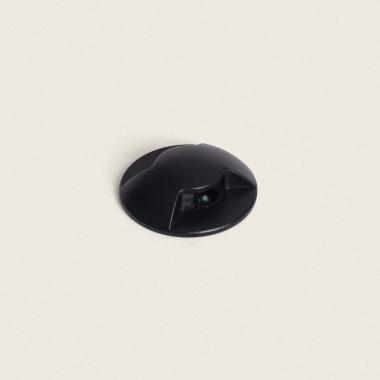
Tiziano 12-24V DC Aluminium Floor-Recessed Spotlight IP65
Warm White 2700K
Pre-Order, estimated shipping from 03/07/2026




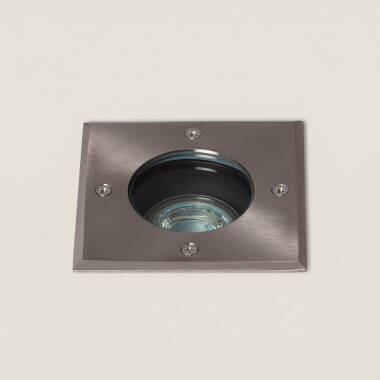
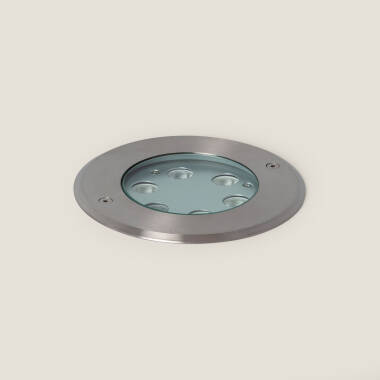
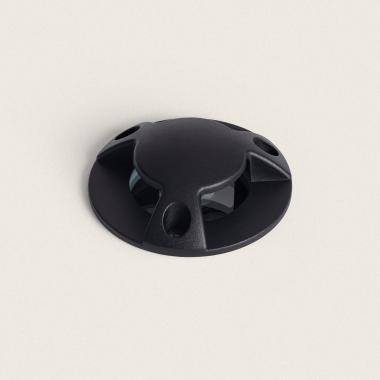
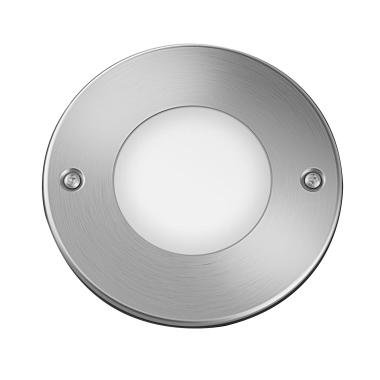
Brands related to this category


About Recessed decking lights
Recessed deck lighting is among the most discreet solutions within Pathway lights, as it makes it possible to illuminate from the ground or very close to it. There are recessed and semi-buried models. Depending on the beam angle and the format chosen, these fittings can be used to guide routes, highlight architectural elements or reinforce visibility in areas where safety is a priority.
What are decking lights used for?
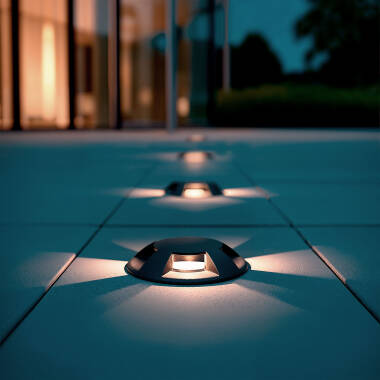
Recessed deck lighting is designed to project light from a low position, normally integrated into paving, decking or the ground. This location makes it possible to illuminate paths, façades, vegetation and decorative elements while maintaining a minimal visual presence during the day.
Its function can be orientational, decorative or technical. Along a path, it helps define the route; on a façade, it creates upward illumination to highlight architectural volumes; in a garden, it can emphasise trees or landscaped areas. It is also useful in entrances, patios, terraces and perimeter zones where controlled, integrated lighting is required.
Unlike Step lights, recessed deck lighting works from below. This characteristic offers many design possibilities, but it also requires careful planning to avoid glare and water accumulation.
Lighting for paths and entrances
On paths and entrances, recessed decking lights help guide movement without obstructing the route. Installed along the edges of a pathway or beside an entrance, they allows users to identify the direction of travel and detect potential obstacles.
For this application, high wattage is not always necessary. In residential pathways, an output of approximately 50 to 300 lumens per fitting may be sufficient when the light is correctly directed and spacing is appropriate. At main entrances, communal access points or areas with steps, a higher output may improve visibility and make changes in level easier to identify.
The spacing between fittings should be adapted to the width of the path, the surface material and the beam angle. On narrow pathways, a distance of 1.5 to 3 metres can provide continuous illumination without overwhelming the space. Light-coloured paving reflects more light and may require lower output levels, while darker surfaces often benefit from closer spacing or brighter fittings.
When a stronger visual reference is required both during the day and at night, LED Bollard Lights can complement recessed deck lighting. While recessed fittings provide subtle integrated illumination, combining both solutions in larger outdoor spaces can improve orientation, aesthetics and safety.
Upward light to highlight façades or vegetation
One of the most common applications of recessed decking lights is creating upward illumination. By projecting light from below, these fittings can highlight façades, shrubs, sculptures and decorative landscape features.
On façades, this type of lighting enhances textures and architectural details. A fitting positioned close to the wall creates a grazing effect that emphasises materials such as stone or brick. When installed further away, the beam can softly illuminate a wider area. Installation distance, wattage and beam angle should be coordinated to avoid excessive hotspots or poorly lit upper sections.
The beam angle plays a key role in the final result. A narrow beam between 15 and 30 degrees concentrates light on columns or specific vertical features. Medium and wide beams between 60 and 120 degrees distribute light across larger surfaces. On taller façades, fittings with greater reach may be required, while ensuring that the light source does not create glare for pedestrians.
Visual safety in passage areas
Recessed decking lights also improve visual safety in circulation areas. They helps identify steps, changes in paving and access points, making them particularly valuable in outdoor spaces used after dark.
To ensure safe illumination, the fitting should clearly define the route without directing light into users’ eyes. Poorly positioned fittings can cause glare, especially on staircases or sloping pathways. For this reason, models with controlled optics are recommended in transit areas.
Safety depends not only on brightness but also on consistency. Uniform, moderate illumination is generally more effective than isolated bright points separated by dark sections. On routes with changes in level, recessed deck lighting should be positioned so that users can clearly distinguish step edges and surface transitions.
Important features of decking lights
Recessed decking lights are exposed to rain, dust, moisture, temperature fluctuations and accumulated debris. These recessed fittings must be designed to withstand demanding outdoor conditions over long periods.
For this reason, several key characteristics should be considered before selecting a product.
IP protection for installations exposed to rain and moisture
The IP rating indicates a luminaire’s resistance to the ingress of solids and liquids. For recessed deck lighting, this specification is particularly important because the fittings are installed close to the ground and exposed to rain, irrigation systems and ambient moisture.
For exposed installations, IP65 or higher ratings such as IP67 are recommended. These levels provide protection against dust and water ingress. In more sheltered locations, such as covered terraces or areas protected from direct rainfall, IP54 may be sufficient. However, this rating is not intended for installations subject to frequent moisture accumulation.
For decking lights, IP protection should always be complemented by effective drainage. Electrical connections must also be properly protected. In outdoor installations, connection points are often more vulnerable than the luminaire itself, so they should be suitable for damp environments and remain accessible for maintenance.
Durable materials for recessed installations
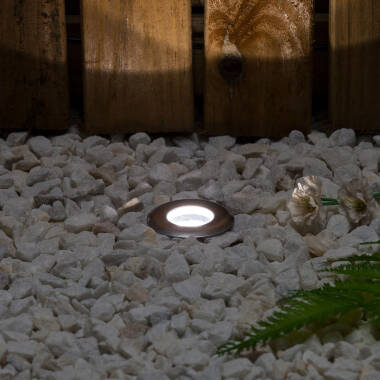
The materials used in recessed decking lights must withstand outdoor conditions as well as direct contact with paving, decking or soil. Treated aluminium, stainless steel, polycarbonate and other durable technical materials are commonly used in outdoor luminaires. The visible upper section often incorporates stainless steel and glass to protect the LED source.
When installed in walkable areas, it is essential to verify that the fitting is designed for pedestrian traffic. Not all recessed deck lighting products are rated for the same loads. Pedestrian areas require fittings capable of withstanding regular foot traffic, while driveways require specialised models designed for heavier loads. Checking for IK10 impact resistance is also advisable, as this rating indicates excellent resistance to impacts and pressure.
Tempered glass is frequently used because it offers superior resistance to impacts, pressure and temperature changes. It also protects the optics and helps maintain the watertight integrity of the fitting. In higher-powered luminaires, effective heat dissipation is equally important, as excessive heat can reduce LED lifespan and performance.
Fixings and seals also influence durability. Poor-quality seals may deteriorate over time and allow moisture ingress, while unsuitable screws can corrode and complicate maintenance.
How to choose LED recessed decking lights
Choosing recessed deck lighting requires analysing the intended use of the space, the installation surface and the desired lighting effect. Illuminating a pathway requires different specifications from highlighting a façade, a tree or a vehicle entrance.
The following criteria are particularly important.
Wattage and luminous flux according to the area to be illuminated
Wattage indicates energy consumption, but it does not determine the amount of useful light on its own. To evaluate performance accurately, it is necessary to consider both luminous flux, measured in lumens, and the way the optics distribute the light.
For pathways, terraces and orientation lighting, fittings between 3 W and 6 W are often sufficient when correctly positioned. Main entrances and areas requiring greater visibility may benefit from models between 6 W and 15 W. Larger architectural features and tall façades may require higher outputs and more focused beams.
Beam angle should always be selected according to the intended effect. Narrow beams concentrate light and provide greater reach, making them suitable for columns and vertical features. Wider beams distribute light across larger surfaces and create softer effects on walls and decorative elements. For uniform façade illumination, several moderate-output fittings generally produce better results than a few excessively bright points.
In circulation areas, visual comfort should remain a priority. Excessively powerful recessed deck lighting can become uncomfortable if the light source remains visible from the route.
Warm, neutral or cool light for outdoor spaces
Colour temperature influences both the atmosphere of a space and the appearance of materials. The most common options for recessed deck lighting are warm, neutral and cool white light.
Warm white light between 2700 K and 3000 K is the most popular choice for gardens, terraces and residential environments. It creates a welcoming atmosphere and complements materials such as stone, timber, brick and vegetation. It also reduces the perception of harsh lighting.
Neutral white light around 4000 K provides greater clarity and detail. It is suitable for driveways, contemporary architecture and professional environments where visibility is important without creating an overly cold appearance.
Cool white light above 5000 K is less common in residential outdoor spaces because it can create a more technical and less inviting atmosphere. While it may be suitable for specific applications where maximum visibility is required, it is generally less appropriate for relaxation areas and decorative gardens.
For a cohesive result, it is advisable to maintain the same colour temperature throughout the installation or within each visual zone. Mixing different colour temperatures without a clear design intention can create unnatural contrasts. If existing outdoor lighting is already installed, recessed deck lighting should be selected in a compatible colour tone.
Installation
The installation of recessed decking lights should be planned carefully, particularly when the fittings are integrated into paving or decking. Proper preparation is required for the recess, wiring, drainage and future maintenance access. Poor planning can lead to alignment issues and water ingress.
In concrete, stone or ceramic surfaces, the opening must match the dimensions of the fitting and provide secure support. When installed in soil, gravel or landscaped areas, the base should remain stable to prevent movement over time. Ground settlement, irrigation and root growth can affect alignment if the installation area is not properly prepared.
Drainage is one of the most important aspects of recessed deck lighting. The recess should never become a collection point for water. A gravel base or suitable drainage solution helps protect both the luminaire and its electrical connections. Even with a high IP rating, prolonged exposure to moisture can reduce service life.
Maintenance should also be considered. Recessed deck lighting tends to accumulate dust, leaves, mud and other debris more easily than elevated luminaires. Regular cleaning of the diffuser helps maintain light output and performance. In larger installations, power supplies and connection points should remain accessible and clearly identified.
Frequently asked questions about recessed decking lights
What IP rating should recessed decking lights have?
For recessed decking lights exposed to rain or irrigation, IP65 is generally recommended. In areas with frequent moisture accumulation or more exposed installations, IP67 may be a better choice. Proper drainage and protected electrical connections are equally important.
Can recessed deck lighting be walked on?
Only if the product is specifically designed for pedestrian traffic. Some recessed deck lighting fittings are walk-over rated, while others are intended solely for decorative applications. Areas exposed to vehicle traffic require specialised fittings designed for higher loads. Always consult the technical specifications before installation.
What wattage is suitable for lighting an outdoor path?
For outdoor pathways, recessed decking lights between 3 W and 6 W are often sufficient when spacing and beam direction are properly planned. Wider routes, darker surfaces or areas with steps may benefit from fittings between 6 W and 15 W. Luminous flux and beam angle are generally more important than wattage alone.
What colour temperature is best for recessed deck lighting?
Warm white light between 2700 K and 3000 K usually provides the most comfortable result for gardens, terraces and residential spaces. Neutral white light around 4000 K is often preferred for entrances, contemporary architecture and professional environments. Cool white light above 5000 K should be used carefully, as it can create a less welcoming atmosphere.
Does recessed deck lighting need drainage?
Yes. Effective drainage is strongly recommended for recessed deck lighting. Even when a fitting has a high IP rating, it should not remain surrounded by standing water or constant moisture. A draining base and protected connections help maximise service life.
Is recessed deck lighting suitable for illuminating façades?
Yes. Recessed deck lighting is one of the most effective solutions for illuminating façades from below. It can create upward lighting effects, highlight textures and emphasise architectural features. For the best results, installation distance, wattage, beam angle and spacing should all be carefully considered.