
LED street lights
Public lighting is a key element in safety, mobility and the overall quality of urban spaces. A well-designed solution not only improves visibility and reduces energy consumption, but also contributes to visual comfort, orientation and the aesthetic integration of the surroundings.


Our featured products from LED street lights
- -12%
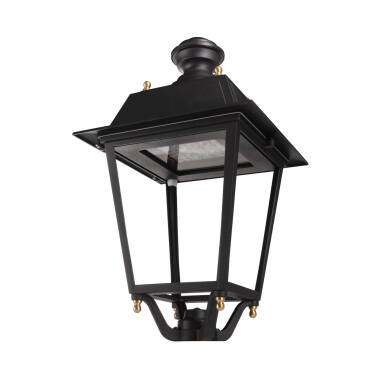
Expert
Before 268,99 €
236,99 €
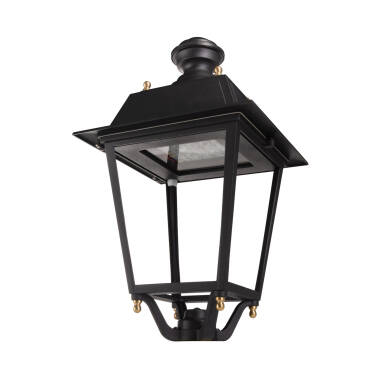
Ref 70509
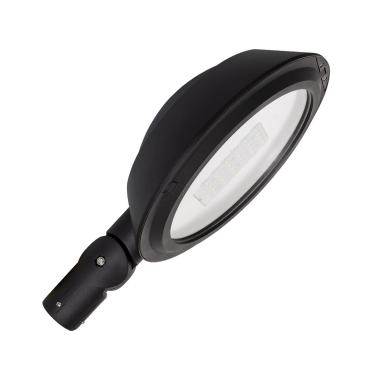
Aluminium40W LED Streetlight LUMILEDS PHILIPS Xitanium Villa
In Stock, delivery in 16-21 days
- Wattage 40 W
- Voltage Range 220-240V AC
- Lumen 6000 lm
7 options - -12%
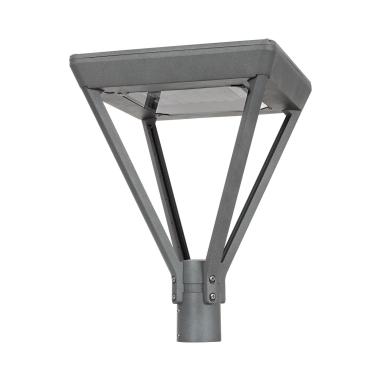
Expert
Before 268,99 €
236,99 €
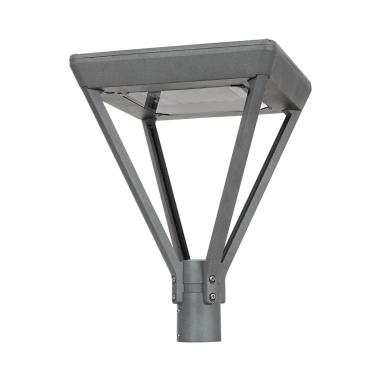
Ref 79900
Aluminium40W LED Streetlight LUMILEDS PHILIPS Xitanium Aventino Square
In Stock, delivery in 16-21 days
- Wattage 40 W
- Voltage Range 220-240V AC
- Lumen 5400 lm
7 options - -14%

Expert
Before 236,99 €
204,99 €
Ref 79642
Aluminium40W LED Streetlight PHILIPS Xitanium Infinity
Pre-Order, estimated shipping from 15/11/2026
- Wattage 40 W
- Voltage Range 220-240V AC
- Lumen 5600 lm
7 options - -16%
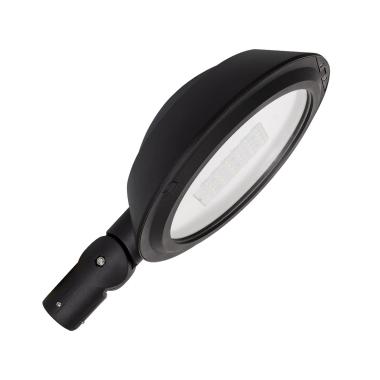
Expert
Before 268,99 €
225,99 €
Ref 74266
Aluminium40W LED Streetlight LUMILEDS PHILIPS Xitanium Arrow
In Stock, delivery in 16-21 days
- Wattage 40 W
- Voltage Range 220-240V AC
- Lumen 6000 lm
7 options







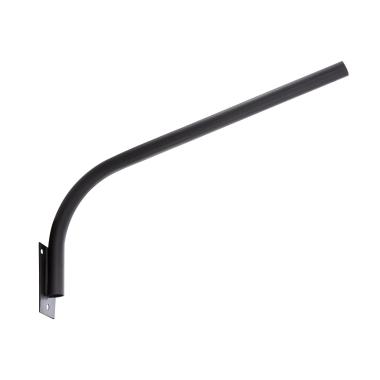

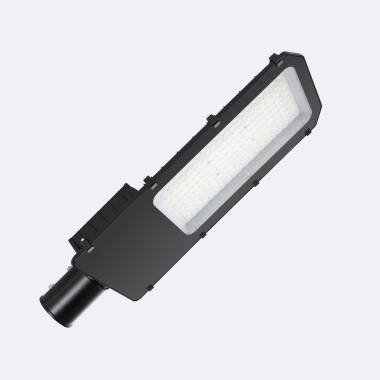
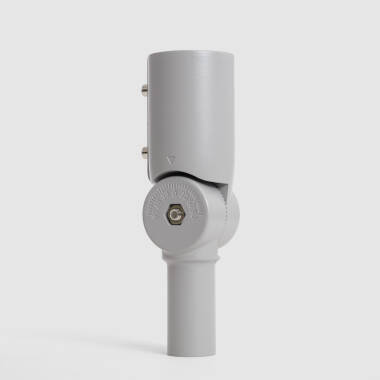
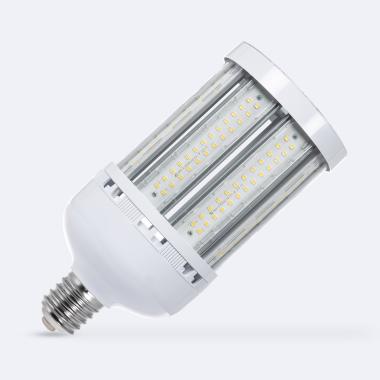
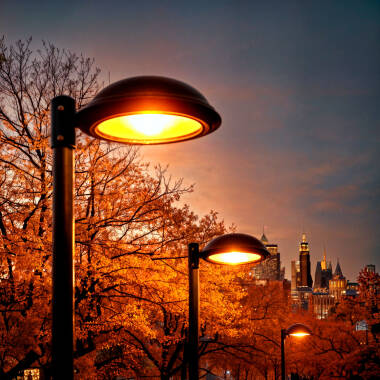
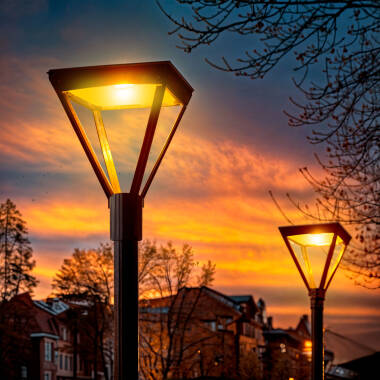
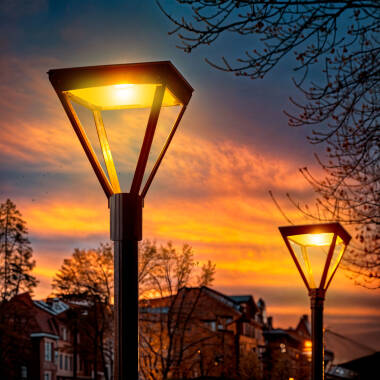
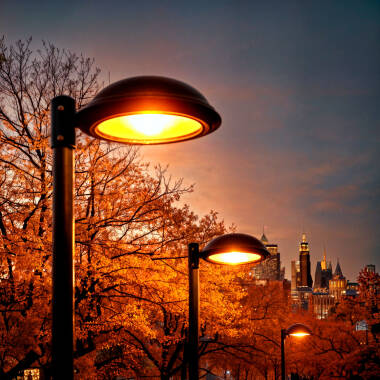




Brands related to this category


About LED street lights
In this section you will find complete outdoor lighting solutions for road lighting projects, pedestrian areas and urban spaces, together with the accessories and components required for an efficient and long-lasting installation.
Public lighting: efficiency, safety and design in urban spaces
Road and urban lighting play an essential role in cities, municipalities and residential environments. Beyond illuminating streets and pathways, public lighting directly influences road safety, the perception of public safety, nighttime accessibility and the quality of the urban landscape. For this reason, more and more projects are choosing modern LED solutions that combine energy efficiency, long service life and precise light control.
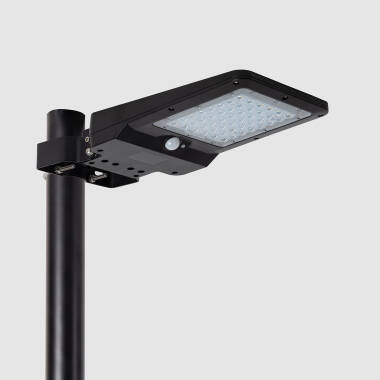
Within current solutions, LED street lights form the core of any modern public lighting installation. They are designed to provide consistent, efficient lighting adapted to the demands of urban environments, whether on main roads, secondary streets, residential areas or pedestrian zones.
Public lighting for outdoor lighting projects
In large-scale developments such as municipal renovation plans, urban developments or public infrastructure projects, public lighting must meet specific technical and regulatory requirements. In these cases, a project-based approach allows each parameter of the lighting system to be optimised.
Solutions based on street lights for projects are integrated into a global design that takes into account photometric distribution, power, colour temperature, installation height and control systems. This approach ensures consistent lighting throughout the area, reduces maintenance costs and improves the durability of the installation.
Public lighting in residential environments and landscaped areas
In residential areas, parks and green spaces, public lighting must strike a balance between functionality, visual comfort and landscape integration. Here, lighting serves not only a practical purpose, but also shapes how spaces are perceived and experienced by users.
Garden street lights or residential street lights are part of smaller-scale public lighting systems designed for pedestrian paths, shared areas and landscaped spaces. Their light is typically more controlled and pleasant, supporting orientation without creating a sense of over-illumination.
Dimmable public lighting and efficient light management
One of the major advances in modern public lighting is the ability to adapt light levels to real usage conditions. Dimmable lighting systems allow light intensity to be adjusted according to time schedules, traffic levels or the type of activity taking place.
Within these systems, dimmable street lights help reduce energy consumption during periods of low activity, extend the service life of the equipment and improve visual comfort. Light output regulation has become a key tool for optimising energy efficiency without compromising safety.
Autonomous public lighting and solar solutions
In locations where access to the electrical grid is limited or unavailable, autonomous public lighting offers an efficient and sustainable alternative. These solutions make it possible to illuminate public spaces without the need for trenching works or complex electrical infrastructure.
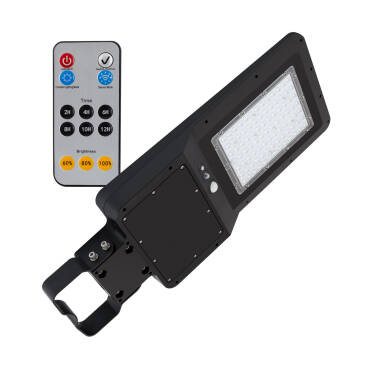
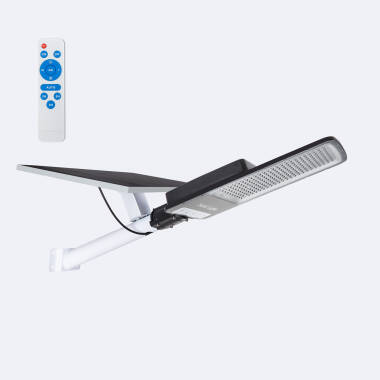
Solar street lights are integrated into these autonomous systems, combining photovoltaic panels and batteries to ensure reliable operation. They are commonly used on pathways, in parks, on cycle lanes, in rural areas or peripheral zones where quick installation and low environmental impact are priorities.
Public lighting refurbishment and light source upgrades
Not all public lighting improvement projects require the complete replacement of existing infrastructure. In many cases, system performance can be optimised by retaining poles and supports and upgrading only the light sources.
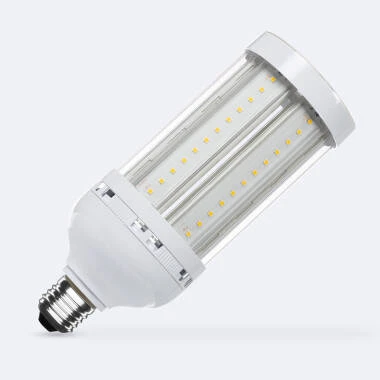
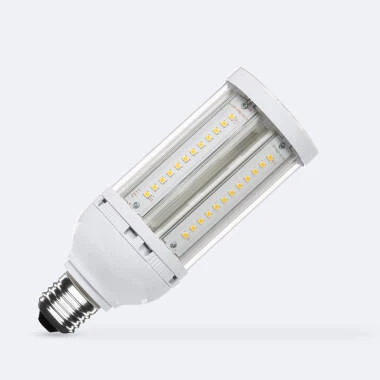
The use of LED bulbs for street lights improves energy efficiency, lighting quality and system durability with minimal intervention. This solution is particularly common in phased refurbishment projects where reducing energy consumption is a priority without carrying out a full replacement.
Complementary public lighting solutions
Although road lighting forms the basis of public lighting, there are situations where lighting needs to be reinforced or complemented. Certain areas require higher light levels, more precise aiming or lighting at a different scale to ensure safety and visibility.
High-power floodlights for lighting reinforcement
In roundabouts, car parks or large open areas, high-power floodlights provide high light levels with precise directional control. These areas often have increased visibility requirements, especially in urban environments with heavy traffic.
Installed at strategic points, these floodlights cover large surfaces while delivering powerful, uniform and controlled lighting. Used as complementary solutions, they reinforce existing public lighting without multiplying light points or oversizing the main installation.
LED bollards and beacons: human-scale lighting
In pedestrian environments, parks, promenades and pathways, low-height lighting plays an essential role in orientation and safety. Ground beacons and LED bollards provide light close to the ground, designed to mark routes, define areas and highlight obstacles without causing glare.
These solutions are particularly suitable for traffic-calmed zones, building entrances, landscaped areas and public spaces where visual comfort and landscape integration are prioritised. As a complement to road lighting, they help create a coherent, balanced public lighting system adapted to the human scale.
Lighting design and planning: keys to success
A successful public lighting project is not based solely on product selection, but on a comprehensive lighting system plan. Factors such as the distribution of light points, installation height, colour temperature and glare control directly affect the effectiveness and comfort of the final result.
LED technology makes this process easier thanks to its versatility and the wide range of available solutions. From street lights for large avenues to beacons for pedestrian paths, including reinforcement floodlights or autonomous solar systems, it is possible to design lighting tailored to each space and requirement.
Public lighting and energy efficiency
Upgrading public lighting is one of the most effective measures for reducing energy consumption and emissions associated with urban lighting. LED solutions deliver significant savings compared to traditional technologies, while offering a noticeable improvement in light quality and system reliability.
In addition, combining LED street lights, dimmable systems and solar solutions supports a more responsible lighting model aligned with current sustainability and efficiency goals, as well as the expectations of citizens and public authorities.
A complete solution for every project
From small-scale interventions in residential areas to large urban renewal projects, public lighting requires reliable, efficient and well-integrated solutions. Choosing LED street lights, suitable accessories and complementary systems such as floodlights or bollards helps create safer, more accessible and more pleasant spaces, both day and night.
With the right product selection and coherent planning, outdoor lighting becomes a key tool for improving urban space quality, optimising resources and providing a more comfortable environment for all users.
Frequently asked questions about public lighting
What is meant by public lighting?
Public lighting refers to the set of lighting systems designed to illuminate shared-use spaces such as streets, avenues, squares, parks, pedestrian areas, access points and urban outdoor spaces. Its main purpose is to ensure safety, visibility and nighttime orientation, contributing to the proper functioning and quality of urban environments.
What is the main function of public lighting?
The role of public lighting goes far beyond simply “seeing at night”. A well-designed system improves road and pedestrian safety, reduces accident risks, supports mobility, strengthens the perception of public safety and contributes to better coexistence in shared spaces. Proper lighting can also enhance the urban image and architectural integration of the surroundings.
Why is proper public lighting planning important?
Planning is essential to ensure that light reaches where it is truly needed, at the right intensity, without causing glare or light pollution. Poor design can result in underlit areas, excessive energy consumption or visual discomfort. For this reason, public lighting must be approached as a complete system rather than a collection of isolated light points.
What factors are considered in a public lighting project?
A public lighting project considers factors such as the type of road or space, intended use (vehicular traffic, pedestrians or mixed areas), mounting height and spacing of light points, uniformity, colour temperature, glare control and energy efficiency. This ensures lighting is adapted to the real needs of each environment.
How does public lighting influence safety?
Adequate public lighting improves the visibility of obstacles, pedestrians and vehicles, reducing the risk of accidents and dangerous situations. Well-lit spaces also tend to convey a greater sense of security, encouraging nighttime use of public areas and reducing the perception of unsafe zones.
What role does energy efficiency play in public lighting?
Energy efficiency is one of the pillars of modern public lighting. Reducing electricity consumption and maintenance costs is essential, especially in installations that operate for many hours each day. Current solutions make it possible to optimise energy use without compromising lighting quality, while also reducing environmental impact.
How is light pollution avoided in public lighting?
Light pollution is reduced through proper design that controls the direction and intensity of light. A well-designed public lighting system illuminates only useful areas, avoids unnecessary emission towards the sky or façades, and uses lighting levels adapted to the actual use of the space.
Can public lighting be adapted to different schedules and uses?
Yes. Modern public lighting systems allow lighting levels to be adjusted according to time schedules, pedestrian flow or activity type. This flexibility helps maintain safety and visibility when needed while reducing energy consumption during periods of lower use.
What maintenance does public lighting require?
Maintenance depends on the type of installation and technology used, but in general modern systems are designed to minimise interventions. Proper planning and the use of durable components reduce the need for frequent replacements and support efficient long-term management of the lighting system.
Why is public lighting key to urban development?
Public lighting directly affects how urban spaces are perceived and used. Well-planned lighting improves liveability, encourages nighttime use of streets and squares, strengthens local identity and contributes to safer, more efficient and more sustainable urban development.