
LED Street Lights
LED street lights are the central element of outdoor lighting in streets, public spaces and residential environments. Thanks to LED technology, they offer an efficient, long-lasting and adaptable solution for a wide range of applications, from urban lighting projects to gardens and private areas.


Our featured products from LED Street Lights
Expert

44,99 €
Ref 177722
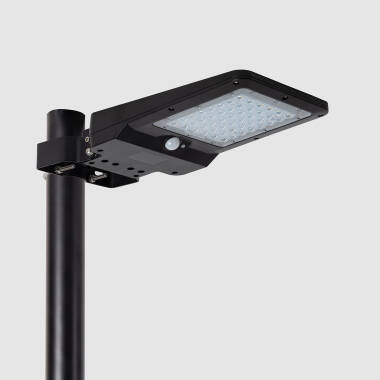
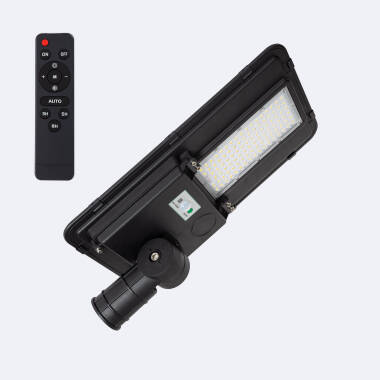
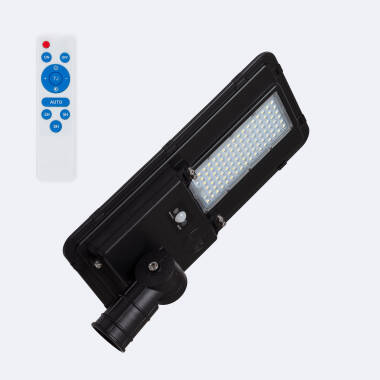
AdjustableSolarNewPRO Solar Floodlight with Motion & Twilight Sensor
In Stock, delivery in 15-20 days
- Wattage 12 W
- Voltage Range 12V DC
- Lumen 1800 lm
4 options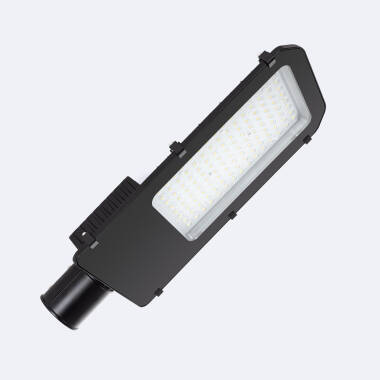
Essential
61,99 €
Ref 125811
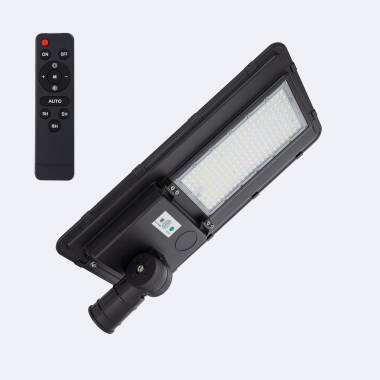
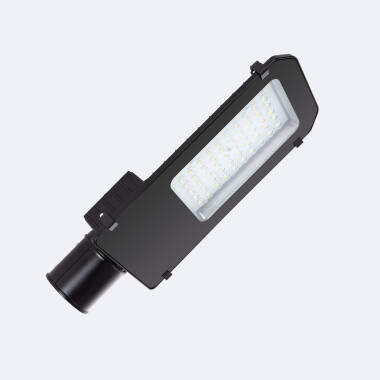
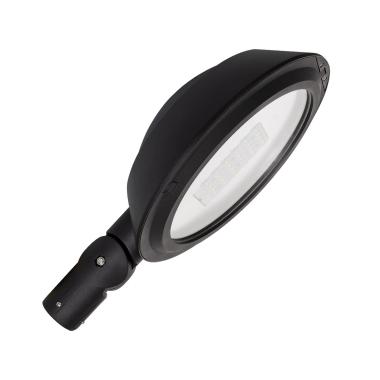
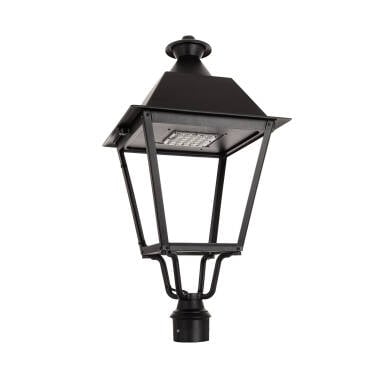
Aluminium100W LED Streetlight Harlem Black containing components by Osram
In Stock, delivery in 15-20 days
- Wattage 100 W
- Voltage Range 220-240V AC
- Lumen 13000 lm
4 options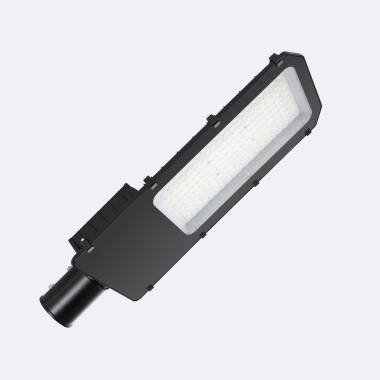
Essential
76,99 €
Ref 125816
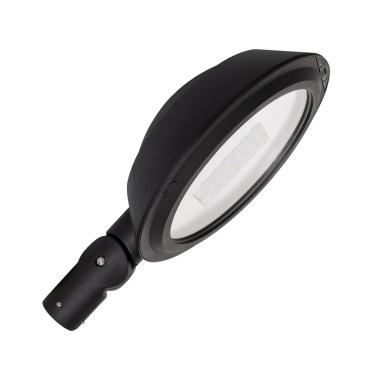
Aluminium150W LED Streetlight Harlem Black containing components by Osram
In Stock, delivery in 15-20 days
- Wattage 150 W
- Voltage Range 220-240V AC
- Lumen 19500 lm
3 options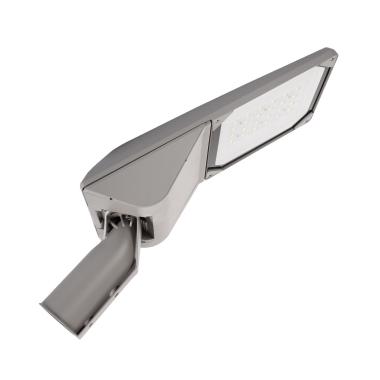
Expert
171,99 €
Ref 79642
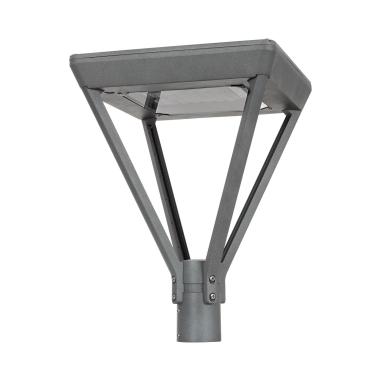
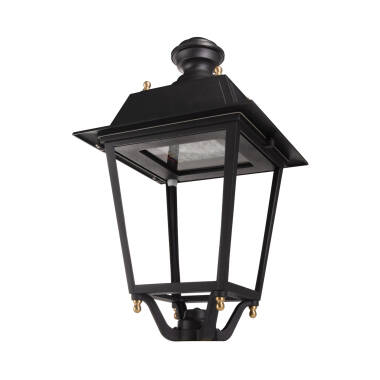
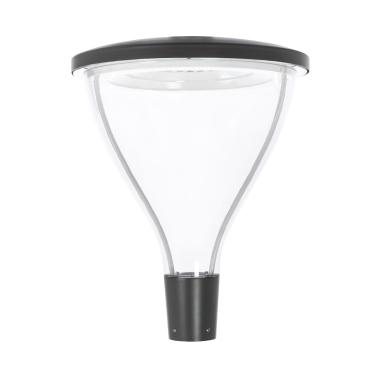
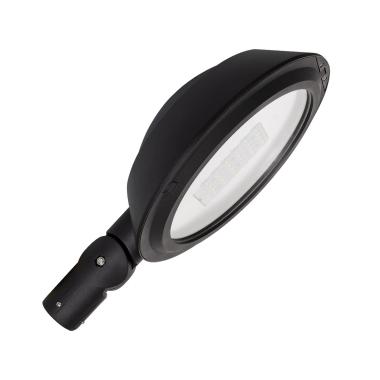
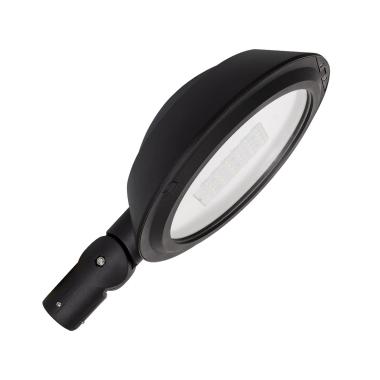
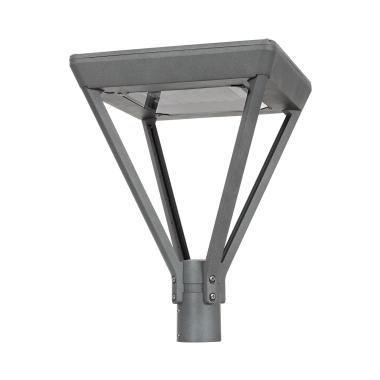
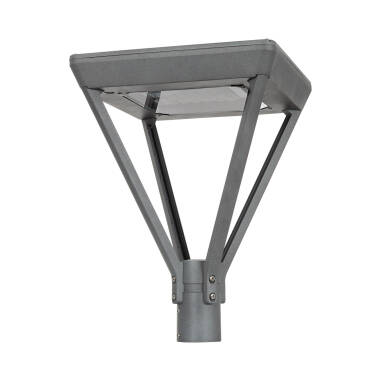
Aluminium40W LED Streetlight PHILIPS Xitanium Infinity
Pre-Order, estimated shipping from 16/11/2026
- Wattage 40 W
- Voltage Range 220-240V AC
- Lumen 5600 lm
7 options






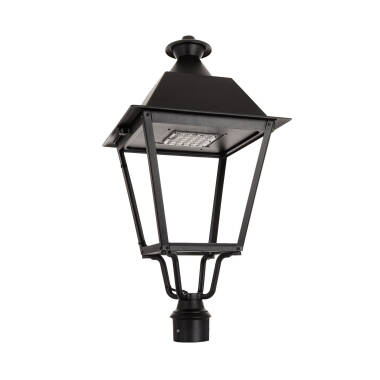
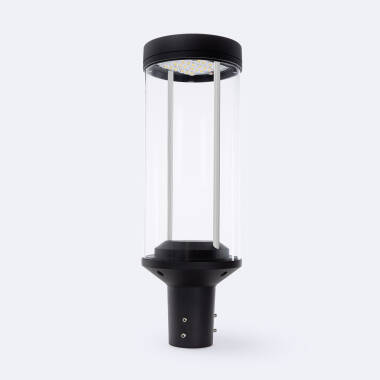
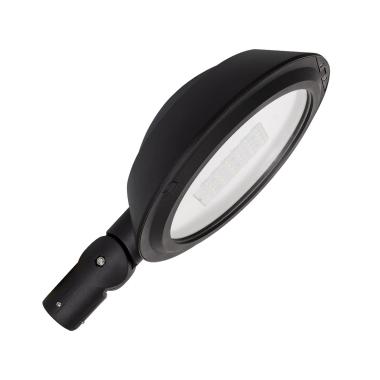
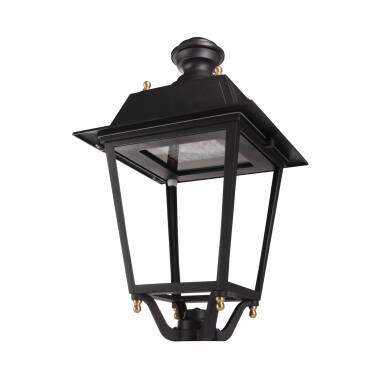
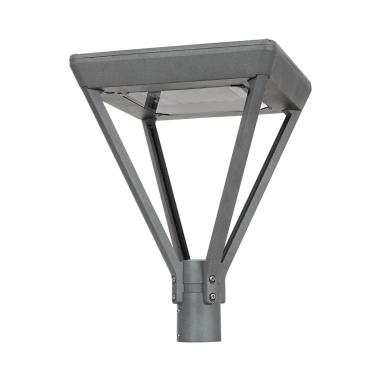
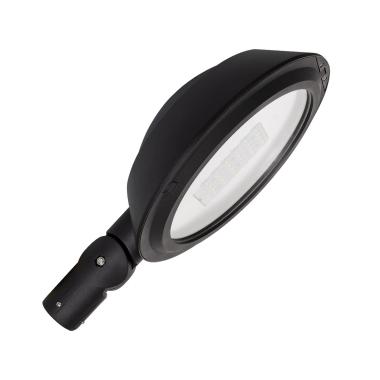
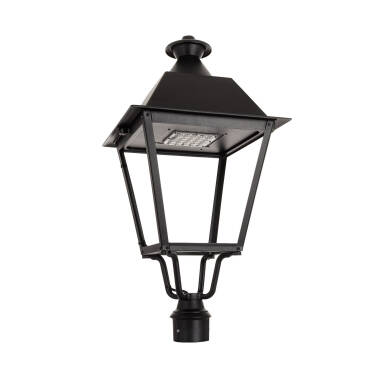
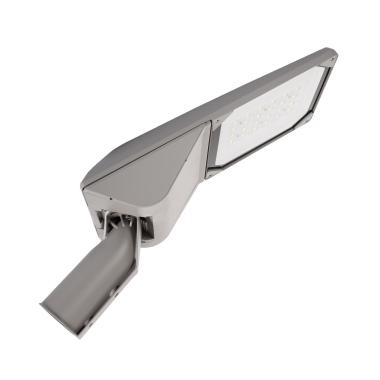
Brands related to this category


About LED Street Lights
LED street lights for outdoor lighting and public lighting
LED street lights have become the benchmark solution in modern outdoor lighting. Their role within public lighting is essential, as they act as the main light point responsible for illuminating streets, roads, squares, parks and circulation areas.
Unlike traditional technologies, LED lighting allows for greater control of the luminous flux, a significant reduction in energy consumption and a much longer service life. This results in lower maintenance costs, higher reliability and improved light quality in urban environments.
Today, a LED street light is no longer just a pole with a light source, but an integrated element within a lighting system designed to adapt to the actual use of the space, environmental conditions and current sustainability criteria.
LED street lights for urban and industrial projects
In urban, industrial or institutional lighting projects, choosing the right LED street light is key to the success of the installation. Street lights for projects are designed to be integrated into large-scale developments, where each element must be adapted to specific technical requirements.
This type of street light allows parameters such as the following to be selected:
- Power and luminous flux
- Photometric distribution
- Installation height and type
- Colour temperature
- Control and regulation systems
Thanks to this flexibility, it is possible to design coherent, efficient lighting systems that comply with current regulations, optimising both lighting performance and long-term operating costs.
Within the field of industrial lighting, public lighting luminaires are commonly used in loading docks and outdoor logistics areas. These spaces require powerful, uniform and reliable lighting to ensure visibility during loading and unloading operations, especially at night or in conditions of low natural light.
LED street lights for residential use and private spaces
Not all outdoor lighting applications require the lighting levels of an urban roadway. In gardens, residential developments, private paths or residential access areas, the priority is usually visual comfort and integration with the surroundings.
Street lights for residential use are designed to provide functional yet softer lighting, avoiding glare and creating pleasant environments. They are commonly used in:
- Gardens and landscaped areas
- Paths and pedestrian walkways
- Accesses to homes or residential communities
- Private communal areas
In these contexts, the LED street light acts as both a functional and an aesthetic element, providing safety and guidance without disrupting the harmony of the space.
Dimmable street lights and lighting management
The ability to adapt lighting to the real needs of the environment is one of the main advantages of LED technology. Dimmable street lights allow the light intensity to be adjusted according to time schedules, traffic levels or space usage.
This type of street light is particularly suitable for:
- Streets with traffic variations depending on the time of day
- Night-time residential areas
- Public spaces with intermittent use
Regulating the luminous flux helps reduce energy consumption, improve visual comfort and extend the lifespan of the luminaire, making it a key solution within outdoor lighting energy efficiency strategies.
Programmable street lights and lighting control
Beyond manual or basic regulation, programmable street lights allow lighting schedules and automatic system behaviours to be defined. These solutions enable more advanced lighting management, adapting the light to different scenarios without constant intervention.
Programming switching on, switching off or dimming allows:
- Optimisation of energy consumption
- Ensuring appropriate lighting levels at all times
- Reducing operational maintenance requirements
These street lights are particularly well suited to modern public lighting projects, where intelligent lighting management is becoming increasingly important.
Solar street lights: autonomous outdoor lighting
In locations where there is no access to the power grid or where installation work needs to be minimised, solar street lights represent a practical and sustainable alternative. These street lights operate autonomously thanks to solar energy stored in integrated batteries.
Solar street lights are commonly used in:
- Rural or peri-urban paths
- Parks and green areas
- Cycle lanes
- Secondary pedestrian or transit areas
Their main advantage lies in ease of installation and energy independence, making them an efficient solution in environments where cabling is complex or costly.
Light bulbs for street lights and renovation of existing installations
It is not always necessary to replace an entire street light to improve an outdoor lighting installation. In many cases, system performance can be optimised by upgrading the light sources.
Light bulbs for street lights make it possible to renovate existing installations while keeping the original structure and support. This option is particularly attractive in refurbishment or energy upgrade projects, where the goal is to reduce consumption and improve light quality with minimal intervention.
Switching to LED bulbs provides immediate improvements in efficiency, durability and start-up performance, while also reducing maintenance costs.
Lighting design, visual comfort and glare control
An effective public lighting system is not defined solely by installed power or illumination levels, but by light quality and how it is distributed in the space. Lighting design plays a fundamental role in visual comfort, safety and environmental perception, especially in outdoor spaces with continuous use.
One of the key elements in this design is the luminaire optics. Modern LED street lights incorporate specific optics that allow the luminous flux to be directed precisely towards useful areas: roadways, pavements, pedestrian crossings or circulation zones. This controlled distribution prevents light loss towards the sky or building façades, improves uniformity and reduces light pollution—an increasingly important aspect in public lighting projects.
Glare control is another essential factor. Excessive brightness or incorrect light orientation can cause visual discomfort, reduce perception capacity and create hazardous situations for both pedestrians and drivers. Public lighting luminaires are designed to limit glare through suitable optics, correct installation height and balanced light distribution, ensuring comfortable and safe lighting.
Colour temperature also directly influences visual comfort and space perception. In outdoor lighting, tones ranging from warm white to cool white are commonly used, selected according to the environment and application. More neutral or cooler tones are typically used on roads and traffic areas due to the increased sense of visibility they provide, while warmer temperatures are more suitable for residential or pedestrian environments, where a more pleasant and less intrusive atmosphere is desired.
Another important aspect is lighting uniformity. Good light distribution avoids harsh contrasts between illuminated areas and shadows, reducing visual fatigue and improving orientation. LED street lights allow high levels of uniformity to be achieved with fewer light points, thanks to their efficiency and optical precision.
Overall, lighting design, the correct choice of optics, appropriate colour temperature and effective glare control are decisive factors in creating an efficient, comfortable and environmentally responsible public lighting system. A well-planned approach not only improves visual experience but also optimises energy consumption and installation durability.
Public lighting and light pollution
Light pollution is one of the main challenges associated with modern outdoor lighting. It occurs when light is emitted unnecessarily or poorly directed, illuminating areas that do not require lighting, the night sky or elements outside the useful area.
A well-designed public lighting system should prioritise efficient and controlled lighting, ensuring that light is projected only where it is needed. The use of luminaires with appropriate optics, correct orientation and lighting levels adapted to the environment makes it possible to significantly reduce light dispersion and nighttime visual impact.
In addition to improving sustainability, reducing light pollution enhances user visual comfort, prevents disturbance in residential areas and protects the night-time landscape, especially in areas close to natural spaces. This responsible approach has become a key criterion in current outdoor and public lighting projects.
LED street lights and sustainability
Replacing traditional technologies with LED street lights represents an important step towards more sustainable outdoor lighting. Reduced energy consumption, lower maintenance requirements and longer equipment lifespan help minimise the environmental impact of lighting systems.
Furthermore, solutions such as dimmable, programmable or solar street lights reinforce this sustainable approach, allowing lighting to be adapted to real space usage and reducing energy waste.
A versatile solution for every environment
From large-scale urban lighting projects to residential or private applications, LED street lights offer a versatile, efficient and durable solution. Their ability to adapt to different environments and needs makes them an essential element of any modern outdoor lighting system.
Choosing the right LED street light helps improve safety, optimise energy consumption and create more comfortable and functional outdoor spaces in both public and private environments.
Frequently asked questions about LED street lights
What is a LED street light?
A LED street light is an outdoor lighting luminaire that uses LED technology as its light source. It is commonly used to illuminate streets, paths, parks, access areas and open spaces, providing efficient, long-lasting lighting adapted to outdoor conditions.
What applications are LED street lights used for?
LED street lights are used in a wide range of public and private applications. They are commonly found in streets and urban roads, pedestrian areas, parks, residential developments, access points and outdoor spaces where reliable, continuous and weather-resistant lighting is required.
What advantages do LED street lights offer compared to other technologies?
LED street lights stand out for their high energy efficiency, long lifespan and instant start-up. They consume less energy than traditional technologies, require less maintenance and provide better light quality, with more uniform distribution and improved glare control.
What should be considered when choosing a LED street light?
When choosing a LED street light, it is important to consider the installation environment, the required lighting level, mounting height and material quality. Proper selection ensures adequate lighting, good visual comfort and reliable long-term outdoor performance.
Are LED street lights suitable for outdoor use?
Yes. LED street lights are specifically designed for outdoor use and feature protection against rain, dust and temperature variations. Their robust construction and durable materials ensure safe and long-lasting operation under demanding environmental conditions.