
Dimmable LED street lights
Dimmable LED street lights allow outdoor lighting to be adapted to the actual conditions of use, optimising energy consumption and improving visual comfort. Thanks to different dimming systems, these solutions are part of current approaches to efficient outdoor lighting, both in urban environments and in planned installations.
Our featured products from Dimmable LED street lights
- -15%
Advanced

Before 70,99 €
59,99 €
 (3)
(3)Ref 108858
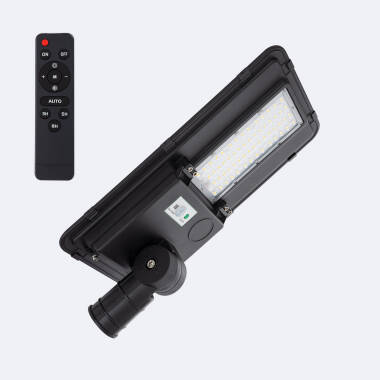
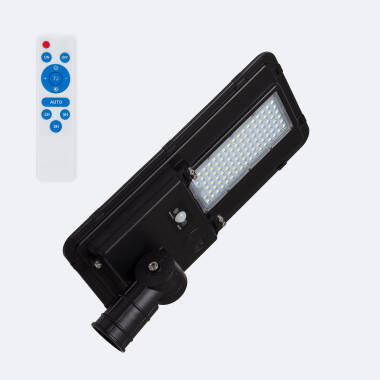
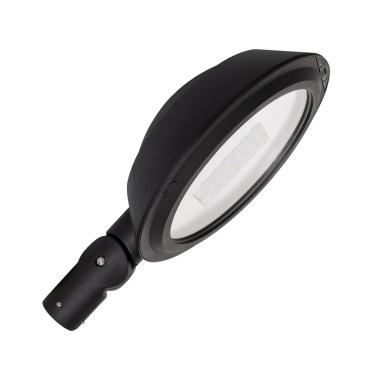
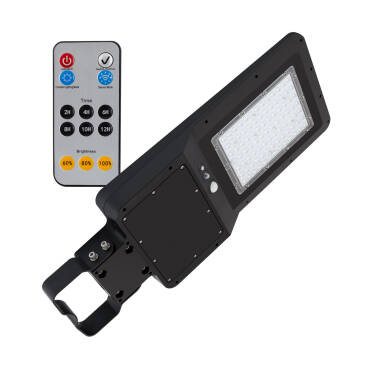
AluminiumAdjustableSolar LED Streetlight Sinai 1000 lm 125 lm/W with Motion Sensor
In Stock, delivery in 15-20 days
- Wattage 8 W
- Lumen 1000 lm
- Type Of Dimming Remote Control
3 options - -16%
Advanced
Before 75,99 €
63,99 €
Ref 108859
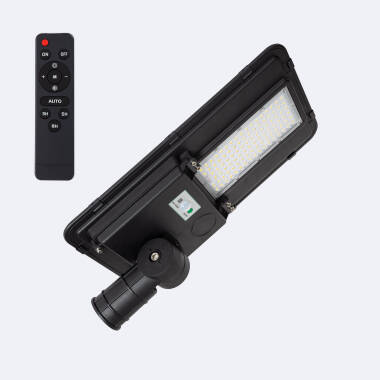
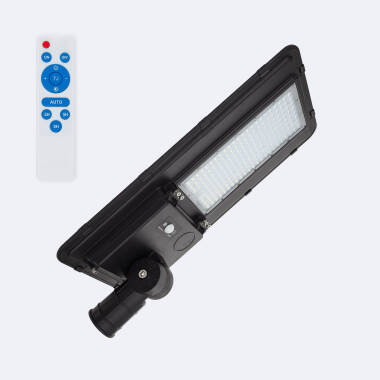
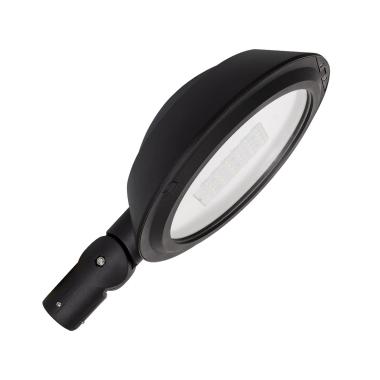
AluminiumAdjustableSolar LED Streetlight Sinai 1800 lm 125 lm/W with Motion Sensor
In Stock, delivery in 15-20 days
- Wattage 14.4 W
- Lumen 1800 lm
- Type Of Dimming Remote Control
3 options - -15%
Advanced
Before 111,99 €
94,99 €
Ref 108864
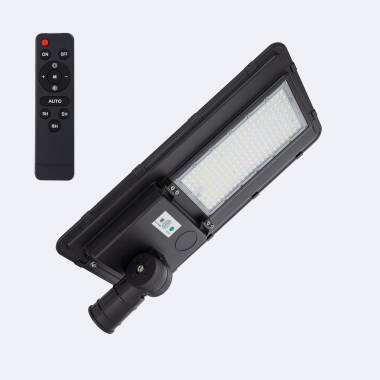
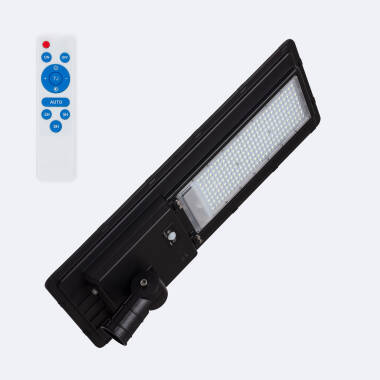
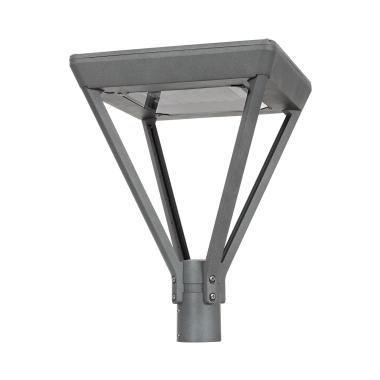
AluminiumAdjustableSolar LED Streetlight Sinai 2500 lm 125 lm/W with Motion Sensor
In Stock, delivery in 15-20 days
- Wattage 20 W
- Lumen 2500 lm
- Type Of Dimming Remote Control
3 options - -9%
Advanced
Before 178,99 €
162,99 €
Ref 126908
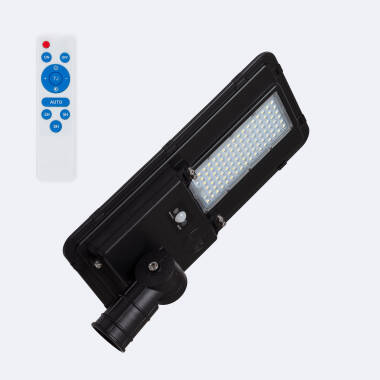
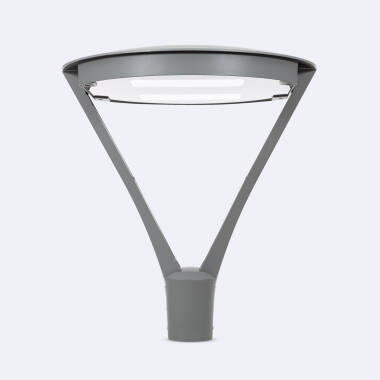
AluminiumAdjustableSinaí Solar LED Luminaire 160lm/W 4500lm for Public Lighting with MPPT and Motion Sensor
In Stock, delivery in 15-20 days
- Wattage 30 W
- Lumen 4500 lm
- Type Of Dimming Remote Control
3 options







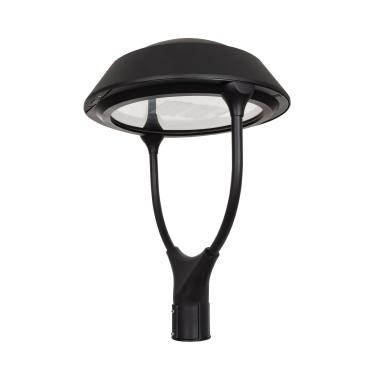
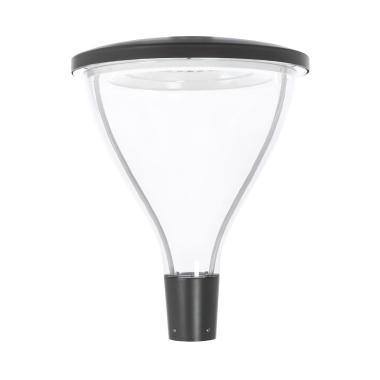
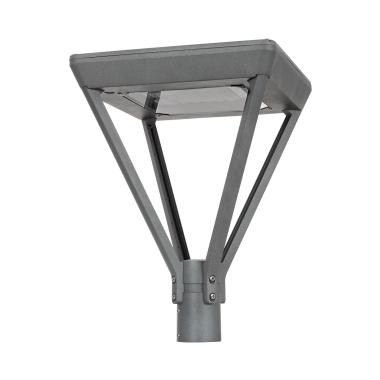
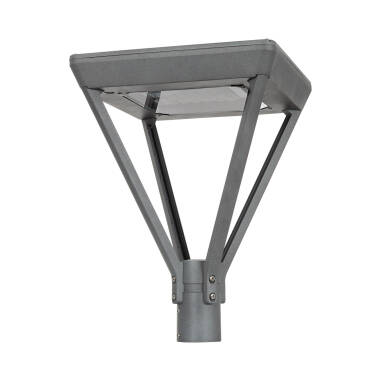
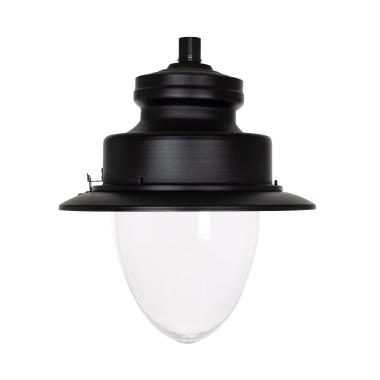
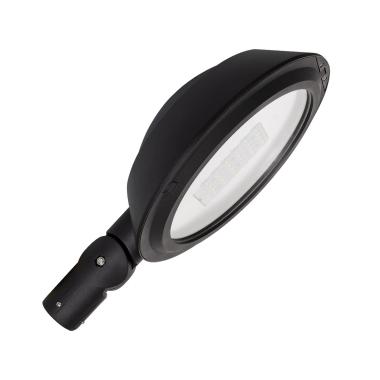
You may also be interested in
About Dimmable LED street lights
Dimmable LED street lights in modern public lighting
Light output control has become standard practice in the design of modern public lighting. Unlike traditional systems that operate permanently at full power, today’s solutions make it possible to adjust light intensity according to time schedules, environmental activity or efficiency criteria defined within the project.
In this context, LED street lights with dimming capability represent a natural evolution towards more flexible, efficient and responsible lighting systems, where light adapts to real space usage rather than the other way around.
What dimming means in an LED street light
A dimmable LED street light allows the emitted light level to be varied by reducing or increasing luminous intensity based on predefined parameters. This adjustment can be applied progressively or through preset scenarios, always with the aim of optimising system performance.
In general terms, lighting dimming makes it possible to:
- Adapt lighting to different time periods
- Reduce energy consumption during low-activity hours
- Maintain appropriate visibility and safety levels
- Extend the lifespan of system components
This approach is particularly relevant in installations that remain operational for many hours each day, as is the case with urban outdoor lighting.
Dimming and visual comfort
Beyond energy savings, dimming has a direct impact on visual comfort. Excessive lighting can be unnecessary or even uncomfortable at certain times, especially in residential areas or locations with limited night-time activity.
The ability to reduce light intensity helps create more balanced environments, minimising glare and improving spatial perception. This gradual adjustment contributes to a more comfortable visual experience and better integration of the lighting system within the urban landscape.
Light output dimming in outdoor lighting projects
In planned outdoor lighting projects, light output dimming is commonly used to adapt lighting to different schedules and activity levels. This approach allows light levels to match real demand, reducing energy consumption without compromising safety or visibility.
This concept is widely applied in installations using street lights for projects, where lighting is designed as a comprehensive system rather than a collection of independent light points. Defining night-time reductions, lighting levels or operating scenarios is part of the design process from the earliest project stages.
Dimming systems for street lights
There are several dimming systems used in LED street lights, each with specific characteristics and typical applications in outdoor lighting. Among the most common are 1-10 V dimming and DALI dimming, both widely implemented in lighting projects.
Street lights with 1-10 V dimming
1-10 V dimming is an analogue system that allows light intensity to be varied via a control signal. Its simplicity and reliability have made it one of the most widely used options in outdoor lighting installations.
This system is commonly used in:
- Lighting installations with night-time power reduction
- Projects with simple dimming schemes
- Systems where ease of implementation is a priority
1-10 V dimming enables predefined power reductions, contributing to significant energy savings without high technical complexity.
Street lights with DALI systems
The DALI system (Digital Addressable Lighting Interface) provides more advanced digital control of lighting. It enables direct communication with individual luminaires or groups of luminaires, allowing for more precise system management.
In outdoor lighting, DALI is used when there is a need for:
- A higher level of control over the installation
- Greater flexibility in system configuration
- Integration with broader lighting management solutions
This type of dimming is common in projects where lighting is conceived as a dynamic and adaptable system.
Energy savings and cost optimisation
One of the main benefits associated with lighting dimming is reduced energy consumption. By avoiding constant operation at full power, the installation significantly lowers electricity usage, particularly during extended night-time operation.
In addition, reducing light output decreases thermal stress on electronic components, helping to:
- Extend luminaire lifespan
- Reduce maintenance interventions
- Improve long-term system reliability
This approach directly results in a lower total cost of ownership for the lighting system.
Sustainability in outdoor lighting
Lighting dimming is a key tool in moving towards more sustainable outdoor lighting. Adjusting light levels to actual space usage prevents energy waste and promotes more responsible resource management.
This approach aligns with current energy efficiency criteria and recommendations for responsible outdoor lighting, both in urban environments and public spaces.
Compatibility with solar solutions
In installations that rely on autonomous power systems, light output dimming becomes even more important. In the case of solar street lights, dimming helps optimise the use of stored energy by adapting light intensity to available power.
solar street lights
Planning and design of dimmable lighting
To fully benefit from dimming, it is essential to consider it from the earliest project design stages. Clearly defining schedules, reduction levels and usage scenarios ensures maximum energy savings without affecting lighting performance.
Proper planning guarantees that dimming is applied consistently and that the system responds effectively to the real needs of the illuminated environment.
An advanced solution for modern outdoor lighting
Dimmable LED street lights are an integral part of current approaches to efficient and adaptable outdoor lighting. Their ability to adjust light levels, reduce energy consumption and improve visual comfort makes them a standard solution in modern public lighting installations.
When integrated into well-designed lighting systems, these solutions support more efficient, responsible installations prepared for present and future urban needs.
Frequently asked questions about dimmable LED street lights
What is a dimmable LED street light?
A dimmable LED street light is an outdoor luminaire that allows light intensity to be adjusted based on parameters such as time schedules or space usage. This capability improves energy efficiency and visual comfort.
Where are dimmable LED street lights used?
They are used in outdoor lighting installations where light levels need to vary over time. Typical applications include streets, urban areas, public spaces and environments with changing activity levels.
What are the advantages of dimming in LED street lights?
Dimming reduces energy consumption, extends luminaire lifespan and avoids unnecessary lighting levels at certain times. It also helps create more visually balanced environments without glare or excessive brightness.
Does dimming affect lighting safety?
No. When properly planned, dimming maintains appropriate visibility and safety levels at all times. Light intensity adjustments are made according to space usage and environmental requirements.
Should dimming be planned from the start of a project?
Yes. To maximise the benefits of dimmable LED street lights, dimming should be considered from the initial design phase. Defining schedules, reduction levels and operating scenarios results in a more efficient and coherent lighting system.