
LED Power Supply
Power supplies for LED strip lights convert electrical current into a stable and safe output, making them essential to ensure performance, durability, and proper operation in any installation.

Our featured products from LED Power Supply
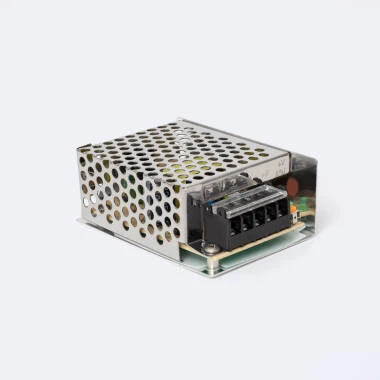
7,79 €
 (10)
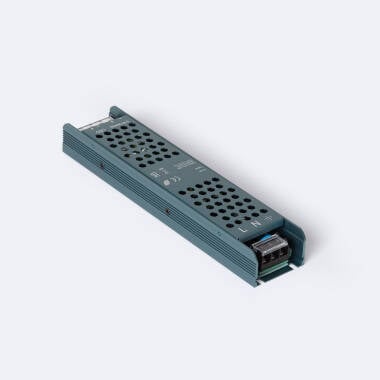
(10)- Wattage 36 W
- Voltage Range 220-240V AC
- Power Factor 0.95
6 options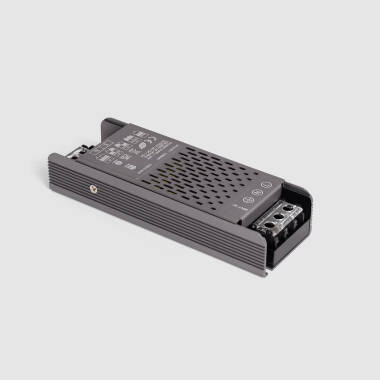
Expert
11,19 €
Ref 127971
AluminiumAdjustable24V DC Power Supply Dimmable in Intensity Fade PRO
In Stock, delivery in 15-20 days
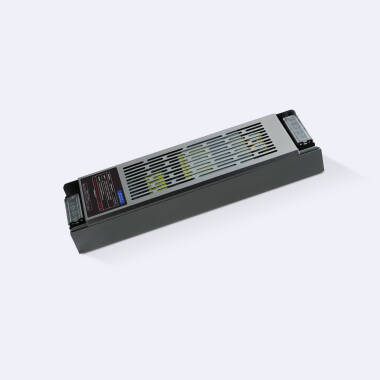
- Wattage 36 W
- Voltage Range 220-240V AC
- Power Factor 0.8
6 options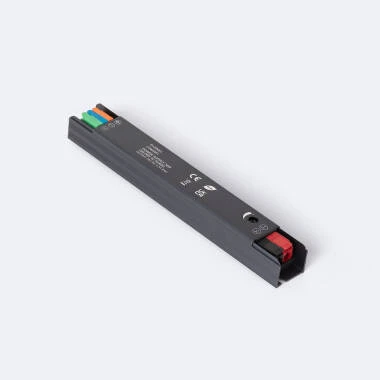
11,29 €
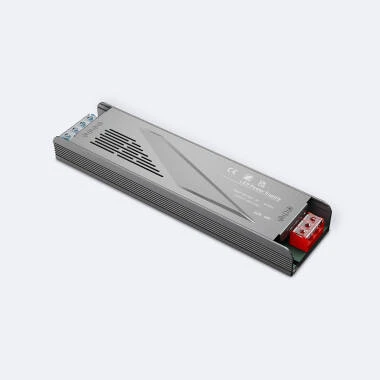
- Wattage 36 W
- Voltage Range 220-240V AC
- IP Rating IP40
5 options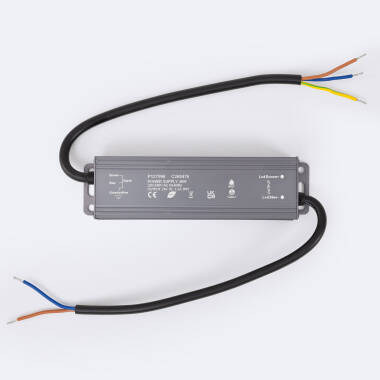
14,29 €
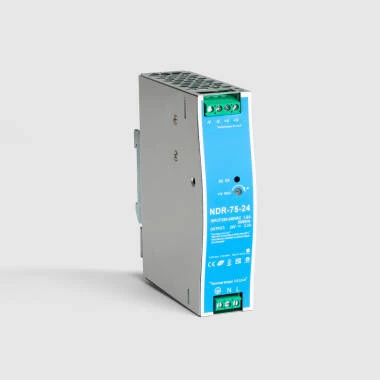
- Wattage 36 W
- Voltage Range 220-240V AC
- Power Factor 0.95
5 options




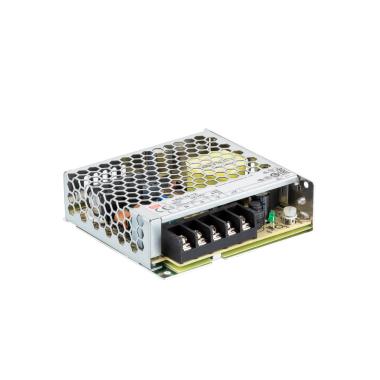
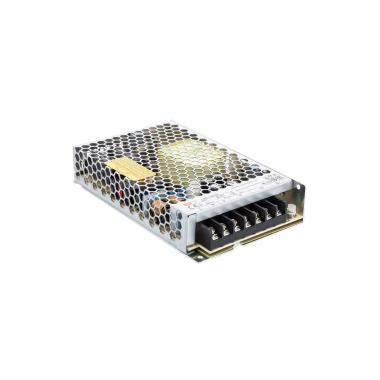
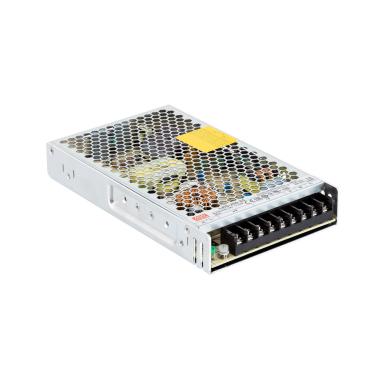
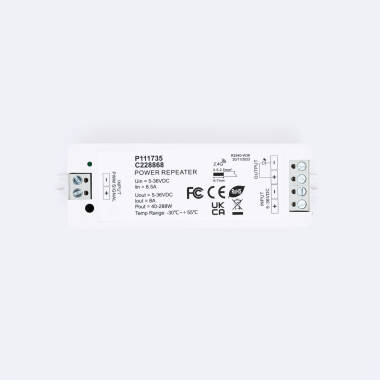
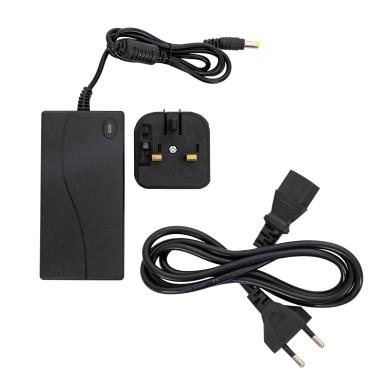
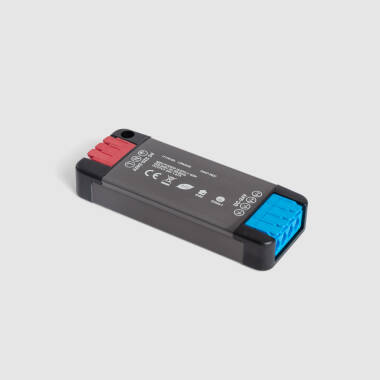
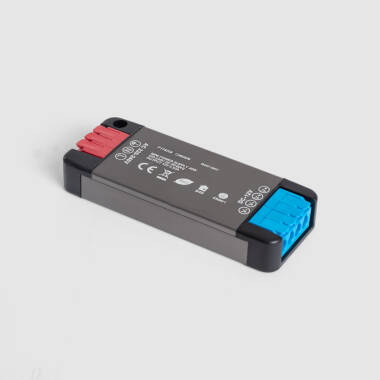
![[NO ACTIVAR] EasyFit 12V Garden Lights - 150W Transformer](https://www.ledkia.com/905731-product_380x380/no-activar-easyfit-12v-garden-lights-150w-transformer.jpg)
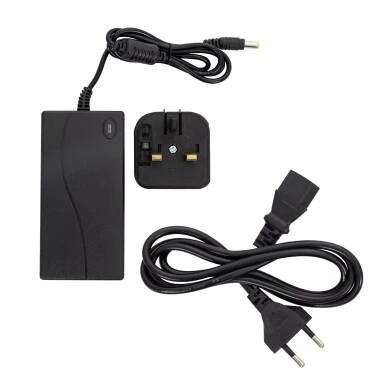
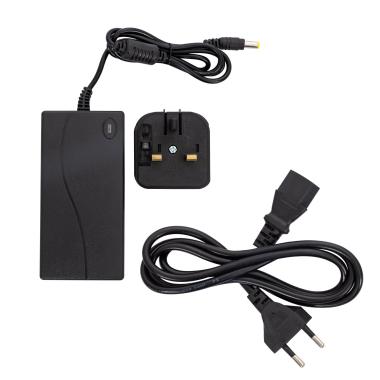
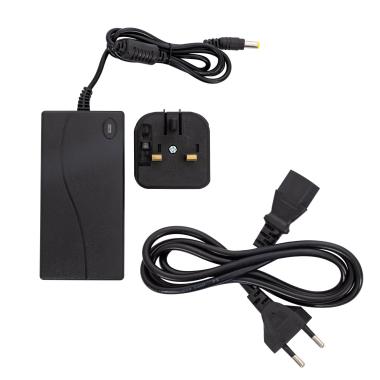
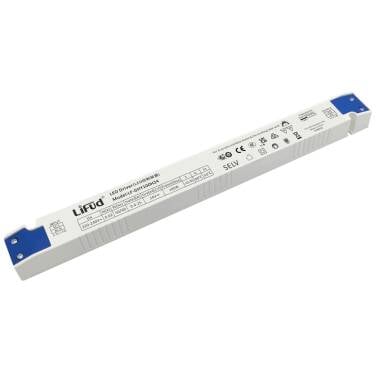
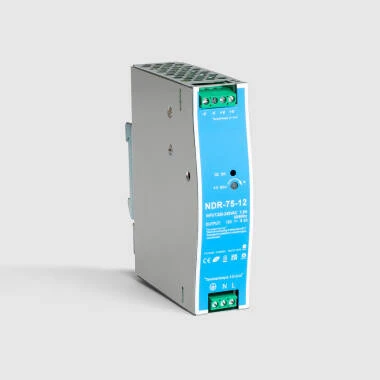
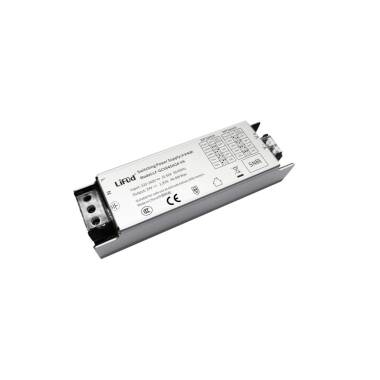
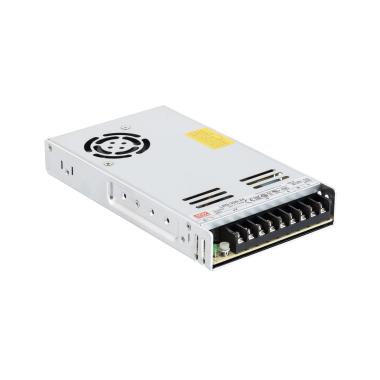
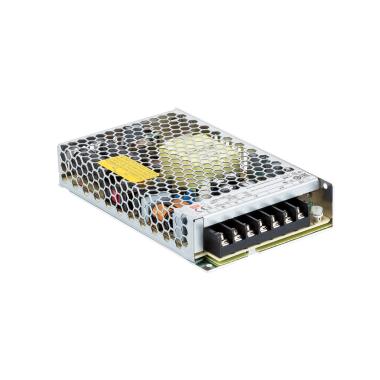
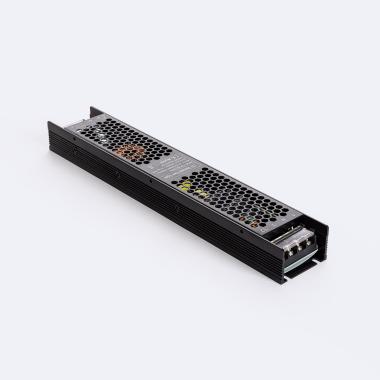
Brands related to this category


About LED Power Supply
LED strip lights operate at low voltage and require a suitable power supply to convert mains electricity (230V AC) into stable direct current (DC). This component, often hidden within the installation, plays a key role in ensuring lighting performance, system stability, and the lifespan of the strips.
What are power supplies for LED strip lights
Power supplies for LED strip lights are electronic devices designed to convert alternating current into direct current at a specific voltage, typically 12V, 24V, or 48V. Their main function is to deliver a constant and stable voltage so that LED strips operate correctly without fluctuations or overload.
Within the context of Low Voltage LED Strip Lights, these power supplies are essential, as this type of lighting cannot be connected directly to the mains. In addition to voltage conversion, they also protect the system against surges, short circuits, and overloads.
Types of power supplies by voltage
The output voltage of the power supply must always match that of the LED strip. Choosing the wrong unit can lead to inefficient performance or even permanent damage to the installation.
12V Power Supplies
12V Power Supplies are commonly used in smaller installations or where flexibility in format is required. This voltage is typical in decorative lighting, furniture integration, indirect lighting, or projects with short runs.
One of their main characteristics is that they require higher current (amps) to achieve the same power as higher-voltage systems, which means larger cable cross-sections are needed in longer installations.
24V Power Supplies
24V Power Supplies are currently the standard in many professional and residential installations. They allow for longer runs without significant voltage drop and provide greater stability in light output.
This type of power supply is particularly suitable for continuous lighting applications, such as ceiling light lines, architectural lighting, or commercial environments where uniformity is essential.
48V Power Supplies
48V Power Supplies are designed for more technical or large-scale installations. Thanks to the lower current required for the same power, they reduce electrical losses and enable more efficient systems.
They are used in large-scale projects, where long distances or energy efficiency are key factors, such as extended linear lighting systems or professional installations.
How to choose the right power supply
Selecting the correct power supply is essential to ensure safe and efficient system performance.
Power calculation
The first step is to calculate the total power required for the installation. This is done by multiplying the LED strip’s power consumption per meter (W/m) by the total installed length.
For example, a 10W/m strip installed over 5 meters requires 50W. A safety margin of approximately 20–30% should be added, resulting in a recommended power supply of at least 60–65W.
It is also important to consider the actual efficiency of the power supply (typically between 85% and 90%).
Installation compatibility
It is important to ensure that the power supply is suitable for the installation environment: indoor or outdoor use, available ventilation, and physical space.
In enclosed or built-in installations, heat dissipation becomes especially important. Poor ventilation can reduce performance and shorten the lifespan of the unit.
Protection and IP rating
The installation environment determines the required protection level. For dry indoor environments, an IP20 power supply may be sufficient. However, for outdoor or humid areas, IP65 or higher is recommended.
This ensures protection against dust, moisture, and splashes, preventing premature failure.
Types of power supplies by format and use
Beyond voltage, power supplies also differ in design and installation type.
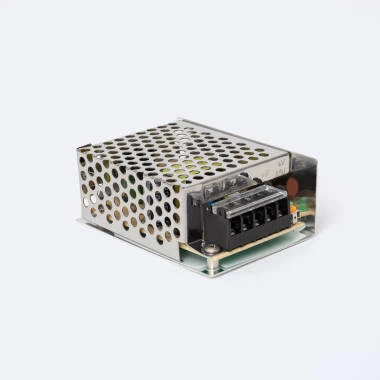
Open frame (industrial) power supplies
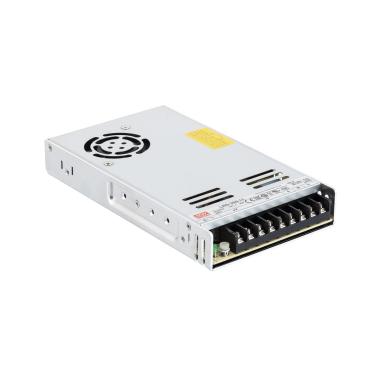
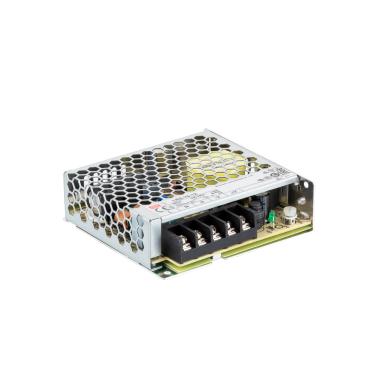
These are commonly used in technical installations or electrical panels. They offer a good balance between cost and performance, as well as efficient heat dissipation, but require protected installation.
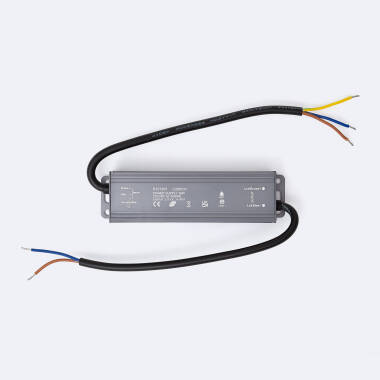
Enclosed or encapsulated power supplies
Designed for easier installation, these units include protective housing and built-in safety features. They are commonly used in residential and commercial projects where safety and aesthetics are important.
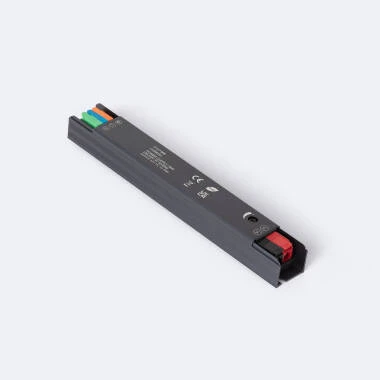
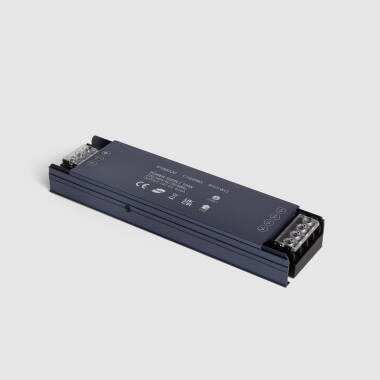
Slim or low-profile power supplies
These are used in applications with limited space, such as furniture, suspended ceilings, or aluminum profiles. Their compact design allows for discreet integration without compromising the final result.
Integration with LED strip systems
Power supplies are part of the overall electrical system and must be sized considering all components involved.
In addition to powering the LED strip, they are connected to other LED Strip Accessories, such as connectors or controllers, which allow the system to be adapted to different needs. In more advanced setups, such as dimmable or RGB systems, the power supply provides energy to the controller, which then manages the signal sent to the strip.
Taking this relationship into account during the design phase helps avoid compatibility issues, improves system stability, and enables more precise lighting control.
Typical applications of power supplies for LED strip lights
Beyond the LED strip itself, the power supply must be adapted to the use case, operating conditions, and installation requirements.
Residential lighting
In residential environments, the focus is on compact formats, low noise levels, and ease of integration. Enclosed or slim power supplies are commonly used in suspended ceilings, furniture, or hidden areas, maintaining controlled operating temperatures.
Commercial lighting
In commercial settings, power supplies must operate reliably for long periods. Models with good thermal management, efficiency above 85%, and overload protection are preferred, as any failure directly impacts lighting continuity.
Technical and architectural projects
In larger-scale installations, such as offices, hotels, or architectural projects, power supplies are selected based on more demanding criteria: voltage stability, compatibility with control systems, and the ability to power long runs without significant losses.
In these applications, 24V or 48V systems are commonly used, as they reduce current, minimize voltage drop, and improve overall system performance.
Efficiency, safety, and lifespan
A high-quality power supply ensures not only immediate operation but also long-term system reliability.
Energy efficiency
Modern power supplies achieve efficiencies above 85–90%, reducing energy losses in the form of heat. This improves overall consumption and system stability.
System protection
Built-in protections against overload, short circuits, and voltage surges prevent damage to both the LED strip and the power supply. This is especially important in continuously operating installations.
Lifespan
A properly sized and installed power supply can easily reach between 30,000 and 50,000 operating hours. Factors such as ventilation, load level, and component quality directly influence this.
Frequently asked questions about power supplies for LED strip lights
What happens if I use an undersized power supply?
If the unit does not provide enough power, it will operate at its limit, potentially causing overheating, intermittent shutdowns, or a significantly reduced lifespan.
Can I use a higher power supply?
Yes, as long as the voltage is correct. A higher-rated power supply does not overload the system—it simply operates with more margin, improving efficiency and durability.
Is 12V or 24V better?
24V generally offers better performance in medium to long installations, as it reduces voltage drop. 12V is more common in smaller or highly specific projects.
Where should the power supply be installed?
It should be installed in a ventilated location, accessible for maintenance, and protected from moisture and extreme temperatures. Avoid enclosed spaces without ventilation.
Do I need a different power supply for RGB or dimmable strips?
The power supply must match the required voltage and power, but control is handled via an additional controller. Proper system sizing is essential to avoid performance issues.