
Spotlight for Single-Circuit track
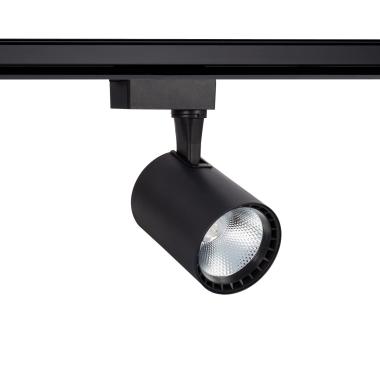
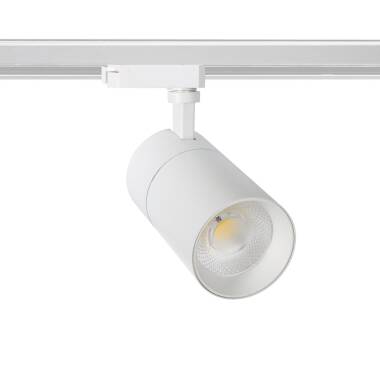
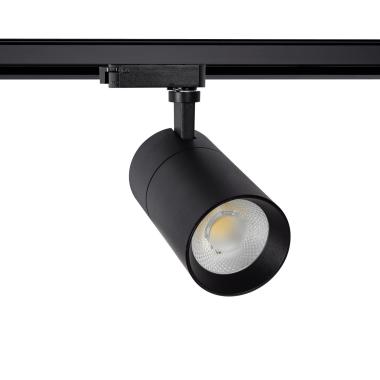
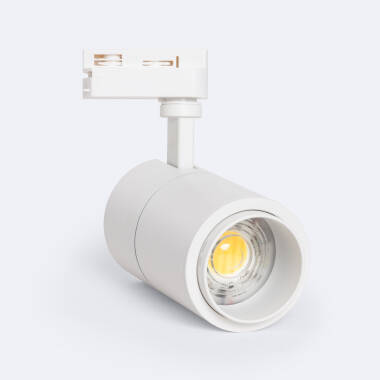
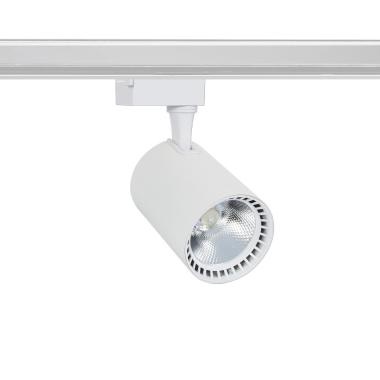
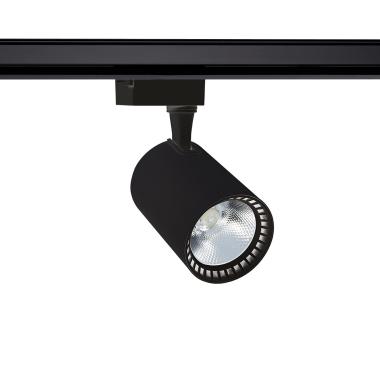
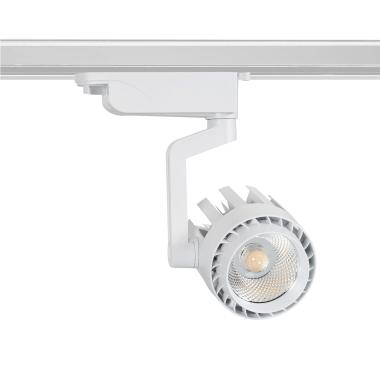
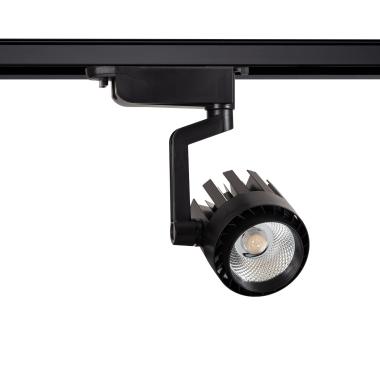
LED single-phase track lights allow for the creation of adjustable, flexible, and easy-to-adapt lighting in stores, contract spaces, and homes with a modern technical aesthetic.

Our featured products from Spotlight for Single-Circuit track
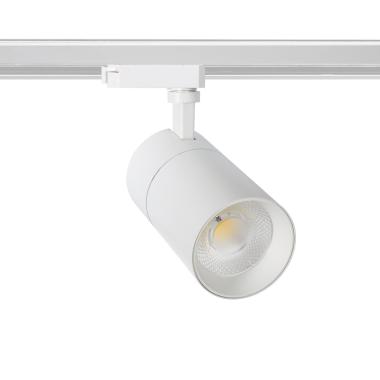
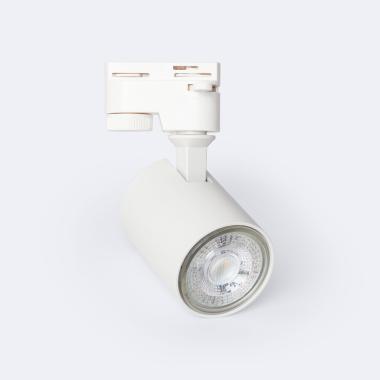
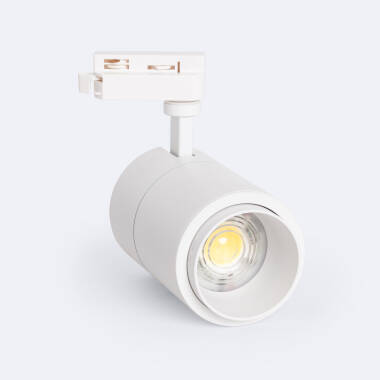
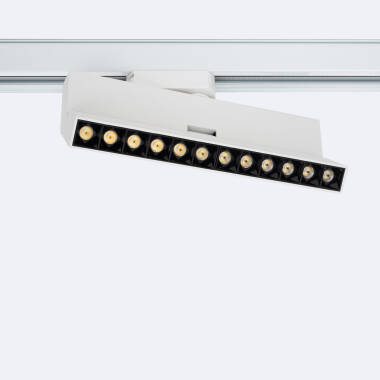
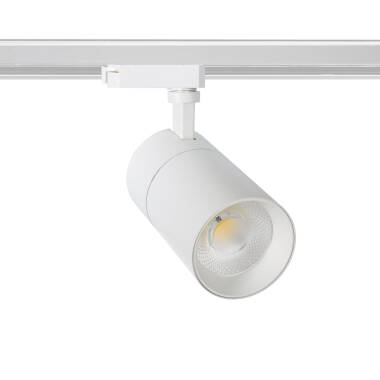
Advanced
28,49 €
- Wattage 20 W
- Voltage Range 220-240V AC
- Lumen 2000 lm
3 options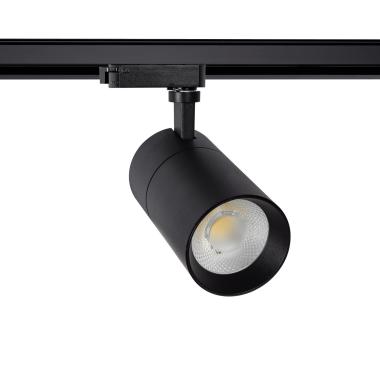
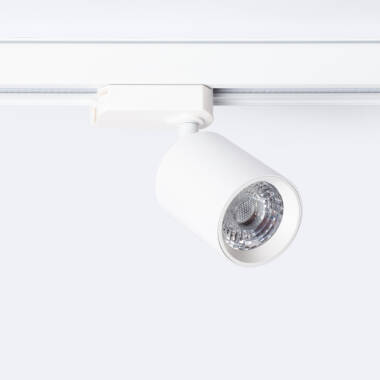
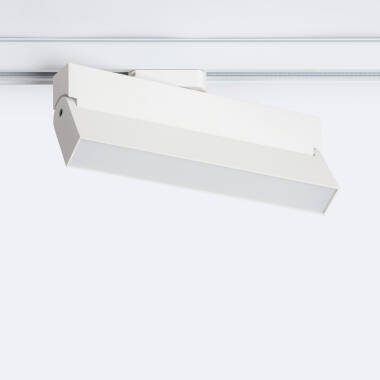
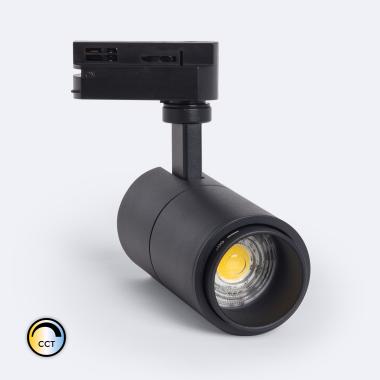
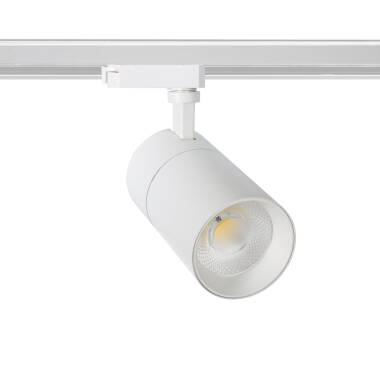
Advanced
28,49 €
- Wattage 20 W
- Voltage Range 220-240V AC
- Lumen 2000 lm
3 options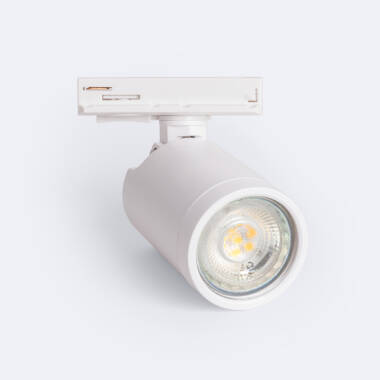
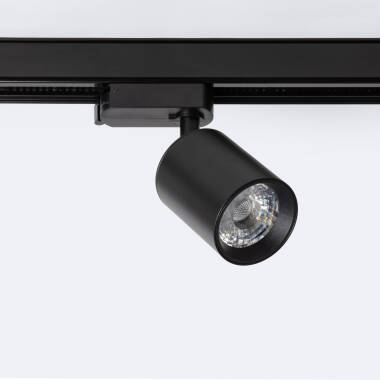
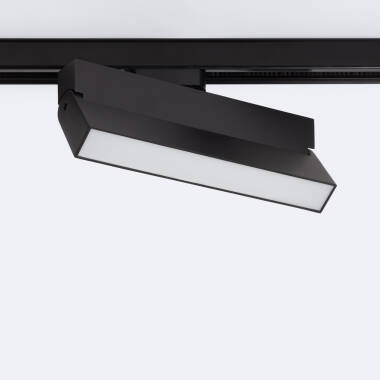
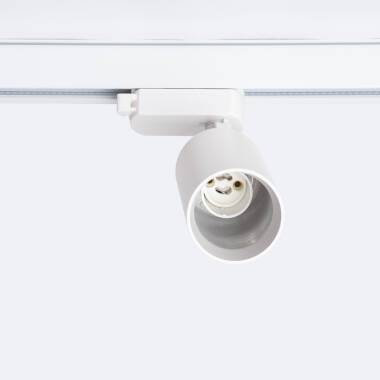
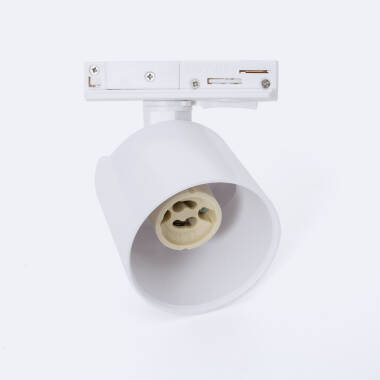
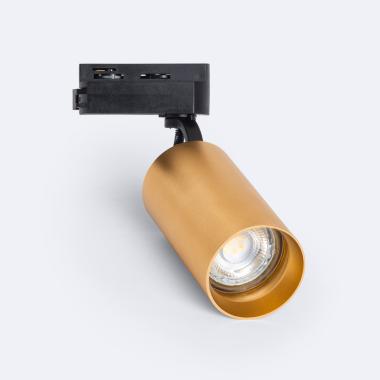
Essential
10,79 €
 (2)
(2)- Voltage Range 220-240V AC
- Cap Code GU10
- Diameter 55 mm
2 options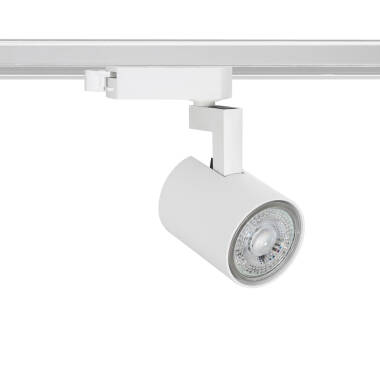
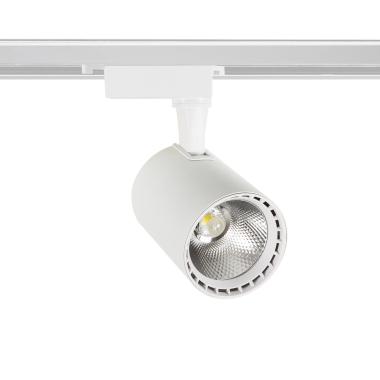
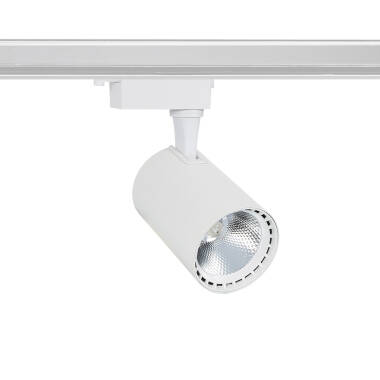
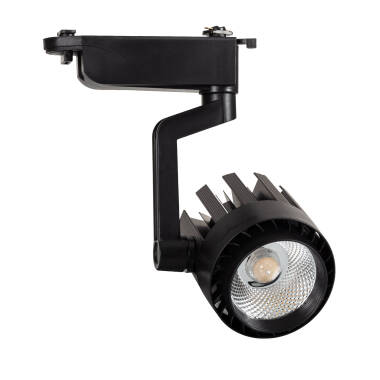
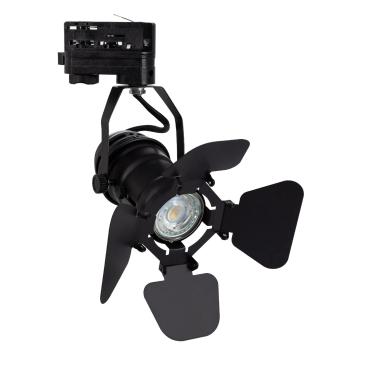
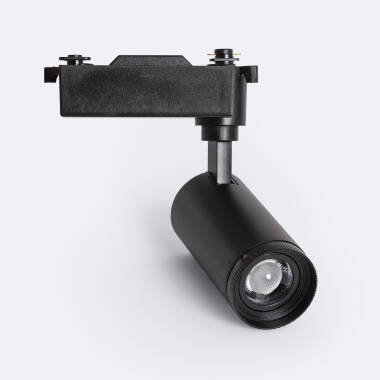
Essential
13,49 €
(7)- Max Wattage 40 W
- Diameter 56 mm
- IP Rating IP20
2 options






About Spotlight for Single-Circuit track
Among the different types of LED track lights, the single-phase system stands out for its simplicity of installation, ease of use, and its capacity to reorient light freely.
What are LED single-phase track lights
LED single-phase track lights are adjustable luminaires installed on an electrified track with a single ignition line. This means that all lights connected to the same section are activated at the same time, unless the installation has been divided into several independent lines.
Their main advantage is that they allow points of light to be moved, added, or removed without modifying the ceiling installation. The light is fixed to the track via a compatible adapter and, once placed, can be moved and oriented toward the area of interest. This flexibility is especially useful in spaces where the layout of products, furniture, or decoration changes.
Compared to other more complex track systems, the single-phase version responds to a clear logic: offering freedom of positioning and directed lighting without the need to sectorize circuits within the same track. This makes it a very common solution in small and medium-sized shops, cafes, homes, studios, or spaces where independent control by groups is not required.
When to choose LED single-phase track lights
Lighting using single-phase tracks is a good choice when adjustable and flexible lighting is needed, but not advanced management of scenes or independent circuits. In a small store, for example, it is common for the entire track line to function at the same time. If there is no real need to separate the lighting by zones, the single-phase system is sufficient and simpler to plan.
It also fits well in renovations or projects where the goal is to modernize the lighting with a clean and adaptable solution. In housing, it allows for lighting a kitchen island, a dining table, a bookshelf, or a decorative wall with more freedom than a fixed luminaire. In hospitality and contract settings, it helps reinforce bars, tables, access areas, or decorative elements while maintaining a consistent technical aesthetic.
Technical criteria for choosing a single-phase track light
Choosing an LED single-phase track light is not just about deciding on design or power. The final result depends on how luminous flux, beam angle, color temperature, color rendering, and visual comfort are combined.
Power and lumens
Power in watts only makes sense if it is related to the real luminous flux. In this category, it is common to find lights from 10W up to 35W or 40W, with approximate fluxes ranging from about 900 to over 3,500 lumens depending on the equipment size, efficiency, and optics.
In a small shop, a display case, a counter, or a residential bookshelf, well-directed lights of 1,000 to 2,000 lumens are often sufficient. In spaces with higher ceilings or when the light must also provide part of the general lighting, it may be necessary to move up to a higher level. Rather than looking only at power, it is worth considering the real effect of the light once installed.
Beam angle
The beam angle determines how the light is distributed. In this category, it is most useful to distinguish between narrow apertures (below 30°) suitable for highlighting products, displays, or specific details; medium apertures (between 30° and 60°) which are very balanced for general commercial accenting; wide apertures (between 60° and 90°) designed for more open coverage; and very wide apertures (above 90°) for general or support lighting.
The choice should relate to the height of the space and the lighting scene you wish to create. On low ceilings, a beam that is too wide can reduce contrast. At higher heights, a beam that is too narrow can concentrate light more than desired.
Color temperature
Color temperature directly influences the perception of the space and the product. In retail and contract, 3000K is widely used when seeking a warm and welcoming atmosphere. 4000K offers a more neutral and defined sensation, useful when a cleaner reading of the space is desired.
In housing, warm temperatures usually fit better in living rooms, dining rooms, or bedrooms, while in kitchens, studios, or work areas, neutral light may be more appropriate.
Color Rendering Index
CRI is especially important in stores and exhibitions because it determines how colors are actually perceived. In fashion, cosmetics, decoration, food, or art, working with a CRI of 90 or higher is usually the most consistent option to avoid altering the perception of the product.
Orientation and visual comfort
In addition to emitting light, the fixture must be able to orient well and do so without generating visual discomfort. In spaces with low ceilings or where the customer has the luminaire within their field of vision, it is worth considering deeper optics, anti-glare accessories, or designs that better control the light source.
Common applications of LED single-phase track lights
Although this category is primarily associated with commerce, its use has expanded significantly in recent years thanks to its versatility and aesthetic integration into contemporary projects.
Stores and small retail
In fashion, decoration, specialized food, or technology shops, LED single-phase track lights allow for highlighting products, reinforcing display walls, and accompanying the customer's journey with a simple installation. When the collection or layout changes, the lights can be repositioned and reoriented without redoing the installation.
Hospitality and contract spaces
In cafes, restaurants, receptions, or small hotels, this system is used to illuminate bars, tables, decorative areas, paintings, or interior paths. The advantage is that it allows for directed and flexible lighting without complicating the setup.
Contemporary housing
In residential settings, it is increasingly used in open kitchens, living rooms, hallways, studios, or dining areas. It allows for accompanying an island, a table, a bookshelf, or a wall with paintings with more freedom than a fixed luminaire, and fits well in projects seeking a technical and clean aesthetic.
Small offices and studios
In offices and small-scale workspaces, it can serve to reinforce desks, meeting areas, walls, or specific points of the project without resorting to a complex installation.
How to plan the installation of a single-phase track system
Planning should start with a clear idea: which areas need accentuation and which require more open light. From there, the length of the track, the number of lights, their power, their aperture, and their orientation are defined.
In small spaces, the system usually works best when the light is directed at products, furniture, or specific planes, rather than trying to solve the entire lighting of the space solely with track lights. In housing, it can be used as a flexible infrastructure to visually organize a specific area without compromising future layout changes.
It is also advisable to check the ceiling height and visual comfort. At heights near 2.5 or 3 meters, it is important to avoid excess power and carefully control glare. In all cases, it is recommended to leave some margin to add or reposition a light if the space evolves.
Frequently asked questions about LED single-phase track lights
When should I choose LED single-phase track lights?
They are a good option for small and medium-sized stores, homes, cafes, small showrooms, or spaces where light needs to be oriented but circuits do not need to be separated within the same track.
Can the lights be moved once installed?
Yes. That is one of their main advantages. They can be moved along the track and reoriented as furniture, products, or space distribution changes.
What is the difference compared to a three-phase track?
A three-phase track allows for several independent circuits within the same track. The single-phase works with a single switch-on, making it simpler when sectorization is not necessary.
Are they only for stores?
No. Although their commercial use is very frequent, they also work very well in hospitality, small offices, studios, and homes.
What should I check before choosing a model?
It is advisable to check compatibility with the track, luminous flux, beam angle, color temperature, CRI, and the level of adjustment the luminaire allows.