
DC Silent Ceiling Fans
If you’re looking for restful comfort without annoying noise, this selection is made for you. Quiet fans with DC motors stand out for smooth, stable operation, low energy use in continuous running, and a pleasant breeze even at low speeds—ideal for bedrooms and spaces where silence matters.
Our featured products from DC Silent Ceiling Fans
- -24%

Before 70,99 €
53,99 €
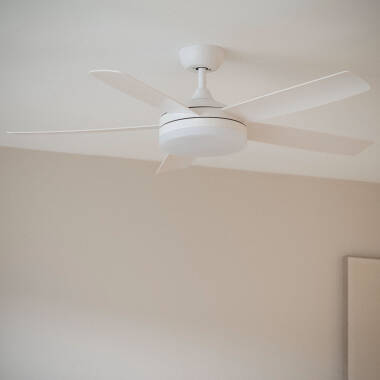
Ref 178172
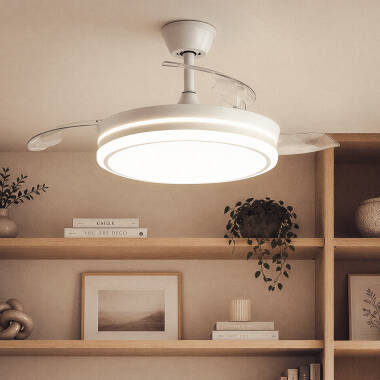
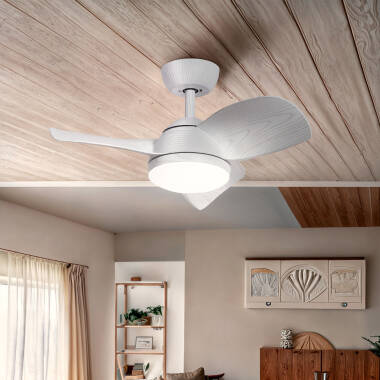
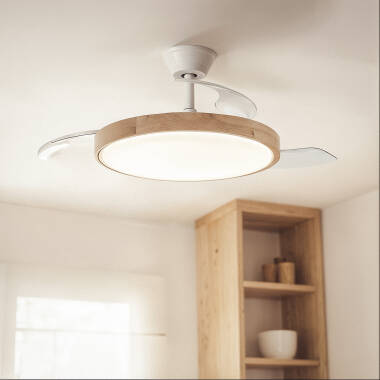
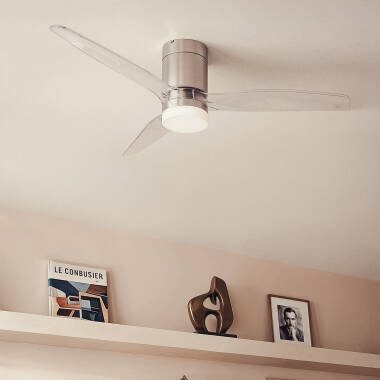
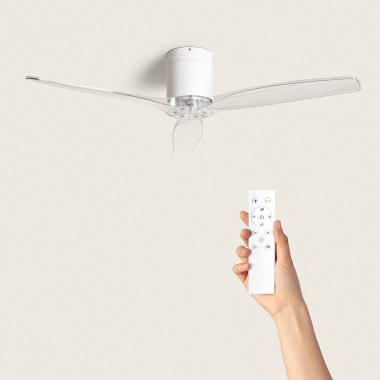
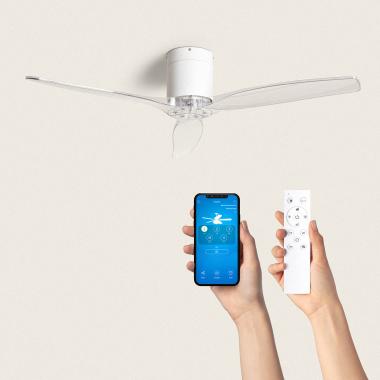
With LightAdjustableNewDalori Evo Silent Ceiling Light with DC Motor & Retractable Blades
White / Transparent
In Stock, delivery in 15-20 days
- -38%

Before 150,99 €
92,99 €
 (1)TECHBREY
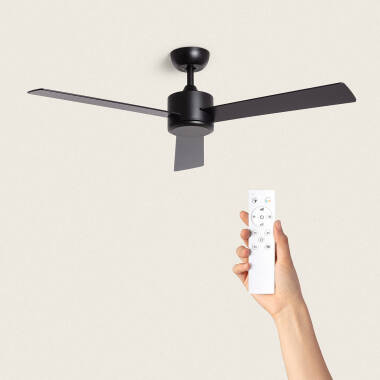
Ref 117533
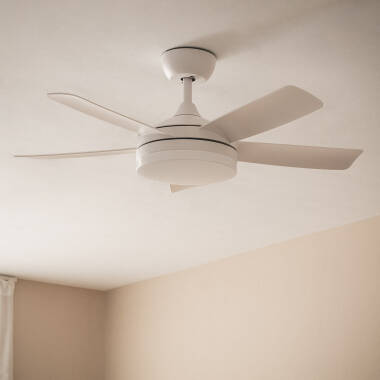
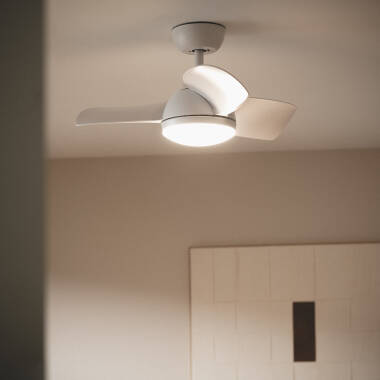
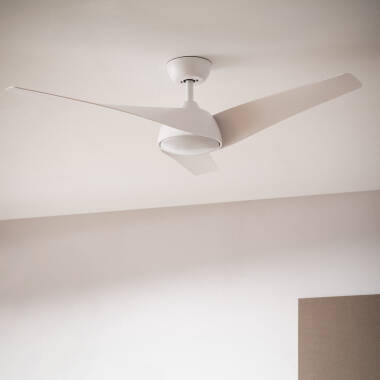
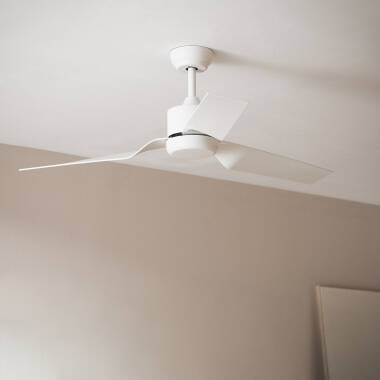
AdjustableNewPatroclo Silent Ceiling Fan with DC Motor in White 106cm
Remote - With light
In Stock, delivery in 15-20 days
83,99 €
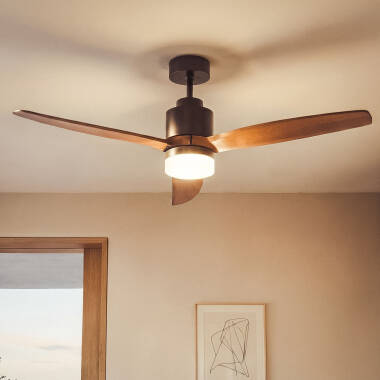
Ref 178167
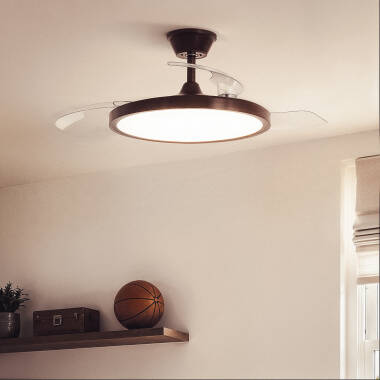
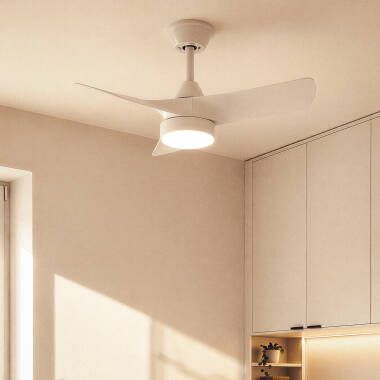
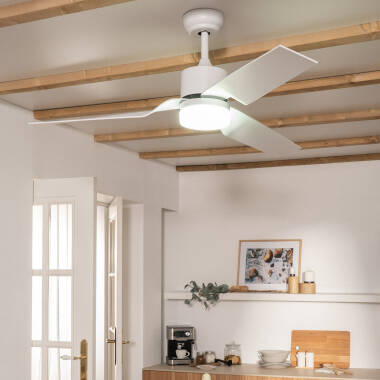
AluminiumAdjustableNewKleon Silent Ceiling Fan with Light DC Motor & Retractable Blades
Brown / Transparent
In Stock, delivery in 15-20 days
- -34%

Before 89,99 €
58,99 €
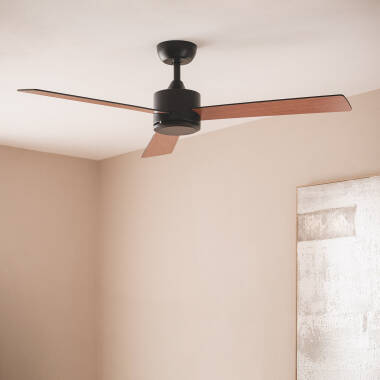
Ref 178181
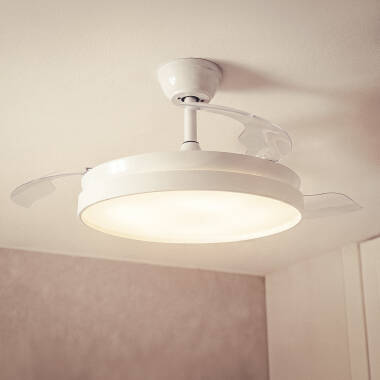
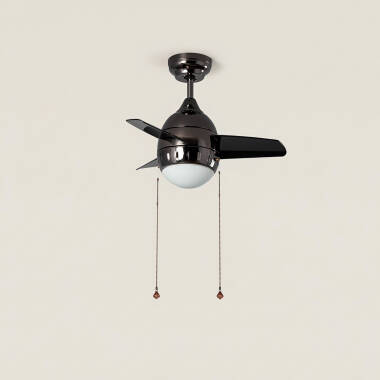
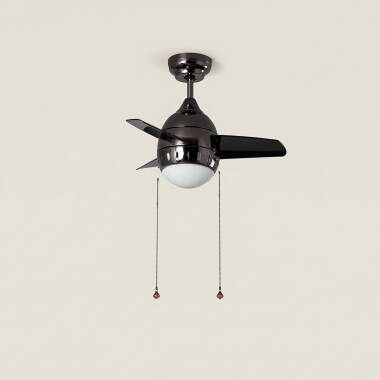
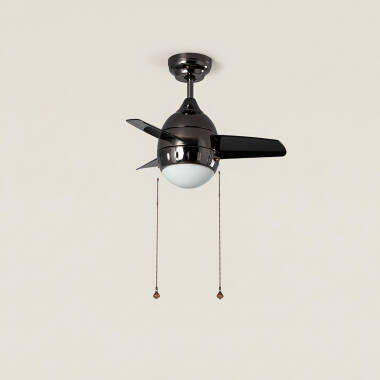
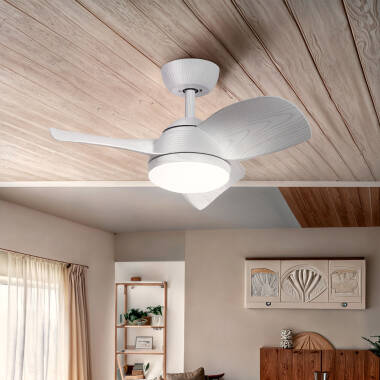
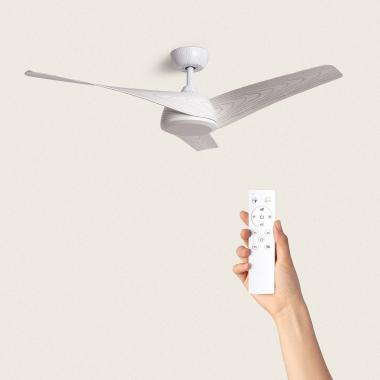
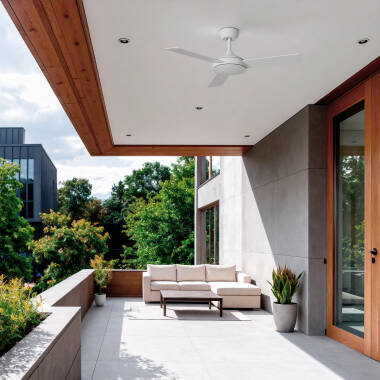
AdjustableNewNavy Evo Silent Ceiling Fan with Light DC Motor & Wood Blades
Nickel / Wood
In Stock, delivery in 15-20 days










You may also be interested in
Brands related to this category


About DC Silent Ceiling Fans
Noise level is, without a doubt, one of the key factors when choosing ceiling fans, and it’s often something people overlook until the fan is already installed. A quiet fan isn’t just a nice-to-have—it’s essential in bedrooms, home offices, and living rooms, where constant humming or rattling can be very irritating and interfere with sleep, work, or simply enjoying your favourite series.
Why choose a DC motor when you prioritise silence
In real-world use, the motor is what makes the difference. DC motors tend to run more efficiently at low RPM, and you’ll notice that both in energy use and in day-to-day comfort. Because you can keep a steady speed with a gentle breeze, there’s less need to “push” the fan—so noise is reduced too.
On top of that, many models offer more speed levels than traditional motors, making it easier to find the sweet spot between airflow and quiet. In a bedroom, for example, that fine control is often what makes you forget it’s even on.
When they’re the best choice
A quiet DC model is an especially good fit if you’ll use it for many hours in a row, if you’re sensitive to noise while sleeping, or if you want an efficient day-to-day solution. It’s also a smart choice in living rooms where you want continuous airflow without the motor sound competing with the TV or conversation.
If you also want to combine airflow and lighting in one point, you can pair the “quiet” criterion with a ceiling fan with light from the available options.
On the other hand, for porches, covered terraces, or semi-enclosed areas, being quiet isn’t enough: the fan must be built to handle humidity, dust, and temperature changes. In that case, it’s best to choose outdoor ceiling fans designed for that environment, to ensure durability and stable performance.
Noise in ceiling fans
When we say “quiet”, it’s worth distinguishing between motor noise and air noise. A quality DC motor usually reduces the former noticeably, but airflow will always create a slight sound presence—especially at higher speeds. That’s why the key is often using low or medium speeds, where comfort is highest and noise is minimised.
Installation matters too. A fan that’s firmly mounted and properly levelled will run more steadily with fewer vibrations, helping keep things quiet over time.
Tips to keep them quiet over time
To keep your fan sounding as good as day one, the most important things are a solid installation and regular cleaning. Over time, dust build-up can affect blade balance and create small vibrations. A gentle clean and an occasional screw check are usually enough to keep operation stable.
If you notice a new noise (humming, vibration, or knocking), there’s almost always a specific, easy-to-spot cause: mounting, balance, loose parts, or poorly fitted accessories.
FAQs about quiet DC ceiling fans
What is the quietest ceiling fan on the market?
There isn’t a single “quietest” option for every case, because it depends on the room, the size, and the installation. In general, well-balanced DC models designed to run at low RPM tend to deliver the quietest experience. If you’ll use it in a bedroom, prioritise stable low-speed operation and the right diameter so you don’t need higher speeds.
How many decibels dB should a fan have to be considered quiet?
As a rough guide, a fan is often perceived as quiet when, at low speeds, motor noise is very discreet and doesn’t interfere with rest. Figures vary depending on how and at what distance they’re measured, so it’s more useful to focus on low-RPM performance and overall stability. If your main use is sleeping, ideally the sound at your usual setting should feel more like a “whisper” than a constant hum.
How can I get rid of humming or noise from a ceiling fan?
Start by checking installation: secure mounting, fan level, and screws properly tightened. Then check for vibration caused by blade imbalance (dust or a small misalignment). It’s also worth checking that nothing is rubbing and that decorative parts or diffusers are properly seated. If the hum appears only at a specific speed, sometimes simply switching your usual speed level or re-adjusting the mount solves it.
What is a DC ceiling fan and why is it quieter?
A DC fan uses a direct current motor. In many models, that translates into smoother rotation, better low-RPM efficiency, and finer speed control. Because you can maintain a pleasant breeze without pushing the RPM too high, motor noise is reduced and vibrations are minimised as well.
How much does a DC ceiling fan consume compared to an AC one?
In general, a DC motor tends to use less energy than an AC motor under similar conditions, especially when used for many hours at low or medium speeds. That’s why it’s a great option if you want to run it overnight or for long periods without worrying about consumption.
Is it normal for my ceiling fan to make a knocking sound?
Knocking usually isn’t considered normal. It’s often caused by a loose part, a screw that needs tightening, a downrod that isn’t secured properly, or something rubbing against the ceiling or canopy. It can also happen if the blades are out of balance. Checking the mount and tightening typically resolves it; if it persists, it’s best to have a professional inspect it to ensure a safe installation.