
Kitchen LED Downlights
Kitchen LED downlights offer functional, even and energy-efficient recessed lighting designed for comfortable work on countertops, islands and food preparation areas.
Our featured products from Kitchen LED Downlights
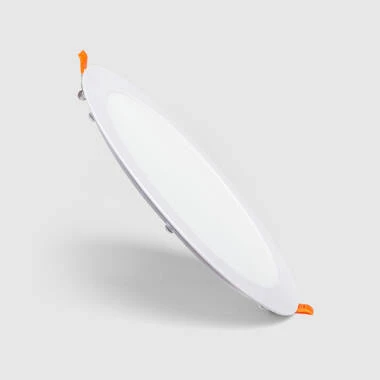
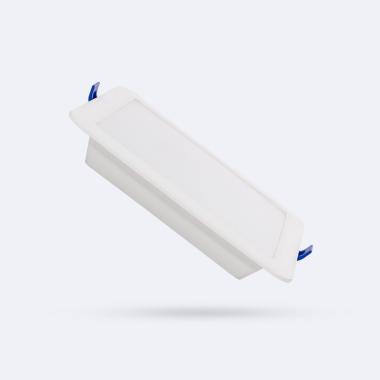
Essential
4,29 €
 (97)
(97)- Wattage 18 W
- Voltage Range 220-240V AC
- Lumen 1800 lm
4 options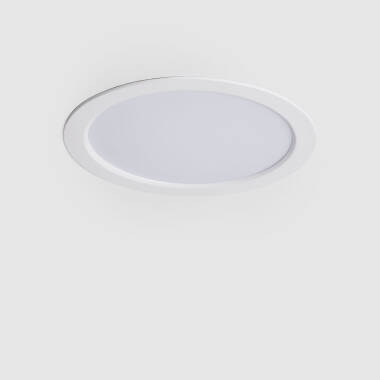
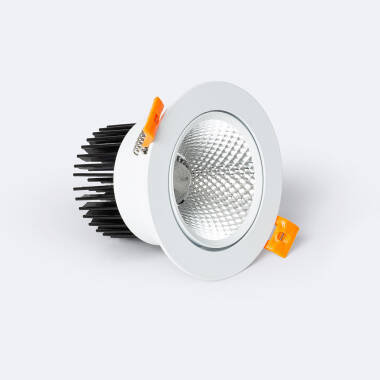
Advanced
12,39 €
Ref 105585
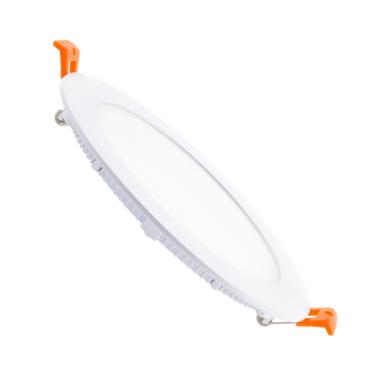
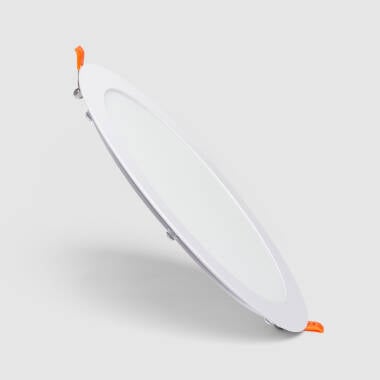
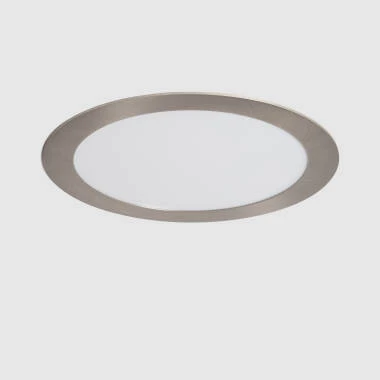
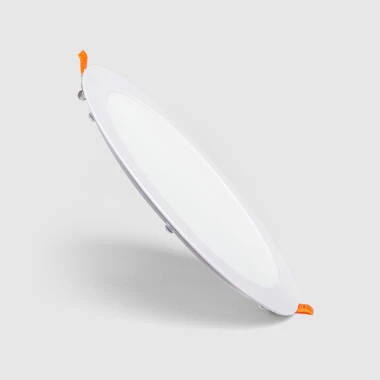
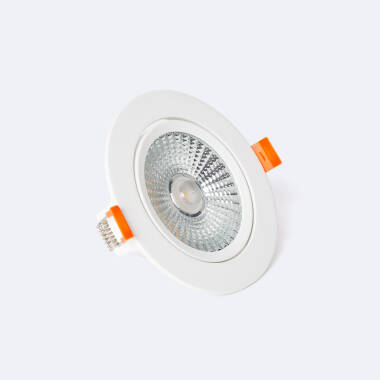
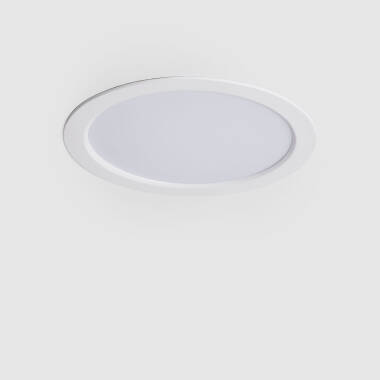
AluminiumRound 18W LED Downlight Ø150mm Cut Out Chip OSRAM Aero 110lm/W LIFUD
In Stock, delivery in 15-20 days
- Wattage 18 W
- Voltage Range 220-240V AC
- Lumen 1980 lm
2 options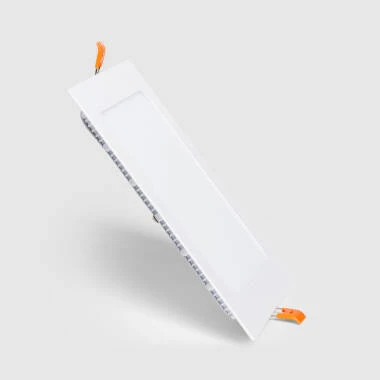
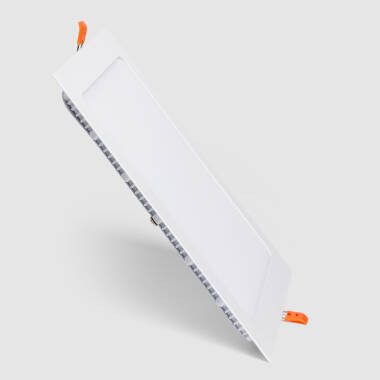
Essential
4,29 €
(5)Ref 221
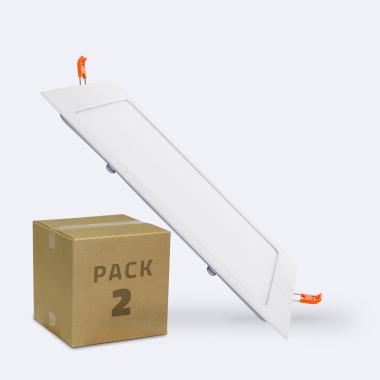
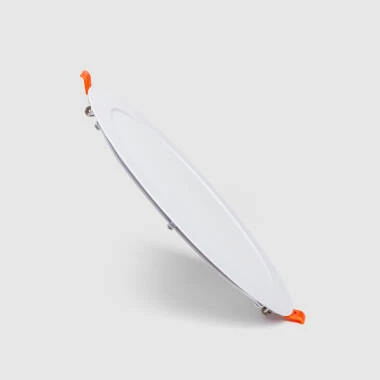
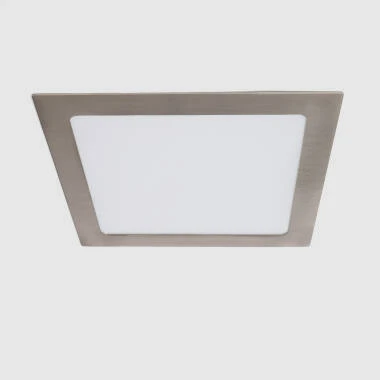
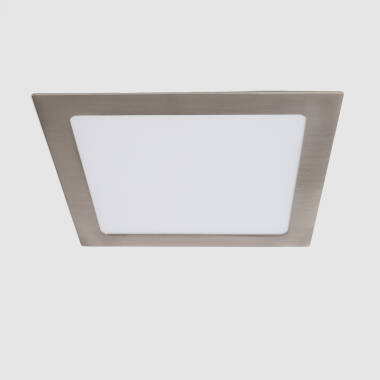
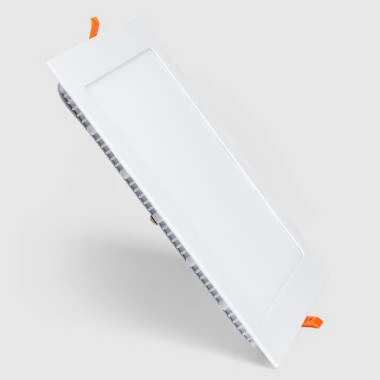
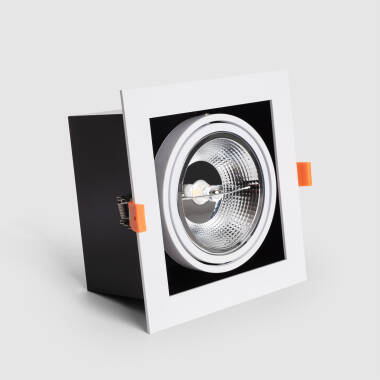
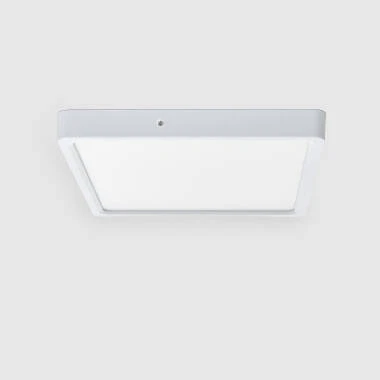
AluminiumSquare SuperSlim 12W LED Downlight 155x155mm Cut Out
In Stock, delivery in 15-20 days
- Wattage 12 W
- Voltage Range 220-240V AC
- Lumen 1200 lm
4 options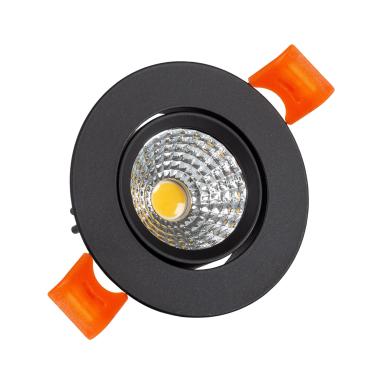
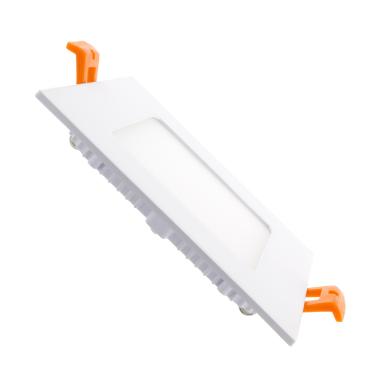
Advanced
12,99 €
(2)Ref 73231
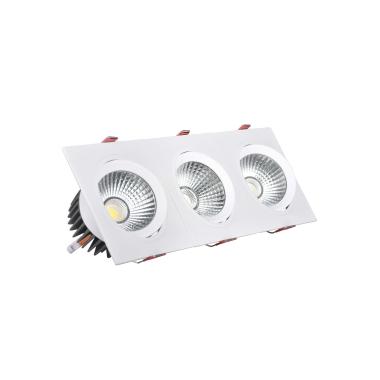
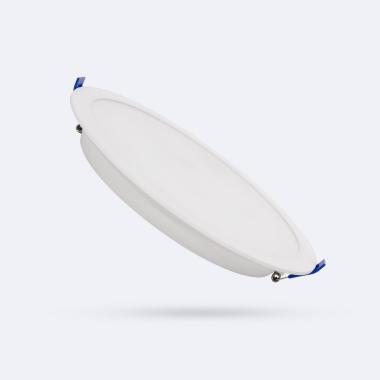
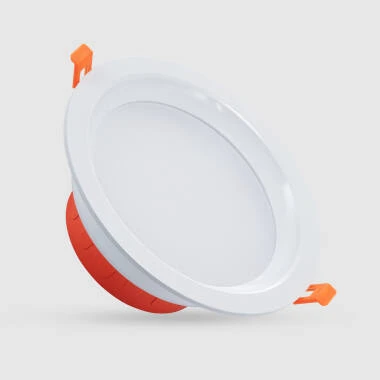
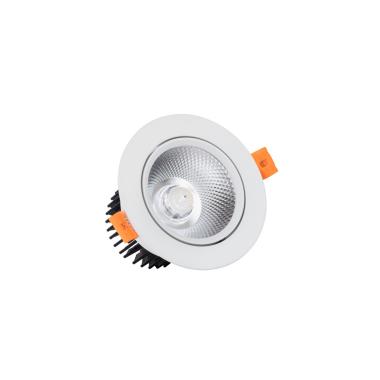
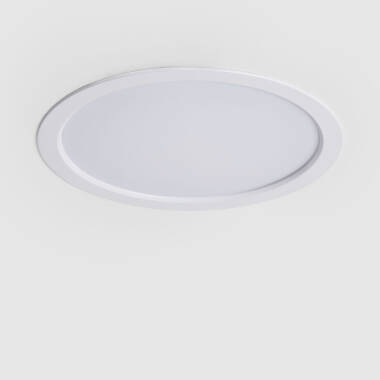
AluminiumRound 15W LED Downlight Ø90mm Cut Out COB CRI90 in Black
In Stock, delivery in 15-20 days
- Wattage 15 W
- Voltage Range 220-240V AC
- Lumen 1400 lm
3 options






You may also be interested in
About Kitchen LED Downlights
The kitchen is one of the rooms where lighting plays the most practical role. It is not enough for the space to look attractive: the light must allow you to chop, cook, clean, read labels, distinguish foods and move around safely. For this reason, LED downlights are widely used in kitchen ceilings, especially when integrated, easy-to-distribute and low-consumption lighting is required.
LED lighting for kitchens
LED kitchen lighting should combine good visibility, visual comfort and suitable light distribution across work areas.
Within the range of LED downlights, kitchen models stand out for their ability to create clean general lighting without taking up visual space. Because they are recessed into the ceiling, they keep the room uncluttered and integrate well into both modern kitchens and refurbishment projects where older lighting is being replaced with more efficient technology.
Kitchen lighting must meet several needs at the same time. General lighting allows people to move around safely and see the room as a whole. Task lighting should reinforce countertops, the sink, the cooking area and the island. Ambient lighting, where included, helps soften the atmosphere in kitchens that open onto a living or dining area.
Downlights work particularly well as the basis of general lighting. When positioned correctly, they reduce pronounced shadows and create even illumination. However, kitchens with wall cabinets, shelves or cooker hoods may also require under-cabinet lighting, LED strips or other kitchen lights in specific areas to prevent shadows from falling across the countertop.
Design also influences the final result. Square LED downlights can be a good option in kitchens with straight lines, contemporary furniture, a central island or a highly geometric layout. Their shape allows clean alignment with cabinets, countertops and working aisles, reinforcing the sense of order across the ceiling.
In small kitchens, round or shallow downlights are generally easy to integrate and make better use of suspended ceilings with limited recess depth. In large or open-plan kitchens, it may be useful to create separate circuits: one for general lighting, another for the work areas and another for ambient lighting. This allows only the necessary lights to be switched on at any given time and improves energy efficiency.
A kitchen generally requires more light than a living room or bedroom. For general lighting, levels of around 200–300 lux may be suitable. In work areas such as countertops and islands, approximately 300–500 lux is recommended to allow tasks to be carried out more accurately. When handling food, knives, small appliances or carrying out frequent cleaning, insufficient light can create shadows and visual fatigue.
Ideal colour temperature for a kitchen
Kitchen colour temperature should balance functional clarity and comfort, particularly when the room is connected to a living or dining area.
In a separate kitchen, 4000K is often a balanced choice. This neutral white light enhances the feeling of cleanliness, makes details easier to see and is comfortable for cooking, preparing food and cleaning. It is neither as warm as 3000K nor as cool as 5000K, making it a practical middle ground.
Cooler light at 5000K or above is also widely used in all types of kitchens when high visibility and clear detail recognition are priorities. It is particularly useful in intensive work areas, professional kitchens and spaces where accuracy is important.
In kitchens that open onto the living room, 3000K may be more consistent when the rest of the home uses warm lighting. It maintains visual continuity and prevents the kitchen from appearing excessively cool compared with the seating area. In these cases, the countertop can be reinforced with more functional task lighting.
Different colour temperatures can also be combined carefully. For example, an open-plan kitchen could use 3000K downlights for general lighting and 5000K under-cabinet lighting over the countertop. The key is to avoid unplanned combinations within the same field of view, as these can create an uneven appearance.
Downlights for countertops and work areas
The countertop is one of the most important areas in a kitchen and also one of the easiest to leave in shadow when lighting points are positioned incorrectly.
When downlights are installed too close to the centre of the ceiling, the person working may stand between the light and the countertop, casting shadows across the usable surface. To prevent this, the lighting points should be positioned closer to the front of the work area while maintaining sufficient distance from wall cabinets to avoid glare and reflections.
Along straight countertops, downlights can be arranged along the axis of the work surface. Above islands and peninsulas, they should cover the entire preparation area without concentrating too much light in one location. When the island is also used for dining, it may be useful to combine downlights with decorative luminaires or dimming to adapt the atmosphere.
Recommended lighting levels for food preparation are generally between 300 and 500 lux. For more precise tasks such as baking, fine cutting or frequently reading labels, additional under-cabinet LED strips or dedicated task lights can be beneficial.
Beam angle also affects the result. For general kitchen lighting, angles between 90° and 120° cover a larger surface. A more controlled beam can be used to reinforce a particular area, provided that hard shadows and uncomfortable reflections on glossy surfaces are avoided.
Recommended IP rating for kitchens
A kitchen does not have the same moisture requirements as a bathroom or outdoor area, but it is still exposed to steam, grease, condensation and temperature changes.
In dry ceiling areas, IP20 may be sufficient when the luminaire is not exposed to splashes or direct condensation. However, IP44 or higher may be advisable in kitchens with heavy steam, low ceilings, areas close to the sink or installations above cooking zones.
The IP rating protects against the ingress of solid particles and water, but it does not replace correct installation. The electrical connection, driver and recessed opening must all be properly protected. In kitchens that are cleaned frequently or where airborne grease accumulates, it is also advisable to select models with durable finishes that are easy to clean.
Near hobs, ovens and cooker hoods, the downlight should not be exposed to excessive heat. Although LEDs use relatively little energy, their electronic components are sensitive to high temperatures. If the driver is installed in a poorly ventilated area or too close to a heat source, its service life may be reduced.
Professional and semi-professional kitchens can have more demanding requirements. Constant steam, grease, intensive cleaning and high temperatures may require luminaires with a higher level of protection, more resistant materials and specific electrical safety features.
Dimming and ambient lighting
Dimming is particularly useful in kitchens with multiple functions or those connected to the living room.
Clear and sufficient light is important while preparing food. During dinner, a relaxed breakfast or moments when the kitchen is used as a social area, however, reducing the brightness can be more comfortable. Dimmable downlights allow the atmosphere to be adjusted without installing additional luminaires.
In open-plan kitchens, dimming helps balance the kitchen lighting with the living area. Ceiling lighting at full brightness can feel excessive while watching television or sharing an informal meal. Reducing the intensity keeps the kitchen visually present without allowing it to dominate the rest of the space.
Separate circuits can also be useful. One circuit for general downlights, another for countertop lighting and a third for decorative or under-cabinet lighting allows each area to be used according to need. This strategy improves comfort and avoids unnecessary energy consumption.
When dimmable downlights are used, the driver and dimmer must be compatible. An unsuitable dimmer may cause flickering, buzzing or unstable dimming. In new installations, it is advisable to decide from the outset whether TRIAC, DALI, 0–10V or a smart control system will be used.
Downlight layout and quantity
The layout of kitchen downlights should be adapted to the shape of the room and its main work areas.
Simply positioning them symmetrically is not enough. Countertops, the sink, the hob and the island must all be illuminated to prevent shadows. As a guideline, a 10 m² kitchen may require around 3,000 lumens in total, which is roughly equivalent to four well-positioned 800 lm downlights.
The distance between fittings is generally between 1.2 and 1.8 metres with standard ceiling heights, adjusted according to beam angle. They should not usually be placed too close to the walls, except above countertops, where moving them closer can help illuminate the surface correctly.
In kitchens with an island, a line of downlights above it is recommended. In L-shaped or U-shaped layouts, the lighting should follow each section of the worktop. The aim is to achieve even illumination, with greater intensity in functional areas and lower levels in circulation or dining zones.
Frequently asked questions
How many downlights do I need in a kitchen?
This depends on the floor area, the lumen output of each downlight and the desired lighting level. As a guideline, a 10 m² kitchen with a target of 300 lux requires around 3,000 useful lumens. If each downlight provides 800 lm, approximately four fittings may be installed, with their positions adjusted according to the countertop, island and circulation areas.
What is the best colour temperature for a kitchen?
In separate kitchens, 4000K is often a balanced option because it provides neutral and functional light. However, colour temperatures of 5000K or above are also widely used in all types of kitchens because they improve visual clarity.
Where should downlights be placed in a kitchen?
They should be positioned according to the work areas rather than simply in the centre of the ceiling. Countertops, the sink, the hob and the island should be illuminated without allowing the user to cast shadows across the surface. In kitchens with wall cabinets, the fittings should be positioned closer to the worktop or supplemented with under-cabinet lighting.
What IP rating should kitchen downlights have?
IP20 may be sufficient in dry ceiling areas. However, IP44 or higher is recommended in kitchens with steam, condensation or fittings positioned close to the sink and cooking areas. Professional or intensively used kitchens may require a higher protection rating and more resistant materials.
Are dimmable downlights recommended in kitchens?
Yes, particularly in open-plan kitchens or those with dining areas. Dimming allows maximum brightness to be used for cooking and a lower level during meals, gatherings or relaxation. To prevent flickering, the downlight, driver and dimmer must be compatible.
What beam angle is suitable for a kitchen?
For general lighting, beam angles between 90° and 120° usually provide broad and comfortable distribution. A narrower beam may be used to reinforce countertops or specific areas, provided that hard shadows and uncomfortable reflections from glossy surfaces are avoided.
Is it sufficient to light a kitchen using only downlights?
In many kitchens, yes, provided that the downlights are correctly distributed. However, under-cabinet lighting is generally recommended for countertops beneath wall cabinets. This combination reduces shadows across the work area and improves visibility while cooking, cleaning and preparing food.
What CRI should I choose for a kitchen?
For general use, a CRI of 80 or above is suitable. A CRI of 90 can provide better light quality when more accurate perception of food, countertops, finishes and materials is required. This value is worth considering in kitchens that are used frequently or feature carefully selected finishes.
Can square downlights be installed in a kitchen?
Yes. Square downlights are particularly suitable for modern kitchens with straight lines, islands and contemporary furniture. They create clean alignment with countertops and working aisles while maintaining an orderly, technical appearance.
What wattage should I choose for kitchen downlights?
Wattage depends on the lumen output and efficiency of the model. Downlights between 6W and 15W are common in homes, but lumen output is the more important figure. A 10W model may produce 800, 1,000 or 1,200 lm depending on its efficiency, so lumens should always be compared rather than watts alone.