
Cables
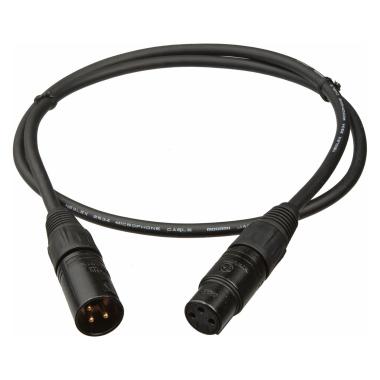
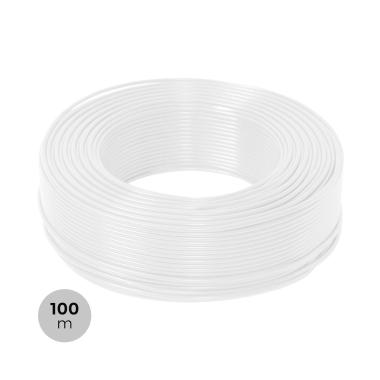
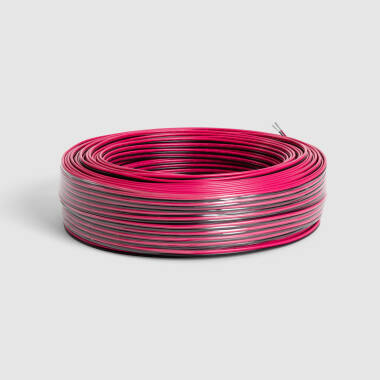
Cables are an essential part of any electrical or communications installation. In this section, you will find solutions designed to carry power, data, or signal safely and efficiently, both in domestic and professional environments. We offer different types of cables for every application, made from durable materials and designed to deliver long-term reliability.


Our featured products from Cables
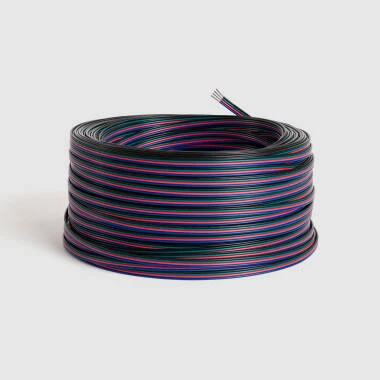
Essential
1,53 €
- IP Rating IP20
- Fitting Material PC
- Current Intensity 5 A
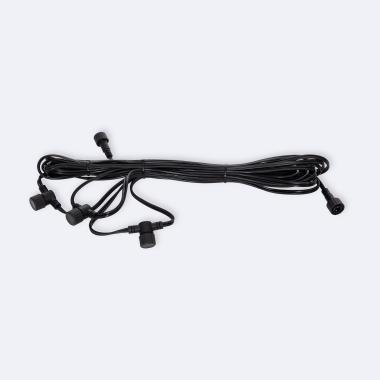
18,39 €
- Voltage Range 12V AC
- IP Rating IP44
- Dimensions 8 mm x 8 mm x 10000 mm
- -38%
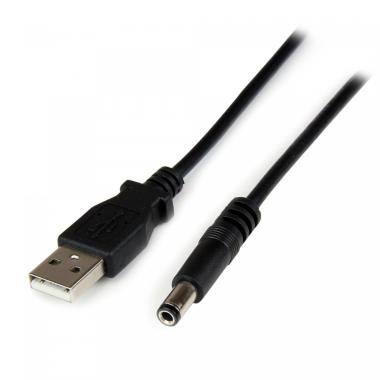
Before 0,79 €
0,49 €
- IP Rating IP20
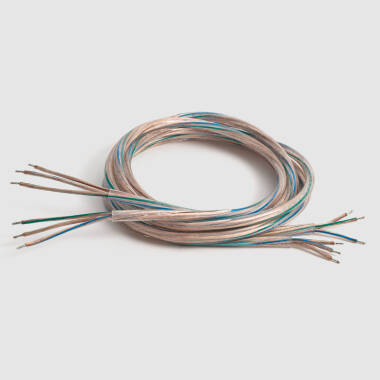
3,89 €
- Diameter 6 mm
- IP Rating IP20
- Battery Operated No
3 options




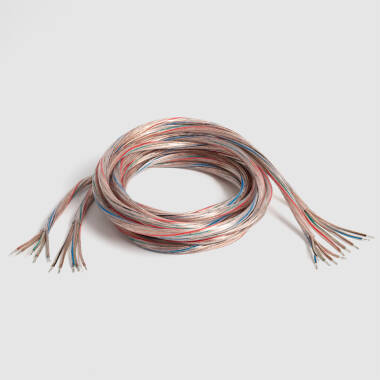
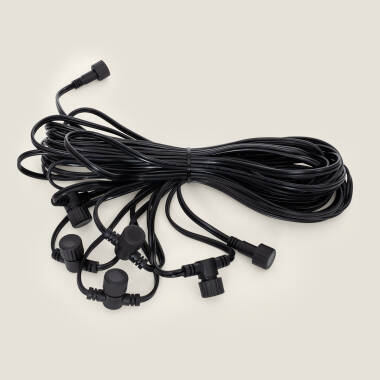
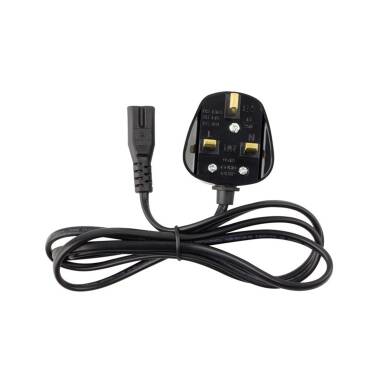
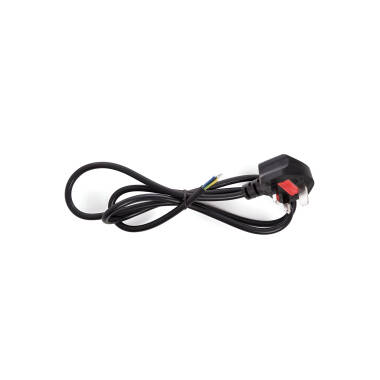


Brands related to this category


About Cables
Cabling solutions for different applications
Each type of installation requires a specific cable. Supplying power to an electrical system is not the same as connecting devices to a network or transmitting a television signal. That is why it is essential to choose the right cable based on its application, the installation environment, and the level of demand.
In this section, we group together cables designed to meet three main needs: electrical installations, network connections, and coaxial signal transmission. This structure makes it easier to quickly find the most suitable product without complications or advanced technical knowledge.
Electrical cables for safe and long-lasting installations
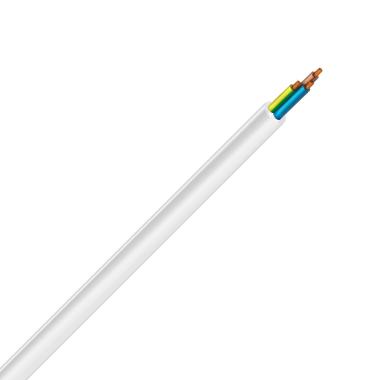
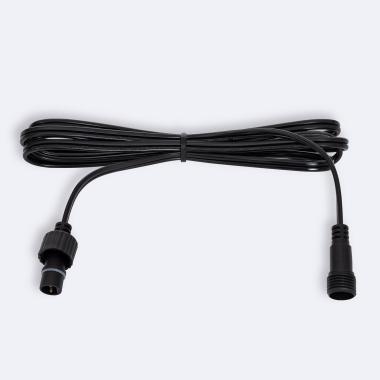
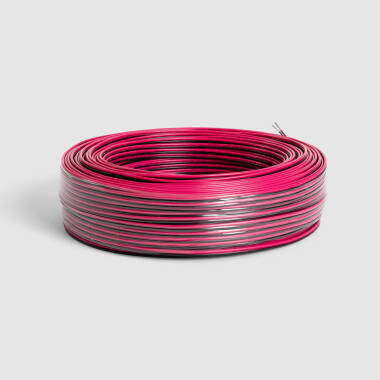
Electrical cables are designed to carry current in a stable and safe way. They are used in a wide range of applications, from home installations to professional projects and maintenance work.
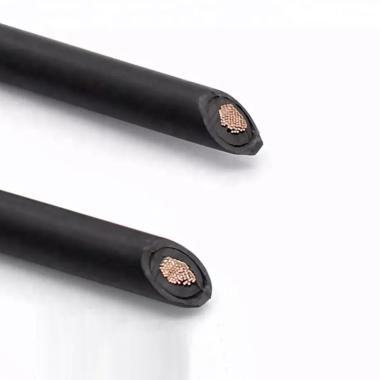
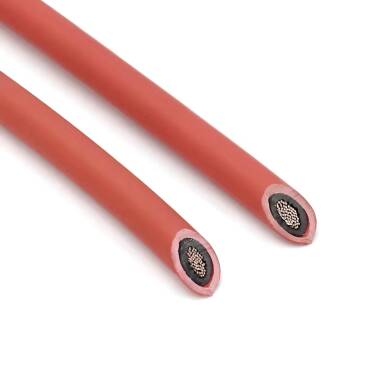
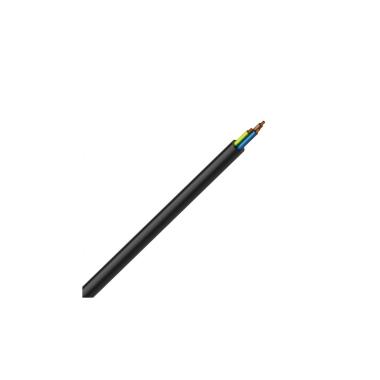
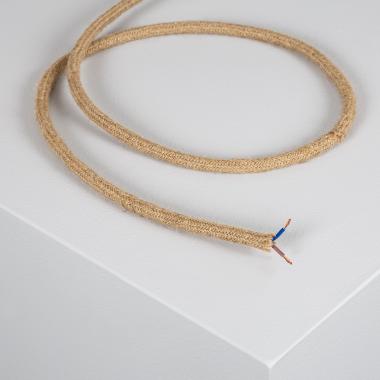
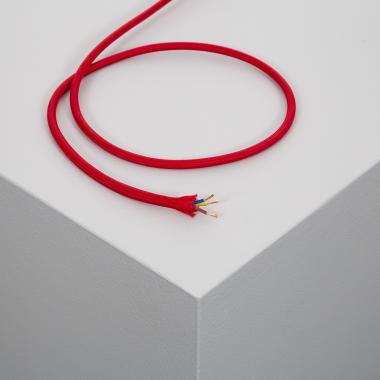
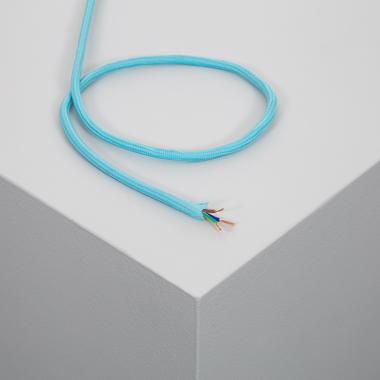
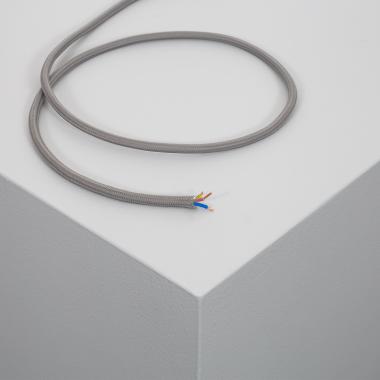
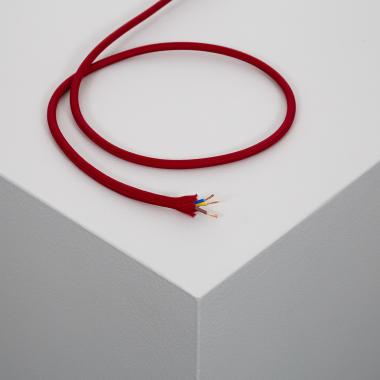
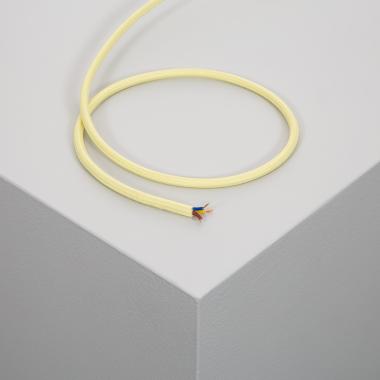
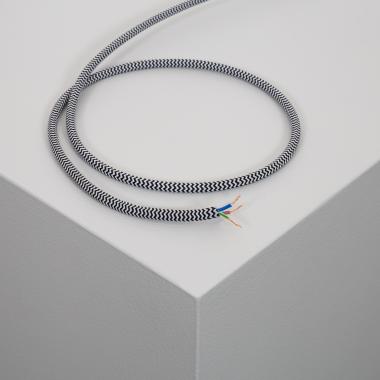
This group includes solutions with different features depending on the intended use. Rubber electrical cables stand out for their flexibility and durability, making them suitable for environments where the cable may be exposed to movement or more demanding conditions. Textile electrical cables, on the other hand, combine functionality and design, and are commonly used in visible lighting projects where the finish plays an important role.
To complete this type of installation, heat shrink tubing helps protect and insulate connections, improving safety and extending the service life of the cabling. It is especially useful for achieving a clean and tidy finish on splices and terminations.
Network cables for a stable connection
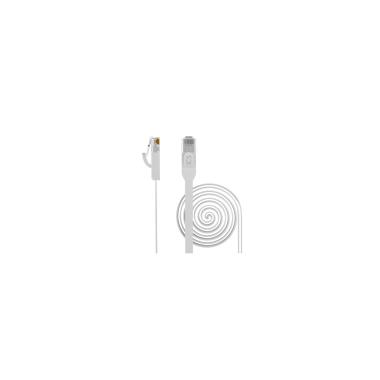
Network cables allow devices and equipment to be connected reliably, ensuring consistent data transmission. They are a key element in homes, offices, and workspaces where connection stability is a priority.
This type of cable is commonly used to connect computers, routers, switches, or internal network systems. Compared to other solutions, cabling provides a more stable and predictable connection, reducing interference and signal loss.
Choosing the right network cable helps improve the overall performance of the installation and makes future upgrades or network changes easier.
Coaxial cables for TV and antenna signal
Coaxial cables are mainly used for transmitting television, radio, and antenna signals. Their structure helps minimise interference and maintain consistent signal quality, even over long distances.
They are commonly used in both domestic installations and shared systems, offering a reliable solution for signal distribution. Using the right coaxial cable helps prevent picture issues, noise, or interruptions, providing a more stable and long-lasting experience.
How to choose the right cable for your needs
Before selecting a cable, it is worth considering a few basic aspects:
- Type of use: electrical, data, or signal
- Installation environment: indoor, outdoor, or areas subject to greater wear
- Flexibility and durability: especially important in electrical cables
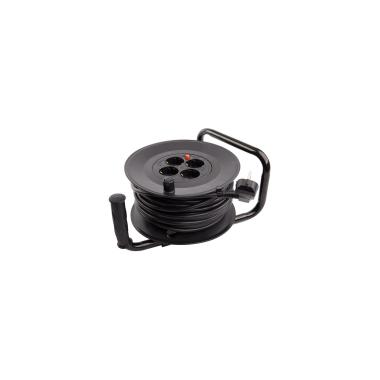
- Cable organisation and protection: essential for safety and maintenance
If you need to supply power to an installation, electrical cables are the right solution. For internet connections or internal networks, network cables provide stability and performance. For television or antenna systems, coaxial cables are specifically designed for that purpose.
Cabling designed for everyday and professional use
Whether it is a small home installation or a more demanding project, using quality cables makes all the difference. Good cabling improves safety, reduces issues, and ensures proper performance over time.
Explore the different options available and choose the cable that best suits your needs, with the confidence of relying on practical, dependable solutions designed to make every installation easier.
Frequently asked questions about cables
What type of cable do I need for my installation?
It depends on the intended use: electrical power, network connection, or signal transmission. Each case requires a specific cable to ensure safety and good performance.
How do I choose the correct cable length?
Measure the distance between the points you need to connect and add a little extra length to avoid tension or unnecessary splices.
Are the cables suitable for indoor and outdoor use?
Some cables are designed for both environments, while others are recommended for indoor use only. Always check the product specifications before installation.
Can I combine different types of cables in the same installation?
Yes, but it is important to use each cable according to its function and to follow safety and compatibility requirements.
How should cables be kept in good condition?
Avoid bending them excessively, protect them from moisture or direct heat, and use accessories such as heat shrink tubing when needed.