
DALI Tracks
DALI tracks and accessories allow the creation of dimmable, organised lighting installations designed to adjust scenes, groups and light levels with greater precision.
Our featured products from DALI Tracks
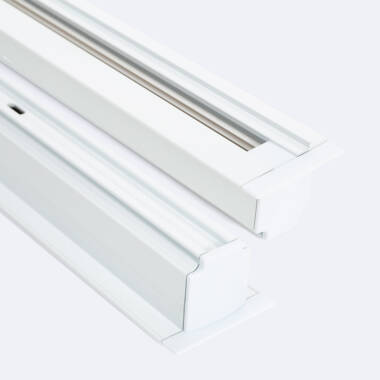
Expert
30,69 €
- Voltage Range 220-240V AC
- Max Wattage 2000 W
- IP Rating IP20
2 options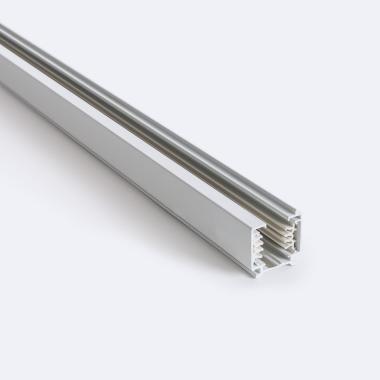
Expert
28,19 €
Ref 99997
AluminiumAdjustable3-Circuit Track DALI 1m for LED Spotlights
In Stock, delivery in 15-20 days
- Voltage Range 220-240V AC
- Type Of Dimming DALI
- IP Rating IP20
2 options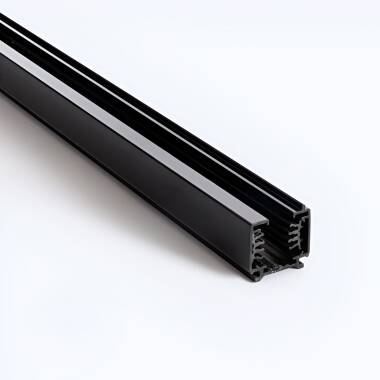
Expert
51,07 €
Ref 100020
AluminiumAdjustable3-Circuit Track DALI 2m for LED Spotlights
In Stock, delivery in 15-20 days
- Voltage Range 220-240V AC
- Type Of Dimming DALI
- IP Rating IP20
2 options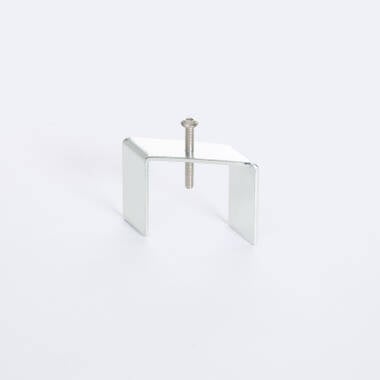
Expert
1,22 €
- IP Rating IP20
- Battery Operated No
- Fitting Material Aluminium




You may also be interested in
About DALI Tracks
In projects where lighting should go beyond simple ON/OFF functionality, the track system requires more than just a good luminaire. The way control is distributed, how the different track sections connect together and which accessories allow the installation to function as a coherent system are equally important. This is why DALI tracks and their accessories form part of the technical planning from the very beginning, especially in retail, hospitality, offices, showrooms and exhibition spaces.
What are DALI tracks and accessories?
DALI tracks are electrified profiles designed to work with luminaires compatible with the DALI protocol, a digital control system that allows light intensity adjustment, luminaire grouping and lighting scene creation with much greater precision than a conventional installation.
Unlike a track designed simply to power spotlights in ON/OFF mode, a DALI system adds a layer of control that allows lighting to adapt to the real use of the space. This is particularly useful when a project requires different lighting scenes depending on schedules, occupancy, activities or specific areas within the same installation.
When referring to electrified LED tracks, this context does not only concern the main profile itself. The system also includes power feeds, joints, end caps, connectors and other accessories that make it possible to build the track layout while maintaining electrical and control continuity across all components. Without these elements, the track cannot deliver a complete installation or fully benefit from the capabilities of the system.
Why choose a DALI track system?
The main value of a DALI track lies in turning lighting into a much more flexible and adjustable system. It is not simply about installing DALI track spotlights, but also about being able to dim them precisely, group them by zones and adapt lighting scenes without physically modifying the installation.
In a retail environment, this makes it possible to highlight a promotional area without altering the entire general lighting scheme. In hospitality, it helps soften the atmosphere at certain times while maintaining sufficient visibility at bars, entrances or circulation areas. In offices and multifunctional spaces, it allows light levels to adapt according to activities, time of day or actual occupancy.
It also provides technical organisation. When properly planned, the track, control system and accessories work together as a single infrastructure, simplifying installation, commissioning and future modifications.
Components of a DALI track system
Although visually it may resemble other track systems, the final result depends on several components that must be compatible with one another and respond to the same control logic.
DALI-compatible electrified track
This is the foundation of the installation. Its role is to power the luminaires while forming part of a system prepared for dimming and control. Beyond finish or profile design, what truly matters is that the track is compatible with the DALI logic of the project and with the intended luminaires.
In this type of installation, it is not enough for the spotlight to fit mechanically into the track. The system must also maintain electrical and communication compatibility to ensure dimming works reliably and without limitations.
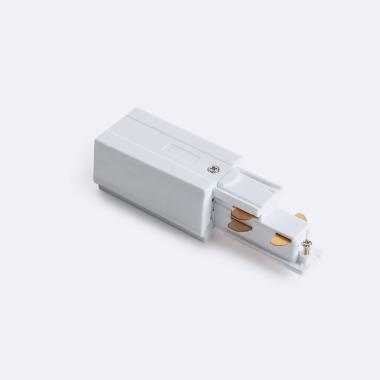
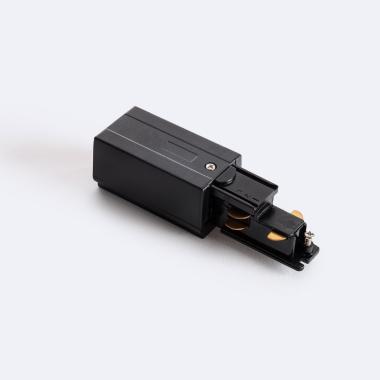
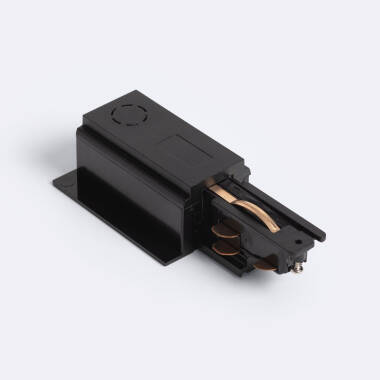
Power feeds and start connectors
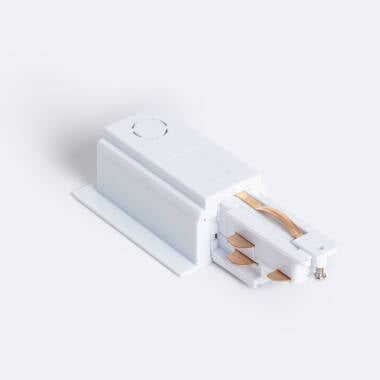
The power feed introduces current into the track and should be selected according to the layout, system length and the intended control strategy. In simple installations, a single well-positioned feed point may be enough. In larger projects, the layout should be studied more carefully to facilitate both installation and system organisation.
Start connectors and linking connectors are equally important because they help maintain continuity between sections and avoid improvised solutions once the installation is already assembled.
Straight joints and layout components
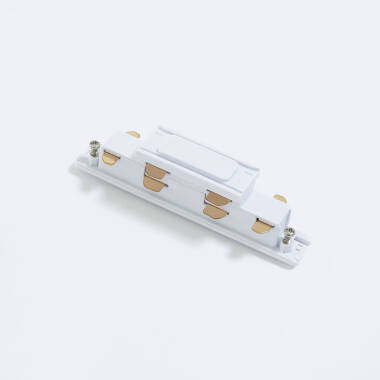
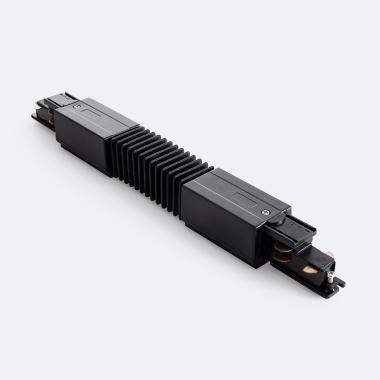
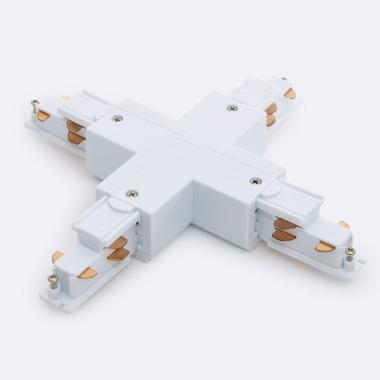
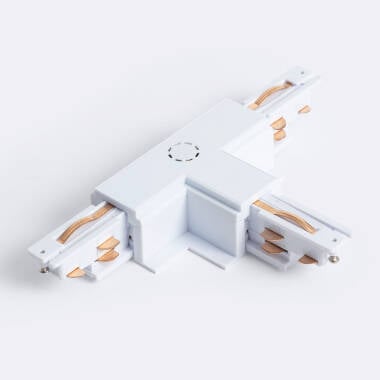
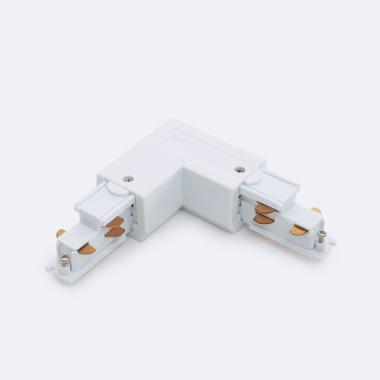
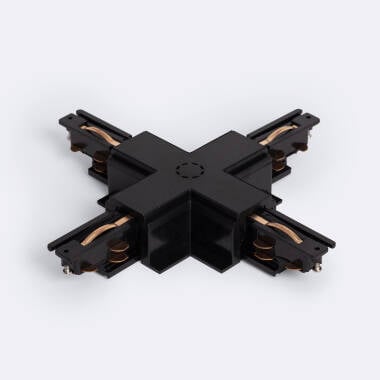
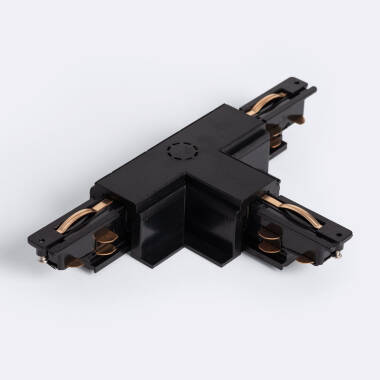
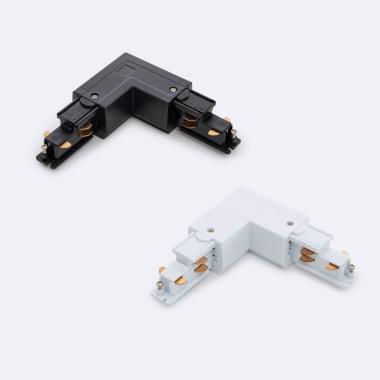
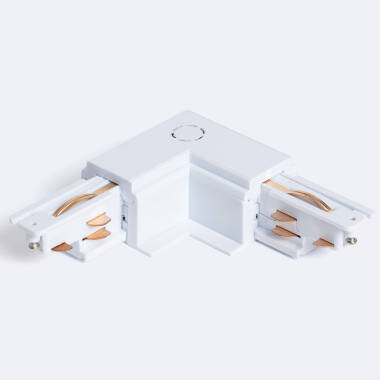
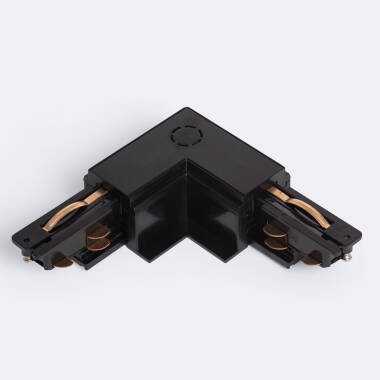
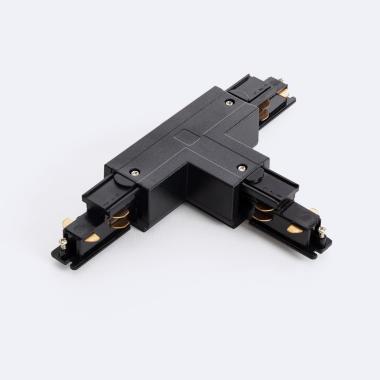
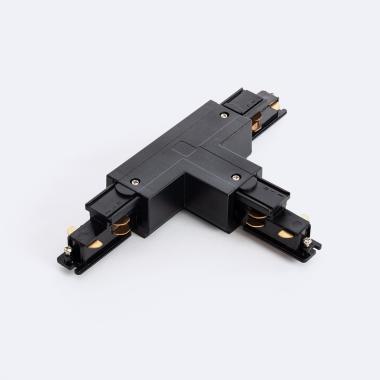
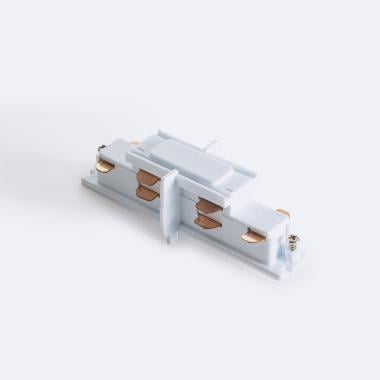
Depending on the shape of the space, the system may require straight, L-shaped, T-shaped or cross joints to resolve direction changes, perimeters or branches. These components not only need to fit correctly mechanically, but must also remain fully compatible with the system to maintain continuity and ensure a clean installation.
A poorly resolved joint can complicate both assembly and overall track performance, especially when the installation depends on a more precise control logic.
End caps and mounting accessories
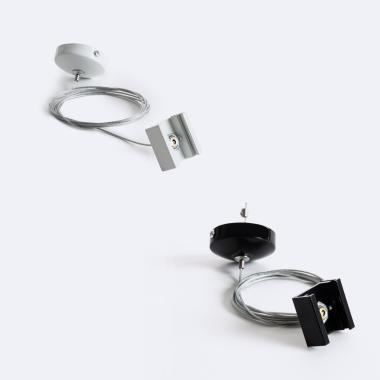
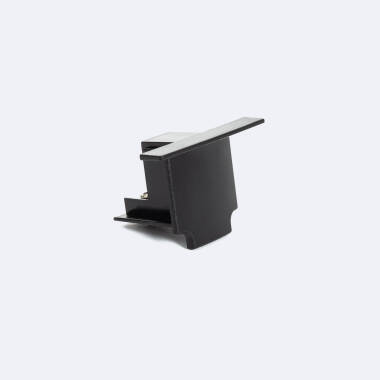
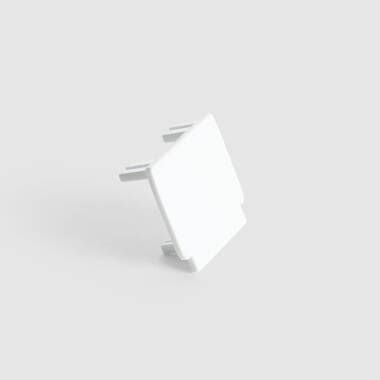
End caps close the track layout when the line ends and help complete the installation safely and neatly. Mounting accessories, whether for surface-mounted or suspended installations, allow the track to adapt to the real architecture of the space.
Although they may sometimes appear secondary, these elements directly influence system stability, installation quality and how easily the track integrates into commercial or professional ceilings.
How to choose DALI tracks and accessories
The choice of system should not be based solely on aesthetics or profile design. In a DALI track system, compatibility, project type and the real use of dimming are equally important.
Compatibility with luminaires and control systems
Before selecting a track, it is important to confirm that the entire system is compatible with the corresponding DALI track spotlights and with the intended control logic. In this type of installation, compatibility is not only mechanical. It also affects communication between the luminaire, driver, track and dimming system.
Working with a clearly defined setup avoids commissioning problems, inconsistent behaviour and limitations when programming scenes or groupings.
Track layout and zoning
A simple straight line in a small shop does not require the same approach as an installation with multiple sections, differentiated zones and several lighting scenes. The better the layout is planned from the start, the easier it becomes to group luminaires, define scenes and adapt the installation to the actual logic of the space.
In retail, for example, it may be useful to separate window displays, perimeter lighting and central areas. In hospitality, it may be beneficial to differentiate bars, tables, entrances and transition zones. This logic should also be considered when selecting accessories and connection points.
Mounting type
DALI tracks can be surface-mounted or suspended depending on the architecture of the space and ceiling height. In spaces with exposed services or high ceilings, suspended installation can help bring spotlights closer to the working plane while creating a more organised visual appearance. In cleaner spaces or lower ceilings, surface mounting is often the more straightforward solution.
Planning for future changes
One of the advantages of a DALI system is the ability to adjust scenes without physically moving each luminaire. Even so, it is advisable to design the track with enough flexibility for future extensions or layout changes. Properly resolving joints and defining the system logic from the start makes future evolution much easier.
Common applications for DALI tracks
The value of this type of track becomes most evident when a space requires dimmable, organised lighting adapted to changing uses.
Retail stores and commercial spaces
In retail, a DALI system allows visual hierarchy to be controlled much more precisely. The track and its accessories must support an installation capable of reinforcing display windows, promotional areas or specific zones without affecting the entire general lighting scheme. This facilitates campaigns, product changes and different scenes throughout the day.
Hospitality and restaurants
In restaurants, cafés and bars, lighting scenes rarely remain constant throughout the day. DALI tracks provide a flexible infrastructure that helps adjust atmosphere, visibility and focal emphasis according to schedules and space usage.
Showrooms and exhibition spaces
In exhibition environments, the ability to dim and reorganise lighting groups is especially useful when displays, layouts or visitor routes change. DALI tracks provide a clean technical foundation that is much easier to adapt without redesigning the installation.
Offices and multifunctional spaces
In offices, reception areas and multipurpose rooms, the system helps create different lighting scenes within the same infrastructure. This is especially useful when activities change throughout the day or when the atmosphere needs more precise adjustment.
What should be considered during installation?
A DALI track installation should always be approached as a complete system. It is not enough to select a profile and compatible spotlights. The layout, control logic, groupings, scenes and compatibility between all accessories must also be planned.
It is equally important to avoid mixing components that may appear compatible but were not designed to work together within the same system. In DALI installations, incompatibility does not always cause an immediately visible failure, but it can create control limitations, unstable dimming or commissioning problems.
When the system is properly defined from the beginning, the installation performs better, adjusts more easily and becomes far simpler to maintain and modify over time.
Frequently asked questions about DALI tracks and accessories
What is the difference between a DALI track and a conventional track?
The main difference lies in control. A conventional track simply powers luminaires, whereas a DALI system is designed for dimming, luminaire grouping and more precise lighting scenes.
Is a specific track required for DALI spotlights?
Yes. It is not enough for the spotlight to fit mechanically into the profile. The system must also be compatible with the DALI logic of the project to ensure dimming and control work correctly.
Are accessories universal?
Not always. Although some components may appear similar, it is advisable to work with accessories compatible with the same track system to avoid installation issues or performance limitations.
Can a DALI track installation be expanded later?
Yes, provided system compatibility is maintained and enough flexibility has been planned into the layout. If the track and accessories are correctly specified from the beginning, extending or reorganising the installation becomes much easier.
Which accessories are usually essential?
This depends on the project, but typically the track itself, power feed, end caps, fixing or suspension systems and the necessary joints for the layout are required. Beyond that, the rest depends on the complexity of the installation.
Which types of projects benefit most from this system?
Primarily projects where lighting changes over time or where light levels need precise adjustment. Retail stores, restaurants, showrooms, galleries, offices and multifunctional spaces are among the environments where DALI systems usually provide the greatest advantages.