Before choosing furniture, colors, or lighting fixtures, a Nordic-style home requires careful planning based on the daily use of each room. This type of interior design aims to create a practical and bright home, where every decision makes sense within the overall design.

Table of Contents
- Keys to applying the Nordic style
- Simple and Functional Layout
- Enhance natural light
- Choosing a Light and Balanced Color Palette
- Incorporating Natural Wood
- Pay Attention to Artificial Lighting
- Add textiles to create warmth
- Maintaining Visual Order
- Introduce plants and natural elements
- Adapting the Nordic Style to Each Room
- Avoiding a Home That’s Too Cold or Impersonal
- Combining the Nordic style with other decorative approaches
- Creating a Comfortable Home for Everyday Life
- How to Bring the Nordic Style into Your Home
Keys to applying the Nordic style
Planning a Nordic-style home involves much more than simply choosing white furniture, light-colored textiles, or natural wood pieces. This decorative approach stems from a specific way of understanding the home: functional, bright, serene spaces designed to enhance daily life. Its success stems from combining aesthetics and comfort without going overboard, creating pleasant, uncluttered, and livable interiors.
The Nordic style originated in the Scandinavian countries, where natural light is limited for much of the year and homes must be both warm and practical. Therefore, when applying this style to any home, it’s important to respect its core principles: making the most of light, simplifying the layout, choosing natural materials, paying attention to the color palette, and highlighting details that promote well-being.
To achieve a balanced Nordic-style home, it’s important to plan each room based on its actual use.
Simple and Functional Layout
The foundation of a Nordic-style home lies in functionality. Before choosing colors, lighting, or furniture, it’s best to analyze how each space will be used. A living room designed for relaxation doesn’t need the same layout as one also intended for remote work, entertaining guests, or spending time with family.
Nordic design aims to make the home comfortable for everyday living. Therefore, movement should flow freely, furniture shouldn’t obstruct the path, and every element must serve a clear purpose. Overcrowded spaces lose their visual lightness and stray from the Scandinavian essence.
In living and dining rooms, the ideal approach is to arrange furniture around the main activities. The sofa should face the conversation or relaxation area, the dining table needs sufficient space around it, and accent furniture should provide storage without taking up more space than necessary.
In bedrooms, the layout should promote rest. A well-placed bed and organized closets help create a peaceful space. In kitchens, the design should focus on efficiency, with uncluttered work areas and good lighting.
Enhance natural light
Light is one of the most important elements in a Nordic-style home. This style of decor seeks bright, open interiors. To achieve this, it’s best to let natural light flow in unobstructed and avoid heavy curtains, dark furniture near windows, or anything that blocks the light.
Light-colored walls help reflect light and make rooms appear more spacious. White is the most common color, though sand, beige, soft gray, and off-white tones also work very well. These colors create a neutral base against which it’s easy to add wood, natural fibers, and small contrasts.
Curtains should be lightweight, preferably made of linen, cotton, or sheer fabrics. Their purpose is not to hide the window, but to soften the light and add warmth. In small homes, this approach is especially useful because it helps create a sense of spaciousness without sacrificing privacy.
It’s also important to consider the orientation of each room. Rooms with less natural light may require lighter-colored walls and more carefully planned artificial lighting. In contrast, very bright spaces can accommodate slightly warmer tones or materials with a stronger visual presence.
Choosing a Light and Balanced Color Palette
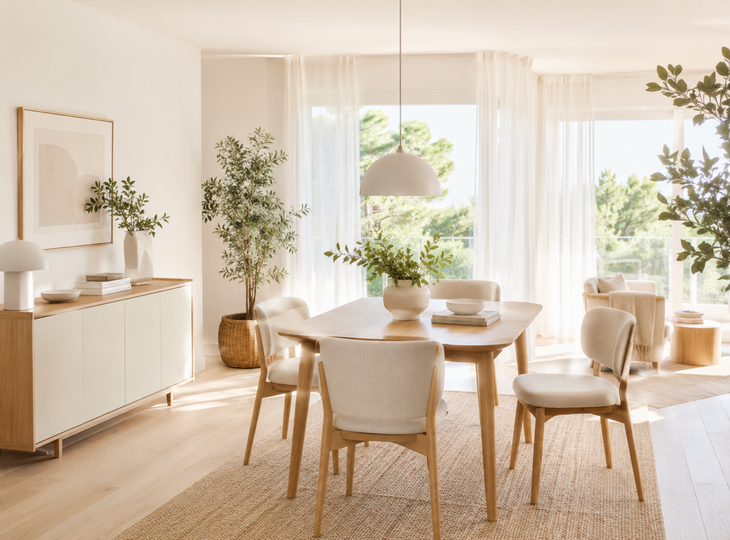
Color is one of the most important tools for incorporating the Nordic style into your home. The palette should convey calm, order, and naturalness. Light tones usually form the base, but that doesn’t mean everything has to be white.
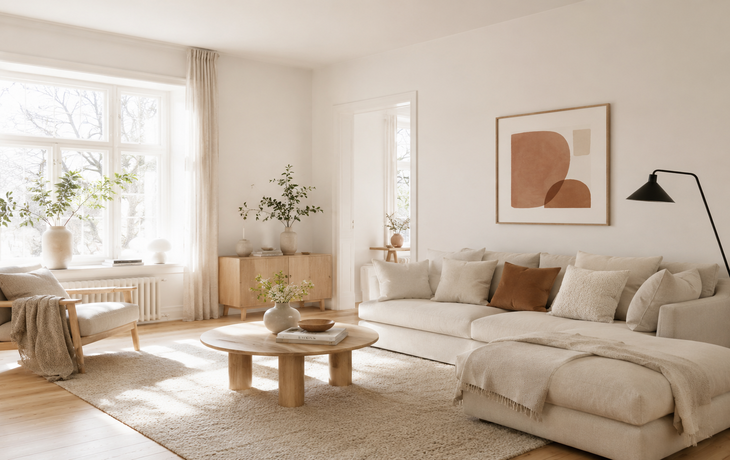
A good combination might start with warm white or light beige walls, natural wood floors, textiles in sandy tones, and accents in gray, muted green, or soft terracotta. These nuances help ensure the overall look doesn’t feel flat.
The Nordic style works best when the color palette is consistent throughout the home. Not every room needs to be identical, but there should be visual continuity. For example, you can use the same range of whites and wood tones in the living room, hallway, and bedrooms, introducing small changes through textiles or accessories.
Use bold colors sparingly. The goal is to maintain a relaxed and bright atmosphere throughout the home.
Incorporating Natural Wood
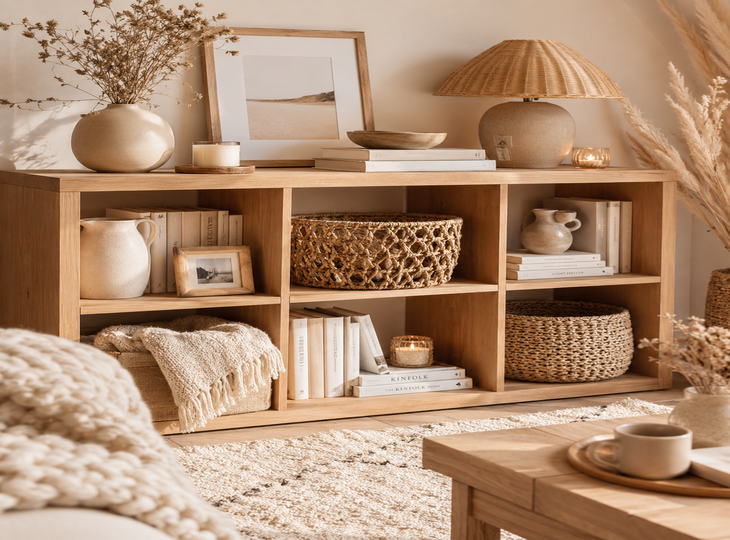
Wood is one of the most representative materials of the Nordic style. It adds warmth, texture, and a connection to nature. It’s commonly found in floors, tables, chairs, and bookshelves.
Light-colored woods, such as oak, ash, or pine, work particularly well in this type of interior. Their natural finish helps maintain a sense of lightness and pairs well with white walls, neutral textiles, and plant-based fibers.
Not all furniture needs to be made of wood. In fact, it’s best to balance it with other materials to avoid a look that’s too uniform. A wooden dining table can be paired with upholstered chairs, a lamp, or a rug made of natural fibers. In kitchens, wood can be used for countertops, shelves, stools, and more.
Pay Attention to Artificial Lighting
Although natural light is essential, Nordic-style lighting plays an important role in homes where this style is being implemented. A single ceiling light is usually not enough. It’s best to create different layers of light that allow each room to be adapted to different times of the day.
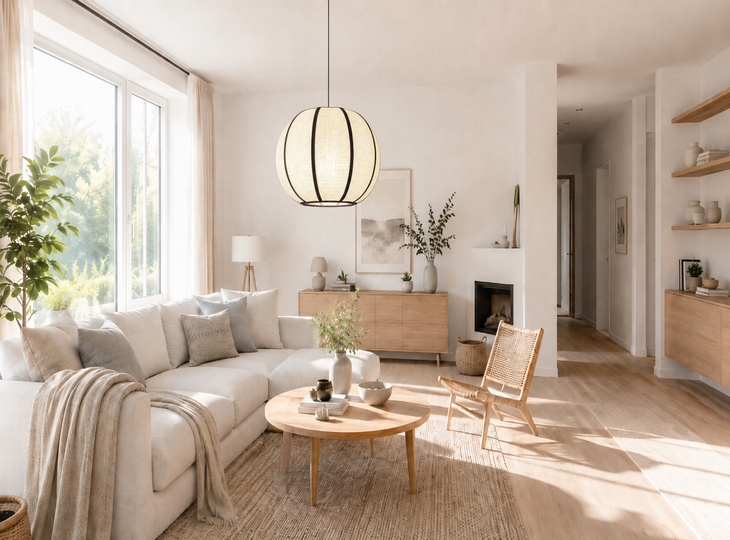
General lighting should be even and pleasant; this can be achieved with scandinavian ceiling lights. Task lighting is used for specific activities, such as reading, cooking, working, or illuminating a walkway. Ambient lighting, on the other hand, helps create a cozier atmosphere through scandinavian table lights, wall sconces, or floor lamps.
In living rooms, a floor lamp next to the sofa can enhance the reading area. In bedrooms, wall sconces or table lamps provide softer lighting before bedtime. Color temperature also matters. Warm or soft neutral lights usually work better than lights that are too cool, as they enhance the feeling of comfort.
Recommended products
In Stock, delivery in 15-20 days
26.49 £
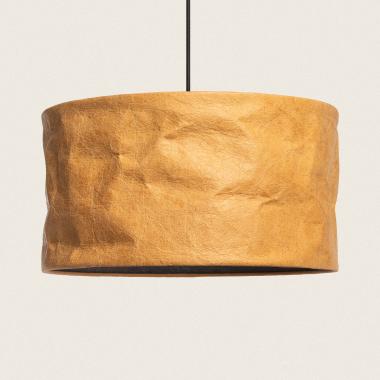
Diana Tyvek Pendant Lamp
View product
In Stock, delivery in 16-21 days
18.59 £
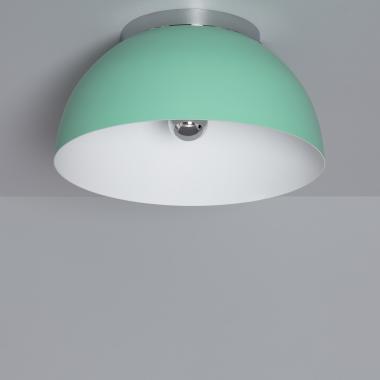
Bosco Silver Aluminium Ceiling Lamp Ø305
View product
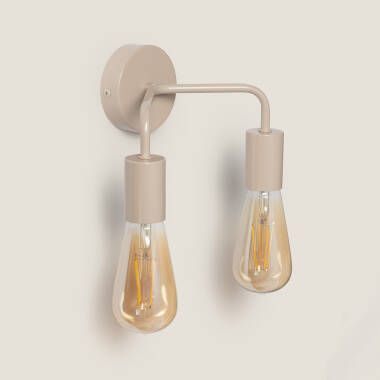
In Stock, delivery in 15-20 days
10.59 £
Jayso 2 Spot Wall Lamp
View product
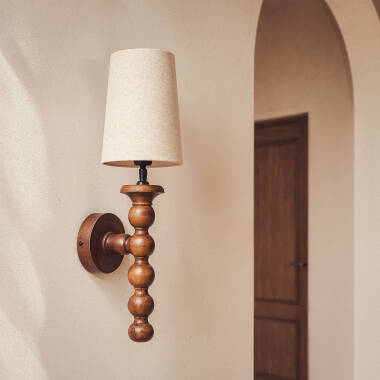
In Stock, delivery in 15-20 days
52.99 £
Vibhuti Wall Lamp ILUZZIA
View product
Add textiles to create warmth
Textiles are essential to prevent a Nordic-style home from feeling cold. Blankets, rugs, and throw pillows add softness and a sense of home.
Natural fabrics are best: linen, cotton, wool, jute, or plant-based fibers. These materials align with the Nordic philosophy, which is based on simplicity, naturalness, and well-being. Plus, they age well and create a relaxed aesthetic.
In the living room, a light-colored rug can define the seating area and make the space feel more comfortable. Pillows allow you to introduce small pops of color without disrupting the neutral base. A throw blanket on the sofa adds a cozy and practical touch.
In the bedroom, bedding should convey a sense of calm. Shades of white, gray, or soft green work very well. Layered textiles, such as bedspreads, light blankets, and pillows, help create a more enveloping bed without feeling overwhelming.
Maintaining Visual Order
Order is a fundamental part of the Nordic style. This doesn’t mean the home should look empty, but rather that everything should have its place. A tidy space conveys tranquility and allows materials, light, and furniture to “breathe” more freely.
To achieve this, it’s important to plan storage solutions from the start. Closed cabinets, balanced shelving, baskets, or modular furniture help keep the home organized. Open shelving can work very well, as long as it isn’t overcrowded.
Introduce plants and natural elements
The connection to nature is another important feature of the Nordic style. Plants help bring interiors to life and break up the neutrality of the color palette. You don’t need to fill your home with greenery, but you should incorporate a few well-placed plants.
A tall plant in a corner of the living room, small pots on a shelf, or aromatic herbs in the kitchen can transform the way the space is perceived. Greenery adds freshness and pairs very well with other elements.
In addition to plants, you can incorporate elements such as handmade ceramics or stone. These materials add texture and reinforce the feeling of a well-cared-for home, without making the space feel cluttered.
Adapting the Nordic Style to Each Room
Each room requires specific planning. The Nordic style should be adapted to the function of each space, not applied identically throughout the entire house.
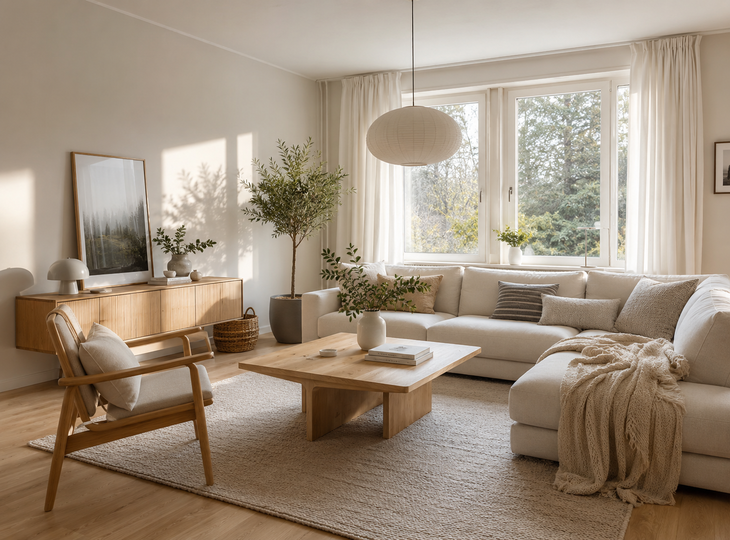
In the living room, the priority is usually to create a comfortable, bright, and cozy space. A sofa, a rug, and several scandinavian lighting can form a balanced foundation. Wood and textiles will help prevent the space from feeling too cold.
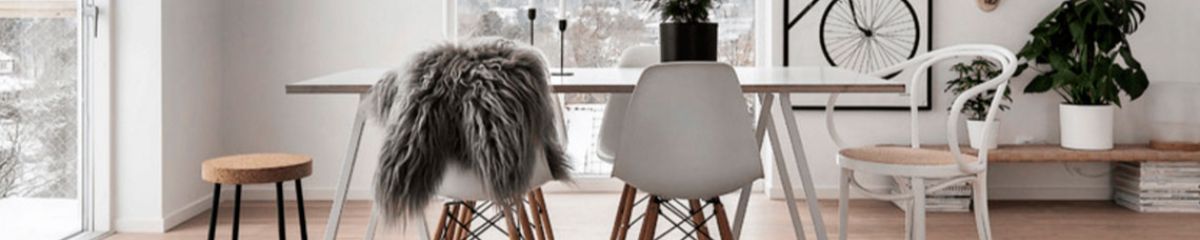
In the dining room, the table can become the focal point. Simple, sleek chairs and a pendant light help create a pleasant atmosphere for everyday use and for entertaining guests.
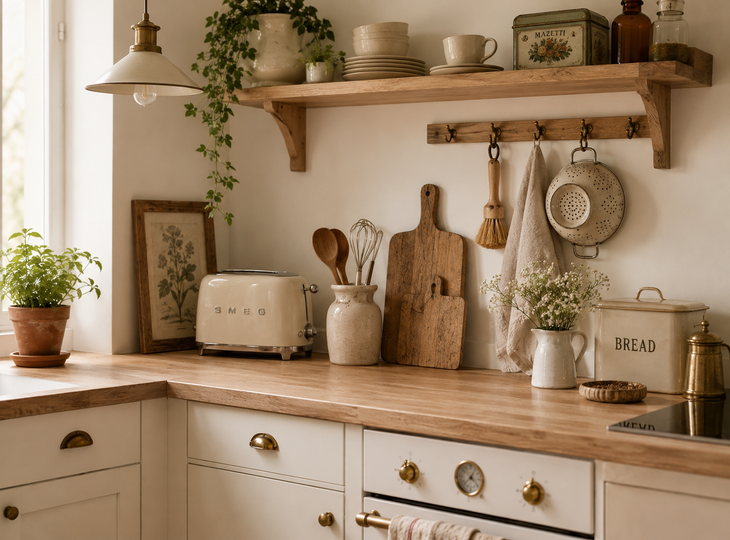
In the kitchen, the Nordic style is expressed through order and functionality. White or light wood cabinets, uncluttered countertops, under-cabinet lighting, and well-chosen accessories help maintain a clean and practical look.
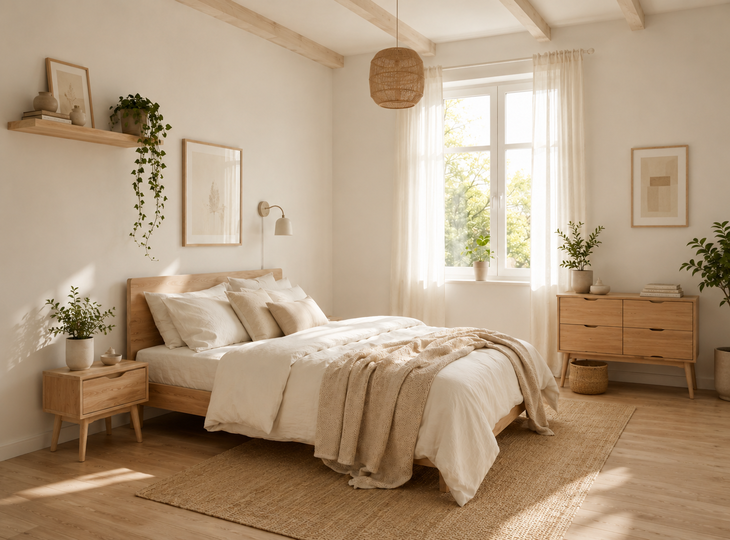
In the bedroom, a sense of calm should be the priority. Soft colors, natural bedding, warm lighting, and minimal decorative elements promote rest.
In the bathroom, light tones, wall-mounted cabinets, large mirrors, and wooden accents help create a fresh and relaxing space.
Avoiding a Home That’s Too Cold or Impersonal
One of the most common mistakes when adopting the Nordic style is focusing solely on its minimalist aspect. If too many elements are removed, the result can seem flat or uninviting.
To avoid this, it’s best to balance simplicity with warm materials, cozy textiles, and personal touches. It’s also important not to confuse order with a lack of personality. A home can be visually clean and, at the same time, have character. The key is to choose objects carefully and avoid unnecessary clutter.
Combining the Nordic style with other decorative approaches
The Nordic style is very versatile and can be combined with other trends. In fact, many modern homes blend a Scandinavian foundation with a natural, industrial, or vintage style.
If you’re going for an industrial look, you can add black metal accents, industrial style lamps, or furniture with metal frames. For a more natural look, sandy tones, natural fibers, and natural light work very well.
The key is to maintain a cohesive foundation. If your home is based on functional furniture and natural materials, you can add small contrasts without losing the Nordic essence.
Creating a Comfortable Home for Everyday Life
A Nordic-style home should be beautiful, but above all, it should be livable. Its greatest value lies in its ability to create practical and welcoming spaces. That’s why every decorative decision should be tied to everyday use.
The choice of a sofa, a table, a lamp, or a rug shouldn’t be based solely on aesthetic criteria; durability and ease of use must also be considered. A well-planned home improves your daily routine and makes every room more enjoyable.
How to Bring the Nordic Style into Your Home
Planning a Nordic-style home requires understanding its essential principles: functionality, light, order, warmth, and a connection to nature.
The key is to start with a good floor plan, maximize natural light, incorporate the right materials, and design the lighting with purpose. From there, each room can be adapted to the actual needs of those who live there. When applied correctly, the Nordic style creates a home that’s both cozy and easy to enjoy.