
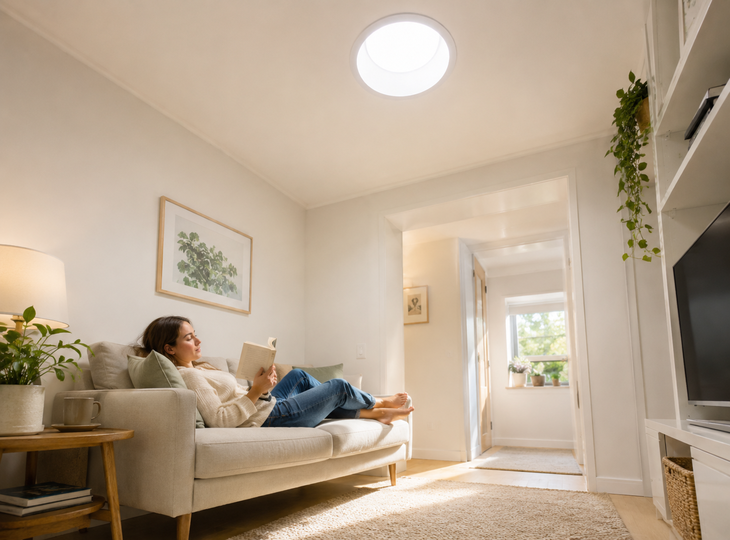
Natural light has always been one of the most valuable resources in architecture. Not only does it illuminate a space without relying on electricity for much of the day, but it also influences the perception of volume, the sense of spaciousness, and the well-being of a building’s occupants. For this reason, contemporary architecture seeks solutions capable of bringing light into areas where a conventional window is not always feasible.

Light tunnels are among these solutions. These are systems designed to capture natural light on the roof or in an exterior area of the building and channel it indoors through a reflective duct. Their purpose is to illuminate enclosed, deep, or interior spaces far from the facade, making efficient and unobtrusive use of daylight.
Unlike a traditional window or skylight, light tunnels do not require a large opening or significant changes to a room’s layout. They act as a connection between the exterior and the interior, allowing natural light to reach hallways, bathrooms, dressing rooms, or workspaces without direct access to the facade.
Table of Contents
What are light tunnels?
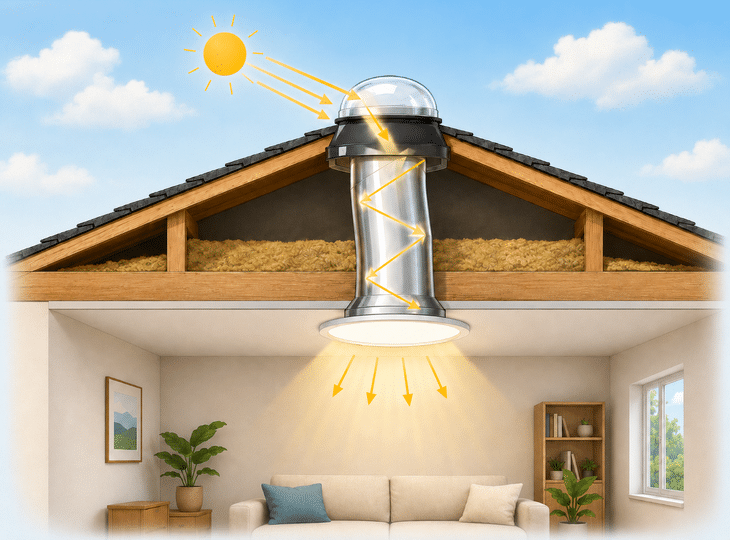
Light tunnels are architectural systems that carry natural light from the outside to a specific point inside a building. They consist of a collector element, a highly reflective duct, and an interior diffuser.
The light-capturing unit is typically installed on the roof. Its function is to capture sunlight and the brightness of the sky. From there, the light enters an interior conduit lined with reflective materials, which directs it to the selected room. At the end of the path, a diffuser distributes the light more evenly throughout the space and prevents glare.
The main idea is simple: to bring natural light to places where it cannot enter directly. However, its implementation requires a thorough analysis of the orientation, the length of the path, the interior layout, and the needs of each space.
In contemporary architecture, light tunnels are used for both functional and environmental reasons. They help reduce electricity consumption during the day, improve the quality of interior spaces, and allow for the design of buildings that are more in tune with the natural conditions of their surroundings.
How do light tunnels work?
The operation of light tunnels is based on the collection, transmission, and diffusion of natural light. Each of these phases influences the final result.
Light is captured on the exterior of the system. This component can take the form of a dome, a flat panel, or a device integrated into the roof. It is designed to capture as much available light as possible, even when the sky is cloudy or sunlight is not direct.
The light then travels through an interior conduit. This conduit is typically made of highly reflective surfaces capable of maintaining a significant portion of the light intensity along its path. The better the conduit’s reflectivity, the less light is lost before it reaches the interior.
The final stage is diffusion. The interior diffuser distributes the light throughout the room and softens its entry. This is important because natural light should not enter as a harsh or uncomfortable beam, but rather as pleasant, useful lighting that is well integrated into the environment.
The system’s performance depends on several factors. The length of the tunnel, the number of curves, the orientation of the roof, the presence of external shadows, and the diameter of the duct directly affect the amount of light that reaches the interior. Therefore, although the system may seem simple, its installation must be planned with technical expertise.
Difference between light tunnels, windows and skylights
Light tunnels do not always replace windows or skylights. Each solution serves a distinct function within the architectural design.
A window provides light, ventilation, and a visual connection between the interior and the exterior. Its limitations become apparent when a room has no access to the facade or when the building’s layout prevents the creation of new openings.
A skylight brings in light from the roof through a larger opening. It can provide very bright lighting and create a striking spatial effect. However, it requires a more extensive modification to the building envelope and is not always suitable for small spaces or areas where a more controlled solution is needed.
Light tunnels occupy a middle ground. They do not provide views or ventilation, but they allow natural light to reach interior areas through a more minimal intervention. Their visual presence is less pronounced, and their installation can be adapted to spaces where a skylight would be excessive.
For that reason, they are frequently used in projects that seek to improve natural lighting without significantly altering the building’s structure, façade or interior layout.
Types of Light Tunnels
There are different types of light tunnels depending on the duct design, the method of light capture, and the interior solution. The choice depends on the building and the desired result.
Rigid light tunnels
Rigid light tunnels use straight ducts or ducts with few changes in direction. They typically offer better performance because the light loses less intensity along the path. They are recommended when there is a relatively direct path between the roof and the room to be illuminated.
This type of system is used in single-family homes, low-rise buildings, offices, common areas, and spaces where the route can be planned from the start of the project. They can also be installed in renovation projects if the structure allows for a clear layout.
Flexible light tunnels
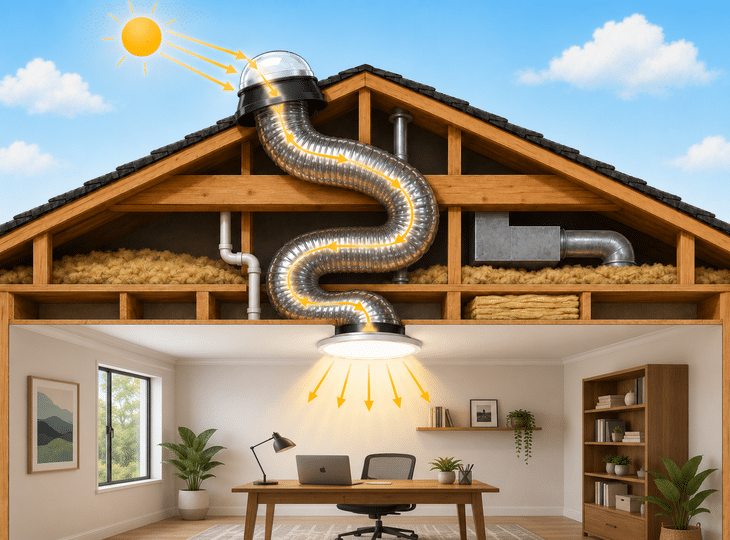
Flexible light tunnels allow you to bypass obstacles inside the building. Their ducting can better adapt to complex paths, although they typically offer lower performance than rigid ones. They are useful when there are utilities, beams, suspended ceilings, or structural elements that prevent a direct path.
This option is often practical for renovations, where the scope for work is more limited. It can also address specific areas of a home without requiring major modifications.
Light tunnels with control features
Some systems include accessories to regulate light intake, improve insulation, or supplement natural lighting with artificial light. This allows the light source to operate during the day using natural light and, when there isn’t enough light, to be supplemented by an electric light source.
They may also include filters, shading systems, thermal treatments, or specific solutions to control heat gain. These details are important when the building is located in areas with high solar radiation or when very precise energy performance is required.
Uses of Light Tunnels in Contemporary Architecture
Light tunnels are used in many types of buildings, but their value is particularly evident in interior spaces that typically rely on artificial lighting. In contemporary architecture, their use reflects a growing concern for energy efficiency and the environmental quality of spaces.
Homes with interior rooms
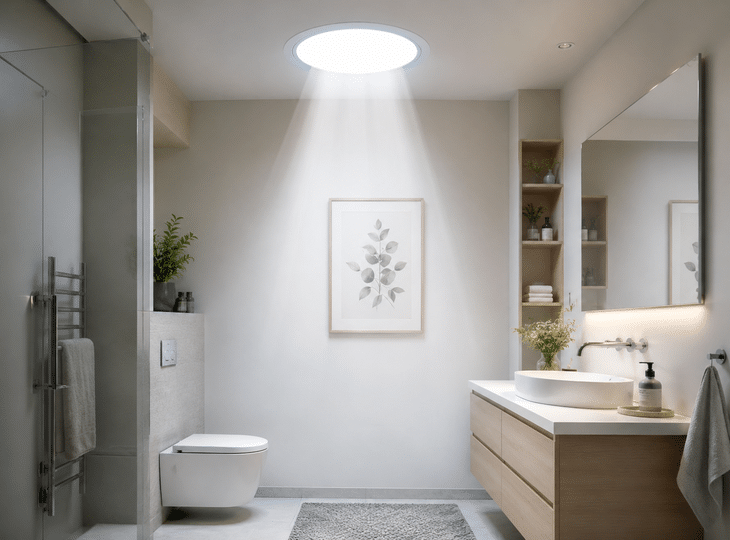
In homes, light tunnels are very useful in windowless bathrooms, long hallways, or walk-in closets. These spaces often remain lit even during the day because they do not receive enough natural light.
By introducing natural light, the perception of the space changes. An interior bathroom may seem less enclosed, and a hallway may gain depth. It’s not just about saving electricity, but about improving the daily experience inside the home.
In single-story homes or homes with sloped roofs, installation is usually simpler because the distance between the roof and the interior ceiling is shorter. In multi-story buildings, their implementation requires a more complex study.
Offices and Workspaces
In offices, light tunnels can help illuminate areas far from the facade, interior meeting rooms, circulation areas, or break rooms. Natural light improves the perception of the work environment and reduces the feeling of confinement in windowless areas.
Contemporary office architecture tends to create spacious and flexible floor plans. In this type of layout, facades are not always sufficient to provide balanced lighting throughout the entire depth of the space. Light tunnels make it possible to highlight specific areas and reduce reliance on artificial lighting during certain hours.
For them to work well in offices, they must be combined with an appropriate lighting design. This requires coordination with, for example, LED panels, sensors, dimming controls, and visual comfort criteria.
Recommended products
In Stock, delivery in 24/48h
3.09 £
Suspension Kit for LED Panels
View product
In Stock, delivery in 24/48h
10.59 £
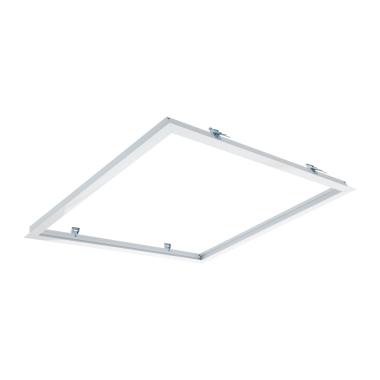
Recessed Frame for 600x600mm LED Panels
View product
In Stock, delivery in 24/48h
3.49 £
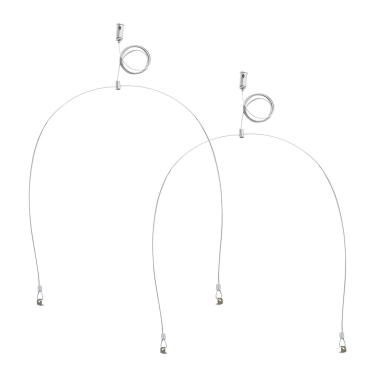
Y Suspension Kit for LED Panels
View product
In Stock, delivery in 24/48h
12.69 £
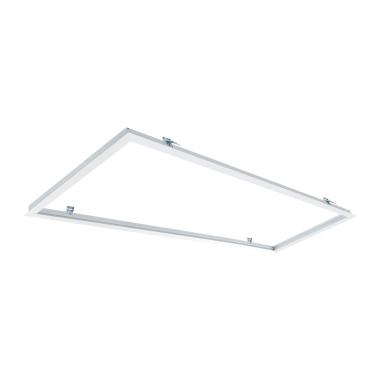
Recessed Frame for 1200x300mm LED Panels
View product
Educational Institutions
In educational institutions, natural light has a direct impact on classroom quality. Light tunnels can be used to illuminate interior areas without causing glare or excessively raising the temperature.
Their use is particularly beneficial in spaces where stable and comfortable lighting is needed. A classroom or reading room can benefit from a controlled influx of natural light. Furthermore, by reducing the use of artificial lighting during the day, the building can improve its energy efficiency.
In these types of projects, the design must carefully consider the distribution of light. Poorly positioned light sources can create distracting contrasts on desks or work surfaces.
Hospitals and Healthcare Facilities
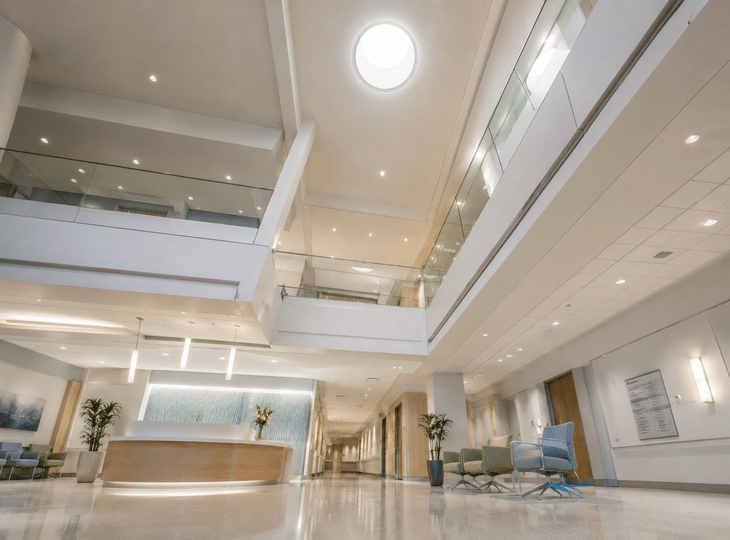
In healthcare facilities, natural light plays an important role in the comfort of patients and staff. Not all areas can have windows due to functional, privacy, or internal layout considerations. In such cases, light tunnels allow light to be brought into areas that might otherwise feel too enclosed.
They can be used in waiting rooms, examination rooms, or hallways. Natural light helps create environments that feel less cold and more welcoming.
Commercial Buildings
In stores, shopping centers, restaurants, and hotels, light tunnels can be used to enhance the ambiance and reduce the feeling of being in a confined space. In these cases, natural light not only serves a practical purpose but is also part of the customer experience.
A restaurant can gain a warmer feel and create more pleasant atmospheres. The key is to integrate light tunnels into the overall design concept of the space. If installed without proper planning, they can create areas that are too bright or unbalanced. However, when designed correctly, they provide discreet and effective natural lighting.
Advantages of Skylights
Skylights offer several advantages in contemporary architecture. Their main value lies in improving the natural lighting of spaces.
Better Use of Natural Light
The most obvious advantage is the possibility of bringing natural light into interior areas. This makes it possible to make better use of daylight hours and reduce the use of light fixtures at certain times.
For example, in a home, this can eliminate the need for artificial lighting in a hallway or bathroom first thing in the morning.
Energy savings
By reducing the need for artificial lighting during the day, light tunnels can contribute to energy savings. They should not be viewed as a standalone solution to address a building’s entire energy efficiency, but rather as a useful tool within a broader strategy. Combined with presence detectors and LED dimmers, they can help optimize energy consumption.
Improved Indoor Comfort
Natural light has a quality that is difficult to replicate with artificial light. It changes throughout the day, creates a more dynamic atmosphere, and helps spaces feel less confined.
Light tunnels can transform small rooms or interiors. A space that previously seemed secondary can gain prominence within the home or building as a whole.
Adaptability
Light tunnels can be installed in different types of spaces and along various routes. Although not all buildings are suitable for this system, its flexibility allows it to address many situations where a window is not feasible.
Their use can also be combined with other natural lighting strategies, such as courtyards, skylights, glass facades, louvered screens, or double-height spaces.
Criteria for Integrating Light Tunnels into a Project
The integration of light tunnels should begin by determining which space needs natural light and why. From there, you can decide whether the system is suitable or if another solution is more appropriate.
Analyze the interior space
Before installing a light tunnel, you must assess the room’s intended use. Lighting a bathroom is not the same as lighting a workspace. Nor does a hallway require the same lighting as a kitchen.
The required lighting level, the placement of furniture, interior materials, and the color of surfaces all influence the result. Light-colored walls help distribute light more effectively. Dark finishes absorb more light and may require additional lighting.
Assessing the Roof
The roof plays a major role in determining the system’s feasibility. It is necessary to check its orientation, shadows, structural composition, and potential interference with other installations.
You should also consider how the collector will look from the outside. In buildings with a highly refined aesthetic or in protected environments, visual integration can be just as important as technical performance.
Combining Natural and Artificial Light
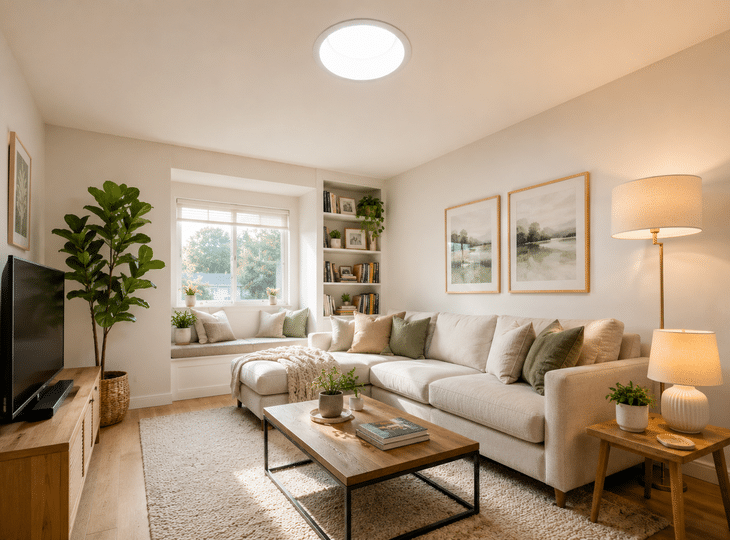
Light tunnels work during the day, but they do not replace artificial lighting at night or when there is little natural light. Therefore, they should be part of a comprehensive lighting design.
Combining them with lighting such as LED strips can be effective. During the day, artificial lighting can be dimmed when there is sufficient natural light. In the evening or on very overcast days, the electrical system can compensate for the lack of light.
Defining the Duct Route
The duct should be as direct as possible. A short, straight route allows for better use of the captured light. If the route requires bends, it’s best to limit their number and choose a suitable system to maintain performance.
In new construction, this route can be planned from the start. In renovations, it is usually necessary to adapt to existing conditions.
Choosing the Right Diffuser
The interior diffuser affects the quality of the light. It can distribute the light widely, concentrate it more, or soften it, depending on the design. It also influences the final appearance of the ceiling.
In residential spaces, a clean, seamless integration is usually the goal. In commercial buildings, it may be necessary to coordinate the diffuser with suspended ceilings, light fixtures, or HVAC systems.
How to use light tunnels in contemporary architecture
In contemporary architecture, their use reflects a more conscious approach to building design. They allow for better use of daylight, reduce electricity consumption, and improve the quality of spaces that are often overlooked in homes, offices, or public buildings.
Their value lies not only in providing more light, but in providing better light. To achieve a good result, a preliminary analysis is necessary. When designed correctly, light tunnels become a discreet, efficient, and highly useful tool for bringing natural light into contemporary architectural spaces.