The vintage style is no longer a simple decorative trend but a way to create spaces with personality. In contrast to excessively uniform interiors, this approach allows you to recover antique pieces and build warmer and more authentic environments.

Table of Contents
- What it means to apply vintage style in your home
- How to integrate vintage furniture into a modern home
- How to apply the vintage palette in your home
- Floral and geometric prints: where to use them
- How to place objects with history at home
- Materials: where to use each one
- Vintage lighting in every space
- Textiles: what to use in each space
- Final keys to apply vintage style in your home
What it means to apply vintage style in your home
Applying vintage style in a house does not mean filling it with antique furniture, this style consists of incorporating pieces, materials and details inspired by previous decades, especially between the 1920s and the 1980s, to create environments with personality.
The key is to select elements that bring visual history to the space: a recovered piece of furniture, a designer lamp, an upholstered armchair, etc. Current pieces with aged finishes or designs inspired by another era can also be used, as long as they integrate naturally into the whole. Their value lies in creating less impersonal interiors, where each object seems to have an intention and contributes something to the environment.
How to integrate vintage furniture into a modern home
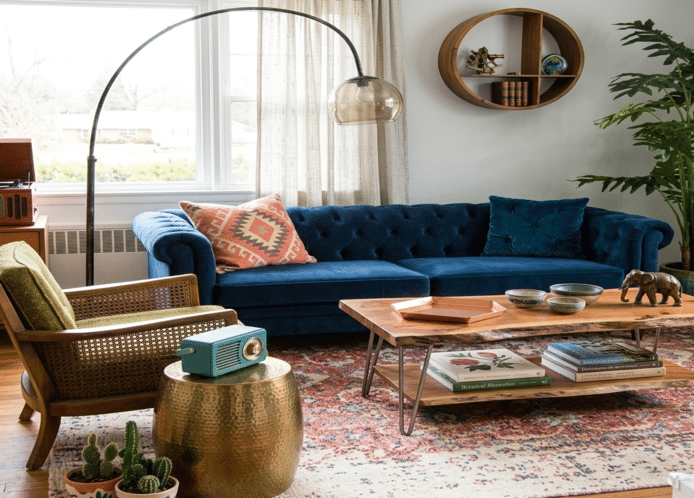
Integrating vintage furniture in a modern home is all about finding a balance between antique pieces and contemporary elements. It is about incorporating some elements capable of adding character without overloading the space.
The key is to give prominence to these pieces without competing with each other. Vintage furniture tends to have more visual presence due to its finishes or decorative details, so it works best when integrated in uncluttered and well-balanced environments.
How to choose pieces without overloading the space
Before incorporating a vintage piece of furniture, it is advisable to assess its condition and usefulness. A piece can be very beautiful, but if it does not fit the dimensions of the room or does not fulfill any function, it will end up taking up space without adding value.
The most versatile pieces of furniture tend to be sideboards, display cabinets and tables. They work well because they can be adapted to different uses and combined with modern furniture.
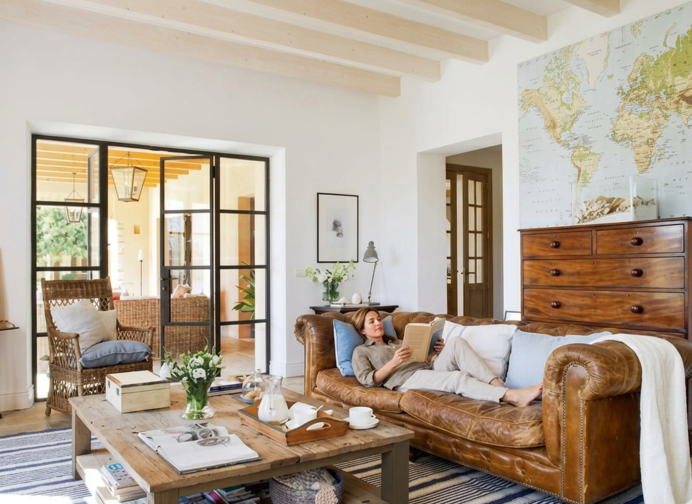
In a living room, for example, an antique sideboard can be combined with a sofa, a modern table and a rug. In a bedroom, reclaimed nightstands can add warmth with a simple headboard.
Always keep proportion in mind. If the antique furniture has a lot of visual weight, the rest of the room should be cleaner.
Mixing antique and contemporary
One of the most common mistakes when decorating in vintage style is trying to make everything look antique. A modern home needs functionality and a certain visual cleanliness. That’s why you have to keep some modern touches.
The mix works when there is contrast and connection between elements and tones. For example, if a room has an antique cabinet with gold handles, you can repeat that tone in a lamp or a frame. This way, the furniture is not isolated and the whole is more coherent.
How to apply the vintage palette in your home
Applying the right vintage tones is all about choosing colors that help create a warm and serene atmosphere. In this style, color should not appear too flat or overly modern, but integrated into the whole.
Bright homes: where and how to use light tones
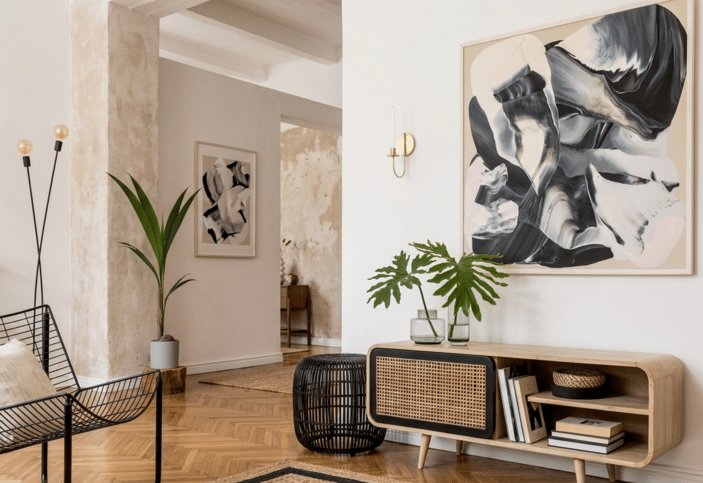
If you are looking to apply luminosity to the house, the base should be light. Walls in soft tones such as off-white, ivory or soft beige allow you to highlight antique furniture without darkening the space.
On that neutral base you can introduce colors with more character in textiles, furniture or decorative details. A floral cushion, a patterned rug or curtains that stand out.
Light tones also help the decor look less heavy and allow you to integrate antique pieces into the decor.
Where to go for dark tones
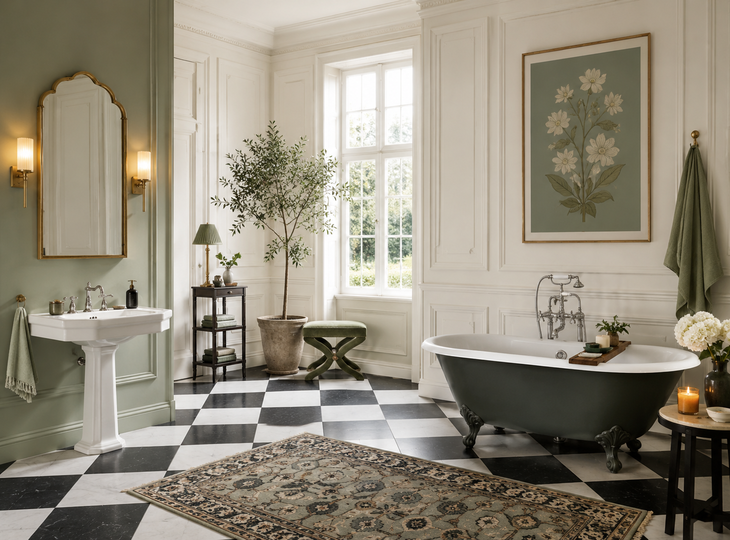
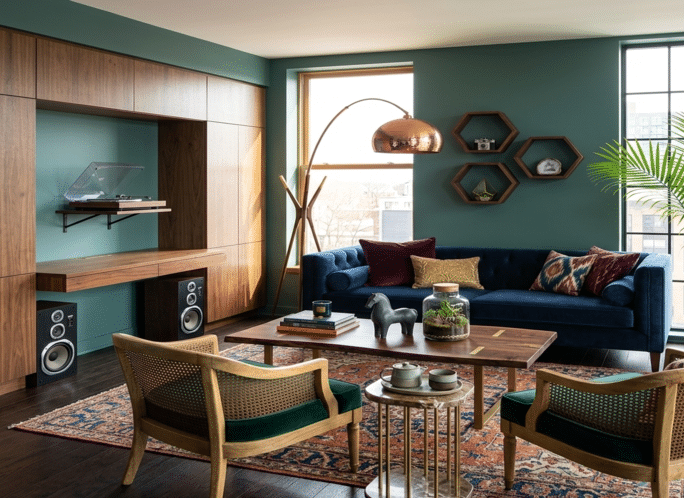
Vintage style can also be elegant. To achieve this, you can use colors such as bottle green, petrol blue, burgundy or walnut brown. These tones add intensity and work very well in dining rooms or offices.
These should be used with measure, if applied in excess the room can lose light and appear smaller. In addition, when these colors are used, they should be balanced with wood and good lighting.
Floral and geometric prints: where to use them
Prints are a very recognizable part of vintage style, they help to introduce texture and decoration.
Classic geometrics
Geometric prints are ideal for those looking for a more graphic vintage style. Geometric elements such as diamonds, circles or stripes inspired by the 60s and 70s can add pizzazz to the decor.
These types of motifs are often seen on bathroom and kitchen tiles and floors. Geometric patterns are recommended to be combined with controlled colors. If the pattern is very marked, it is preferable to keep the furniture in neutral tones.
Floral prints
Floral patterns allow to create cozy atmospheres. They can have a romantic or country feel depending on the size of the pattern and the color combination.
Small florals work very well on cushions and bedspreads. They bring delicacy and are a light design that combines with all types of furniture.
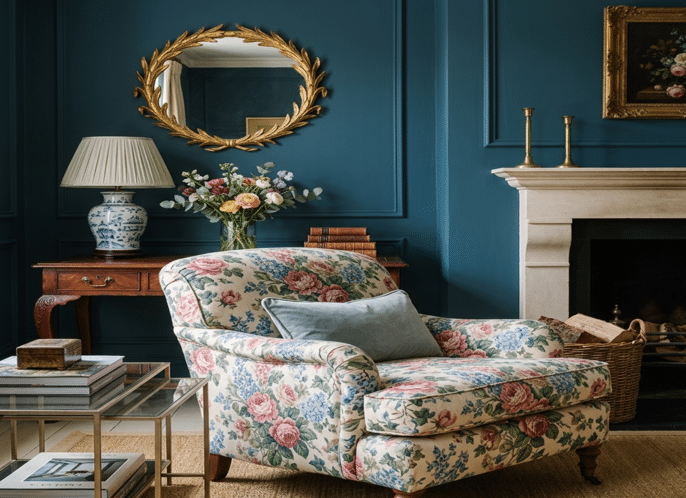
Large florals have more presence and should be reserved for specific elements, such as an upholstered armchair or wallpaper on a single wall. If the print is very strong, the rest of the decoration should be simpler.
How to place objects with history at home
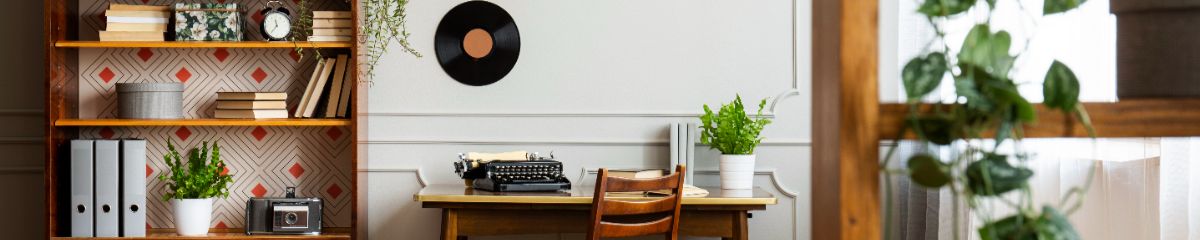
Decorative objects such as an antique clock, an analog camera, inherited books, etc. can help give personality to the space without the need for major changes.
Heirloom pieces
Inherited pieces have a special value because they not only decorate, they also tell something. A family table or a lamp that has been around for years can stand out if placed strategically.
For these objects to work in today’s home, they should be placed in spaces where they can stand out. If too many mementos are grouped together in the same area, they lose their strength. On the other hand, if you select a few pieces and integrate them well, the result is much more elegant.
Materials: where to use each one
Materials have a great influence on the perception of a space. In a home decorated in vintage style, natural finishes and textured surfaces tend to work better than overly shiny or artificial materials.
Wood, natural fibers and aged metal
Solid wood is one of the most important materials in vintage decorating. Darker woods add a more classic feel, while lighter woods soften the mood.
Natural fibers, such as wicker, rattan or jute, help lighten the overall look. They work well in chairs, baskets, lamps, etc. They have an informal texture that keeps the vintage style from being too serious.
Aged metals, such as brass and bronze, add contrast. They can appear in lamps, handles, mirrors, etc. The antiqued finish is more appropriate than excessive brightness, because it fits better with the aesthetic.
Ceramics and glass
Ceramics and porcelain convey delicacy. They can be used in tableware, vases or lamps. Handmade pieces or pieces with small imperfections fit very well in interiors.
Applying glass can also give a lot of prominence to your home. Glass cabinets, antique bottles, lamps, etc. help to reflect light. If the space has a lot of wooden furniture, these details prevent the room from looking heavy.
Vintage lighting in every space
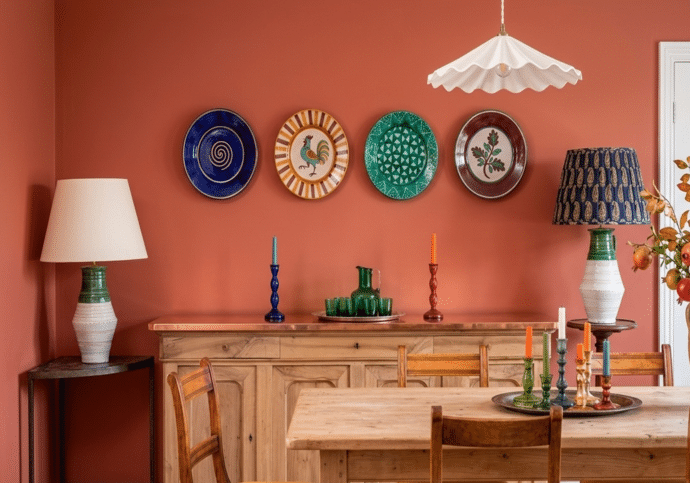
Vintage lighting can completely change the perception of a house. In this style, the light must be warm, enveloping and well distributed. A ceiling lamp is not enough; it is advisable to create different points of light to create depth.
There are different types of vintage style lamps such as table lamps, sconces, floor lamps and pendants. Brass finishes, glass, metal and rounded shapes fit very well in the decor.
In a living room, you can select a floor lamp next to the sofa to create a cozy reading area, in a bedroom you can opt for some metal vintage table lamps to give personality.
In the kitchen, a good option are hanging lamps as they are aesthetic and functional, they can be placed in different areas of the room as on an island or table to improve lighting and reinforce the vintage aesthetics of the space.
On the other hand, in the bathroom, wall sconces are a great solution as they can be placed on both sides of the mirror or on any surface to create a more careful and decorative light.
Color temperature also matters. Too cold a light can break the warm feeling of the style. It is best to choose warm or neutral light bulbs.
Recommended products
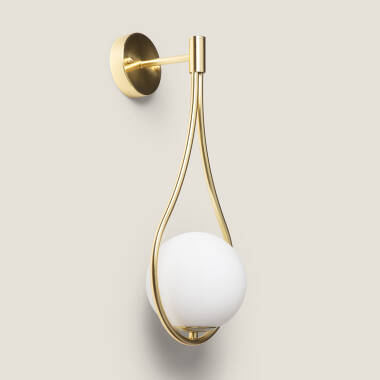
In Stock, delivery in 24/48h
49.99 £
Moonlight Wall Lamp
View product
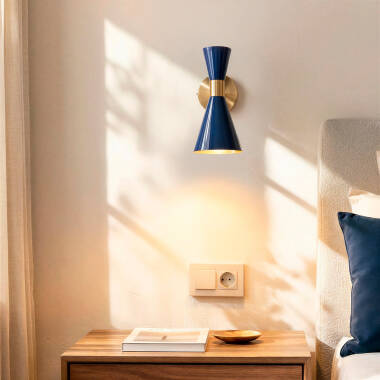
In Stock, delivery in 15-20 days
26.49 £
Jigger Wall Lamp
View product
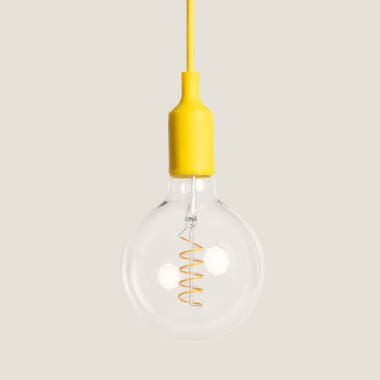
In Stock, delivery in 24/48h
5.49 £
Rubik Pendant Lamp
View product
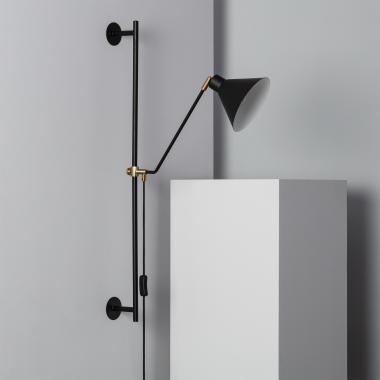
In Stock, delivery in 24/48h
52.99 £
Oga Wall Lamp
View product
Textiles: what to use in each space
Natural fabrics, such as linen, cotton, wool or velvet, work very well when it comes to creating a warm atmosphere, these fabrics are usually seen in curtains and cushions.
In the living room and bedroom, cushions, rugs and blankets allow you to introduce vintage style without changing all the furniture. A rug can add personality and create a cozier aesthetic.
The key is to mix without saturating. If the rug has a pattern, the throw pillows can be more discreet. If the curtains are patterned, the bedding should be simpler. The balance between plains and prints maintains visual harmony.
Final keys to apply vintage style in your home
Decorating your home with vintage is all about creating a balance between antique and contemporary decor.
As mentioned above, the key is not to reproduce a house from the past, but to recover what deserves to remain part of the present. This style works when it looks natural and should convey authenticity and attention to detail. It is enough to select and combine well the different pieces of your house.
A house with charm not only looks cozier; it also tells a story. And that story is precisely what sets it apart from any impersonal decor.