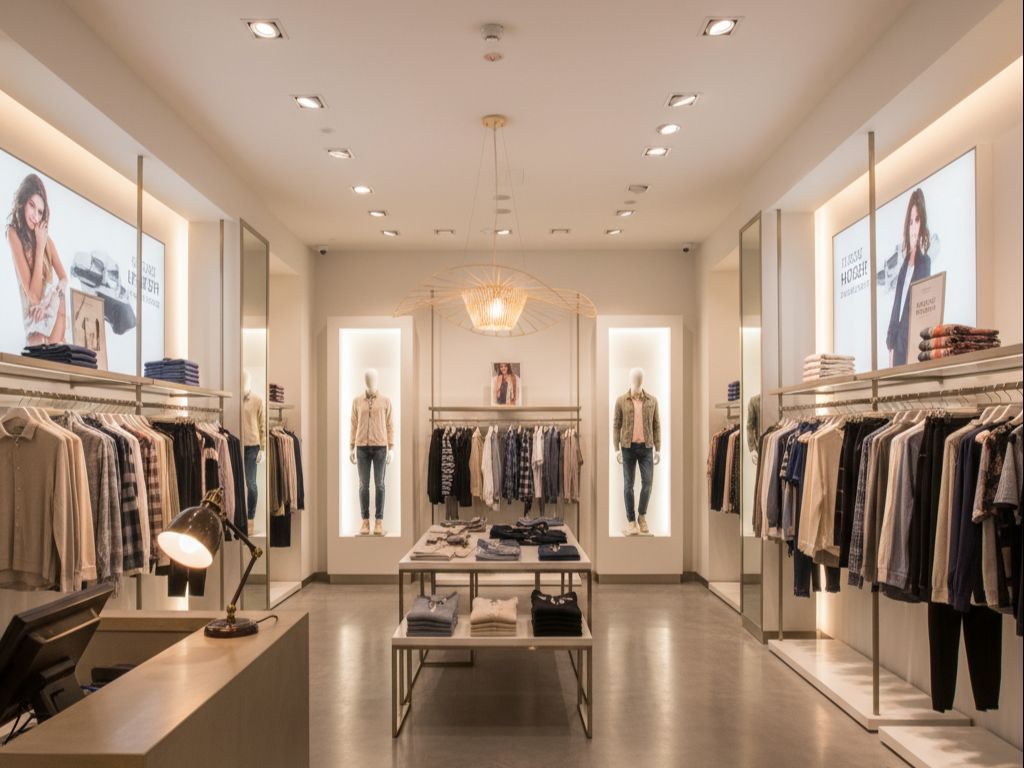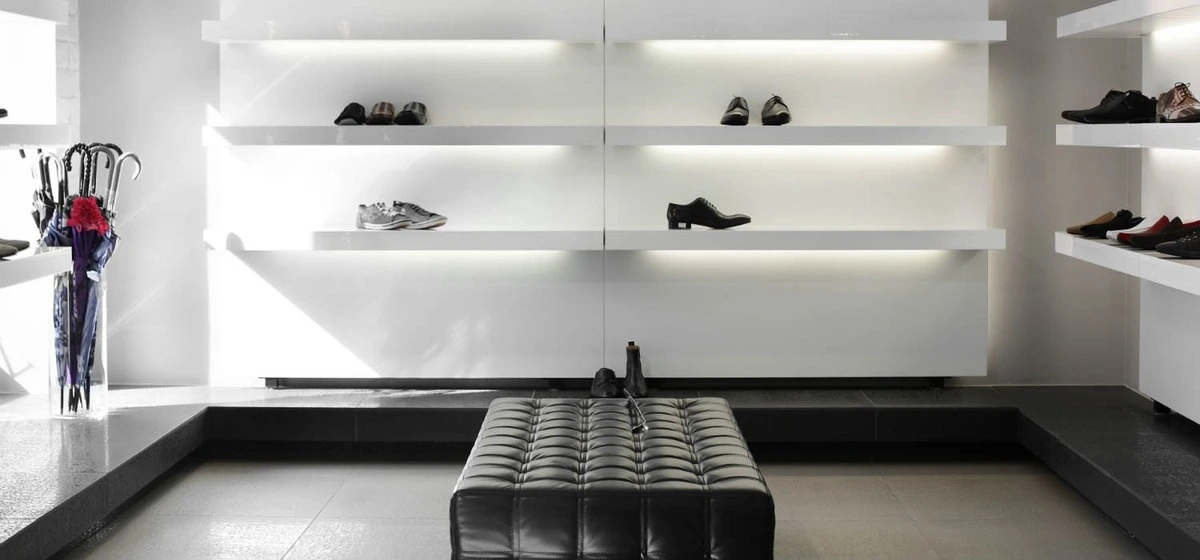
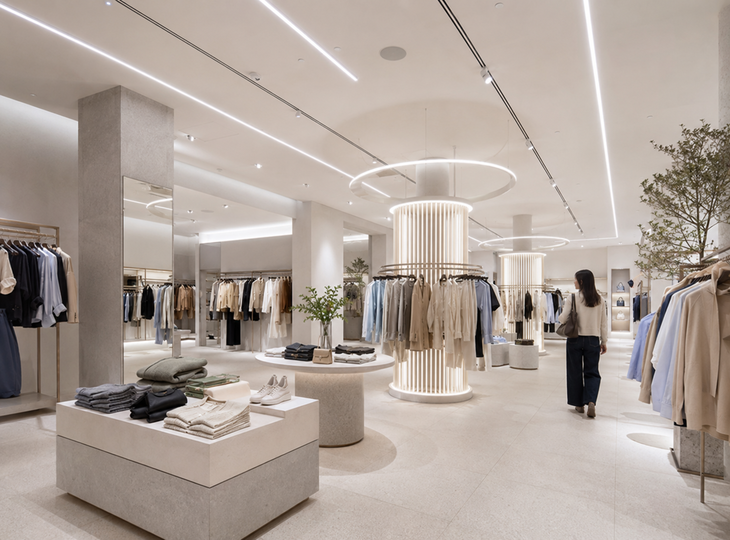
Increasingly, companies understand that the way a space is illuminated also communicates. Light influences the perception of the product, the customer experience and therefore the visual identity of the brand.

In locations such as stores, hotels or restaurants, light acts as a silent language. It can convey luxury, closeness or innovation. A brand that works well its light identity makes the user recognize it even before reading its name.
To achieve this, brands not only work on the amount of light, but also on the type of lighting they use: spotlights, LED strips, directional lighting, etc.
Table of Contents
Light as part of the brand’s visual identity
A brand is built through visual, sensory and emotional stimuli. The color, the materials, the music, the aroma or the distribution of the space are part of this global perception. Light intervenes in all these elements because it modifies how they look and feel.
The same product can appear more exclusive or more accessible depending on the lighting that accompanies it. A garment exposed under a warm light transmits a different sensation than the same garment illuminated with a cold and very intense light. In both cases, the product does not change, but the way it is interpreted does.
Brands use light to reinforce specific attributes. A luxury brand may use sharp contrasts and points of light to generate a sense of exclusivity. On the other hand, a young and dynamic brand may work with bright colors and changing lighting elements.
In addition, each type of lighting conveys a different feeling. Directional LED lighting can highlight specific products, indirect lighting brings calm and sophistication, and LED strips reinforce a more modern image. Therefore, the choice of lighting must be aligned with the brand’s personality.
Recommended products
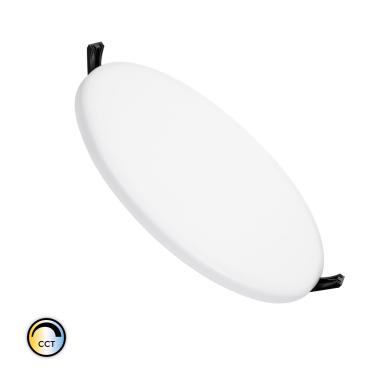
In Stock, delivery in 24/48h
19.05 £
Round 24W CCT Selectable LED Downlight Ø200mm Cut Out IP54
View product
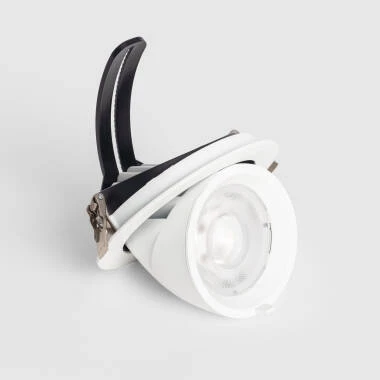
In Stock, delivery in 15-20 days
32.99 £
Round 24W OSRAM CCT Selectable LED Downlight LIFUD Ø125 mm Cut Out 120lm/W
View product
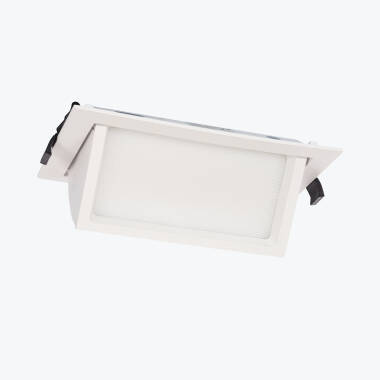
In Stock, delivery in 24/48h
26.49 £
Rectangular 24W OSRAM CCT Selectable LED Downlight 210x125mm Cut Out 120lm/W
View product
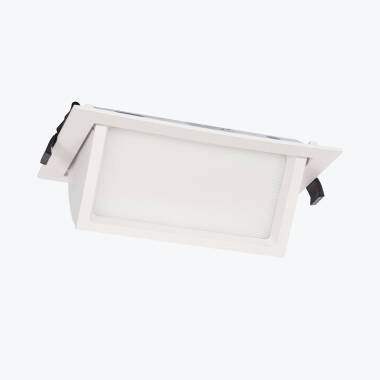
In Stock, delivery in 24/48h
28.59 £
Rectangular 38W OSRAM CCT Selectable LED Downlight 210x125mm Cut Out 120lm/W
View product
Color temperature: how perception changes
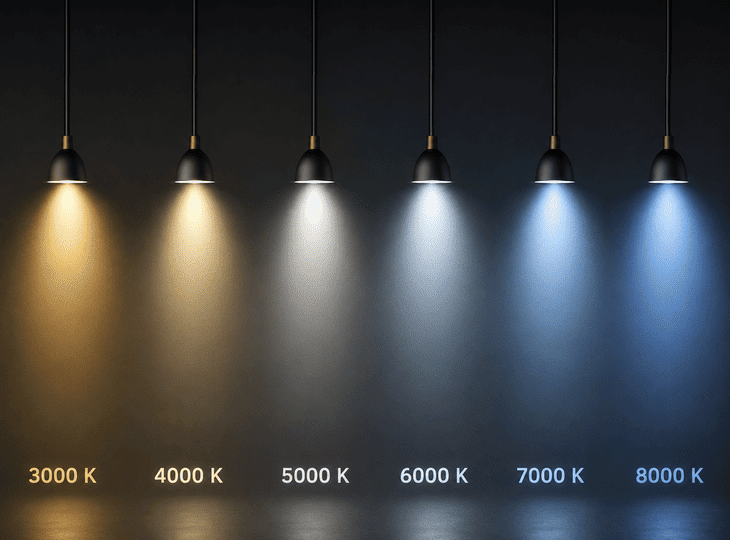
Color temperature also helps define the atmosphere of a commercial or corporate space. It is measured in degrees Kelvin and determines whether the light is perceived as warm, neutral or cool.
Warm light is often associated with comfort. It is common in restaurants and hotels or brands that seek an emotional relationship with the customer. This type of light favors cozy environments and helps to make natural materials more pleasant.
Neutral light offers a more balanced perception. It is often used in fashion stores, showrooms and spaces where it is important to show the product faithfully, without altering its colors too much. It transmits cleanliness and professionalism.
Cold light is associated with technology and activity. It can work in sports stores, clinics or brands with a more technical aesthetic. However, excessive use can be uncomfortable if it is not compensated with colors or areas of lower intensity.
Intensity and contrast
The intensity of light also communicates. A brightly lit space tends to transmit energy. On the other hand, a more controlled lighting can generate intimacy.
Brands use intensity to direct the customer’s attention. When a space has completely uniform lighting, the user does not receive clear visual guidance. On the other hand, if brighter areas are combined with areas of lower intensity, the eye is naturally drawn to the products or what needs to be highlighted.
Contrast is especially important in sectors such as fashion, jewelry or cosmetics. A showcase with well-directed points of light can create an attractive space. For example, a warmly lit and focused restaurant table can make the experience more intimate.
Various resources can be used to create this hierarchy, such as LED recessed lighting. The combination of these systems allows the space to have depth and directs the user’s gaze to the most important areas.
Use of colored light
The color of light has enormous expressive power. Some brands use it on an ad hoc basis in shop windows or events or as a permanent part of their visual identity.
Colored light can reinforce brand recognition. A corporate hue applied to a wall or architectural element can make the space stand out more. Technology or sports brands often work with more dynamic lighting resources such as color changes or LED strips.
On the contrary, luxury brands tend to use color in a more restrained way. In these cases, the light does not seek to draw attention in an obvious way, but to create a careful sensation.
The importance of color rendering
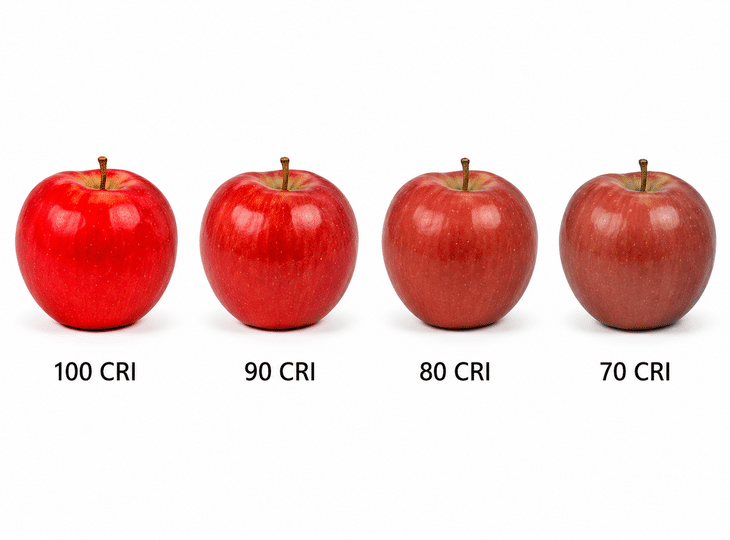
When a brand sells physical products, color reproduction is an essential aspect. Colors must be perceived faithfully, especially in sectors such as fashion, cosmetics, food, decoration or jewelry.
The color rendering index or CRI, indicates the ability of a light source to display colors naturally. Lighting with poor color rendering can alter tones, dull shades or generate an inaccurate perception of the product.
In a clothing store, this can cause a garment to look different inside and outside the store. In cosmetics, it can affect the perception of makeup. In food, poorly chosen lighting can make products appear less fresh.
Light should favor the product, but not misrepresent it. Customer confidence is also built when what they see in store matches what they receive.
Applications of light in branded spaces
Lighting takes on a different role depending on the type of space in which it is used. It does not communicate in the same way in a shop window as in a restaurant. In each case, the light must be adapted to the user’s path, the time spent, the type of product or service and the experience that the brand wants to build.
Therefore, a lighting identity implies understanding how light behaves in each customer contact zone.
Shop windows
The shop window is one of the places where light has the greatest impact. Before a person enters a store, he or she has already received a first impression of the brand. That perception is built in a few seconds and depends on the composition, the product and the lighting.
Flat lighting can make even a good window display go unnoticed. On the other hand, a well-lit scene can attract the eye from the street and generate curiosity. The goal is not only to get the product seen, but also to arouse interest.
Brands use different strategies in shop windows. Some opt for lighting with sharp contrasts. Others prefer a softer light, which reinforces an elegant and natural image. There are also showcases with dynamic lighting, designed to attract attention in shopping streets with a lot of visual competition.
The time of day has a great influence on the lighting design. A shop window should work in natural light, at dusk and at night. Therefore, the power, angle and color temperature must be calculated taking into account the external environment. Lighting a facade on a narrow street is not the same as lighting a facade on a very bright avenue.
Retail stores
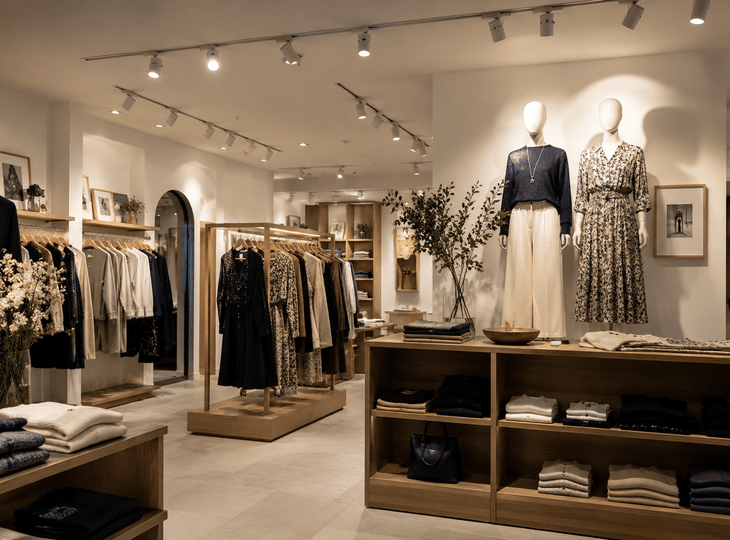
In retail, light serves several functions at the same time. It helps to see the product, influences dwell time and reinforces the brand image. A good lighting strategy enhances the shopping experience without the customer being fully aware of it.
For example, entrance areas often need attractive lighting that invites customers to enter the store. On the other hand, in transit areas, rigid LED strips into the furniture can discreetly guide the path and reinforce the store’s aesthetics.
Brands with multiple stores should take care to be consistent. This means that all spaces should share a common visual logic. The color temperature, intensity and the way the product is illuminated must respond to the same identity. This way, the customer recognizes the brand even when visiting stores in different locations.
Hospitality and food service
In hospitality, lighting determines how the space is experienced. A brand can use lighting to create everything from calm to exclusivity depending on the type of experience it wants to offer. The goal is to focus attention on the overall experience.
Hotels use light to mark different moments. Reception should convey welcome and confidence, and guest rooms require flexible lighting for lounging or getting ready.
In this sector, lighting identity has a direct relationship with recall. Many people do not remember exactly the details of a hotel or restaurant, but they do remember the feeling it gave them.
In restaurants, cafés and bars, LED track lighting are a very useful solution because they make it possible to direct the light to specific points and adapt the lighting if the layout of the space changes. In this way, it is possible to reinforce the visual identity of the premises and to create a well-groomed ambience.
Offices and corporate spaces
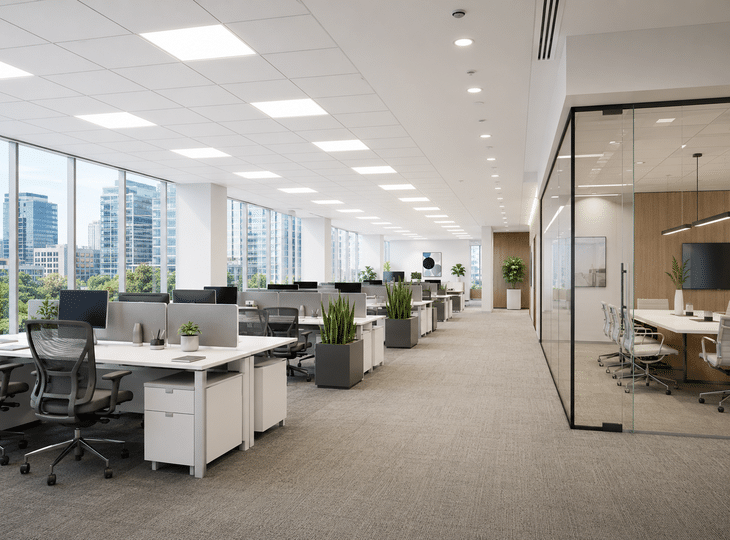
Light is also part of the identity in offices and workspaces. In these environments, lighting responds to functional needs and communicates what the company is like, how it understands the well-being of its teams and what kind of culture it wants to project.
An office with well-used natural light and balanced work areas conveys care and professionalism. To achieve this, LED panels, indirect light in common areas and round LED panels can be combined to increase general lighting.
It also has a great impact on the team, as proper lighting promotes concentration and improves comfort. When a company integrates these aspects into its design it improves the daily experience for those who work there.
Events, stands and launches
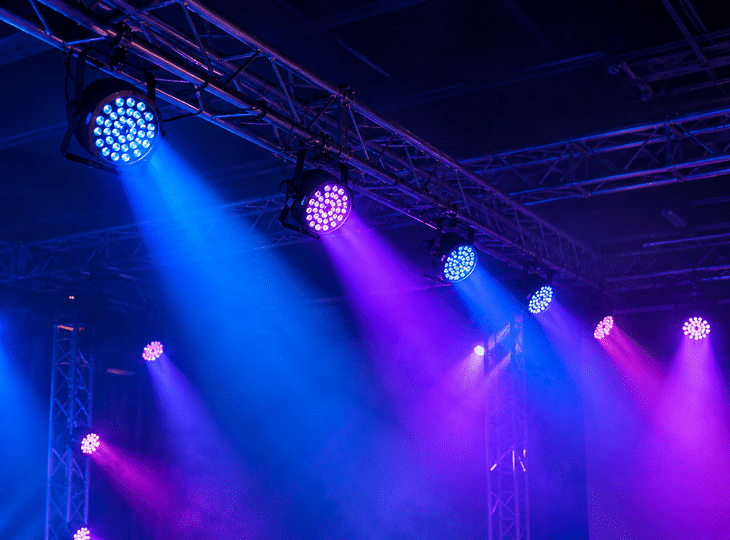
Trade show booths use event lighting to differentiate themselves in highly competitive environments. At product launches, light helps create anticipation. It can conceal and reveal, accompany a narrative, reinforce corporate colors or direct the eye to the main element.
On the other hand, events also allow experimentation with resources that might not make sense in a permanent space. Projections, chromatic changes or surround lighting can be used to present a specific campaign.
Frequent mistakes when using light in branding
Lighting can reinforce a brand’s visual identity, but it can also weaken it if it is not applied judiciously. In order for the space to communicate coherently, some common mistakes should be avoided:
- Copying solutions without analyzing the brand identity: a striking lighting may work in a particular store, but not fit in another. Lighting should respond to the target audience and the experience you want to convey.
- Overuse of colored lighting: color tones can be useful in campaigns or events, but overuse can create an artificial or tired atmosphere. Color should reinforce the brand message, not compete with the product or saturate the space.
- Lighting everything with the same intensity: when all elements receive the same light, the space loses depth and there is no clear visual hierarchy. To build identity, lighting should help to highlight products or strategic areas.
- Neglecting maintenance: fused luminaires, flickering, etc. convey an image of neglect. A lighting strategy needs periodic revisions and cleaning to maintain visual coherence.
- Not thinking about the real user experience: the customer observes, tests products, reads labels, etc. Each of these actions requires lighting that is functional and aligned with the brand identity.
The value of light in the construction of visual brand identity
Light is an essential resource for building a strong and recognizable visual identity. Its temperature, intensity, color, etc. influence the way the user perceives it and remembers the experience. When lighting is consciously designed, it works as a communication tool capable of highlighting products and creating experiences. That is why brands that integrate light into their visual strategy are able to differentiate themselves from the rest.
To create this construction in your brand it is advisable to take into account all the points mentioned above, thanks to this you can make your brand stand out from the rest.