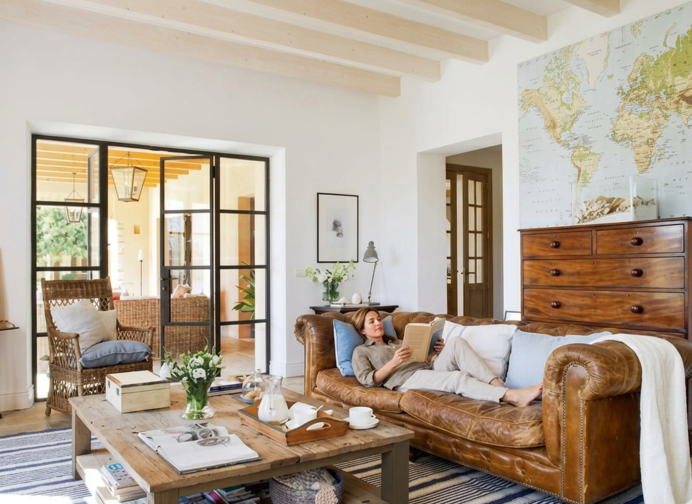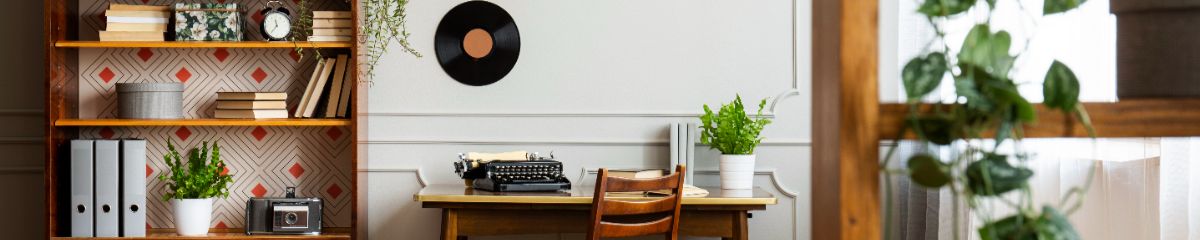
The vintage style brings warmth and allows you to create less impersonal interiors than those decorated only with current furniture.

However, one of the most common mistakes when decorating in vintage style is to confuse this type of decoration with an overloaded or aged aesthetic. Vintage style works when there is an intention behind each choice.
Table of Contents
What mistakes should be avoided when decorating a house in vintage style?
Decorating in this style is all about learning to combine antique and contemporary pieces. To achieve a balanced atmosphere, it is important to avoid some mistakes that can make the space lose harmony. Below, we review the most common ones:
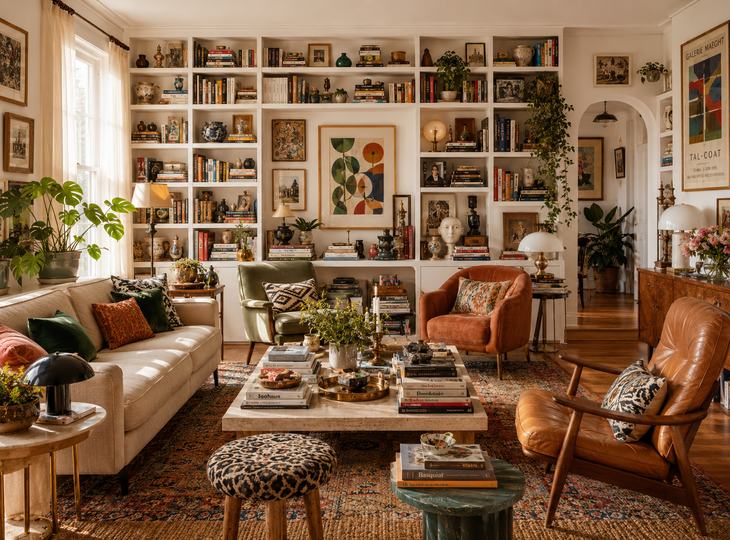
Lack of criteria in composition and volume
One of the most common mistakes when decorating in vintage style is to fill the room with too much furniture, lamps or decorative objects without assessing how they relate to each other. Although each piece may have charm separately, if there is no balanced composition, the space may seem saturated and not very functional.
Proportions should also be considered. Some vintage pieces may be bulkier or have a greater visual presence than current furniture, so it is important to measure well and leave clear areas. An antique piece of furniture can become the protagonist, but if it blocks the passage, blocks the light or overloads the room too much, it will lose part of its decorative value.
To avoid this, it is preferable to select a few pieces with intention and combine decorative elements that add something to the whole. A well-chosen object can have more strength than an entire collection, as long as it fits the space and allows the decoration to breathe.
Using pieces without quality
Another common mistake is to overuse new furniture and objects that imitate the old in a careless way. There are many vintage-inspired pieces on the market, but not all of them have quality. Some furniture with artificial aged finishes or imitations of noble materials can impoverish the result.
The problem is not in buying new pieces inspired by past decades. In fact, it can be a practical option when looking for comfort or a tighter budget. The mistake is to build the whole environment with objects that pretend to be antique without good materials.
A good decoration combines original pieces with current elements. It is not necessary that everything is antique, but it is convenient that the main pieces have quality.
It is also important to avoid excessive aged finishes. When several pieces of furniture have the same artificial wear, the result loses naturalness. The passage of time does not affect all materials in the same way, and this irregularity is precisely what makes antique pieces attractive.
When buying furniture, it is advisable to pay attention to the quality of the wood, the hardware and the finish.
Forgetting chromatic coherence
Color is one of the factors that most influences the perception of a vintage interior. Many times the mistake is made of incorporating antique pieces without thinking about how the tones combine with each other. Chromatic coherence does not mean establishing a base that allows everything to be related. In a room with this type of style usually combine very well with soft tones such as off-white, beige or brown.
It is also important to take into account the temperature of the light, since it can modify how colors are perceived. Lighting that is too cold can make beiges appear dull, woods lose warmth and make the whole look less welcoming. On the other hand, a warm light helps to enhance earth tones, aged finishes and natural textures, reinforcing the enveloping feeling of vintage style.
Wood is also part of the color palette. Dark woods combine very well with light walls, textiles in ecru or deep green tones, as they need contrast to avoid darkening the room too much. Light woods, on the other hand, work best with warm whites, beige, natural fibers, aged pastel tones or small accents in terracotta and sage green. If different woods are mixed with patterned textiles and intense colors, the result may seem excessive, so it is best to create a neutral base that allows the materials to coexist naturally.
A common mistake is to mix too many intense tones in the same room. For example, a maroon rug, a dark green sofa and floral patterned curtains can work if they share the same color palette, but can be excessive if there is no common thread. To avoid this, choose two or three main colors and use the rest as accents. Patterns, such as flowers, stripes or checks, can add a lot of character, but should not compete with each other. If bold wallpaper is used, it is better to keep the textiles more sober.
Mixing eras without clear criteria
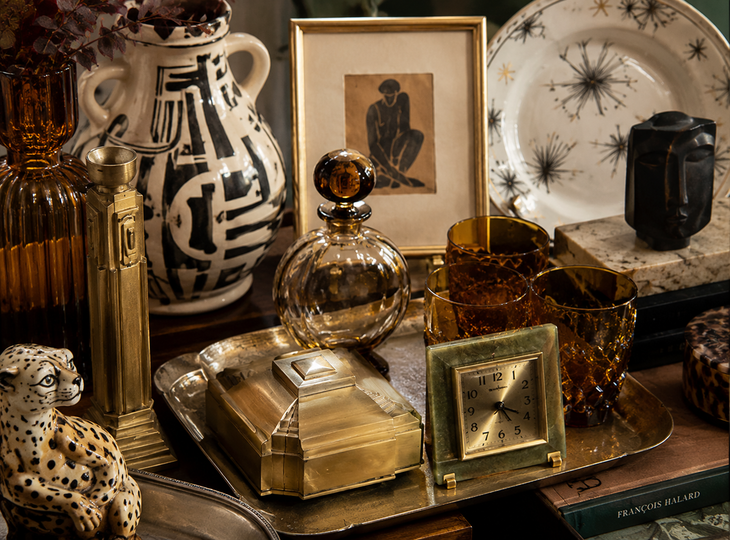
Vintage style allows you to combine pieces from different decades, but not everything fits with everything. One of its great advantages is the freedom to mix, although an aesthetic direction is needed. Placing art deco-inspired furniture, pieces from the fifties, rustic elements and seventies objects in the same room can only work if there is a balanced composition.
To avoid this, it is best to choose a dominant line, there is no need to be pigeonholed into a single decade, but keep an intention. If styles are mixed, there should be unifying elements such as common color palettes or similar materials. This way, the result will look personal and not improvised.
Disregarding practicality
Decorating in vintage style does not mean living in a house set in another era. A modern home needs comfort, technology, storage solutions, good lighting and a practical layout. When you try to faithfully reproduce an antique interior, the result can appear non-functional.
The style works best when combined with contemporary elements. The contrast between old and new brings freshness. It allows vintage pieces to stand out without making the space look dated. It also makes it easier for the home to remain comfortable for day-to-day living.
A common mistake is to completely hide modern elements for fear of breaking the aesthetics. However, these can be integrated if chosen carefully.
Abusing the worn effect
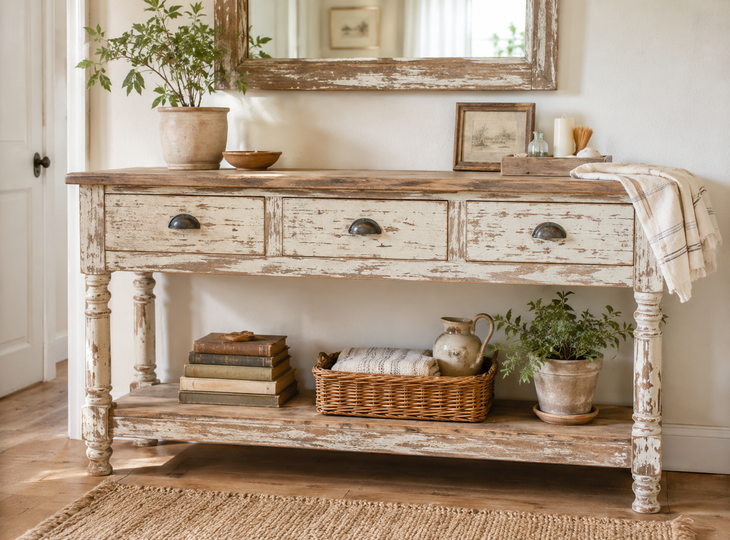
The worn finish can add personality, but when used in excess it loses its naturalness. Distressed paints, weathered woods and imperfect surfaces can work if they appear on a one-off basis. If everything looks worn, the space can convey neglect rather than style.
There is a distinct difference between a piece with patina and a piece in disrepair. Patina speaks of the passage of time, use and history of the object. Deterioration, on the other hand, can affect hygiene or the overall perception of the environment.
Not all antique furniture should be restored to look like new, but it is a good idea to check its condition. Vintage style gains strength when it combines imperfection and care. A house may have pieces with marks of time, but it should convey cleanliness and attention to detail.
Ignoring textiles
Textiles are very important in building a vintage style aesthetic. Curtains, rugs, cushions, upholstery, etc. However, they can also become a mistake if used inconsistently.
An excess of prints can overload the room. To get it right, it is advisable to choose fabrics that go with the overall style. Linen, cotton, wool usually work well. Floral prints, fine stripes or checks can add a classic feel, as long as they do not compete with each other. Textiles can also be used to update an old piece, for example, an heirloom chair can be updated with modern upholstery.
Copy an aesthetic without adapting it to the house
Another common mistake is to be inspired by images from magazines, social networks or decoration stores and reproduce them without taking into account the architecture of the house. Not all styles work the same in all spaces.
A house with high ceilings and hydraulic floors can support more ornate furniture. A small, bright apartment may need lighter pieces. A rustic home may better integrate natural woods and plant fibers.
Before decorating, it is advisable to observe the space: natural light, size, distribution and usage needs. The vintage style should be adapted to the house, not imposed on it.
A well-planned decoration respects the personality of the space. It does not try to turn one house into another, but to enhance its possibilities.
Neglecting lighting
Vintage lighting allows to reinforce the decoration of the different spaces of the house. Many times attention is paid to furniture and objects, but light is left in the background. A space with poorly lit vintage pieces can appear dull or too heavy.
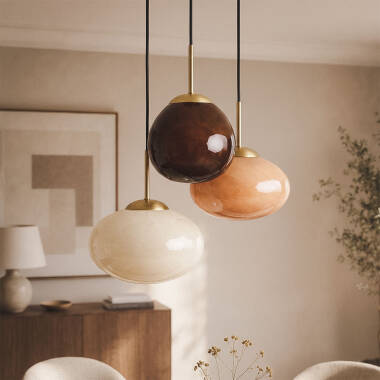
A home often welcomes warm, enveloping lighting as it brings calm. Vintage pendant lights, floor or table lamps can create a cozy atmosphere. However, it’s also important to have adequate general lighting and focal points in the various rooms.
A common mistake is to use a single central light that is too cold or too bright. This type of lighting can harden the materials and detract from the charm of the textures. On the other hand, combining several points of light helps to create depth and makes it possible to adapt the ambience to different times of the day.
Recommended products
In Stock, delivery in 15-20 days
126.99 £
Crystal Pendant Lamp Kurta
View product
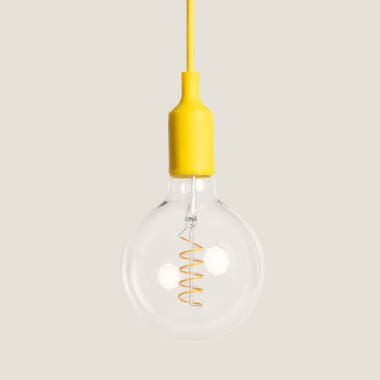
In Stock, delivery in 24/48h
5.49 £
Rubik Pendant Lamp
View product
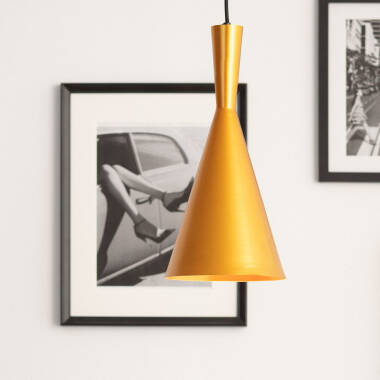
In Stock, delivery in 24/48h
22.89 £
Lennon Aluminium Pendant Light
View product
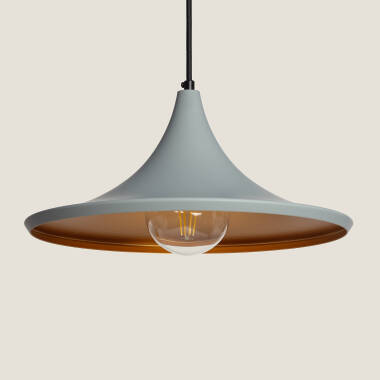
In Stock, delivery in 24/48h
29.69 £
Presley Aluminium Pendant Light
View product
A common mistake is to choose lamps that are highly decorative but impractical for work areas. This usually occurs for example in the kitchen, this room needs a clear lighting on countertops and preparation areas. This does not mean that style cannot be maintained. You can incorporate pendant lamps over the island or sconces as long as they have sufficient functional light.
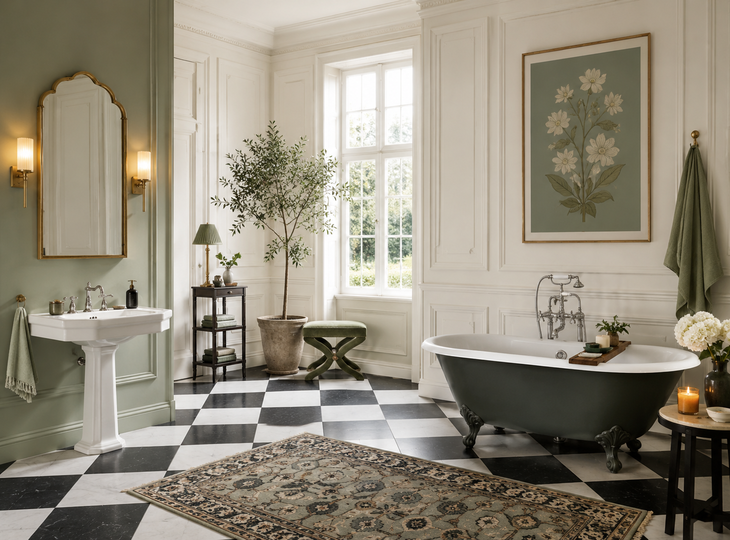
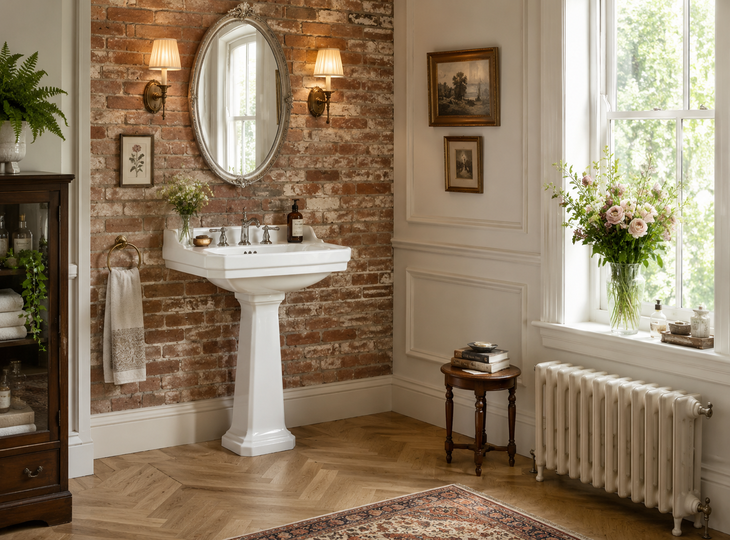
Another mistake is to place lighting that is too dim or poorly aimed. The sink area needs a practical and flattering light, a solution is the vintage wall lights, these can work very well next to the mirrors if they provide good light and do not generate uncomfortable shadows on the face.
The key to success in vintage decoration
In conclusion, the main mistakes appear when you overload too much, abuse imitations or mix pieces that do not fit into the decor. It is also advisable to avoid the lack of adequate lighting.
A well-designed vintage house combines history and modernity. Select pieces with personality, respect visual harmony and maintain a balanced relationship between aesthetics and daily use.
The key is to decorate by letting each object have its space. And, above all, build a home that is stylish, comfortable and bright.